The Digital Doppelgänger Dilemma: Generative AI and the Future of Musical Authenticity

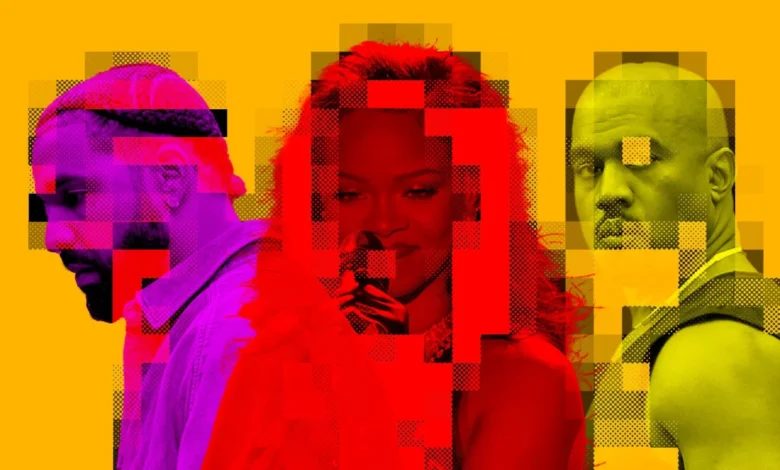
The rapid evolution of generative artificial intelligence has precipitated a seismic shift in the music industry, fundamentally challenging long-held concepts of artistic ownership, intellectual property, and the nature of human performance. As sophisticated machine learning tools become increasingly accessible to the general public, the line between an original recording and an AI-synthesized imitation has blurred to the point of near-total disappearance. From high-profile industry incidents to the proliferation of viral content on platforms like TikTok and YouTube, the ability to clone the voices of world-renowned artists has transformed from a technical curiosity into a pressing legal and ethical crisis.
A Chronology of Synthetic Sound
The emergence of AI-generated music is not a singular event but a series of escalating developments that have caught the music industry off-guard. In early 2023, the trend moved from the fringes of internet forums into the mainstream. In February, superstar DJ David Guetta utilized a voice-cloning AI to incorporate a synthetic vocal track resembling Eminem into a live concert set. While Guetta framed the experiment as a demonstration of technology, the move drew immediate scrutiny regarding the lack of consent from the original artist.
Shortly thereafter, the French hip-hop duo AllttA released "Savages," a track that featured a synthetic vocal model of Jay-Z. The release sparked critical debate, with some commentators observing that the AI-generated performance possessed an "ineffably compelling" quality, even as it bypassed the traditional creative process. The situation reached a boiling point in April 2023, when an anonymous creator uploaded "Heart on My Sleeve," a track purportedly featuring vocals from both Drake and The Weeknd. The song gained massive traction, prompting speculation that it might be a calculated marketing maneuver or a proof-of-concept for a new generation of AI-driven distribution.
The response from the industry was swift and largely hostile. Drake, whose likeness has been frequently targeted, publicly condemned an AI-generated cover of Ice Spice’s "Munch (Feelin’ U)," labeling the incident the "final straw." Despite this pushback, the trend continues to accelerate, with platforms currently hosting thousands of faux covers featuring artists ranging from Rihanna and Katy Perry to the late Freddie Mercury.
The Tools Behind the Facade
The democratization of these tools is largely driven by open-source software such as So-Vits-SVC. Unlike the clunky voice synthesizers of the past, So-Vits-SVC allows users to train a model on a relatively small dataset of an artist’s acapella recordings. Once trained, the model can "sing" or "rap" any input lyrics with alarming accuracy. The community surrounding these tools—often found on Discord servers and Reddit threads—frequently treats the technology as a form of digital "modding" or fan-fiction.
For hobbyists, such as those within the "Kanye unreleased" community, the objective is often to complete unfinished works or experiment with creative pairings that would never happen in the physical world. However, the ease with which these models can be shared—often passed around in digital files—has led to a proliferation of content that operates entirely outside the regulatory frameworks of major record labels.
Industry Resistance and Legal Ambiguity
In response to the viral nature of AI-generated content, major industry players are mobilizing. Universal Music Group (UMG), which represents a significant portion of the global music market, has begun aggressive outreach to streaming giants like Spotify and Apple Music. UMG is reportedly requesting that these platforms block AI developers from "scraping" copyrighted audio from their catalogs to train new models. The argument is simple: the datasets being used to teach these AI systems are built on stolen intellectual property.
The legal landscape, however, remains remarkably thin. While some argue that unauthorized vocal synthesis constitutes identity theft or a violation of right-of-publicity laws, others maintain that the output falls under the umbrella of transformative fair use. High-profile attorneys, including those who have represented global icons like Taylor Swift and Adele, have largely declined to comment, citing the unprecedented nature of the technology. The consensus among legal scholars is that current copyright law, drafted in an era of physical media, is ill-equipped to address the complexities of synthetic performance.
Economic and Ethical Implications
The threat posed by AI-generated music is not merely aesthetic; it is existential for the traditional music business model. An analyst note from BNP Paribas Exane recently categorized AI music as a "new disruptive threat," suggesting that if fans can generate unlimited, high-quality music in the style of their favorite stars, the value of those stars’ labor may plummet.
There are also profound ethical concerns regarding the replication of deceased artists. The creation of AI-generated tracks featuring the late Freddie Mercury or other legacy artists raises questions about the "digital afterlife." Without the ability to consent or control the output, the digital legacy of these performers is now subject to the whims of any individual with a GPU and a GitHub repository.
The Future of Human-AI Collaboration
Despite the push for regulation, the genie is largely out of the bottle. Creators like Jered Chavez, a university student who produces comedic AI-driven mashups, argue that the technology is an inevitability. Chavez acknowledges the ethical pitfalls—specifically the issue of "putting words in people’s mouths"—but notes that the community is self-regulating through trial and error, even as they face copyright takedown notices from major labels.
The industry is now at a crossroads. One path involves a legal crackdown, characterized by lawsuits and the development of "watermarking" audio to prevent scraping. The other path involves integration, where artists may eventually license their own "official" AI models, allowing them to monetize their likenesses while maintaining creative control.
Ultimately, the rise of generative AI in music forces a fundamental reckoning with what it means to be an "artist." If a machine can perfectly replicate the timbre, cadence, and emotion of a human voice, the industry must decide whether the value of music lies in the performance itself or the human intent behind it. As labels, artists, and developers navigate this new frontier, one thing remains clear: the traditional barriers to entry in the music industry have been permanently lowered, and the era of the synthetic superstar has officially arrived. Whether this development fosters a new renaissance of creativity or marks the beginning of a long-term erosion of artistic value remains one of the most significant questions facing the digital age.