SmallRig Introduces Ergonomic L-Shaped Mount Plate with Ebony and Rosewood Handles for the Fujifilm X-E5 Mirrorless Camera

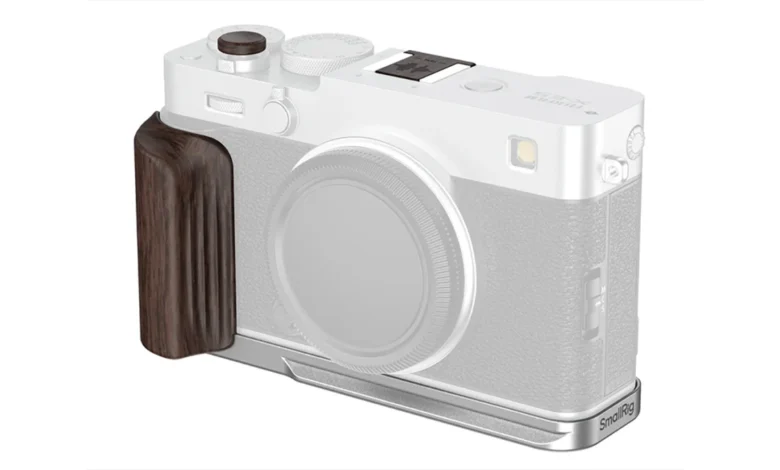
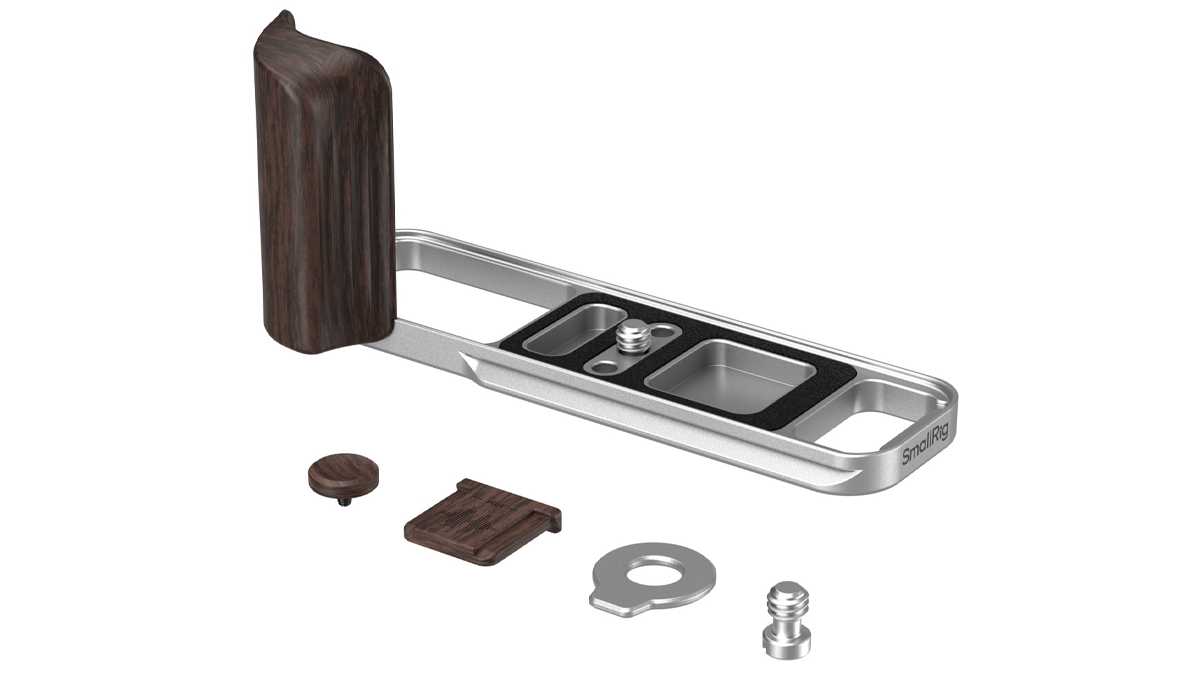
SmallRig, a global leader in professional camera accessories and rigging solutions, has officially announced the release of its latest L-shaped mount plate designed specifically for the Fujifilm X-E5 mirrorless digital camera. This new accessory aims to bridge the gap between high-performance digital technology and classic aesthetic appeal, offering photographers and videographers a more secure, ergonomic grip while maintaining the camera’s compact and vintage-inspired silhouette. The mount plate is characterized by its use of premium natural materials, featuring a handgrip crafted from either solid ebony or rosewood, paired with a precision-machined aluminum base available in matte black or polished silver finishes.
The introduction of this specialized mount plate follows the successful market reception of the Fujifilm X-E5, a camera that has garnered significant attention for its balance of high-resolution imaging and portable design. By addressing common handling concerns associated with slim, rangefinder-style bodies, SmallRig’s latest offering provides a functional upgrade that caters to both the tactile preferences of traditional photographers and the technical requirements of modern content creators.
Technical Specifications and Hardware Integration
The SmallRig L-shaped mount plate is engineered to integrate seamlessly with the Fujifilm X-E5’s chassis. The camera itself is a powerhouse of APS-C imaging, featuring a 40.2-megapixel sensor and the X-Processor 5 engine. Because the X-E5 is capable of high-end performance—including 6.2K video recording and 7.0 stops of five-axis In-Body Image Stabilization (IBIS)—maintaining a steady hand is paramount for users. SmallRig’s plate addresses this by increasing the surface area for the user’s palm, thereby reducing the physical strain often associated with long-duration shooting sessions.
One of the primary technical advantages of this mount plate is the inclusion of a built-in Arca-Swiss quick-release plate. This industry-standard design allows users to transition between handheld shooting and tripod-mounted setups in seconds, without the need for additional plates or tools. Furthermore, the base of the plate features a standard 1/4"-20 threaded hole, ensuring compatibility with a wide range of tripods, monopods, and gimbal systems. Despite these additions, SmallRig has prioritized a lightweight profile; the entire assembly weighs approximately 1.8 ounces (51 grams), ensuring that the portability of the X-E5 is not compromised.
The design philosophy behind the plate emphasizes "unobstructed access." SmallRig’s engineers have ensured that the installation of the plate does not block the battery compartment or the memory card slot. This is a critical consideration for professional workflows, where rapid battery swaps and card changes are often necessary. Additionally, the plate does not interfere with the camera’s flip-out screen or side-access ports, maintaining the full functionality of the X-E5’s hardware interface.
Material Excellence and Ergonomics
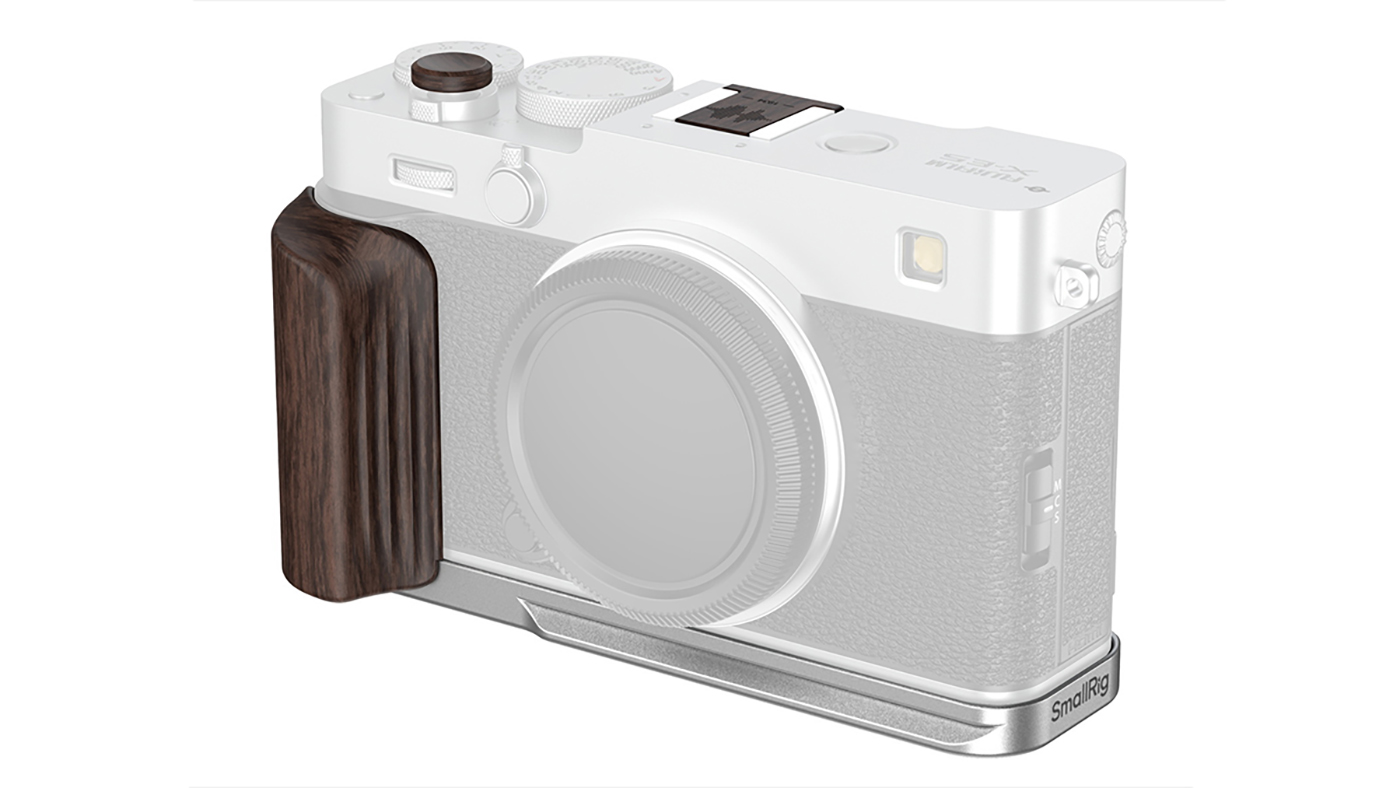
SmallRig has opted for a "luxury-meets-utility" approach with the choice of materials for the X-E5 mount plate. The handgrip is available in two distinct types of solid wood: ebony and rosewood. Ebony, known for its dense, dark, and fine-textured properties, provides a sophisticated and understated look. Rosewood, on the other hand, offers a warmer, more pronounced grain that shifts in color from deep reds to chocolate browns.
Beyond the visual appeal, the use of wood offers a tactile advantage over standard plastic or rubber grips. Wood possesses natural thermal properties, meaning it remains comfortable to the touch in both extreme cold and high heat, unlike metal components which can become uncomfortable in harsh weather conditions. SmallRig notes that because these handles are crafted from natural solid wood, each unit features unique grain patterns, making every accessory a one-of-a-kind piece for the owner.
To complete the aesthetic transformation, the package includes a matching wooden shutter button cap and a wooden hot shoe cover. These small additions harmonize the camera’s appearance, echoing the design language of classic film cameras while housing state-of-the-art digital internals. The metal baseplate options—matte black and polished silver—are color-matched to the Fujifilm X-E5’s two official colorways, ensuring that the accessory looks like a native extension of the camera body rather than an aftermarket addition.
Contextual Background: The Evolution of the Fujifilm X-E Series
To understand the significance of this release, one must look at the trajectory of the Fujifilm X-E series. Historically, the X-E line has been positioned as the "minimalist" rangefinder alternative to the more robust X-T series. While the X-E series has always been praised for its aesthetics and portability, a frequent criticism from users has been the lack of a substantial grip, which can make using larger, heavier XF-mount lenses difficult.
The Fujifilm X-E5, launched last year, significantly raised the stakes for the series by incorporating the 40.2 MP sensor found in the flagship X-H2 and X-T5 models. This increase in resolution and the inclusion of advanced video features like 6.2K recording at 29.97 fps and 4K DCI at 59.97 fps have attracted a more professional user base. These users often require more robust handling options to manage the camera’s capabilities. SmallRig’s intervention with a high-quality L-shaped plate serves this specific market need, allowing the X-E5 to perform in professional environments without losing its compact charm.
Chronology of Product Development
The development of the L-shaped mount plate for the X-E5 follows a timeline of iterative design by SmallRig.
- Initial Market Research: Following the launch of the X-E5, user feedback indicated a high demand for a grip that matched the camera’s premium machined aluminum top plate.
- Prototyping: SmallRig explored various materials, eventually settling on the ebony and rosewood options to align with the "retro-chic" trend currently dominating the enthusiast camera market.
- Refinement: Engineers focused on the weight-to-strength ratio, utilizing high-grade aluminum for the base to ensure durability while keeping the weight at a negligible 51g.
- Launch: The product was officially listed on the SmallRig global storefront in early 2024, with immediate availability for international shipping.
Industry Implications and Market Analysis
The release of the SmallRig mount plate highlights a growing trend in the photography industry: the "premiumization" of accessories. As camera bodies become more technologically advanced, users are increasingly looking for accessories that reflect the value of their hardware. The use of natural wood and precision-machined metals suggests that consumers are moving away from cheap, generic plastic parts in favor of items that offer both longevity and style.
From a competitive standpoint, SmallRig’s pricing strategy remains aggressive. At $47, the mount plate is positioned as an accessible luxury. While boutique manufacturers often charge upwards of $100 for similar wooden accessories, SmallRig’s manufacturing scale allows them to offer high-end materials at a fraction of the cost. This likely places pressure on other accessory manufacturers to innovate in their material choices and design integration.
Furthermore, the focus on the Arca-Swiss standard reflects the "hybrid" nature of modern photography. With the X-E5 capable of 240 fps slow-motion in HD, users are frequently switching between photography and video. A plate that facilitates rapid mounting is no longer a luxury but a necessity for the contemporary workflow.
Summary of Key Features
- Custom Fit: Designed exclusively for the Fujifilm X-E5.
- Material Options: Solid ebony or rosewood handles; matte black or silver aluminum baseplates.
- Integrated Mounting: Built-in Arca-Swiss quick-release plate and 1/4"-20 threaded hole.
- Ergonomics: Contoured wooden grip to reduce hand fatigue and improve stability.
- Access: Full access to battery, SD card, and all camera ports/controls.
- Accessories: Includes color-matched wooden shutter release button and hot shoe cover.
- Weight: Ultra-lightweight at 51g (1.8 oz).
- Price: $47.00 USD for all variants.
Final Analysis
SmallRig’s L-shaped mount plate for the Fujifilm X-E5 is more than a simple grip; it is a calculated response to the specific needs of the Fujifilm community. By combining the mechanical utility of an Arca-Swiss plate with the organic feel of solid wood, SmallRig has created a product that enhances the X-E5’s strengths while mitigating its physical limitations.
As the Fujifilm X-E5 continues to find its way into the hands of street photographers, travel vloggers, and professional hybrid shooters, accessories like this will play a vital role in how the camera is used in the field. The $47 investment represents a significant value proposition for those looking to protect their camera’s base, improve their shooting stability, and personalize their gear with a touch of classic craftsmanship. With this launch, SmallRig reinforces its reputation as a company that understands the intersection of technical performance and user experience.