Bitrig Introduces Advanced 3D Simulator and Development Support for the Anticipated iPhone Duo Following Apple Xcode 27.1 Beta Release

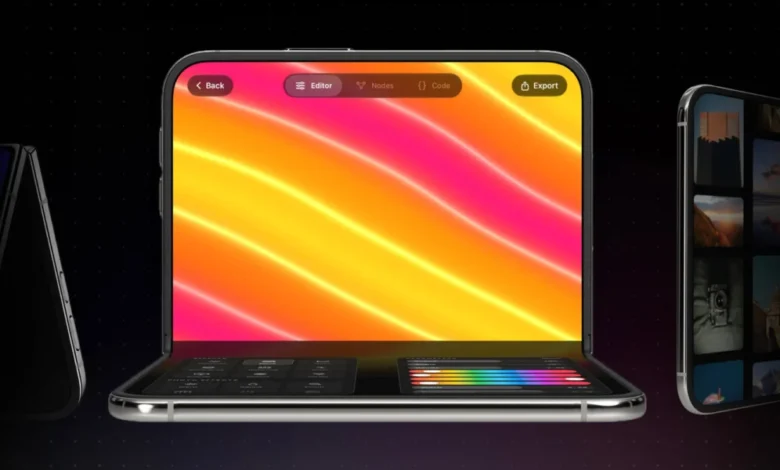
The landscape of mobile application development is experiencing a significant shift following Apple’s release of Xcode 27.1 beta 1. Capitalizing on this momentum, the AI-powered coding and development platform Bitrig has officially integrated comprehensive support for building, testing, and simulating applications tailored for the rumored and highly anticipated iPhone Duo form factor. This major update equips developers with a robust, interactive 3D simulator that fundamentally transforms how software engineers can visualize and interact with dual-screen or foldable mobile hardware long before physical devices reach the consumer market.
The integration arrives at a crucial juncture for the iOS development community. By bridging the gap between cutting-edge hardware predictions and practical coding tools, Bitrig aims to position itself at the forefront of the next evolution in smartphone design. Software creators can now seamlessly transition from concept to execution, utilizing advanced environment controls to test application behavior across dynamic display states.
Evolution of Bitrig: From Vibe-Coding to Professional Mac Toolchains
To understand the weight of Bitrig’s latest update, it is necessary to examine the platform’s rapid trajectory. Bitrig initially captured the attention of the tech industry when it launched as an accessible, streamlined "vibe-coding" application. The core premise was simple yet revolutionary for hobbyists: users could input plain text or voice prompts, and the application would autonomously translate those natural language instructions into native SwiftUI code. These applications could then be tested instantly within the primary Bitrig environment on an iPhone.
However, the platform quickly outgrew its initial positioning as a casual prototyping tool. Recognizing the rigorous demands of professional software engineers and enterprise developers, Bitrig expanded its architecture significantly. The company released a dedicated macOS application designed to interface directly with the full Xcode toolchain. This desktop expansion granted users access to an integrated iPhone simulator, sophisticated on-device testing protocols, and robust project export capabilities. Developers gained the ability to seamlessly transition their Bitrig-generated projects into standard Xcode workspaces, paving the way for streamlined distribution through TestFlight and the Apple App Store.
This foundational evolution laid the groundwork for Bitrig’s quick adoption of advanced hardware architectures. When Apple introduced tools to support emerging device categories, Bitrig was structurally prepared to incorporate those capabilities into its existing AI-assisted framework.
Chronology of the iPhone Duo Development Ecosystem
The timeline leading to the current state of iPhone Duo development highlights the rapid pace at which the developer ecosystem adapts to hardware speculation and official software hooks:
- October 2025: Bitrig launches its original vibe-coding interface, enabling text-to-SwiftUI generation directly on mobile devices.
- March 2026: Bitrig releases its dedicated macOS companion app, introducing full Xcode toolchain integration and professional-grade export features.
- Mid-September 2026: Apple officially distributes Xcode 27.1 beta 1, introducing foundational APIs and debugging frameworks specifically designed to support the iPhone Duo form factor.
- Late September 2026: Bitrig rolls out its comprehensive iPhone Duo update, featuring an interactive 3D hardware simulator and multi-version Xcode management capabilities.
This compressed chronology demonstrates how rapidly modern development platforms can deploy ecosystem support once foundational software development kits (SDKs) are made available by platform gatekeepers like Apple.

Inside the Interactive 3D iPhone Duo Simulator
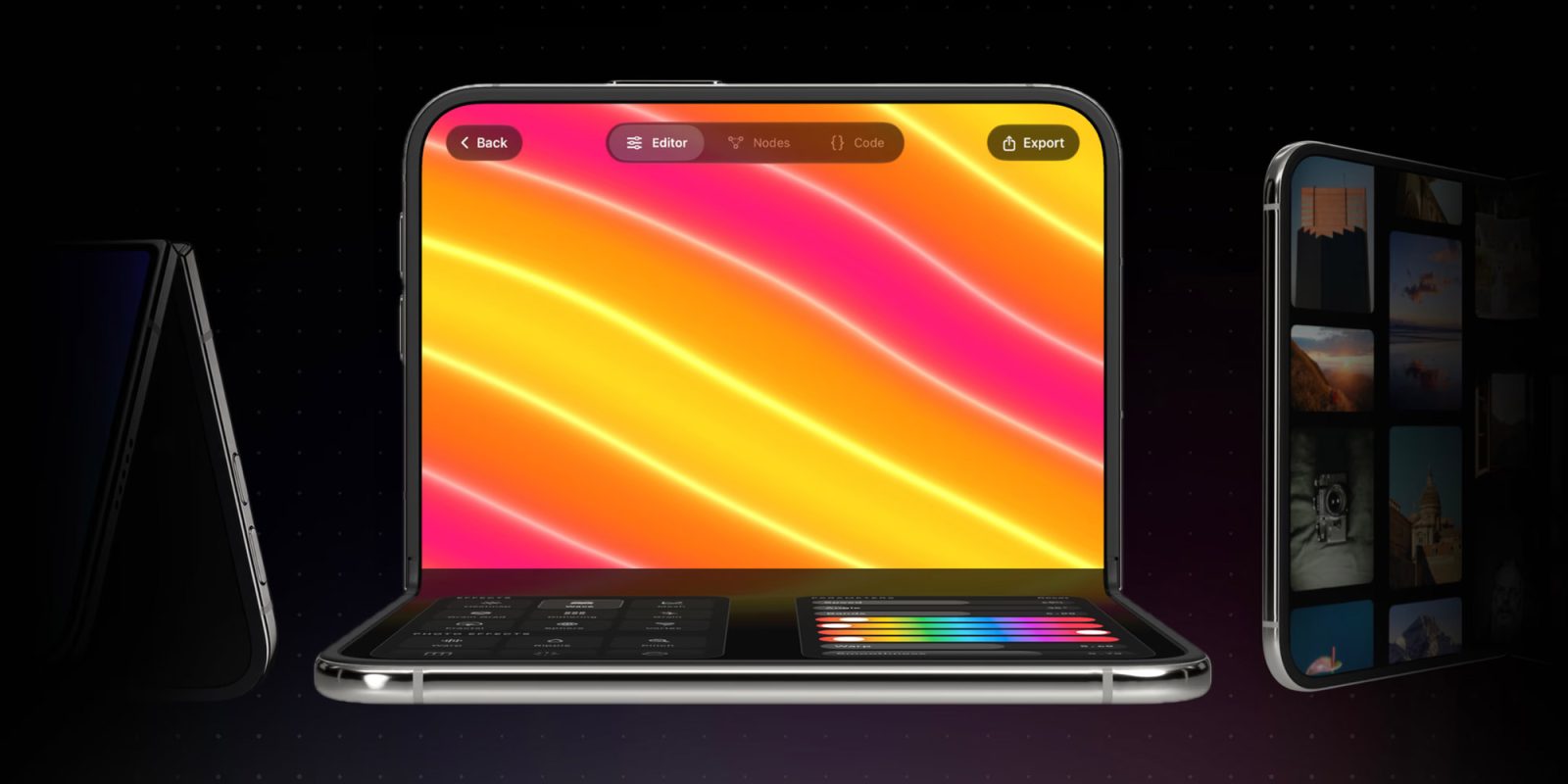
The standout feature of Bitrig’s latest release is its interactive 3D simulator. Unlike traditional, flat two-dimensional simulators that render applications on a static screen representation, Bitrig’s tool introduces spatial awareness and physical manipulation to the testing phase.
Developers can fold, tilt, rotate, and position the virtual iPhone Duo device in a three-dimensional space in real time. This capability is vital for applications designed to run on foldable or dual-screen devices, where user interfaces must dynamically adapt to changing physical geometries, hinge angles, and multi-pane display distributions. As a developer adjusts the fold angle of the virtual hardware, the application layout shifts accordingly, allowing for immediate visual and functional auditing of responsive SwiftUI components.
Kyle Macomber, Co-founder and CEO of Bitrig, emphasized the practical utility of the new environment during the rollout. According to Macomber, the platform has been engineered to alleviate common friction points associated with developing for unreleased or shifting hardware standards.
Furthermore, Bitrig has addressed a major logistical hurdle for developers working with pre-release software: version control of the development environment itself. Macomber noted that the platform incorporates sophisticated tooling to help engineers manage multiple concurrent versions of Xcode. This ensures that development teams can actively experiment with iPhone Duo preparation workflows using beta tools while simultaneously maintaining the stability required to build, patch, and release updates for current-generation devices using stable releases like Xcode 27.

Broader Implications for iOS Developers and UI/UX Design
The introduction of dedicated tools for the iPhone Duo signals a broader maturation in how the industry approaches novel device categories. Historically, developers often had to wait until physical hardware officially hit store shelves before seriously optimizing applications for new form factors, leading to an initial software drought for newly introduced designs.
By empowering developers with sophisticated simulation environments during the beta phase of operating system updates, platforms like Bitrig are helping to ensure that a robust ecosystem of optimized applications will be ready on day one. This proactive approach benefits both end-users, who gain immediate access to functional software tailored to new hardware capabilities, and developers, who can iron out UI/UX inconsistencies well in advance.
The shift toward spatial and flexible form factors also demands a reevaluation of traditional interface design principles. SwiftUI has long championed adaptive layouts, but dual-screen and foldable devices introduce complex state management requirements—such as continuous handoff between primary and secondary display panels, handling hinge occlusions, and optimizing touch targets for varying ergonomic postures. Bitrig’s 3D simulator provides a low-barrier, highly responsive environment to experiment with these complex state changes without requiring expensive preliminary hardware hardware investments.
As the tech industry continues to monitor developments surrounding Apple’s hardware roadmap, tools that bridge the gap between speculative designs and concrete software implementation will remain indispensable. With its latest update, Bitrig has firmly established its utility not just as an entry-level prototyping app, but as a serious, forward-looking companion for modern iOS development teams navigating the next frontier of mobile hardware design.
Related posts: