The Definitive Guide to the Best Social Media Tools for 2026: Scheduling, Analytics, AI, and Design

The digital marketing landscape is undergoing a massive structural shift as artificial intelligence, automation, and enterprise-grade data integration become foundational pillars for brand communication. Published in September 2026 by industry analyst and writer Sam Lauron, the latest comprehensive evaluation of social media software highlights 14 essential platforms designed to streamline operations across scheduling, analytics, social listening, content creation, and influencer management. As modern marketing teams navigate an increasingly fragmented digital ecosystem, the demand for cohesive operating systems that eliminate app fatigue has never been more critical.

According to recent data from Gartner, marketing leaders expect the AI-driven automation of marketing tasks to more than double, rising from 16% to 36% by 2028. This rapid acceleration has forced software developers to rethink how tools are structured. Rather than forcing users to toggle between dozens of standalone tabs, the industry standard in 2026 revolves around unified platforms where artificial intelligence, publishing schedules, customer engagement, and market intelligence live under a single roof. This evolution addresses a long-standing pain point for organizations: the administrative overhead and data silos caused by using disconnected point solutions.
Categorizing the Modern Social Media Tech Stack

To make sense of the expanding software marketplace, industry experts divide social media tools into five primary categories. Each serves a distinct function within a marketing organization, though enterprise setups frequently lean toward all-in-one ecosystems to maintain brand governance and workflow efficiency.
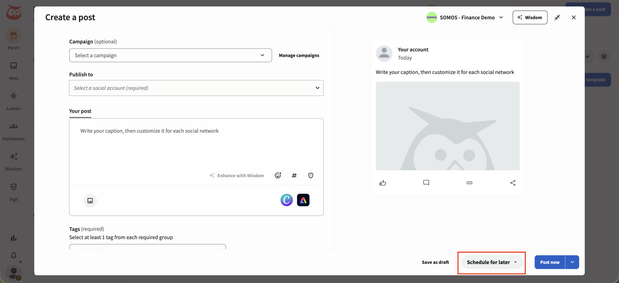
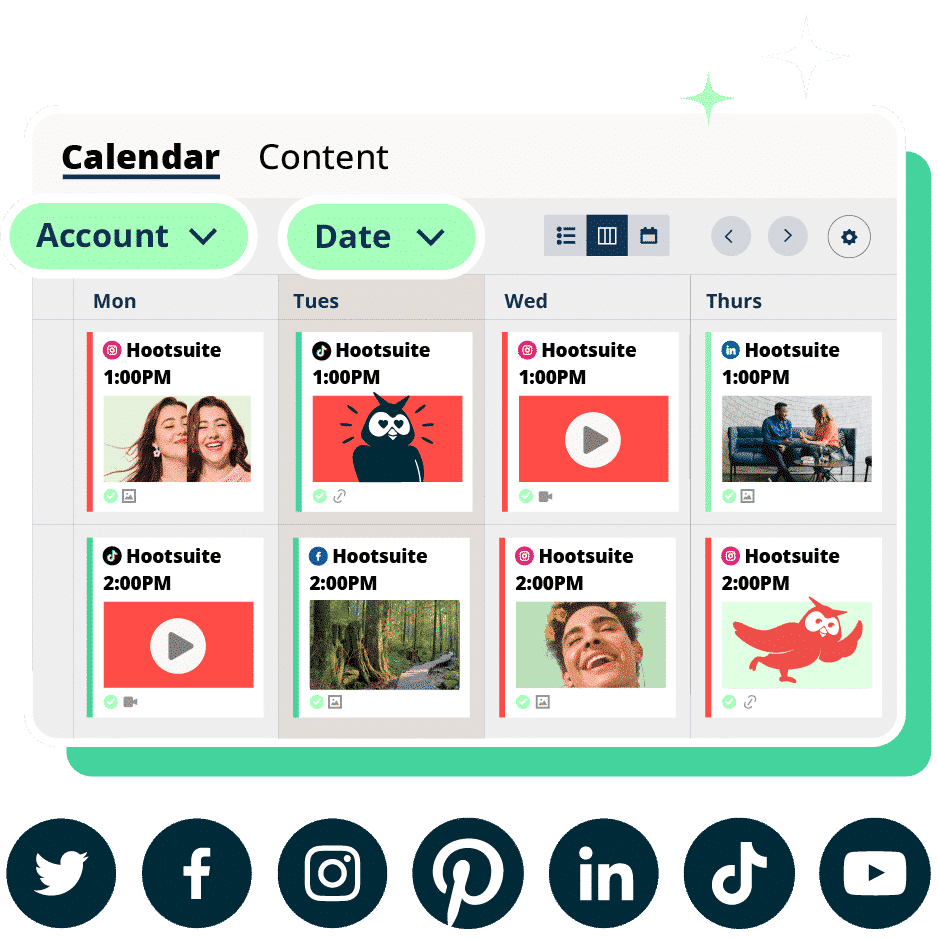
Social media management platforms serve as the central command center for most organizations. Tools such as Hootsuite Social OS and HubSpot combine scheduling, cross-channel publishing, analytics, and community engagement into a unified dashboard. These systems are especially vital for multi-brand enterprises, franchise models, and agencies managing dozens of accounts simultaneously.
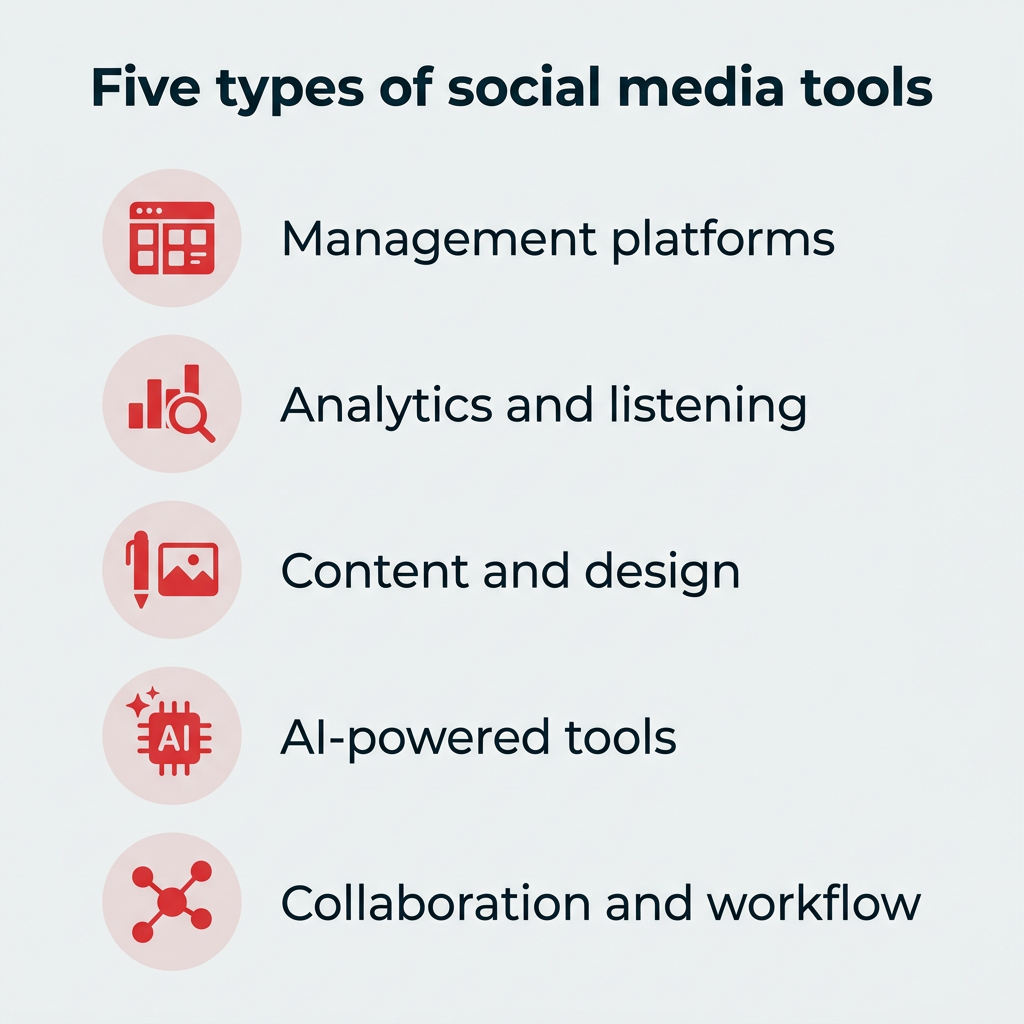
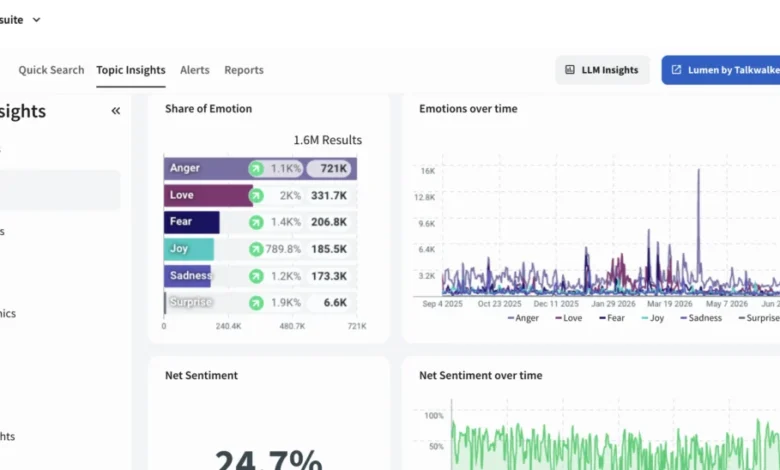
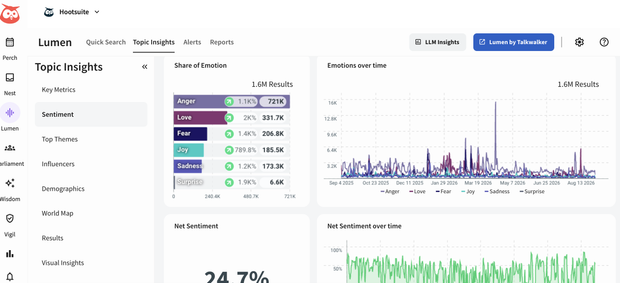
Analytics and listening tools have evolved far beyond basic vanity metrics like follower counts and post impressions. Platforms like NetBase Quid and Lumen leverage advanced natural language processing to monitor brand sentiment, track emerging consumer trends, and flag potential PR crises across more than 150 million online sources in multiple languages. By analyzing forums, reviews, news outlets, and social chatter, these tools provide actionable market intelligence that protects brand reputation.
Content creation and design applications have democratized visual marketing, enabling teams without dedicated graphic designers to produce professional assets rapidly. Platforms like Canva and Adobe Stock integrate directly with publishing suites, allowing creators to generate on-demand graphics, leverage AI-powered image editing, and access licensed stock assets without interrupting their workflow.
AI-powered assistants have firmly transitioned from experimental novelties to essential operational infrastructure. Whether embedded natively into management systems—such as Hootsuite’s Wisdom AI layer—or utilized as standalone utilities like Lately AI and ChatGPT, these tools assist with rapid caption generation, long-form content repurposing, and data-backed trend analysis.
Finally, collaboration and workflow utilities like Monday.com, Airtable, and Notion provide the underlying project management architecture necessary to coordinate complex editorial calendars, multi-tiered approval workflows, and cross-departmental campaign strategies.
Evaluating the Leading Platforms of 2026
The 2026 software market offers a diverse array of solutions tailored to specific organizational sizes and strategic objectives.
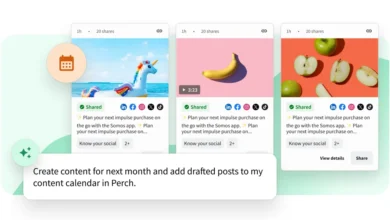
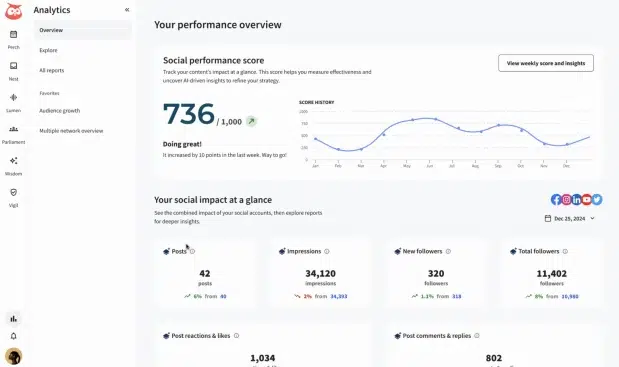
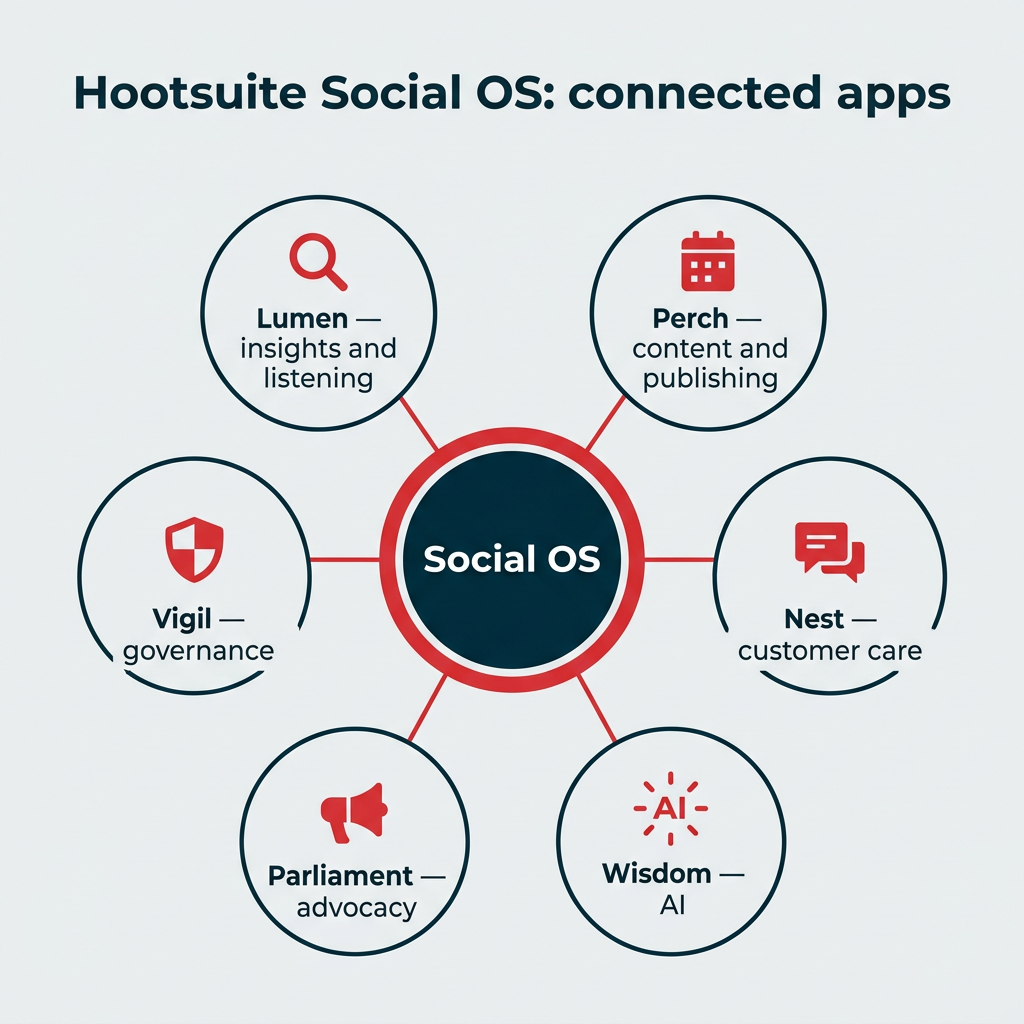
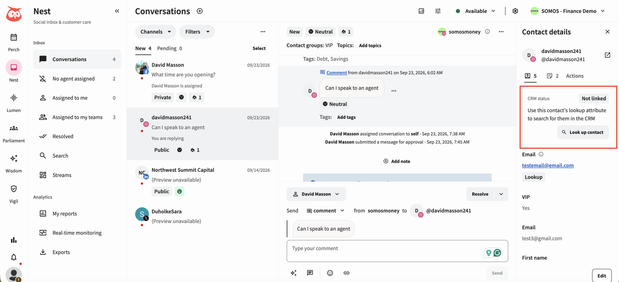
Hootsuite Social OS remains a dominant force for enterprise-level deployment, retailing around $99 per user per month for standard tiers. By unifying specialized applications—such as Perch for publishing, Lumen for listening, Nest for customer care, and Wisdom for AI-driven insights—the platform allows large teams to manage complex digital footprints without data fragmentation. Its deep integration capabilities with customer relationship management (CRM) systems and enterprise resource planning software ensure that social data flows seamlessly across departments.
For organizations deeply embedded in B2B sales cycles, HubSpot bridges the gap between marketing initiatives and revenue pipelines. By mapping social media interactions directly to CRM contact records, HubSpot enables sales representatives to view a prospect’s complete engagement history—from an initial LinkedIn comment to a form submission—on a single timeline. Paid marketing tiers start at nominal monthly seat rates when billed annually, making it an attractive option for inbound-focused enterprises.
In the realm of market intelligence, NetBase Quid offers robust consumer sentiment tracking and crisis management capabilities, though its custom, quote-based pricing typically positions it within the enterprise tier. Meanwhile, local and brick-and-mortar businesses continue to leverage free tools like Google Business Profile to manage customer reviews, publish hyper-local updates, and monitor basic reputation metrics without incurring software overhead.
The Rise of Embedded Artificial Intelligence
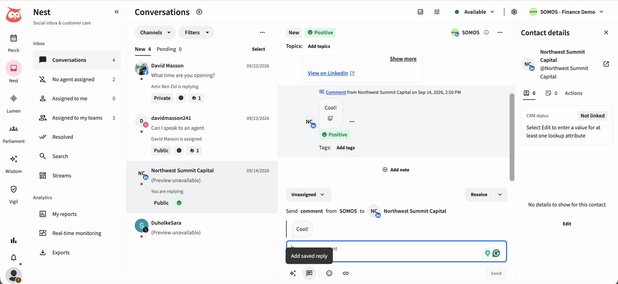
The integration of artificial intelligence into everyday marketing workflows has matured significantly. Rather than acting as isolated chatbots that require manual prompt engineering and copy-pasting, modern AI tools are context-aware and deeply connected to live operational data.
Hootsuite’s Wisdom AI exemplifies this shift. Operating directly within the Social OS, Wisdom allows marketers to query their performance data using plain language. If engagement drops unexpectedly during a specific week, users can ask the system to analyze the root cause. The AI evaluates live metrics and generates an explanatory report backed by verifiable citations linking directly to the underlying posts and audience reactions.
Similarly, platforms like Lately AI automate the repurposing of heavy content assets—such as webinars, whitepapers, and corporate podcasts—transforming long-form material into dozens of optimized micro-posts tailored for various social networks. This capability drastically reduces the manual labor required to maintain an active, multi-channel publishing cadence.
Managing the Creator and Influencer Economy
With U.S. influencer marketing spending surpassing $10 billion, the coordination of creator partnerships has become a core competency for modern brands. Furthermore, shifting consumer preferences toward authenticity have propelled micro- and nano-influencers to command nearly half of all influencer marketing budgets.
To manage this complex web of creator relationships, platforms like Upfluence and Insense provide end-to-end solutions. Upfluence enables brands to search across six major social networks to discover, vet, and manage creators whose audience demographics align with specific campaign goals. Insense specializes in user-generated content (UGC) and direct-to-consumer ecommerce campaigns, offering streamlined creative briefs and automated content approval workflows tailored for fast-paced advertising on platforms like TikTok and Instagram.
The Strategic Balance: Free Versus Paid Solutions
While solo entrepreneurs and small businesses can successfully operate using a patchwork of free tools—such as Canva for design, Unsplash for stock imagery, and native platform schedulers—growing organizations inevitably face the limitations of unintegrated software.

Free tiers excel at solving isolated tactical problems, but they lack the governance, security, and administrative controls required by scaling enterprises. Compliance mandates, role-based permissions, multi-brand approval chains, and auditable data trails are strictly domain features of paid platforms. When a marketing team spends more manual hours exporting, formatting, and transferring data between free tools than executing actual strategy, the operational threshold for migrating to an all-in-one paid ecosystem has officially been crossed.
Implications for the Future of Digital Marketing

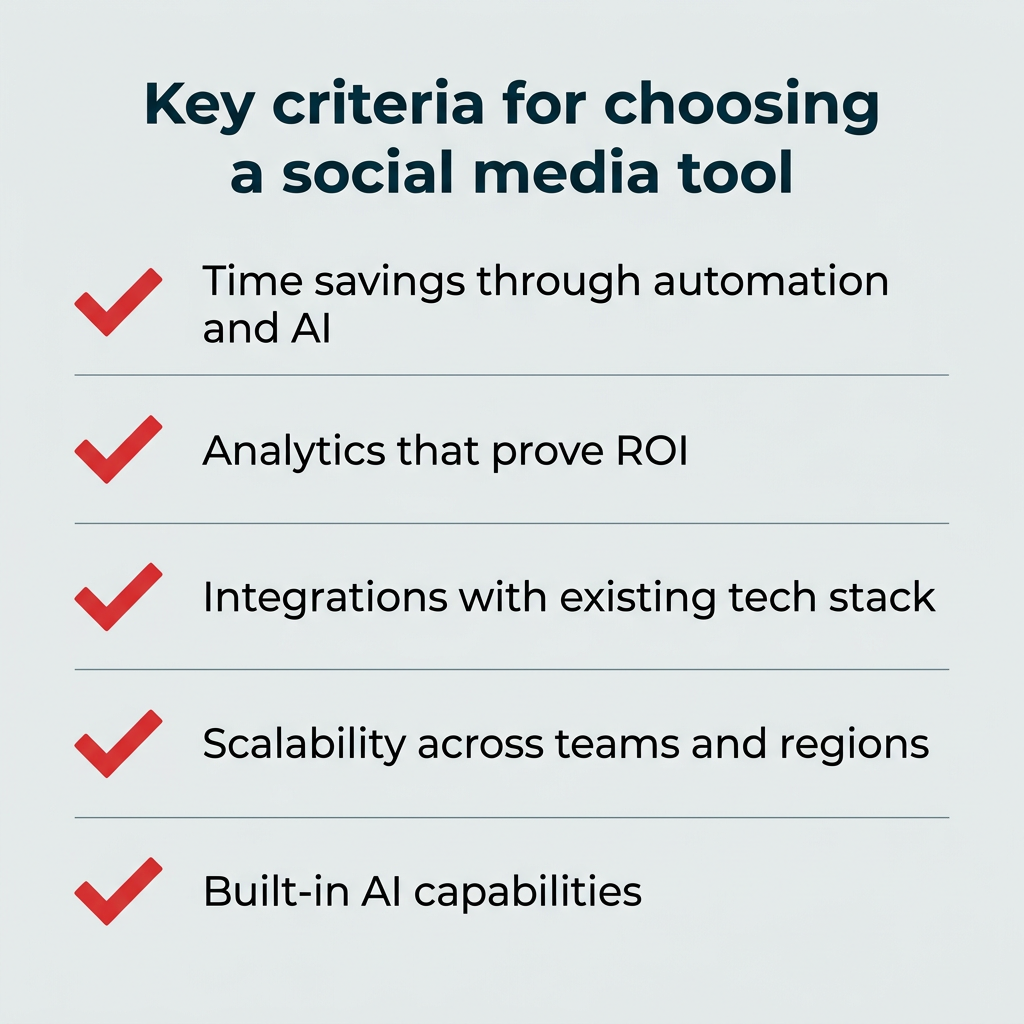
As organizations finalize their technology stacks for the remainder of the decade, the emphasis is heavily on consolidation, accountability, and demonstrable return on investment. The proliferation of connected operating systems ensures that social media is no longer viewed as an isolated marketing silo, but rather as an integrated data source that directly influences customer service, sales pipelines, brand reputation, and executive decision-making.
Choosing the right combination of tools ultimately depends on an organization’s specific structural complexity, channel volume, and regulatory environment. By prioritizing platforms that offer robust integrations, governed AI capabilities, and scalable workflow automation, marketing leaders can future-proof their operations against the ever-accelerating pace of digital transformation.