Meta Launches Dedicated ‘Seller’ App to Bolster Facebook Marketplace as a Dominant E-commerce Platform

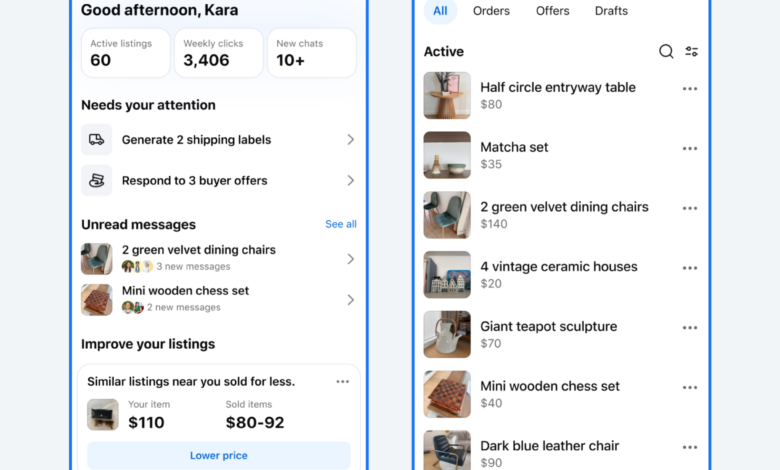
Facebook, once perceived by some social media users as a relic from an earlier online epoch, has successfully reinvented critical aspects of its platform, notably transforming Facebook Marketplace into a formidable rival to legacy classifieds services like Craigslist. Recognizing the burgeoning ecosystem and the integral role of its dedicated sellers, Meta, the parent company, has officially released a standalone application designed to empower these "power users" and further solidify Marketplace’s position in the peer-to-peer commerce landscape. The new app, aptly named "Seller," was launched on Friday, July 26, 2026, offering a suite of specialized tools tailored to streamline the listing, management, and analytical needs of individuals and small businesses leveraging Facebook for sales.
This strategic move underscores Meta’s evolving approach to platform development, focusing on disaggregating highly utilized features into dedicated applications to enhance user experience for specific, highly engaged segments. The Seller app is entirely free for users, maintaining Meta’s existing monetization model for Facebook Marketplace through advertising revenue rather than commissions on sales. This approach significantly lowers the barrier to entry for sellers, a key differentiator in a competitive e-commerce market. Users can download the application and seamlessly log in using their existing Facebook credentials, integrating their established Marketplace presence with the new, specialized environment.
The Evolution of Facebook Marketplace: From Niche Feature to E-commerce Powerhouse
To understand the significance of the Seller app, it is crucial to trace the trajectory of Facebook Marketplace itself. Launched in October 2016, Facebook Marketplace was initially introduced as a simple feature within the main Facebook app, designed to facilitate local buying and selling. It emerged as a direct response to the informal buying and selling groups that had organically sprung up on the platform, replicating the functionality of digital classifieds. At the time, platforms like Craigslist, while still widely used, were grappling with issues of spam, scams, outdated interfaces, and a general lack of sophisticated features, creating a vacuum in the peer-to-peer commerce space.
Facebook Marketplace quickly capitalized on this void. Its inherent advantages were manifold: a massive existing user base, integrated messaging capabilities (via Messenger), and the social graph that, at least theoretically, fostered a greater sense of trust through visible profiles and mutual connections. This integration allowed users to quickly list items, browse local offerings, and communicate with potential buyers or sellers without leaving the Facebook ecosystem. Over the years, it evolved from a basic listing service to a more robust platform, incorporating features like shipping options, expanded categories, and enhanced search filters. The informal nature, combined with the convenience of an already ubiquitous app, allowed it to grow rapidly, particularly among individuals seeking to declutter, find local bargains, or establish small-scale entrepreneurial ventures.
The comparison to "the modern-day Craigslist" is particularly apt because Marketplace addressed many of the shortcomings that led to Craigslist’s decline in prominence for everyday transactions. While Craigslist remained functional, its user experience stagnated, and the lack of integrated security features made it susceptible to various illicit activities. Facebook Marketplace, by contrast, offered a more visually appealing interface, integrated communication, and the subtle layer of accountability that comes with using a social profile, even if imperfect. This shift positioned Facebook not just as a social networking site but as a significant player in the local and national e-commerce landscape, processing millions of transactions and fostering a vibrant community of buyers and sellers.
Comprehensive Features of the New Seller Application
The Seller app represents a significant leap forward in Meta’s commitment to its Marketplace community, particularly for those who rely on the platform for regular income or substantial selling activity. The application is designed to centralize and optimize every aspect of a seller’s operations, moving beyond the basic functionalities available within the main Facebook app.
Key features include:
- Streamlined Listing Creation: Sellers can efficiently post new items for sale, with an intuitive interface guiding them through the process of adding descriptions, setting prices, and uploading multiple high-quality images.
- Centralized Listing Management: A dedicated dashboard provides a comprehensive overview of all current listings, allowing sellers to easily edit details, mark items as sold, renew expired listings, or remove items that are no longer available. This contrasts sharply with the often-cumbersome process of managing listings through the main Facebook app, where Marketplace functionalities are embedded within a broader social feed.
- Integrated In-App Inbox: Communication is critical in peer-to-peer commerce. The Seller app features a dedicated inbox specifically for buyer inquiries, centralizing all messages related to listings. This prevents sellers from sifting through their personal Messenger conversations, ensuring prompt responses and improved customer service, which is vital for building a positive seller reputation.
- Performance Analytics: For the first time, sellers will have access to detailed analytics for all their past and present listings. This includes metrics such as views, inquiries received, click-through rates, and potentially even sales conversion trends. Such data empowers sellers to make informed decisions about pricing strategies, inventory management, and identifying popular product categories, thereby optimizing their selling performance.
- AI-Powered Product Scanning: A groundbreaking feature introduced with the Seller app is the ability to scan products using a smartphone camera, leveraging artificial intelligence to automatically populate listing details. This innovation, utilizing computer vision and natural language processing, can significantly reduce the time and effort required to create a new listing. By recognizing items, the AI can pre-fill categories, suggest descriptions, and even recommend appropriate pricing ranges, making the listing process faster, more accurate, and more accessible for sellers, especially those with high volumes of inventory.
Meta’s Strategic Focus on "Power Users"
The launch of the Seller app is not an isolated event but rather a clear manifestation of Meta’s broader strategic pivot towards supporting and empowering its "power users." As Tom Allison, head of Facebook, articulated in an interview with The New York Times, the Seller app is envisioned as the Marketplace seller’s equivalent of a sophisticated video editing tool for content creators. This analogy highlights Meta’s understanding that highly engaged users—whether they are professional sellers, community administrators, or content creators—require specialized, robust tools to maximize their efficiency and productivity on the platform.

This strategy is particularly pertinent as Facebook navigates a dynamic social media landscape where attention is increasingly fragmented across competing platforms like TikTok, YouTube, and Meta’s own Instagram. By focusing on niche, yet highly engaged, user segments, Meta aims to deepen loyalty, enhance retention, and unlock new avenues for growth and monetization. The company recognizes that these power users are the lifeblood of specific platform features, driving content, commerce, and community.
A precedent for this strategy was set in May 2026 with the launch of "Forum," a standalone application specifically designed for administrators of Facebook Groups. Facebook Groups, much like Marketplace, have evolved into vibrant, self-sustaining communities that require dedicated management tools beyond what the main Facebook app offers. By providing these administrators with enhanced controls, analytics, and communication features, Meta aims to foster healthier, more active groups, which in turn drive overall platform engagement. The pattern is clear: identify highly engaged user segments within Facebook’s core offerings, understand their specific needs, and develop specialized, often standalone, applications to meet those needs more effectively. This "unbundling" strategy allows Meta to offer richer, more focused experiences without cluttering the main Facebook application, which increasingly serves as a broader discovery and connection hub.
Market Impact and Supporting Data
The decision to invest heavily in the Marketplace seller experience is backed by compelling usage data that underscores the platform’s significant reach and economic impact. Meta reports that one-third of young adults who use Facebook also actively engage with Marketplace. This demographic insight is particularly crucial for Facebook, which has historically faced challenges in retaining younger users amidst fierce competition. Marketplace serves as a powerful draw, offering practical utility that transcends purely social interactions.
Furthermore, the sheer volume of activity on the platform is staggering: every month, more than 420 million items are listed on Facebook Marketplace. This figure highlights the platform’s immense scale and its critical role in facilitating a vast array of transactions, from second-hand goods and collectibles to vehicles and even real estate. The cumulative Gross Merchandise Value (GMV) transacted through Marketplace, while not explicitly disclosed by Meta, is undoubtedly substantial, contributing significantly to local economies and providing income opportunities for millions of individuals and small businesses globally.
The free-to-use model, with Meta monetizing through advertising, creates a highly accessible marketplace. This low barrier to entry empowers individuals to start side hustles, helps small businesses reach local customers without incurring listing fees or commissions, and fosters a circular economy by making it easier for people to buy and sell used goods. The Seller app is expected to amplify these benefits by making the selling process even more efficient and data-driven, potentially attracting even more sellers and increasing the volume and quality of listings.
Broader Implications for E-commerce and Meta’s Future
The launch of the Seller app carries significant implications for both the broader e-commerce landscape and Meta’s long-term strategic direction.
For E-commerce:
- Increased Competition: By empowering its sellers with advanced tools, Meta further entrenches Facebook Marketplace as a serious contender against established e-commerce platforms like eBay, Etsy, and even Amazon (for certain categories). Its distinct advantage remains the integration with a vast social network and a strong local focus.
- Democratization of Selling: The AI-powered listing tools and comprehensive management dashboard lower the technical barriers to entry for aspiring entrepreneurs and small businesses, making it easier for individuals to participate in online commerce. This could foster a new wave of micro-entrepreneurship.
- Enhanced User Experience: A more professional and efficient seller base will inevitably lead to a better buying experience, with more accurate listings, faster responses, and potentially higher quality products, further driving user adoption.
For Meta’s Future:
- Reinforcing Core Products: This move demonstrates Meta’s commitment to continually investing in and enhancing its existing core platforms, rather than solely focusing on futuristic ventures like the metaverse. By strengthening Marketplace and Groups, Meta ensures the enduring relevance and utility of Facebook.
- Diversified Revenue Streams (Indirectly): While the app itself is free, a more robust and active Marketplace drives higher user engagement, which in turn leads to increased advertising opportunities and revenue for Meta. It solidifies the ad-supported model as viable for a major e-commerce component.
- "Unbundling" Strategy: The Seller and Forum apps are strong indicators of a growing "unbundling" strategy, where specialized functionalities are extracted into standalone applications. This could pave the way for other dedicated apps for features like Facebook Events, Facebook Watch, or even specific gaming communities, allowing the main Facebook app to remain lean while catering to diverse power user needs. This strategy mirrors approaches seen with other tech giants, offering focused experiences while maintaining ecosystem cohesion.
- Data and AI Leadership: The integration of AI for listing creation highlights Meta’s ongoing commitment to leveraging advanced technologies to enhance user experience and operational efficiency across its platforms. This positions Meta as an innovator in practical AI applications for everyday commerce.
In conclusion, the launch of the Facebook Seller app is a pivotal moment for Meta’s e-commerce ambitions and its broader strategy of empowering highly engaged users. By providing sophisticated, free tools to its Marketplace sellers, Meta is not only enhancing the efficiency of millions of transactions but also strategically reinforcing Facebook’s position as a dynamic, evolving platform capable of meeting modern demands beyond traditional social networking. This initiative signals a clear future where specialized applications cater to specific user communities, ensuring Facebook’s continued relevance and growth in an increasingly competitive digital landscape.