Social media has profoundly reshaped the landscape of public administration, offering governments a direct conduit to communicate with citizens, foster trust, and respond to critical events in real time, while simultaneously introducing complex challenges in transparency, security, and public scrutiny. This digital transformation has moved government communication from traditional, often one-way broadcasts to dynamic, interactive dialogues, fundamentally altering the relationship between the state and its constituents.

The Evolution of Digital Governance: From Bulletin Boards to Bilateral Dialogues
For decades, government communication relied primarily on traditional media—newspapers, radio, and television—supplemented by official press conferences and public notices. The advent of the internet brought static websites, offering repositories of information, but true two-way communication remained limited. The rise of social media platforms in the early 21st century, however, marked a paradigm shift. Initially approached with caution, government agencies gradually recognized the immense potential of platforms like Facebook, X (formerly Twitter), and YouTube to disseminate information rapidly, engage diverse demographics, and even mobilize communities. This evolution has transformed civic engagement, pushing governments to become more accessible and responsive in an increasingly digital world.

Key Benefits: Bridging the Gap Between Government and Citizenry
The strategic deployment of social media offers several compelling advantages for governmental bodies:
-
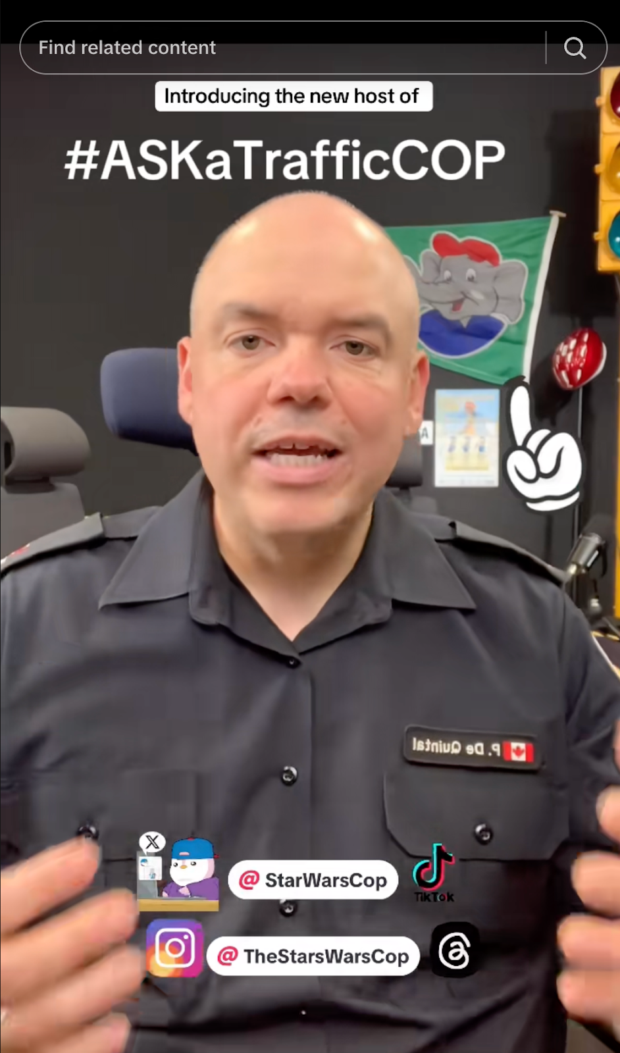
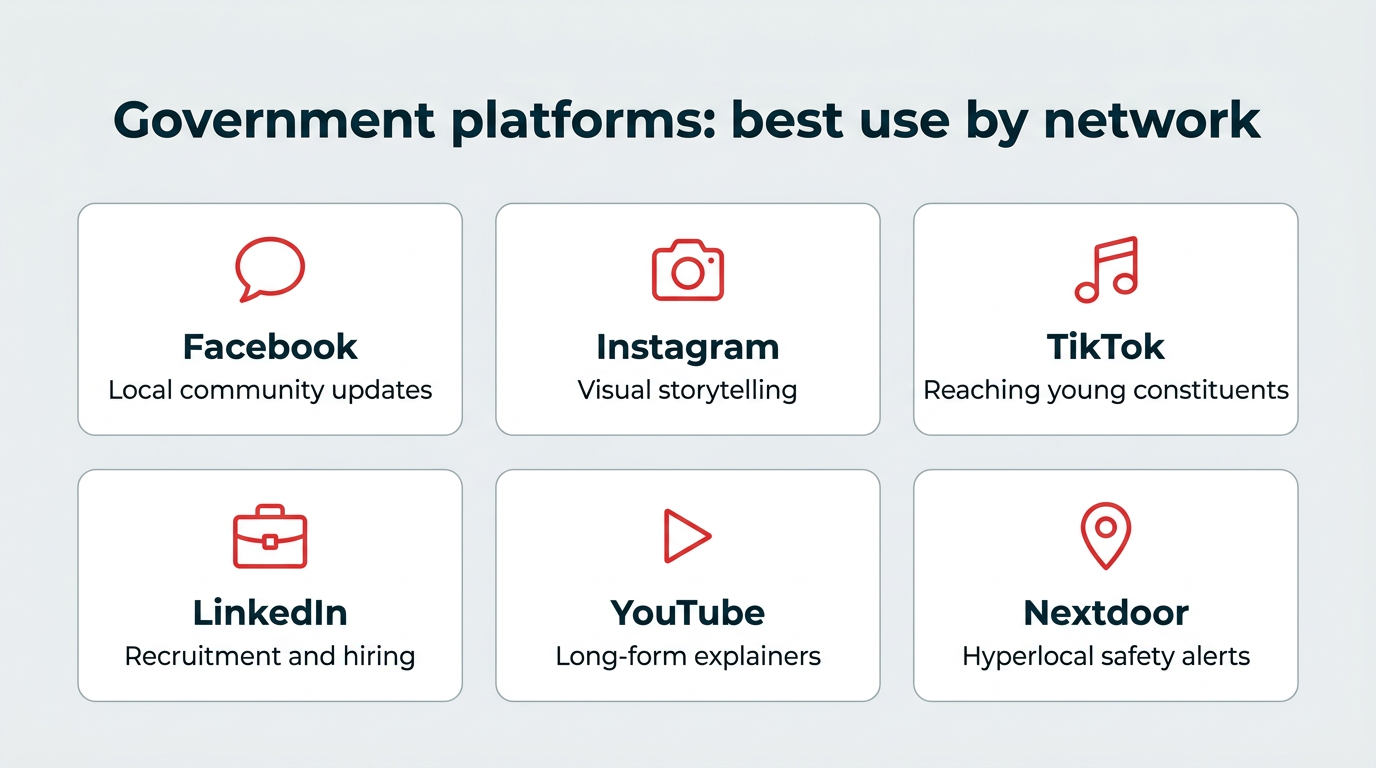
Direct Engagement and Information Dissemination: Social media platforms are now critical channels for keeping the public informed about vital issues, policies, and local events. With over half of U.S. adults sourcing news from social media, as reported by the Pew Research Center, platforms like TikTok, X, and Facebook enable governments to connect with citizens where they are already active. Initiatives such as the Toronto Police Traffic Unit’s "Ask Me Anything" (AMA) sessions on TikTok exemplify this, allowing direct interaction with a representative who fields a wide array of public inquiries, from traffic laws to local concerns. Moreover, hyperlocal platforms like Nextdoor are increasingly utilized by local governments to organize virtual town halls, educate residents on safety, and engage community groups, fostering a sense of localized civic participation.
-
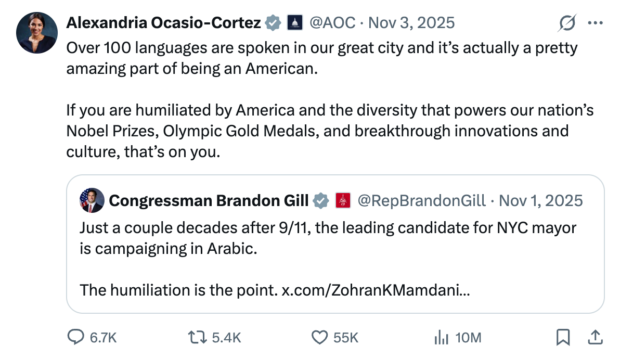
Building Trust and Authenticity: Public trust in government remains a significant concern, with a Pew Research study revealing that only 17% of Americans believe the government consistently acts in the public’s best interest. Social media provides an avenue for government officials to cultivate personal brands rooted in authenticity and transparency, thereby humanizing the political process. U.S. Representative Alexandria Ocasio-Cortez (AOC) is a prominent example, using X to communicate directly with constituents in her own voice, eschewing overly polished press releases. Her social media presence has seen her follower count on X surge from under 500,000 in 2018 to over 12 million by 2026, and she was the first to reach 1 million followers on Bluesky, underscoring the power of genuine online engagement in building public rapport.
-
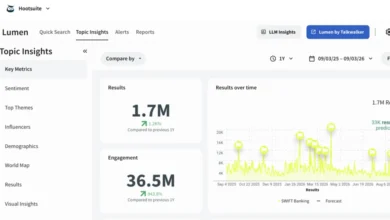
Crisis Communication and Misinformation Combat: During crises, social media becomes a primary source of information and a crucial tool for managing public fear and providing breaking updates. Governments are expected to act as reliable sources of truth in these moments. The COVID-19 pandemic highlighted this imperative, with approximately 47% of surveyed U.S. adults encountering "made-up" news about the crisis, a challenge now exacerbated by AI-generated content. To counteract this, agencies are investing in social listening tools like Lumen, which monitor online conversations to identify false narratives early and enable timely, accurate responses from official channels. This proactive approach helps to set the record straight and maintain public confidence amidst a deluge of information.
-
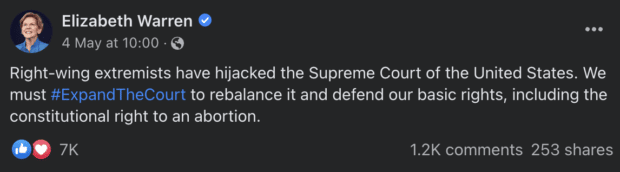
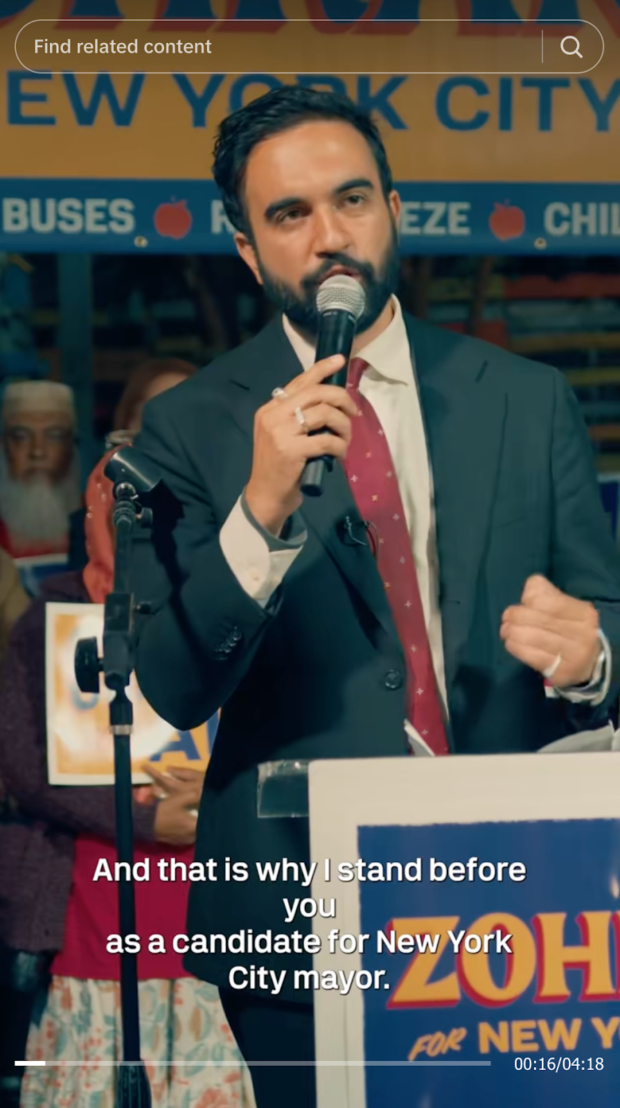
Campaigning and Political Mobilization: Social media has become an indispensable tool for launching political campaigns and garnering public support. It functions as a virtual town hall, allowing politicians to introduce initiatives, test messaging with immediate feedback, and align themselves with key issues. Elizabeth Warren’s use of social media to articulate her stance on the U.S. Roe v. Wade decision, and Zohran Mamdani’s TikTok-first mayoral campaign in New York City, which successfully mobilized young voters, demonstrate its efficacy in translating online attention into real-world political momentum.
-
Cost-Effectiveness and Measurable Impact: Compared to traditional advertising channels like TV ads and newspaper placements, social media offers political campaigns a low-cost, highly measurable way to build awareness and engage voters. The 2024 U.S. election cycle saw political advertisers spend over $1.3 billion on digital advertising across Google and Meta alone, reflecting the significant shift towards online outreach. The digital nature of these campaigns allows for comprehensive tracking of spending, evaluation of results, and precise understanding of which strategies yield the strongest return on investment.
Navigating the Minefield: Challenges and Risks
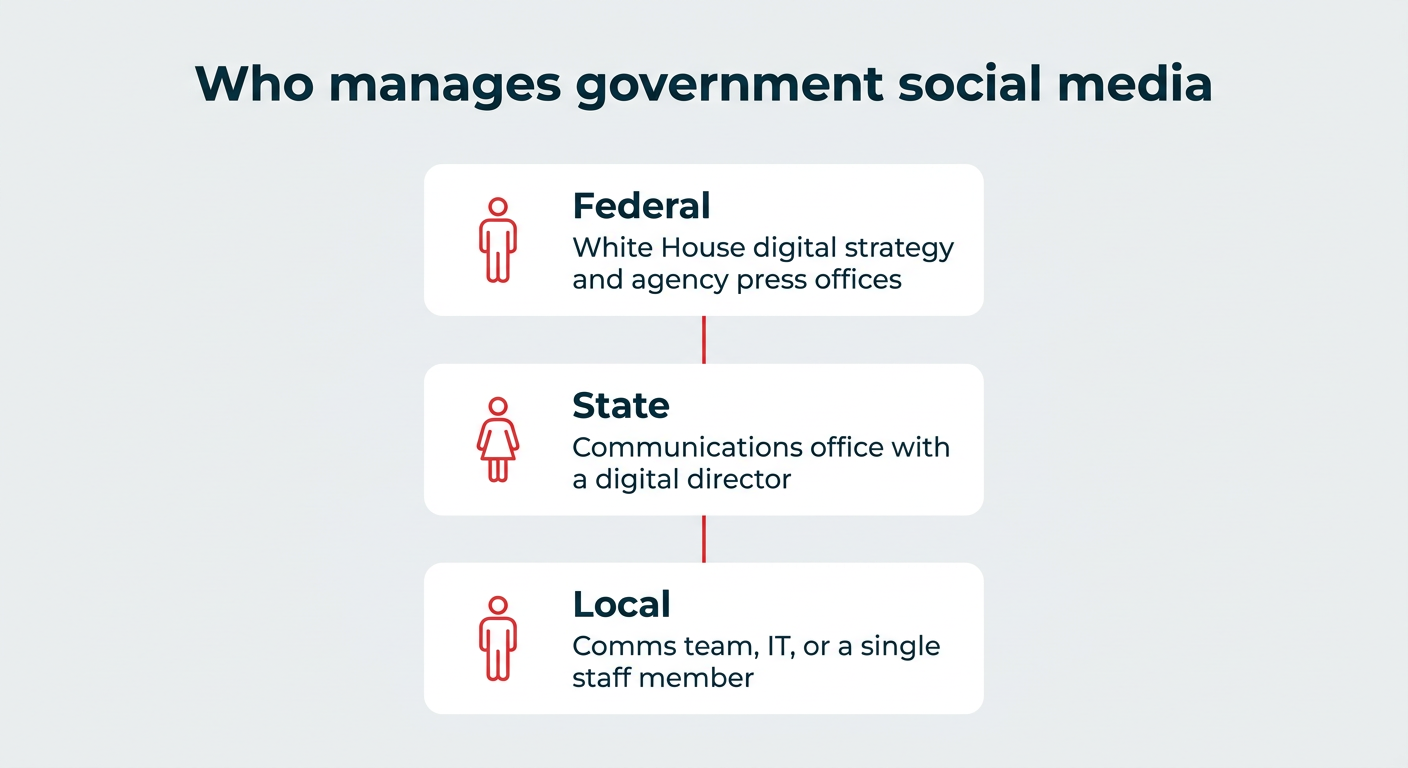
Despite its benefits, government use of social media is fraught with potential pitfalls:
-
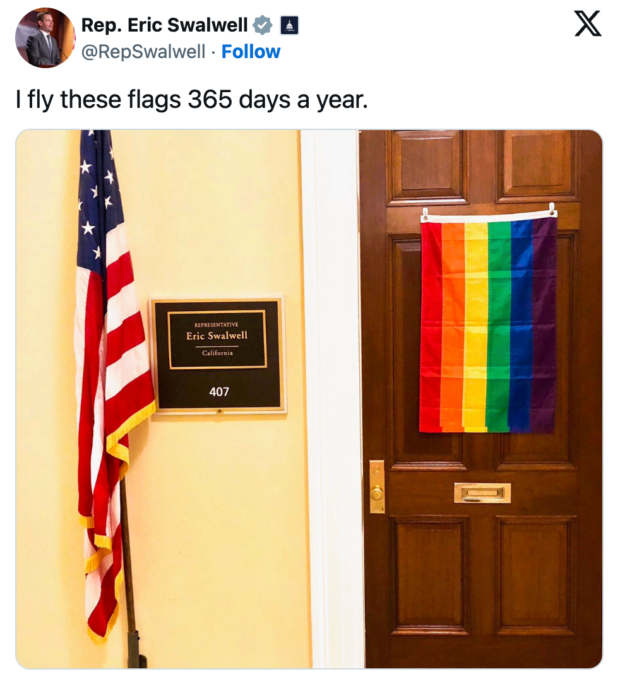
Messaging Pitfalls and Public Scrutiny: Even well-intentioned government messages can backfire if not carefully vetted. The 2014 "Don’t Jerk and Drive" campaign in South Dakota, intended to warn against unsafe driving on black ice, quickly succumbed to its unintended double meaning, leading to its withdrawal. Similarly, public figures face intense scrutiny; Congressman Eric Swalwell’s tweet of a Pride flag with the caption, "I fly these flags 365 days a year," drew swift public criticism when visible creases on the flag suggested it had just been unpacked. These instances underscore the unforgiving nature of online audiences and the need for meticulous messaging review and proactive reputation monitoring.
-
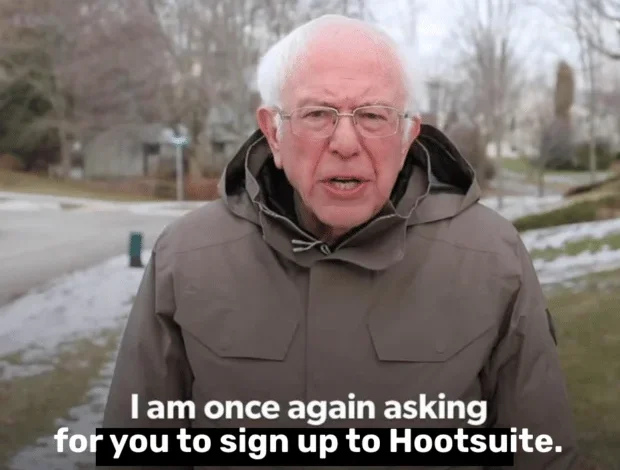
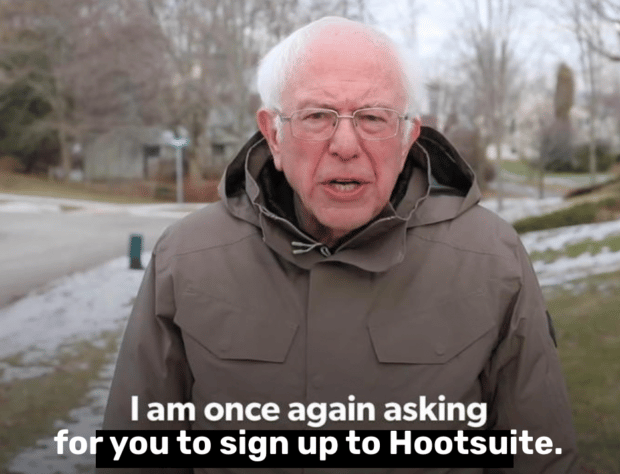
Loss of Control and Viral Moments: Content shared by public figures online is easily remixed, repurposed, and spread beyond its original context, often turning into memes. While many political memes are lighthearted, such as the widely circulated Bernie Sanders image from the 2021 presidential inauguration, this viral potential means governments must assume that any posted content can be reinterpreted or used in unforeseen ways, necessitating caution and preparedness.
-
Strategic Silence: When Not to Engage: Not every political or sensitive situation benefits from public social media attention. In some cases, restraint is a deliberate strategic choice. The initial lack of public fanfare on social media surrounding WNBA star Brittney Griner’s detention in Russia in February 2022 was a conscious decision. Given heightened geopolitical tensions, there was concern that public pressure could elevate her case into a bargaining chip, particularly due to her high profile as a Black, openly lesbian athlete. This example illustrates that social media, while powerful, is not always the appropriate channel for sensitive diplomatic or legal matters.
Legal Landscape: First Amendment and Public Forums
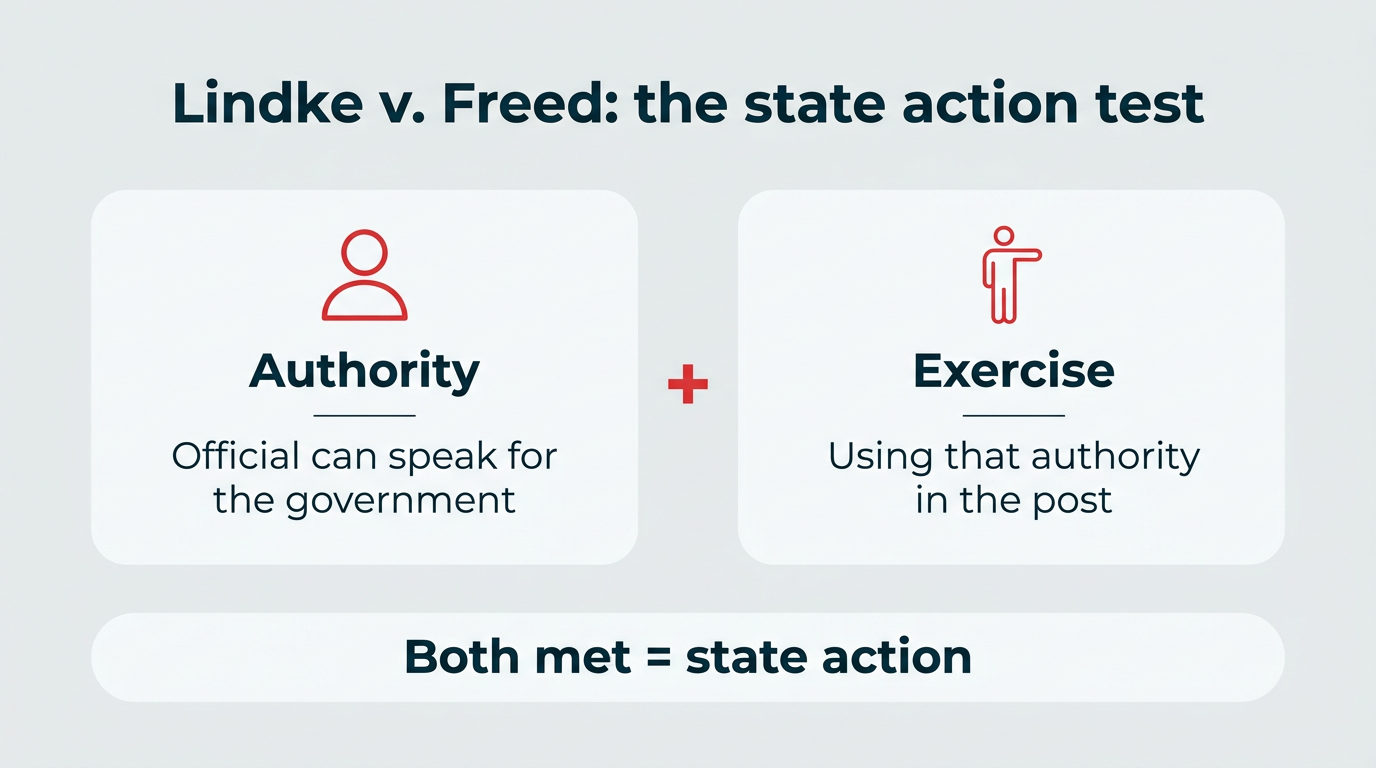
A critical legal development for government social media occurred in 2024 when the U.S. Supreme Court ruled in Lindke v. Freed. This landmark decision clarified when a public official’s social media activity constitutes "state action," which is crucial for determining if blocking users violates First Amendment protections. The Court established a two-part test: the official must (1) possess the actual authority to speak for the government, and (2) be exercising that authority in the specific posts at issue.
This ruling has significant implications: when an official uses an account to conduct government business, it can function as a public forum, making it unconstitutional to delete critical comments or block constituents. For government social media managers, this necessitates clear distinctions between personal and official accounts, the development of robust moderation policies, and seeking legal counsel when in doubt before removing content or blocking users.
Best Practices for Effective Digital Engagement
To navigate this complex environment effectively, government agencies must adhere to a set of best practices:
-
Strategic Planning and Audience Identification: Understanding where constituents spend time online is paramount. Zohran Mamdani’s successful 2025 New York City mayoral campaign, which leaned heavily into TikTok to reach younger voters (43% of adults under 30 regularly get news from TikTok, per Pew Research), demonstrates the efficacy of platform-native strategies.
-
Content Relevance and Accessibility: Building trust requires consistently sharing relevant and valuable content. The BC Parks Instagram account, for instance, excels at providing engaging information, tips, and insights into provincial parks. Furthermore, accessibility is a legal requirement under Section 508 of the Rehabilitation Act, mandating that federal digital content be usable by people with disabilities. This includes using alt text for images, closed captions for videos, and clear, concise language to ensure all constituents are served.
-
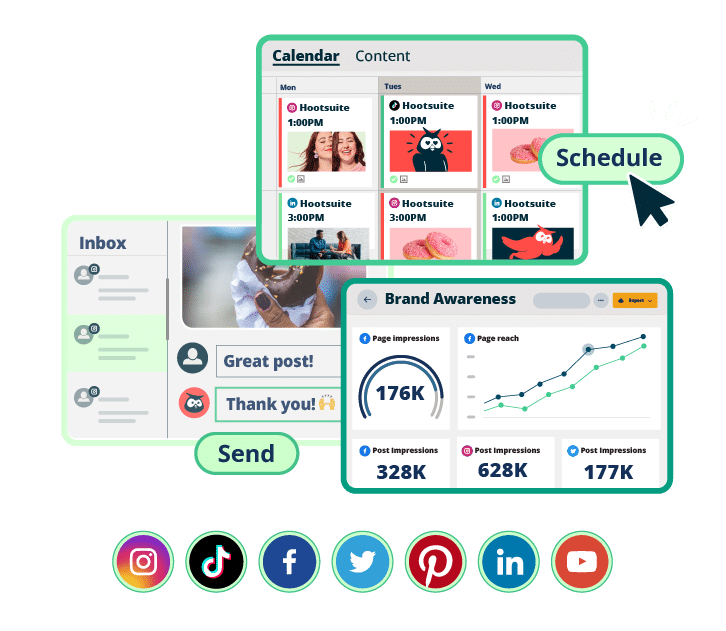
Fostering Two-Way Engagement: Social media thrives on community and interaction. Government officials and agencies must move beyond mere broadcasting to engage actively by replying to messages, joining conversations, and answering questions. Tools like Hootsuite’s Nest can streamline this citizen engagement, managing all social media messages in a single unified inbox, facilitating timely and organized responses.

-
Robust Social Media Policies: A clear social media policy is essential for aligning government teams, preventing costly mistakes, and ensuring compliance. Such policies should cover content guidelines, approval workflows, crisis communication protocols, and data retention standards.
-
Security and Compliance Imperatives: Maintaining public trust hinges on robust social media security. Federal agencies, for example, must adhere to FedRAMP security standards for cloud services. Centralized platforms like Hootsuite Social OS, with features like two-factor authentication and governance layers (e.g., Vigil), help mitigate risks by controlling permissions, tracking activity, and enforcing approval processes. Compliance is also non-negotiable, requiring adherence to frameworks like FOIA, GDPR, Section 508, and state public records laws. Social media archiving solutions are crucial for retaining posts and messages to meet these disclosure and retention obligations.
-
Measuring Impact and Accountability: Government teams must demonstrate the value of their social media efforts to both leadership and the public. Consistent measurement of metrics such as reach, engagement rate, sentiment, and website traffic provides actionable data, allowing agencies to refine strategies and prove how social media supports broader governmental goals.
The AI Frontier: Opportunities and Ethical Governance
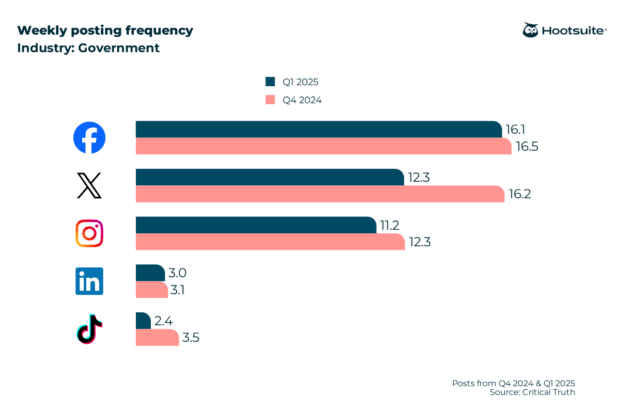
Artificial intelligence is rapidly transforming government social media by enhancing content creation, streamlining social listening, assisting with constituent response drafting, and improving misinformation detection. AI can significantly augment human judgment, making teams more efficient and responsive. However, its implementation in the public sector demands stringent governance and human oversight. A wrong AI-generated answer from an official source can severely erode public trust or spread misinformation. Agencies require AI governance guardrails that keep humans in the loop, ensuring AI outputs are traceable, cited, and reviewed before publication. This approach positions AI as a force multiplier for government teams, while firmly maintaining accountability with human professionals.
Government Social Media in Action: Case Studies
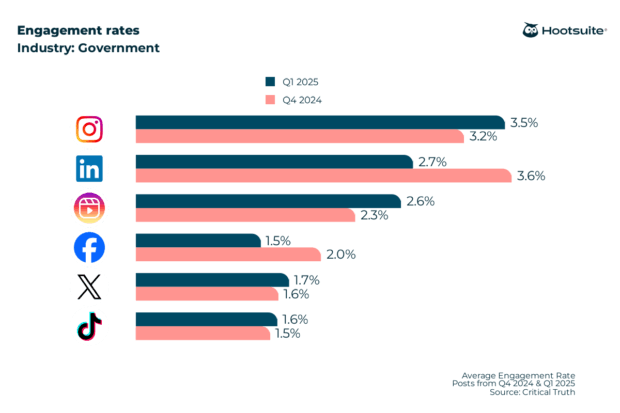
Several government entities offer compelling examples of effective social media use:
-
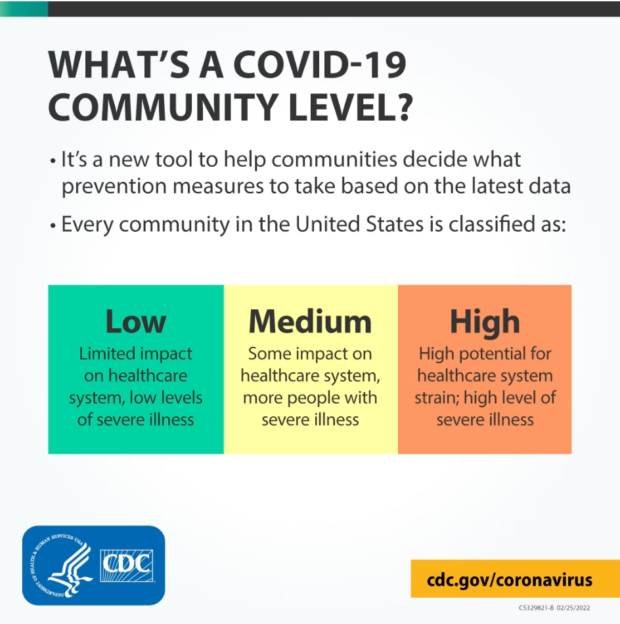
The U.S. Centers for Disease Control and Prevention (CDC): During the COVID-19 pandemic, the CDC leveraged social media extensively for crisis communication, disseminating vital information, public health guidelines, and vaccine updates. Their consistent, data-driven messaging on platforms like Facebook was critical in informing the public and countering misinformation at scale.
-
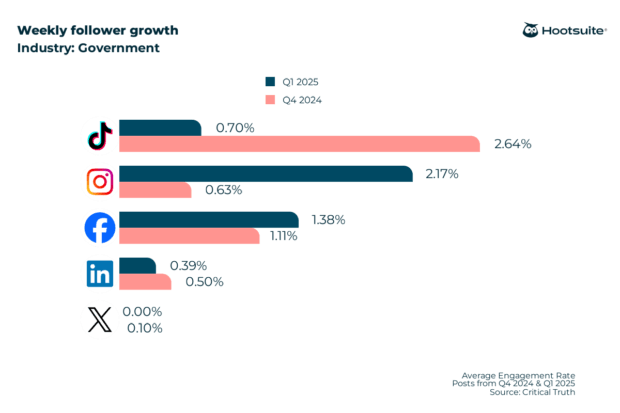
Washington State Department of Natural Resources (DNR): This agency showcases that government social media doesn’t have to be dry. Their accounts frequently go viral by packaging timely, relevant information in meme-friendly posts, demonstrating creativity and humor while maintaining an informative tone. Their commitment to accessibility is also evident in their strong use of alt text.
-
Ready.gov (FEMA): FEMA’s Ready.gov campaign serves as a model for how federal agencies can drive actionable public safety measures. Through consistent, useful social content, particularly during events like National Preparedness Month, the campaign shares practical guidance on emergency preparedness, reinforcing core safety messages across platforms and building long-term public trust through reliable information.
Conclusion
Social media has undeniably cemented its place as an integral component of modern governance. Its capacity to facilitate direct communication, build trust, and respond to crises is invaluable, yet its inherent challenges—from managing public scrutiny to navigating complex legal frameworks—require sophisticated strategies and robust oversight. As AI continues to evolve, governments must embrace these technological advancements responsibly, ensuring that human judgment and ethical governance remain at the forefront. The most effective government teams will be those that skillfully blend compelling, accessible content with stringent compliance and security measures, thereby fostering a more transparent, responsive, and engaged citizenry in the digital age.
Related posts: