The Indispensable Art of Branding: How Artists Forge Distinct Identities in a Competitive Market


The contemporary art landscape, whether manifested in the tactile reality of gallery walls or the ubiquitous presence of digital platforms, presents a formidable challenge for creators. For painters, sculptors, photographers, illustrators, and indeed, for the crucial gatekeepers of galleries and the discerning eyes of curators, the cultivation of a distinct brand has transcended mere advantage to become an imperative for survival and success. This isn’t a superficial exercise in logo design or catchy slogans; rather, it represents the very essence of how an artist projects their identity, their vision, and their unique contribution to the world. Understanding and strategically developing this brand is paramount, influencing not only their ability to connect with an audience but also their potential to thrive commercially across both physical and digital spheres.
Defining the Artistic Brand: Beyond the Canvas
At its fundamental level, branding is the deliberate construction of a unique identity for a product, service, or individual. For artists, this translates into a comprehensive process of self-definition: articulating who they are as creators, what core values their work embodies, and how they wish to be perceived by their intended audience. An effective artistic brand extends far beyond mere visual aesthetics; it is an intricate tapestry woven from the artist’s distinctive style, the underlying messages and themes they explore, their deeply held values, and the profound emotional resonance they cultivate with those who engage with their art. This holistic approach ensures that the artist’s presence is not just seen, but felt and understood.
The Strategic Imperative: Why Branding Matters
In an increasingly saturated global marketplace, the ability to stand out is not a luxury but a necessity. The digital realm, in particular, teems with an unprecedented volume of creative output, making differentiation a critical factor for any artist seeking to gain traction.
Carving a Niche in a Crowded Marketplace
The sheer volume of talented individuals showcasing their work online means that a strong, well-defined brand acts as a crucial beacon. It allows artists to distinguish themselves from their peers, not merely through technical skill but through the unique narrative, conceptual depth, or thematic preoccupations that define their oeuvre. Whether it’s an unconventional medium, a provocative subject matter, or a singular approach to visual storytelling, a clear brand identity enables an artist to carve out a specific niche. This makes it significantly easier for potential patrons, collectors, and enthusiasts who resonate with their particular artistic language to discover, recognize, and remember them amidst the digital noise. Industry analysis consistently points to a correlation between strong brand recognition and increased market visibility for artists, with platforms like Instagram and Pinterest becoming key battlegrounds for visual identity. For instance, artists who consistently employ a specific color palette or stylistic motif often see higher engagement rates, as their work becomes instantly recognizable.

Cultivating Trust and Establishing Credibility
Branding is intrinsically linked to the cultivation of trust. When artists consistently present themselves and their work in a professional, coherent manner, they build a reservoir of credibility with their audience. In an era where consumers are constantly bombarded with information and often skeptical of ephemeral online presences, a well-defined brand serves as a powerful assurance. It signals to potential buyers and collaborators that they are engaging with a dedicated, serious professional, rather than a fleeting hobbyist. This professional gravitas is crucial for moving beyond casual interest to genuine investment in an artist’s career. Research in consumer psychology indicates that familiarity and consistency, hallmarks of strong branding, are key drivers of trust, which directly impacts purchasing decisions.
Forging Deep Emotional Connections
At its heart, branding for artists is about storytelling. It provides a framework for artists to share their personal creative journeys, the philosophical underpinnings of their artistic values, and the wellsprings of their inspiration. When artists authentically share these narratives, they transcend the transactional relationship with their audience and forge deeper emotional connections. These connections are invaluable; individuals are more likely to become loyal patrons and advocates for artists whose stories and values resonate with their own experiences and aspirations. This emotional bond can translate directly into sustained engagement, repeat purchases, and a powerful word-of-mouth marketing effect. Studies on brand loyalty in creative industries highlight that narratives that evoke empathy and shared values are far more effective in building long-term customer relationships than purely product-focused appeals.
Amplifying Marketing Efficacy
A robust brand acts as a powerful amplifier for all marketing efforts. It provides a consistent and recognizable framework across diverse communication channels. Whether an artist is active on social media, cultivating an email list, or maintaining a personal website, a cohesive brand ensures that their message is unified and impactful. This consistency streamlines marketing activities, enhances overall visibility, and ensures that promotional content is readily identifiable by their target audience. When an audience recognizes an artist’s brand, they are more inclined to engage with their content, share it with their networks, and actively seek out new offerings. The marketing efficiency gained from a strong brand is often cited by successful artists as a key factor in their ability to scale their operations and reach wider markets.
The Pillars of Effective Artistic Branding
Building a compelling brand requires a strategic focus on several key elements that work in concert to define and project an artist’s identity.
The Visual Language: Crafting an Unmistakable Aesthetic
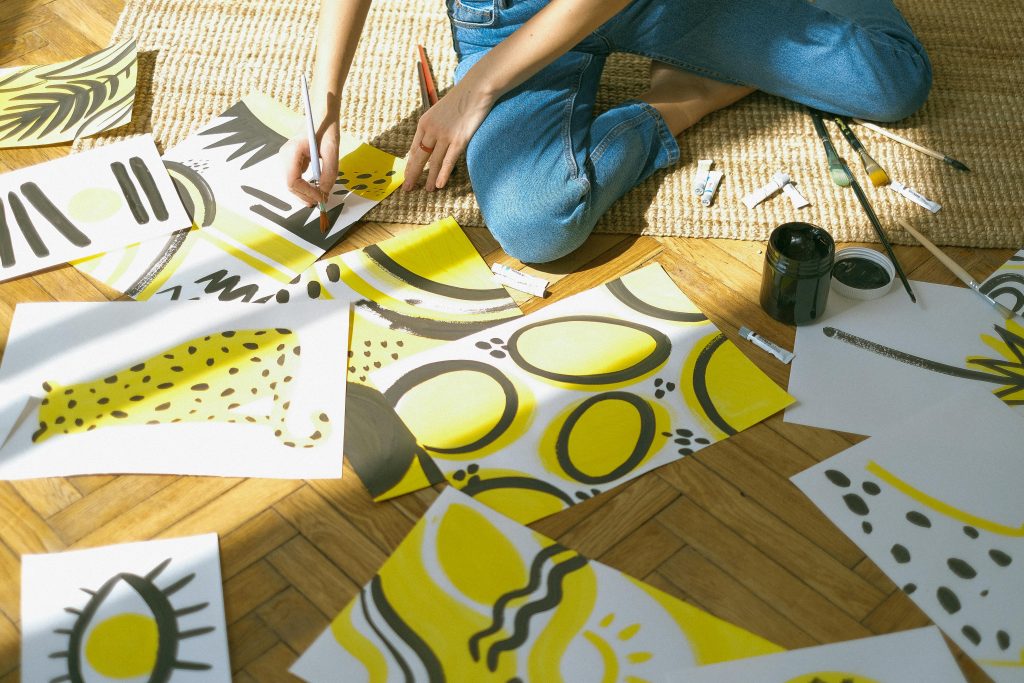
The visual components of an artist’s brand—their logo, chosen color palette, typography, and the overall aesthetic of their online and offline materials—are the most immediate points of recognition. These elements must be thoughtfully designed to reflect the artist’s personality and, crucially, the intrinsic nature of their artwork. For example, an artist whose work explores themes of urban decay might opt for a stark, monochromatic palette with sharp, geometric fonts, while a painter specializing in ethereal landscapes might favor soft, natural colors and fluid, organic design elements. Consistency in this visual identity across all platforms, from website headers to social media posts and exhibition signage, is paramount for solidifying brand recognition. According to design principles, a consistent visual identity can increase brand recognition by up to 80%.
Articulation of Voice and Style: The Uniqueness of Expression
An artist’s unique voice and signature style are arguably the most powerful components of their brand. This encompasses not only their technical approach but also the recurring themes, the underlying messages, and the distinct emotional tenor that pervades their work. Developing a unique artistic style is a journey of exploration and refinement, often involving experimentation with different mediums, techniques, and narrative approaches. This distinctiveness is what attracts a specific audience and cultivates a loyal following among those who appreciate and connect with their particular mode of expression. Art critics and collectors often point to the artist’s "hand" or "eye"—their unmistakable stylistic signature—as a primary determinant of value and appeal.
Digital Footprint and Audience Engagement: Building Community Online
In the 21st century, an artist’s online presence is indispensable. This includes maintaining a professional, user-friendly website that serves as a central hub for their portfolio, biographical information, and contact details. Equally important are active and engaging social media profiles, where artists can showcase their work, share their creative process, and interact directly with their audience. Beyond mere broadcasting, genuine engagement—responding to comments, sharing behind-the-scenes glimpses, and fostering dialogue—is vital. This humanizes the artist, builds a sense of community, and transforms passive observers into invested followers. Data from social media analytics consistently shows that artists who actively engage with their followers experience higher levels of interaction and brand loyalty.
The Power of Narrative: Weaving Stories into the Brand
Compelling storytelling is a cornerstone of effective branding. Artists are encouraged to share their creative genesis, the inspirations that fuel their work, and the intricate processes involved in bringing their visions to life. These narratives make the artist relatable and human, enriching the audience’s experience and deepening their appreciation for the artwork. Stories can be disseminated through various channels: blog posts detailing artistic breakthroughs, social media updates chronicling daily studio life, or video content offering insights into their creative methodology. By weaving these personal narratives into their brand, artists can captivate their audience, foster a sense of shared journey, and encourage a more profound connection that often leads to patronage. A 2023 study by the Content Marketing Institute found that storytelling significantly increases audience retention and emotional connection to a brand.

Maintaining Cohesion: Consistency Across All Touchpoints
The paramount importance of consistency cannot be overstated. Artists must ensure that their branding is meticulously cohesive across every platform and touchpoint, from their digital presence on social media and their personal website to their physical promotional materials used in galleries, art fairs, and exhibitions. This uniformity reinforces their identity, making them instantly recognizable and memorable to their audience. A cohesive brand presence not only builds recognition but also cultivates trust and professionalism, solidifying the artist’s reputation and market standing. Inconsistent branding can lead to confusion and dilute the impact of an artist’s message, undermining their efforts to build a recognizable and respected presence.
The Tangible Impact: Branding’s Influence on Sales and Opportunities
A well-established and effectively managed brand can profoundly influence an artist’s ability to generate sales and attract valuable opportunities. When individuals who are interested in an artist’s work feel a genuine connection to their brand narrative and identity, they are significantly more likely to make a purchase. This extends beyond original artworks to include prints, merchandise, and commissioned pieces. Furthermore, a strong brand acts as a magnet for a variety of professional opportunities, including collaborations with other artists or brands, sponsorship agreements, and invitations to exhibit in prestigious galleries. For instance, artists with a clearly defined niche and a strong online following are often approached by galleries seeking to represent them, a process that is expedited by their established brand recognition. The ability to leverage branding effectively allows artists to expand their reach, cultivate multiple income streams, and build a sustainable and thriving career in the arts.
In conclusion, branding is not an ancillary concern for artists in the digital age; it is a foundational element of their professional success. It serves as the bedrock upon which differentiation is built, trust is cultivated, emotional connections are forged, and marketing efforts are amplified. By understanding, investing in, and strategically developing their brand, artists can create a powerful and unique identity that resonates deeply with their audience. This, in turn, propels their careers forward in both the tangible world of galleries and the dynamic expanse of digital platforms. As the art market continues to evolve and the digital landscape becomes increasingly interconnected, artists who prioritize and skillfully employ branding will be demonstrably better positioned to navigate its complexities, seize emerging opportunities, and leave an enduring mark on the global art scene.