In an era defined by hyper-connectivity and the rapid proliferation of digital galleries, the traditional model of the starving artist is increasingly being replaced by the necessity of the entrepreneurial creator. For painters, illustrators, photographers, and digital media artists, the challenge of securing a foothold in a saturated global market has evolved from purely technical mastery to a sophisticated exercise in identity management. Branding, once considered anathema to the romantic ideal of artistic purity, has emerged as the critical infrastructure upon which contemporary careers are built, sustained, and scaled.
The Evolution of the Art Market and the Branding Shift
The art market has undergone a fundamental transformation over the last two decades. According to data from the Art Basel and UBS Global Art Market Report, the digital transformation of art sales has accelerated significantly since 2020, with online-only sales reaching record highs. This shift has democratized access to the global stage, but it has also created a paradox of choice for collectors and enthusiasts. As the barrier to entry for displaying work online has effectively vanished, the sheer volume of content has made the "discovery" of new talent increasingly reliant on recognizable brand signals.
Historically, artists relied on a gatekeeper model, where gallery representation served as the primary brand validator. Today, that hierarchy has flattened. Artists are now expected to function as their own marketing departments, curators, and publicists. This transition necessitates a departure from viewing branding as a superficial logo or marketing slogan and instead viewing it as a comprehensive, multi-dimensional narrative that communicates the artist’s values, technical methodology, and long-term professional vision.

A Chronology of Artistic Professionalization
The transition toward self-branding can be traced across three distinct phases in the modern era:
- The Analog Era (Pre-2000s): Branding was largely passive and determined by critical reception, gallery placement, and academic pedigree. An artist’s "brand" was the accumulation of prestige granted by established institutions.
- The Early Digital Disruption (2000s–2015): The rise of personal websites and early social platforms allowed artists to bypass traditional gatekeepers. However, this period lacked structured strategy, often resulting in fragmented digital footprints that struggled to convert social attention into financial stability.
- The Strategic Era (2016–Present): Professionalization has become the standard. Artists now integrate data analytics, multi-channel marketing, and cohesive visual identity systems into their creative workflows. Current industry standards dictate that an artist’s digital storefront—their website—must function with the same professional rigor as an e-commerce platform.
Data-Driven Insights: Why Identity Matters
Market research indicates that brand consistency is a primary driver of consumer confidence in the fine art sector. A survey conducted by various art-tech platforms suggests that collectors are 65% more likely to invest in an emerging artist if the artist maintains a cohesive professional presence across both their physical gallery representation and their digital channels.
The primary components of this identity include:
- Visual Continuity: The alignment of color palettes, typography, and image quality across all public-facing assets.
- Narrative Authority: The ability to articulate the "why" behind the work, which provides the emotional and intellectual context that collectors use to justify long-term investments.
- Operational Transparency: The use of professional communication channels, such as curated newsletters and integrated e-commerce solutions, which signals to the buyer that the artist is a stable, reliable partner.
The Anatomy of an Effective Brand Identity
An effective brand is not merely a label but a reflection of the artist’s unique creative voice. This voice is the synthesis of themes, medium-specific techniques, and personal philosophy. For instance, an artist specializing in hyper-realistic oil portraiture must translate that precision into their brand identity, ensuring that their online portfolio, social media presence, and even the quality of their printed promotional materials reflect that same level of detail.
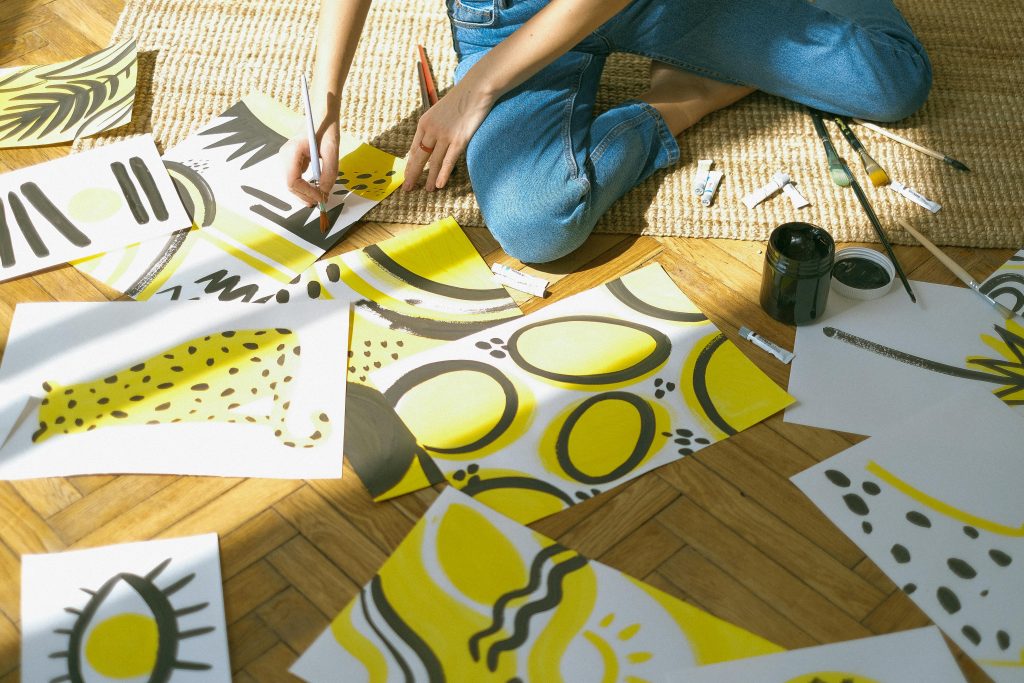
Industry experts emphasize that "voice" is the strongest differentiator in a crowded market. When an artist fails to define their stylistic niche, they are often perceived as a commodity. Conversely, those who lean into a distinct, identifiable aesthetic build a "moat" around their practice, insulating themselves from market volatility by fostering a loyal, recurring collector base.
Institutional and Professional Perspectives
Gallerists and curators increasingly look for artists who arrive with a pre-established digital audience. "The days of the mysterious, reclusive artist are largely over for those seeking commercial success," notes one independent consultant in the contemporary art space. "We are looking for partners who understand how to translate their vision for a digital audience. An artist who understands their brand is, by definition, an artist who understands how to manage their career."
This perspective is supported by the rise of business coaching for artists, a sector that has grown alongside the creator economy. These services focus on the intersection of professional business management and creative production, training artists to use data-driven storytelling—such as documenting the studio process or explaining the provenance of a piece—to deepen the emotional connection with potential buyers.
The Broader Impact: Sustainability and Longevity
The implications of robust branding extend far beyond immediate sales. A well-constructed brand creates a repository of value that persists even when an artist is not actively producing new work. It facilitates secondary market interest, aids in the acquisition of grants or sponsorships, and provides a framework for scaling a practice through prints, merchandise, or workshops.

Furthermore, the integration of professional branding allows artists to navigate the "feast or famine" cycle that has historically plagued the creative sector. By diversifying their outreach and maintaining a consistent, professional dialogue with their audience through platforms like email marketing, artists can create predictable income streams that are not solely reliant on the infrequent sale of a high-value piece.
Navigating the Future of the Art Market
As the digital landscape evolves—incorporating technologies like artificial intelligence and blockchain-based authentication—the human element of branding will only become more critical. In an age where content can be generated algorithmically, the "authentic human story" behind a piece of art is becoming a luxury good.
Artists who prioritize the intentional construction of their identity are not simply "marketing" their work; they are curating their legacy. By treating branding as an extension of their artistic process, they ensure that their work is not only seen but understood, valued, and remembered. As competition intensifies, the synthesis of creative excellence and strategic communication will remain the defining characteristic of the successful artist in the 21st century. Those who master this balance will find themselves better positioned to weather the fluctuations of the global economy and leave a meaningful, lasting mark on the cultural consciousness.