The Rise of the Skull Cap Trend: How a Simple Athletic Accessory Became TikTok’s Latest Viral Phenomenon

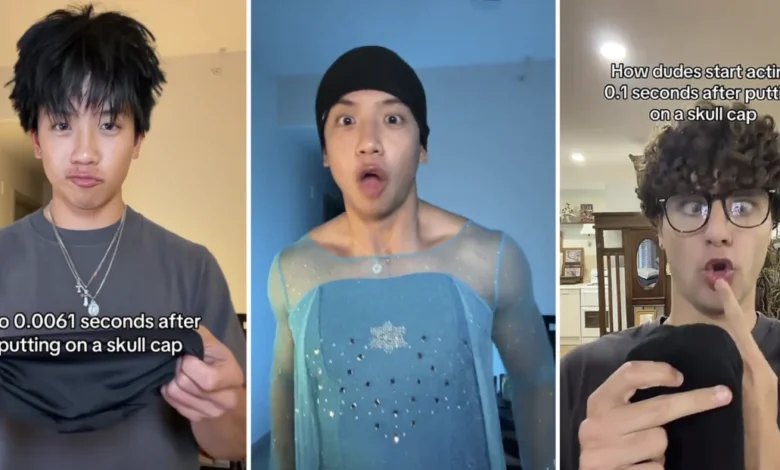
The digital landscape of short-form video platforms is perpetually driven by micro-trends, rapid-fire transformations, and tongue-in-cheek persona adoptions. In October 2026, TikTok witnessed the explosive ascent of a new viral sensation known simply as the "Skull Cap Trend." Characterized by comedic, exaggerated before-and-after skits, the trend relies on a singular premise: that donning a standard athletic skull cap—typically a thin, breathable piece of fabric traditionally worn beneath sports helmets—instantly transforms an ordinarily plain or awkwardly styled individual into a hyper-confident, conventionally attractive persona. Driven by catchy audio selections, easily reproducible formats, and participation from high-follower content creators, the phenomenon accumulated tens of millions of views within a matter of weeks, highlighting the ongoing appeal of satirical self-improvement narratives on social media.
Understanding the Mechanics of the Trend
At its core, the Skull Cap Trend operates as a humorous subversion of traditional "glow-up" videos. Historically, internet transformation videos—often categorized under terms like "glo-up"—depict genuine, long-term improvements in physical fitness, fashion sense, grooming, or personal maturity. These videos generally emphasize extended timeframes, disciplined lifestyle changes, or significant developmental milestones.
In stark contrast, the Skull Cap Trend uses instantaneous, hyper-artificial accessorizing to parody the very concept of a dramatic makeover. Creators typically begin the video by deliberately projecting an unkempt, plain, or intentionally nerdy aesthetic. They may slump their posture, widen their eyes, dishevel their hair, or wear unflattering clothing. The pivotal moment of the video involves the physical act of pulling a tight, usually black, athletic skull cap over the head.
Once the cap is secured, the subject’s demeanor shifts instantaneously. They adopt an intense, unblinking stare, tighten their jawline, and strike a stoic, hyper-masculine, or "Chad-like" pose. This sudden transition is meticulously synchronized to a precise audio cue: the beat drop accompanying Bryson Tiller’s distinctive vocal verse from the DJ Khaled track "Wild Thoughts," which also features pop superstar Rihanna. The juxtaposition between the mundane, unassuming starting persona and the deadpan, self-serious post-transformation look generates the comedic payoff that underpins the trend’s viral spread.
Chronology and Organic Origins
The genesis of the Skull Cap Trend cannot be traced back to a single, easily identifiable creator or planned marketing campaign. Instead, industry analysts and internet culture researchers classify it as an organically developed meme that took root across TikTok in mid-October 2026. The phenomenon naturally aligned with preceding internet formats, such as the "lockjaw" trend and various ironic masculinity skits that playfully exaggerate facial structure and stoicism.
By mid-October, the black skull cap had transitioned from a functional piece of athletic gear utilized by cyclists, hockey players, and football athletes into an ironic fashion statement and comedic prop. The earliest widely recognized iterations began surfacing around October 16th, 2026. Among the frontrunners was TikTok user @big_bobby6929, whose upload on October 16th effectively cemented the structural blueprint for subsequent participants. In the video, the creator executed the signature before-and-after format, complete with the dramatic musical timing. The post resonated deeply with the platform’s algorithm and user base, accumulating over 7.4 million views and approximately 286,400 likes within just 11 days.
Rapid Expansion and Viral Milestones
Following its mid-October breakthrough, the trend experienced a steep upward trajectory, propelled by its low barrier to entry. Because the required prop—a basic athletic skull cap—is inexpensive and widely accessible, and because the performance requires minimal technical editing skills, thousands of users were able to replicate and customize the format within days.
On October 18th, 2026, content creator @antoniopieterss published a variation of the trend that accelerated its diffusion into mainstream TikTok feeds. The video capitalized on the established audio timing and deadpan delivery, pulling in an impressive 12.8 million views and securing 2.3 million likes in a span of nine days.
The momentum continued to compound throughout the following week. On October 21st, 2026, user @grumpyleanneandmaitland introduced a family-collaborative element to the trend, humorously noting the involvement of a parent in the video’s production. This post garnered roughly 11.8 million views and 1.7 million likes in less than a week. Simultaneously, on the same day, user @_mc_chicken_lover posted a version featuring self-deprecating commentary regarding the saturation of the format, drawing over 11.3 million views and 2.8 million likes.
As the week progressed toward October 23rd, 2026, high-profile creator @brodyjboling joined the fray, addressing the peer pressure and notification tags from followers urging him to participate. His contribution quickly amassed 9.3 million views and 1.5 million likes within four days. The trend’s ubiquity was further reinforced by widespread participation from other prominent accounts, including @realchrismccoy, @judetrew, @cadenscoots, and @matthew..divirgilio, many of whom jokingly documented purchasing a skull cap exclusively to participate in the viral wave.
Socio-Cultural Context and Psychological Appeal
The rapid proliferation of the Skull Cap Trend offers insight into contemporary internet culture’s complex relationship with self-image, irony, and peer validation. Satirical glow-up trends frequently serve as a collective coping mechanism or playful critique of the hyper-curated, aesthetically obsessed culture prevalent on social media platforms.
In an ecosystem where users are constantly bombarded by algorithmic content promoting intense fitness routines, skincare regimens, and strict aesthetic standards—often popularized under terms like "looksmaxxing"—the Skull Cap Trend provides a release valve through absurdity. By reducing the concept of an attractive transformation to the simple act of putting on a tight piece of athletic polyester, participants openly mock the seriousness with which online spaces often treat personal appearance.
Furthermore, the reliance on deadpan delivery and exaggerated facial expressions reflects a broader preference among Gen Z and younger digital natives for post-ironic humor. The joke relies on the performer maintaining absolute seriousness while portraying a premise that is inherently ridiculous. The dissonance between the mundane reality of wearing a sports cap and the supposed god-tier confidence it purportedly unlocks forms the bedrock of the humor.
Broader Implications and Platform Dynamics
From a digital media perspective, the Skull Cap Trend underscores the enduring power of audio-driven templates in modern algorithmic distribution. TikTok’s system heavily favors content that utilizes trending sounds and recognizable narrative structures, allowing users to instantly contextualize incoming videos within a broader cultural conversation. The specific use of Bryson Tiller’s verse from "Wild Thoughts" acted as an auditory anchor, signaling to viewers within the first second of playback exactly what type of content they were consuming and priming them for the comedic payoff.
While micro-trends of this nature typically enjoy a concentrated burst of high visibility lasting two to three weeks before giving way to the next viral sensation, their impact on platform engagement is substantial. They drive massive spikes in cross-user interaction, generate millions of hours of cumulative watch time, and occasionally result in tangible, albeit temporary, commercial outcomes—such as localized surges in retail searches or purchases of otherwise niche athletic accessories by users wanting to join in on the joke.
As internet culture continues to evolve at a relentless pace, phenomena like the Skull Cap Trend demonstrate that collective creativity on social media often thrives on simplicity, self-awareness, and shared participation. By turning a piece of sports equipment into a badge of ironic confidence, TikTok users once again proved that the most effective viral content is often that which refuses to take itself too seriously.