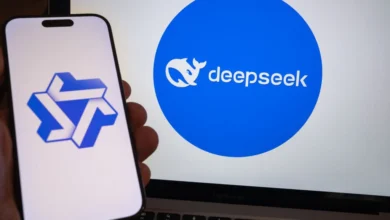
The traditional paradigm of digital marketing, anchored for two decades in search engine optimization (SEO) and the pursuit of the "ten blue links," is undergoing a structural transformation. As generative artificial intelligence models like OpenAI’s ChatGPT, Anthropic’s Claude, and Perplexity AI move from experimental novelties to primary research tools, the methodology for achieving organic visibility is shifting toward AI Optimization (AIO). This transition marks a departure from keyword-based ranking toward semantic authority and machine-learning-driven source selection.
The shift was punctuated three weeks ago by anecdotal reports from digital publishers noting a surge in traffic originating directly from AI responses rather than conventional search engine result pages (SERPs). For businesses and content creators, this represents a critical juncture: while Google continues to hold the majority of search market share, the behavior of the end user is increasingly moving toward AI-synthesized, answer-first experiences.
A Chronology of the Search Evolution
The trajectory of this shift can be traced back to the public release of ChatGPT in November 2022. Within two months, the platform reached 100 million active users, setting a record for the fastest-growing consumer application in history. By early 2024, the integration of web-browsing capabilities into these models enabled them to process real-time data, effectively bypassing the need for users to manually click through traditional search results.
In early 2025, the release of Google’s "AI Mode"—a conversational interface available in over 180 countries—further solidified this trend. Financial data from the first quarter of 2025 indicated that Google’s search revenue increased by 10%, reaching $50.7 billion, a growth largely attributed to the successful integration of AI-enhanced features. This financial success serves as a signal to the industry: AI-driven discovery is not a temporary trend but a core component of the future search economy.
Data-Driven Realities and User Behavior
Current metrics demonstrate that millions of users now treat AI models as their primary information retrieval tools. When a user queries a platform for complex information—such as the best SaaS architecture for WordPress or comparative analysis of productivity tools—the AI synthesizes a summary and cites specific sources. This process fundamentally changes the funnel; the user receives a pre-vetted answer, often bypassing the need to visit a website entirely unless the AI provides a compelling citation.
The implication for publishers is significant. Traditional SEO focuses on backlinks, site speed, and keyword density. In contrast, AIO prioritizes the "informativeness" of content as perceived by an LLM. Data suggests that AI models favor content that includes verifiable statistics, structured data (JSON-LD), and logical hierarchies. Unlike traditional search, which may reward sheer volume of backlinks, AI models prioritize factual accuracy and the ability of a page to provide a comprehensive answer to a specific, natural-language query.
Industry Perspectives on the AIO Shift
Industry analysts observe that while Google remains the dominant gateway for the open web, the "answer engine" model is creating a secondary, yet highly lucrative, traffic source. Experts suggest that firms failing to account for how their content is perceived by AI models risk a decline in organic discovery.
From a strategic standpoint, the current state of AIO is comparable to the early days of SEO in the mid-2000s: it is a "wild west" where early adopters can secure top-tier visibility with relatively low competition. However, this window is expected to narrow as AI developers refine their indexing algorithms to prevent the manipulation of citations and as competition for "top-of-chat" placement intensifies.
Strategic Pillars for AI Visibility
For publishers seeking to adapt, several core tactics have emerged as standard practice for maximizing AI citation:
- Statistical Grounding: AI models are programmed to favor factual, quantitative data. Content that integrates verifiable statistics and citations from primary sources is statistically more likely to be referenced in a machine-generated summary.
- Natural Language Structuring: Because AI models process semantic meaning, content must be structured to answer direct questions. Utilizing FAQ schemas and conversational subheadings helps the model map a query to the exact location in the text where the answer resides.
- Structured Data Markup: The use of JSON-LD remains a critical technical component. Providing machine-readable context about an organization, a product, or an article allows the model to categorize the content correctly within its knowledge graph.
- Cross-Platform Authority: AI models frequently cross-reference data across the web to verify authority. A consistent presence on high-trust platforms—such as industry-specific forums or reputable publications—serves as a verification signal for the AI.
- Freshness Signals: With real-time web access, AI models prioritize recent content. Explicitly marking content with "Last updated" timestamps and ensuring the information remains current is a prerequisite for maintaining long-term visibility.
The Challenge of Performance Measurement
A significant hurdle in this transition is the lack of standardized analytics. Unlike Google Search Console, which provides granular data on impressions and clicks, AI platforms have yet to offer a unified dashboard for publishers to track how often their content is cited.
To bridge this gap, businesses are increasingly turning to third-party monitoring tools. Market leaders such as Ahrefs, SE Ranking, and specialized services like First Answer have introduced AIO-tracking capabilities, typically priced between $40 and $130 per month. For smaller organizations, technical teams are utilizing no-code automation platforms like Make.com to build custom monitoring systems. By systematically querying AI models with targeted industry questions, these systems can log whether a specific website appears in the cited sources, creating a proprietary database of AI-driven reach.
Broader Implications for the Digital Ecosystem
The transition to AI-centric search will likely reshape the digital economy. As platforms experiment with monetization—including potential affiliate tracking within citations or sponsored AI placements—the relationship between content creators and search platforms will become more transactional.
Furthermore, the rise of "personalized" search, where AI models tailor results to a user’s historical preferences and profile, suggests that brand identity will become more important than ever. Being recognized as the "definitive source" for a specific niche may soon outweigh the benefits of broad, generic content that fails to capture the AI’s categorization logic.
Conclusion and Future Outlook
The rise of AI search represents a fundamental shift in the information economy. While traditional SEO is not obsolete, it is no longer sufficient for comprehensive visibility. The future belongs to those who view their content as a structured knowledge base capable of being read, parsed, and cited by machines.
As the technology continues to evolve, the distinction between "search" and "answer" will continue to blur. Content creators who invest in AIO today are not merely chasing a new traffic source; they are ensuring their relevance in an era where the most effective search engine is no longer a list of links, but a conversational interface that curates the world’s information for the user in real time. The entities that successfully position themselves as trusted, verifiable, and authoritative sources within this new framework will define the next generation of digital presence.