The Unseen Canvas: How Artist Branding is Revolutionizing Sales and Opportunities in the Digital Age


The contemporary art world, a dynamic and often challenging arena, is increasingly defined by the critical need for artists to cultivate a distinct and compelling brand. From painters and visual artists to photographers and illustrators, and even extending to gallerists and curators, the ability to articulate a unique identity is no longer a supplementary strategy but a foundational requirement for success. This imperative is amplified in the digital sphere, where the sheer volume of creative output necessitates a clear and resonant presence to capture audience attention and foster meaningful connections. Branding, in this context, transcends mere logos or catchy slogans; it embodies the artist’s essence, their narrative, their values, and the indelible mark they aim to leave on the world. This exploration delves into the profound importance of branding for artists, examining how it shapes their trajectory and influences their achievements across both tangible and virtual marketplaces.
Understanding the Genesis of Artistic Identity
At its core, branding for artists is a strategic process of defining and communicating a unique identity. This involves a deep introspection into who they are as creators, what principles guide their artistic practice, and how they wish to be perceived by their audience, collectors, and the broader art community. Effective branding is a multifaceted endeavor, extending far beyond superficial visual elements. It encompasses the discernible style of their work, the underlying messages and themes they explore, the core values that inform their creations, and the profound emotional resonance they cultivate with those who engage with their art. This holistic approach ensures that an artist’s brand is not merely a superficial overlay but an authentic extension of their creative spirit.
The digital revolution has fundamentally altered the landscape of artistic commerce. Historically, artists relied heavily on physical galleries, word-of-mouth, and limited exhibition opportunities. The advent of the internet and social media platforms has democratized access to a global audience, but this accessibility comes with its own set of challenges. Artists now face unprecedented competition, with millions of creators vying for visibility. A study by Statista in 2023 indicated that over 10 million individuals identify as artists globally, with a significant portion actively pursuing online sales channels. This surge in creative output underscores the necessity for a robust branding strategy to cut through the noise and establish a memorable presence.
The Pivotal Role of Branding in the Artist’s Ecosystem
The significance of a well-defined brand for artists cannot be overstated, impacting various facets of their professional lives and career progression.

Differentiation in a Hyper-Saturated Market
The digital realm, in particular, is an overwhelming confluence of creative talent. In this environment, the ability to stand out is paramount. A strong brand acts as a powerful differentiator, allowing artists to carve out a distinct space for themselves amidst a sea of peers. This differentiation can stem from a myriad of factors: a truly unique artistic style that is instantly recognizable, a compelling narrative that imbues their work with deeper meaning, or the exploration of singular themes that resonate with specific audiences. For instance, an artist whose work focuses on environmental conservation through hyperrealist wildlife paintings possesses a distinct niche that can be effectively communicated through their branding. By establishing a clear brand identity, artists can attract individuals who are not only interested in their art but also connect with their message, fostering a more engaged and loyal following. Resources dedicated to building a unique artist brand, such as those found on platforms like The Abundant Artist, consistently highlight that this strategic differentiation is a cornerstone of long-term success.
Cultivating Trust and Establishing Credibility
Branding is intrinsically linked to the cultivation of trust and the establishment of credibility. When artists consistently present themselves and their work in a professional and authentic manner, they begin to build a reservoir of confidence with their audience. This is particularly crucial in an era where consumers are inundated with information and often seek genuine connections with the creators they support. A well-defined brand reassures potential patrons that they are engaging with a dedicated and serious artist, rather than a fleeting online presence. The development of a professional online presence, including well-maintained social media profiles and an informative website, contributes significantly to this credibility. For example, the strategic use of platforms like Facebook for art promotion, as outlined in numerous guides for artists, demonstrates a commitment to professional engagement and accessibility. This consistent professionalism signals reliability and commitment, encouraging collectors to invest with confidence.
Forging Profound Emotional Connections
At its heart, effective artist branding is about storytelling. It provides a platform for artists to share their creative journeys, articulate their artistic philosophies, and reveal the inspirations that fuel their work. When artists candidly share these narratives, they forge profound emotional connections with their audience. These stories can reveal the struggles, triumphs, and the personal evolution that shape their art, making the artist more relatable and their work more meaningful. The ability to effectively communicate these narratives, whether through blog posts, social media updates, or video content, can transform passive viewers into invested followers. For instance, an artist who shares the personal experience that led them to explore themes of resilience in their abstract paintings creates a narrative layer that can deeply resonate with viewers who have faced similar challenges. This emotional bond is a powerful driver of loyalty, engagement, and ultimately, sustained sales.
Amplifying Marketing and Promotional Efforts
A robust and coherent brand identity significantly enhances the efficacy of an artist’s marketing and promotional endeavors. Artists can leverage their established brand across diverse platforms, ensuring a consistent message that resonates with their intended audience. Whether engaging through social media campaigns, email newsletters, or a dedicated personal website, a unified brand presence streamlines marketing efforts and amplifies overall visibility. For example, a consistent visual theme and tone of voice across all digital communications make an artist’s content instantly recognizable. This recognition encourages engagement and increases the likelihood of content being shared, thereby expanding the artist’s reach organically. Targeted marketing strategies, such as well-crafted email newsletters, become far more effective when they are built upon a foundation of a strong and recognizable brand.
The Foundational Pillars of Effective Artist Branding
To achieve the aforementioned benefits, artists must meticulously develop and integrate several key elements into their branding strategy.
The Articulation of Visual Identity
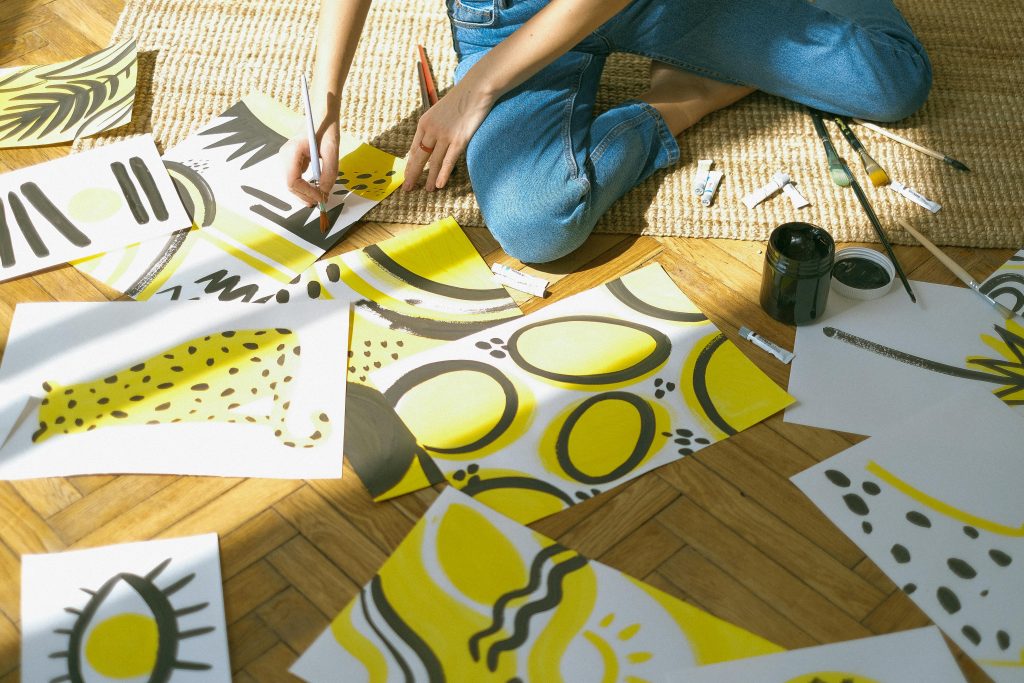
The visual components of an artist’s brand are often the first point of contact with their audience. This includes the deliberate selection of logos, color palettes, typography, and overall design aesthetics. These elements must not only be visually appealing but also intrinsically reflective of the artist’s personality and their distinct artistic style. For instance, a painter who specializes in bold, abstract expressionism might opt for a vibrant, dynamic color scheme and strong, graphic typography, mirroring the energy of their work. Conversely, a minimalist sculptor might employ a clean, understated visual identity with muted tones and simple, elegant fonts. Maintaining consistency in this visual identity across all platforms – from business cards and exhibition materials to website design and social media graphics – is crucial for building strong brand recognition and recall.
The Unmistakable Artistic Voice and Style
An artist’s unique voice is an indispensable component of their brand identity. This voice is articulated through the recurring themes, messages, and emotional landscapes that are present in their body of work. Developing and honing a distinct artistic style is not merely about technical proficiency; it is about cultivating a signature approach that sets an artist apart from their contemporaries. This might involve experimenting with unconventional mediums, pioneering new techniques, or crafting narratives that are profoundly personal and yet universally relatable. For example, a photographer who consistently captures the ephemeral beauty of urban decay with a specific lighting technique and composition develops a recognizable style that attracts collectors drawn to that particular aesthetic. This distinct artistic voice acts as a beacon, attracting a like-minded audience and fostering a devoted following.
Mastering Online Presence and Cultivating Engagement
In the 21st century, an artist’s digital footprint is as significant as their physical presence. This necessitates the development of a professional, user-friendly website that serves as a central hub for their portfolio, artist statements, and contact information. Furthermore, active and strategic engagement on social media platforms is vital for connecting with a broader audience. This involves more than just posting images of artwork; it requires genuine interaction. Artists should respond to comments and messages, share behind-the-scenes glimpses into their creative process, and actively participate in conversations within the online art community. This humanizes the artist, fostering a sense of community and rapport that can translate into deeper engagement and support.
The Power of Compelling Storytelling
The art of storytelling is a potent tool in an artist’s branding arsenal. By sharing their personal journey, their creative inspirations, and the meticulous process behind their creations, artists can forge a profound connection with their audience. These narratives can transform the viewing experience from a passive observation to an immersive engagement. Stories can be disseminated through various channels, including blog posts that delve into the conceptual underpinnings of a series, social media updates that offer glimpses into studio life, or video content that showcases the artist at work. By weaving authentic narratives into their brand identity, artists can captivate their audience, fostering a sense of shared experience and encouraging a deeper investment in their artistic endeavors. This narrative dimension can significantly influence purchasing decisions, as collectors often seek to connect with the artist behind the work.
Ensuring Unwavering Consistency Across All Platforms
Consistency is not merely a suggestion in branding; it is a non-negotiable imperative. Artists must ensure that their brand identity remains cohesive and recognizable across all touchpoints. This includes their online presence (website, social media profiles), as well as any physical promotional materials such as business cards, exhibition brochures, and even their personal demeanor at art fairs and gallery openings. A unified brand presence reinforces the artist’s identity, making them easily identifiable and memorable. This unwavering consistency builds trust and projects an image of professionalism, thereby solidifying the artist’s reputation and increasing their appeal to collectors and potential collaborators. The absence of consistency can lead to confusion and dilute the impact of an artist’s message.

The Tangible Impact of Branding on Sales and Career Opportunities
The cumulative effect of a well-established and strategically executed brand is a demonstrable impact on an artist’s ability to generate sales and attract new opportunities. When potential patrons feel a genuine connection to an artist’s brand, their inclination to purchase artwork, prints, or commission new pieces is significantly heightened. This connection is often built on shared values, an appreciation for the artist’s unique perspective, or a resonance with their personal story. Beyond direct sales, a strong brand can unlock a wealth of opportunities. This includes invitations to collaborate with other artists or brands, securing sponsorships from relevant organizations, and gaining coveted exhibition slots in prestigious galleries. For artists seeking to navigate the complexities of the art market and develop sustainable careers, personalized guidance and business coaching, often provided by specialized services, can be invaluable. Artists who adeptly leverage their branding are better positioned to expand their reach, diversify their income streams, and cultivate a thriving and enduring career in the arts.
In conclusion, branding is not an ancillary aspect of an artist’s career but rather an essential foundation for sustained success in the contemporary art landscape. It serves as the critical mechanism for differentiation in a crowded marketplace, the bedrock for building trust and credibility, the conduit for forging deep emotional connections with an audience, and the amplifier for effective marketing initiatives. By deeply understanding and strategically investing in their brand, artists can cultivate a unique and resonant identity that not only captures the attention of their audience but also propels their careers forward, ensuring their impact is felt profoundly across both the physical and digital realms. As the art world continues its dynamic evolution, those artists who prioritize and master the art of branding will undoubtedly be better equipped to navigate its challenges, seize emerging opportunities, and leave an indelible mark on the global cultural tapestry.