Verity’s From Minecraft, He Belongs To Backrooms Becomes a Viral Phenomenon Across Social Media Platforms

The internet’s capacity for generating hyper-niche, surreal cultural phenomena has once again manifested in the form of a viral animated meme known widely by its ubiquitous catchphrase: "Verity’s from Minecraft, he belongs to Backrooms." Emerging quietly in the waning days of August 2026, the meme has rapidly transformed into a sprawling digital trend across TikTok, Instagram, and various other video-sharing platforms. Characterized by absurdist humor, recurring animated characters, and a catchy, repetitive audio refrain, the phenomenon highlights the strange and unpredictable ways internet communities synthesize disparate pop culture franchises into new forms of participatory media.
Main Facts of the Phenomenon
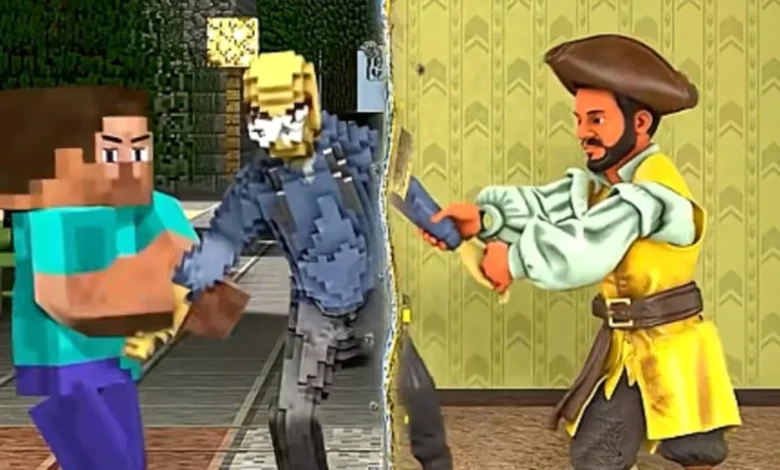
At the core of the trend is an animated video uploaded by TikTok creator @web24535 on August 31, 2026. The original short features a bizarre tug-of-war sequence involving three distinct characters: Pirate Clark, a figure associated with the Backrooms movie universe; Steve, the iconic, blocky protagonist of the sandbox survival game Minecraft; and Verity, a character originating from a lesser-known Minecraft mod environment known as the Verity ARG (Alternate Reality Game).
In the animation, Pirate Clark and Steve aggressively battle to pull Verity across a metaphorical threshold, causing Verity’s visual style to shift depending on which character is momentarily winning the struggle. Accompanying this frantic visual is a repetitive, sing-song vocal track chanting the phrase, "Verity’s from Minecraft, he belongs to Backrooms."
Within weeks of its initial posting, the video accumulated over 400,000 views, crossing the threshold from an obscure animated short into a mainstream meme template. Users across TikTok and Instagram quickly began repurposing the audio, applying it to lip-dubs, satirical video edits, slowed-and-reverb musical remixes, and complex geopolitical metaphor comparisons. The rapid escalation of the meme underscores how modern internet subcultures thrive on taking low-context, highly specific media crossovers and elevating them into widespread comedic tropes.
Chronology and Timeline of Spread
The trajectory of the "Verity’s From Minecraft" meme followed a classic viral curve, moving from initial niche distribution to widespread cultural saturation throughout September 2026.
The timeline of the trend’s acceleration maps out as follows:
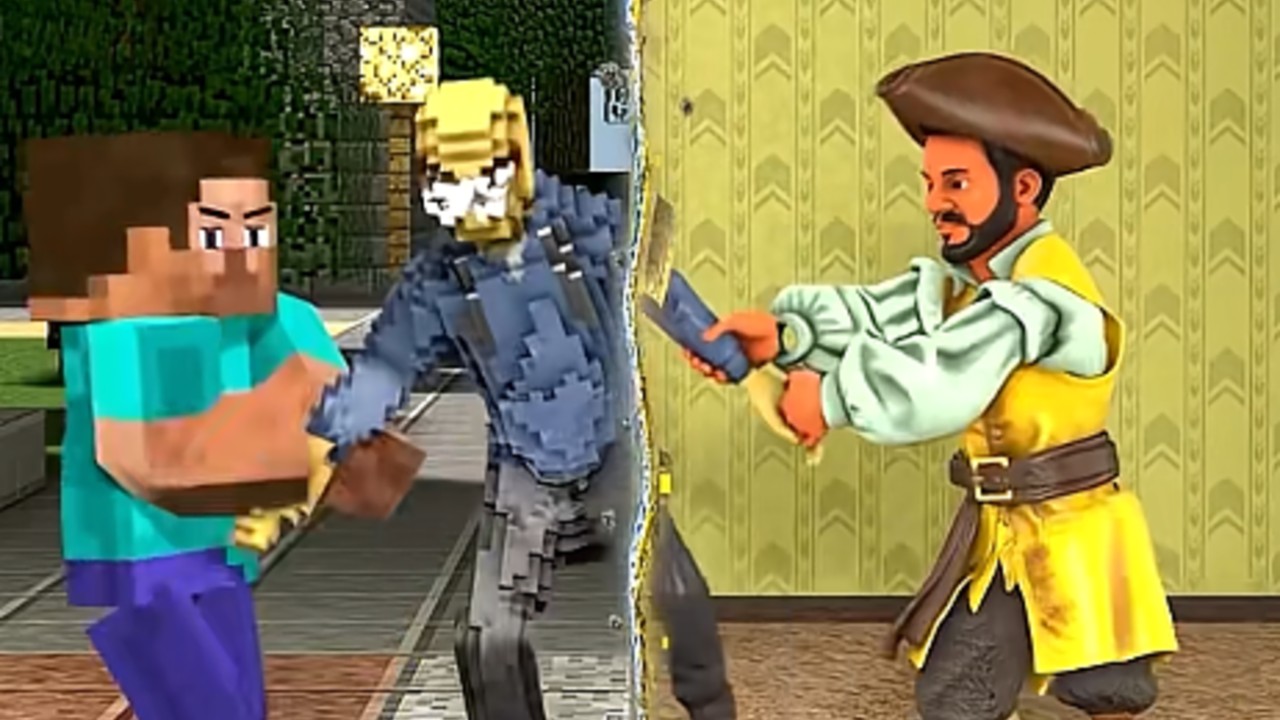
- August 31, 2026: TikTok user @web24535 publishes the original animation featuring Pirate Clark, Steve, and Verity engaged in a tug-of-war, introducing the audio track to the public.
- Early September 2026: The video steadily gains algorithmic traction, crossing 400,000 views and catching the attention of prominent meme-curation accounts and animation enthusiasts.
- September 19, 2026: Instagram user @tgpu posts a meta-meme featuring the video layered over a heated comment-section argument regarding the actual lore and origins of the Verity character. The post garners thousands of likes within 48 hours.
- September 20, 2026: The trend reaches a tipping point of diverse adaptations. TikToker @her.7hme4b publishes a geopolitical satire map of the Balkans, mapping the tensions between Serbia, Albania, and Kosovo onto the characters of the meme, accumulating over 187,000 views in a single day.
- September 20, 2026 (Later): Audio variations proliferate. Creator @dihpressed.bobby publishes a "slowed + reverb" edit of the song, pulling in over 350,000 views, while user @ojsthename uploads a popular lip-dub video that amasses more than 366,000 views.
- Mid-to-Late September 2026: A wave of secondary creators—including accounts like @limesicle, @vexbolts, and @burrrito8—begin producing reactionary content, commentary, and further lip-dubs, cementing the phrase as an entrenched meme format across short-form video feeds.
Supporting Data and Cultural Context
To understand why the meme resonated so deeply, it is necessary to examine the constituent parts of its cultural references. The Backrooms concept, originally born from a 4chan creepypasta post describing endless rooms of yellow wallpaper and fluorescent hums, has evolved into a massive multimedia subgenre, including an upcoming feature film that spawned characters like Pirate Clark. Simultaneously, Minecraft remains one of the most culturally enduring video games in history, with Steve acting as a universal digital shorthand for gaming culture at large.
The wildcard in the equation is Verity, a character hailing from a community-driven Minecraft Alternate Reality Game (ARG). ARGs are interactive storytelling games that use real-world media as a platform to deliver a story that may be altered by players’ ideas or actions. By inserting an obscure ARG character into a high-stakes, literal tug-of-war between two globally recognized media behemoths (Minecraft and the Backrooms), the original creator struck a delicate comedic balance between hyper-accessibility and niche internet gatekeeping.
Data gathered from short-form video analytics indicates that the meme’s longevity was primarily driven by audio modularity. Because the line "Verity’s from Minecraft, he belongs to Backrooms" has a rigid, sing-song cadence, it functions effortlessly as a template for user-generated remixes. Creators quickly realized the audio could be slowed down, pitched up, layered over cinematic music, or utilized in lip-sync performances where creators humorously debated the absurd premise.
Broader Impact and Implications for Digital Media
The rapid rise and proliferation of the Verity meme offer a clear window into the mechanics of modern internet humor, which increasingly favors surrealism, rapid-fire iteration, and cross-pollination of unrelated intellectual properties.
From a sociological perspective, memes like this act as digital inside jokes that scale globally through the algorithmic machinery of platforms like TikTok and Instagram Reels. When a user participates in a trend like the Verity lip-dub or political satire map, they are demonstrating cultural literacy within a hyper-specific online ecosystem. The absurdity of arguing over whether an obscure mod character "belongs" to a liminal space horror franchise or a sandbox survival game parodies the intensely passionate canon debates frequently found in mainstream fandoms like Marvel, Star Wars, or anime.
Furthermore, the trend highlights the democratization of animation and audio remixing. The original creator utilized basic digital tools to stitch together recognizable 3D models and character archetypes, proving that high production value is secondary to compelling conceptual absurdity in the pursuit of viral reach.
As digital spaces continue to fragment into specialized micro-communities, phenomena such as "Verity’s From Minecraft, He Belongs To Backrooms" demonstrate that internet culture is increasingly defined by the collision of distant digital worlds. Whether the meme will retain its staying power or fade into the fast-moving archives of internet history remains to be seen, but its brief, explosive reign in September 2026 serves as a textbook example of contemporary digital folklore in motion.