Futuristic Apple Vision Pro Spatial Personas Previewed Ahead Of Imminent Beta Release And They Sound Amazing
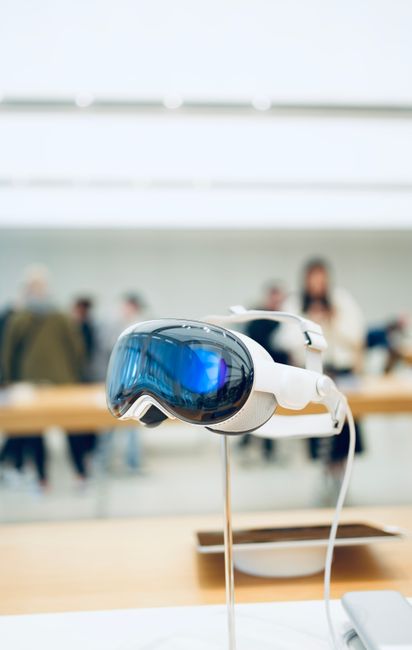
Apple Vision Pro Spatial Personas: A Glimpse into the Future of Digital Identity, Previewed Ahead of Imminent Beta Release
Apple’s upcoming Vision Pro headset, poised to redefine augmented and virtual reality experiences, is generating significant buzz, and at its heart lies the revolutionary concept of "Spatial Personas." Previewed ahead of an imminent beta release, these lifelike digital avatars are being hailed as a monumental leap forward in how we will represent ourselves and interact in immersive digital environments. The implications for communication, collaboration, and social connection are profound, promising a level of presence and realism previously confined to science fiction. Spatial Personas are not merely static 3D models; they are dynamic, expressive digital doppelgängers designed to capture the nuances of human physicality and emotion, allowing for more authentic and engaging interactions within the Vision Pro’s spatial computing paradigm.
The core innovation behind Spatial Personas lies in Apple’s sophisticated use of advanced sensor technology and machine learning to create highly accurate and responsive digital representations of users. During the initial setup of the Vision Pro, users will engage in a scanning process that captures an individual’s facial geometry, expressions, and even subtle micro-movements. This data is then meticulously processed to construct a personalized Spatial Persona. Unlike current avatar systems, which often feel uncanny or detached, Spatial Personas are engineered to mirror the user’s real-time actions with remarkable fidelity. This includes head movements, eye gaze, and the full spectrum of facial expressions – from a fleeting smile to a furrowed brow of concentration. The goal is to eliminate the digital disconnect that has plagued previous attempts at virtual presence, fostering a genuine sense of being "there" with others.
The technology powering this realism is multifaceted. High-resolution cameras and depth sensors embedded within the Vision Pro capture the user’s physical presence with unparalleled detail. This data is fed into powerful on-device machine learning models that interpret and translate these movements into corresponding digital actions for the Spatial Persona. This includes not just gross motor movements but also the delicate interplay of muscles that create genuine human expressions. Furthermore, the system is designed to learn and adapt over time, refining the accuracy and expressiveness of the Spatial Persona as the user continues to interact with the device. This adaptive learning is crucial for ensuring that the persona remains a faithful and evolving digital representation of the individual.
The development of Spatial Personas is rooted in Apple’s deep understanding of human-computer interaction and its commitment to intuitive design. The aim is to make these digital selves feel as natural and effortless to control as our own bodies. This means that as a user blinks, their Spatial Persona blinks. As they turn their head to look at someone, their persona’s gaze follows. This immediate and direct mapping of physical action to digital representation is key to achieving a sense of embodied presence. The technology aims to bypass the cognitive load often associated with controlling avatars, allowing users to focus on the conversation or task at hand rather than on manipulating their digital form.
The potential applications for Spatial Personas are vast and transformative. In professional settings, they promise to revolutionize remote collaboration. Imagine participating in a virtual meeting where colleagues are represented by lifelike Spatial Personas, allowing for natural eye contact, subtle nods of agreement, and shared moments of understanding that transcend the limitations of flat video calls. This enhanced sense of presence could foster deeper engagement, improve communication clarity, and lead to more productive teamwork, even when geographically dispersed. The ability to gesture and express oneself naturally will make virtual workspaces feel significantly more immersive and collaborative.
Beyond professional use, Spatial Personas are poised to redefine social interactions in the digital realm. Virtual hangouts with friends and family could become far more engaging and intimate. Instead of seeing a collection of 2D faces on a screen, users will be able to inhabit shared virtual spaces with their Spatial Personas, fostering a sense of togetherness and shared experience. This could be particularly impactful for maintaining connections with loved ones who live far away, offering a more emotionally resonant way to stay in touch. The ability to share a virtual space and interact with one another’s digital embodiments will create a new dimension of social connection.
The concept of "Spatial Computing" itself is intrinsically linked to the success of Spatial Personas. Apple envisions the Vision Pro as a device that seamlessly blends the digital and physical worlds, and Spatial Personas are the embodiment of the user within this blended reality. They will be the primary interface through which users interact with digital content and other users in these spatial environments. This means that the quality and realism of these personas are paramount to the overall user experience. A clunky or unrealistic persona would detract from the immersive nature of spatial computing, while a lifelike and responsive persona will enhance it.
Apple’s approach to privacy and security is also a critical consideration for Spatial Personas. Given the intimate nature of the data required to create these digital representations, the company has emphasized its commitment to on-device processing and robust privacy controls. This ensures that personal facial data is processed locally, minimizing the risk of it being transmitted or exposed. Users will have control over how their Spatial Persona is shared and used, maintaining a high degree of agency over their digital identity. This focus on privacy is essential for building trust and encouraging widespread adoption of this new technology.
The preview of Spatial Personas has sparked considerable excitement within the tech community, with many anticipating how this technology will evolve and be integrated into future applications. Developers will have a powerful new toolset to create more engaging and personalized experiences. Imagine educational applications where students can interact with historical figures or scientific concepts represented by lifelike avatars, or gaming experiences where players can inhabit their digital selves with unprecedented realism. The potential for innovation is immense, limited only by the creativity of developers and the imagination of users.
The imminent beta release signifies a crucial stage in the development of Spatial Personas. It will provide early adopters with the opportunity to test the technology, offer feedback, and contribute to its refinement. This iterative process is vital for ensuring that Spatial Personas meet the high standards expected of an Apple product and that they truly deliver on their promise of revolutionizing digital identity and interaction. The beta phase will allow Apple to gather valuable real-world usage data, identify any potential issues, and make necessary improvements before a wider public launch.
Looking ahead, the evolution of Spatial Personas could extend beyond mere visual representation. Future iterations might incorporate haptic feedback, allowing users to feel a sense of touch or presence when interacting with their digital selves or others. The integration of advanced audio processing could also further enhance the sense of realism, with spatially aware audio that mimics how sound behaves in the real world, making conversations feel more natural and present. The ability to not only see but also to feel and hear each other in a virtual space will be the next frontier in embodied digital interaction.
In conclusion, the preview of Apple Vision Pro’s Spatial Personas, ahead of their beta release, presents a compelling vision for the future of digital identity. The sophisticated technology, commitment to realism, and focus on user experience suggest that these lifelike avatars are poised to usher in a new era of immersive communication and collaboration. The potential to foster deeper connections, enhance productivity, and unlock new avenues of creativity is undeniable, positioning Spatial Personas as a cornerstone of Apple’s ambitious spatial computing ecosystem. The imminent beta release is a critical step towards making this futuristic vision a tangible reality for users worldwide, offering a tantalizing glimpse into a future where our digital selves are as real and expressive as our physical ones.


