MacOS Golden Gate 27.2 beta code signals imminent arrival of touchscreen MacBook Ultra with advanced gesture controls

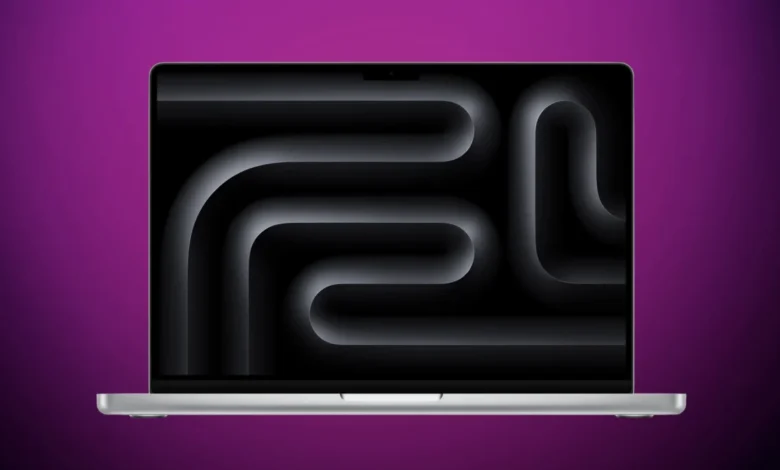
The recent deployment of the macOS Golden Gate 27.2 beta has ignited intense industry speculation regarding Apple’s hardware roadmap, as developers have uncovered specific code references to advanced touch-based gesture recognition across core system applications. These technical indicators strongly suggest that the company is laying the foundational software infrastructure for a highly anticipated "MacBook Ultra," a rumored hardware transition that would introduce a native touchscreen experience to the professional Mac lineup.
As of October 5, 2026, the discovery of specialized gesture identifiers—ranging from touch-sensitive "sentinel" recognizers in Safari to dwell-gesture triggers in the Photos app—marks a departure from the traditional trackpad-only interface that has defined the Mac experience for decades. While Apple has previously integrated touch support through its Sidecar feature, which bridges the gap between iPad displays and Mac workstations, the specificity of these new code strings points toward a more permanent, system-integrated solution designed for a dedicated high-end touchscreen laptop.
Unpacking the Technical Evidence
The software traces identified in the 27.2 beta are categorized by their interaction logic, suggesting that Apple is refining a cohesive language for touch input across its primary productivity suite. Specifically, the Safari browser has received a "touch sentinel recognizer," an architectural component likely intended to manage complex web interactions via touch input. Furthermore, the Photos application includes the PXGTouchDwellGestureRecognizer, which implies the implementation of "dwell" mechanics—where a user holds a finger in place to trigger secondary menus or specific editing tools.
The Notes application has been updated with the ICTouchPressGestureRecognizer, hinting at advanced document navigation or drawing capabilities optimized for a direct-touch interface. Perhaps most significant for users who manage large file libraries, the Quick Look feature has been augmented with a "dragTouch" capability, which would theoretically allow for seamless file manipulation, rotation, and resizing using gestures similar to those found in iOS and iPadOS.
The Evolution of macOS Touch Strategy
The transition toward touch-friendly macOS interfaces has been a gradual, iterative process rather than a sudden pivot. This trajectory began in earnest with the initial launch version of macOS Golden Gate, which introduced pull-to-refresh mechanics across native applications including Mail, Calendar, and Safari. By replicating these familiar smartphone paradigms on the desktop, Apple has been subtly acclimating its user base to a paradigm where the screen serves as an active input device.
However, industry analysts note that the presence of these gestures does not definitively confirm a touchscreen Mac, as they remain technically compatible with existing Sidecar configurations. Since the release of previous versions of macOS Golden Gate, Sidecar has gained increased feature parity with the native iPad interface. The current iteration could simply be an extension of Apple’s effort to ensure that users who pair an iPad as a secondary display enjoy a fluid, consistent experience. Yet, the depth of the new code, particularly in core apps like Quick Look and Notes, suggests a degree of optimization that exceeds the needs of a secondary display peripheral.
The MacBook Ultra: Context and Rumored Specifications
The hardware likely to debut these features—the "MacBook Ultra"—has been the subject of supply chain rumors for much of 2026. If the product arrives in the rumored late 2026 or early 2027 window, it is expected to serve as a flagship model, differentiating itself from the standard MacBook Pro line through a combination of industrial design and cutting-edge display technology.
Recent supply chain leaks indicate that the device will feature an OLED panel, which is essential for a touch-enabled laptop due to its superior power efficiency and thin-film properties compared to traditional Mini-LED or LCD displays. Furthermore, the laptop is expected to be significantly lighter and thinner than the current M5-series MacBook Pros. Integration of the Dynamic Island, currently a hallmark of the iPhone and iPad Pro, is also highly anticipated, potentially providing a hub for system notifications and active background processes that can be interacted with directly via touch.
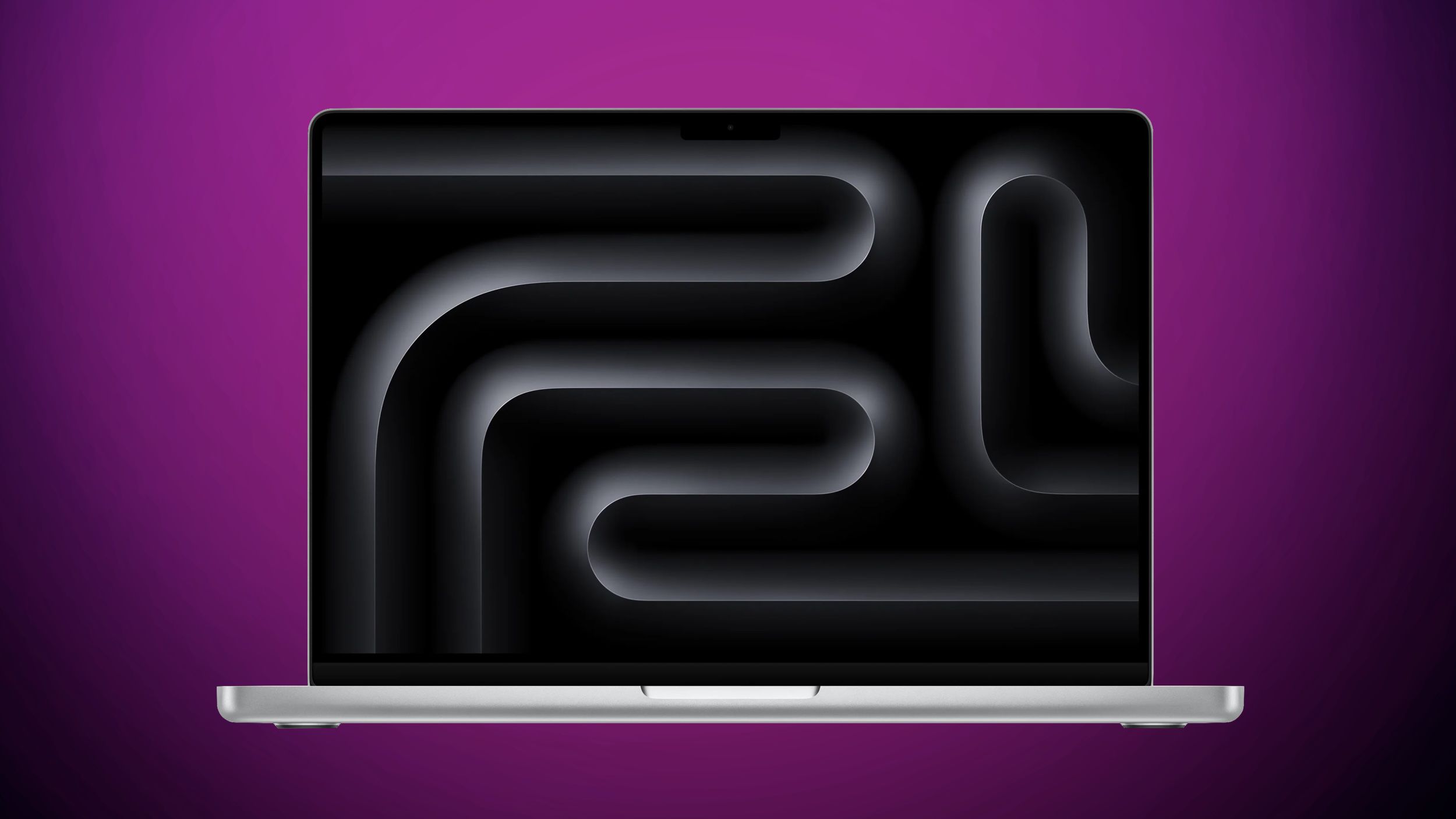
Powering this hardware will be the high-performance M5 Pro and M5 Max silicon. These chips have already demonstrated exceptional efficiency in the current MacBook Pro line, but in the context of the MacBook Ultra, they would be tasked with managing the increased thermal and power demands of a high-resolution, touch-sensitive OLED display.
A Shifting Ecosystem: The Broader Impact
The potential introduction of a touchscreen Mac would represent one of the most significant strategic pivots in Apple’s corporate history. Since the launch of the original MacBook, the company has maintained a strict separation between its touch-first mobile devices and its pointer-based desktop computing environment. Former Apple executives, most notably Steve Jobs, famously dismissed the idea of touchscreens on laptops as "ergonomically terrible," citing the physical fatigue caused by reaching out to interact with a vertical display.
However, the industry has evolved. Competitors have successfully integrated touchscreens into professional workflows, and the widespread adoption of Apple Silicon has blurred the lines between the macOS and iOS/iPadOS app ecosystems. With developers now able to build universal binaries that run seamlessly across both platforms, a touchscreen Mac is a logical progression toward a truly unified Apple software experience.
Privacy and Security Challenges
As Apple integrates more advanced input methods and autonomous AI features—highlighted by recent updates to Siri and the introduction of AI-agent frameworks—the company is simultaneously grappling with security concerns. The recent announcement regarding "Full Disk Access" changes in macOS demonstrates that Apple is increasingly concerned with how third-party AI agents, such as those integrated via the new Siri architecture, interact with sensitive user data.
The introduction of touch input on a Mac would add another layer of complexity to this security model. Developers and privacy advocates are already raising questions about how "touch gestures" might be interpreted by background processes and whether these inputs could be logged or exploited by unauthorized software. Apple’s emphasis on privacy-centric architecture suggests that any move toward a touch-capable Mac will be accompanied by stringent hardware-level security, likely utilizing the Secure Enclave to handle gesture-based biometric authentication or intent-based commands.
Timeline and Industry Outlook
While the October 2026 beta release of macOS 27.2 provides a clear roadmap, the official launch of the MacBook Ultra remains contingent on manufacturing yields for the new OLED displays. Suppliers in the East Asian supply chain have reportedly begun ramping up production of the thin-film transistor (TFT) layers required for the touch-sensitive OLED panels.
Should Apple maintain its historical product cycle, an announcement could occur as early as the first quarter of 2027. This would allow the company to position the MacBook Ultra as the definitive device for the next generation of creative professionals, blending the raw power of the M5 Max with the intuitive, tactile interface of the iPad.
Ultimately, the inclusion of code referencing touch gestures in macOS Golden Gate 27.2 serves as a pivotal breadcrumb in the ongoing evolution of the Mac. Whether the final product is a radical departure from the traditional laptop form factor or a refined, incremental update, it is clear that Apple is preparing its software to embrace a future where the line between the keyboard and the screen is permanently erased. For the average user, the impact will likely be felt in the increased speed of navigation and a more natural, intuitive workflow, marking the beginning of a new era for the Mac computing platform.