The Next Apple Tv Should Replace All Of My Gaming Consoles Heres How It Could
The Next Apple TV: Your All-in-One Gaming Console Replacement.
The current trajectory of Apple’s hardware innovation strongly suggests that the next iteration of the Apple TV has the potential to not only consolidate your entertainment but also decisively replace your gaming consoles. This isn’t a hypothetical; it’s an achievable evolutionary leap based on Apple’s established ecosystem, its increasing investment in gaming, and the inherent limitations and fragmentation of the console market. The primary driver for this transformation lies in Apple’s mastery of seamless integration and its commitment to a unified user experience. Imagine a single device, elegantly designed and already a central hub for your streaming services, that can seamlessly transition from watching a 4K HDR movie to launching a graphically intensive AAA title with console-level fidelity. This unified approach eliminates the clutter of multiple boxes, controllers, and charging cables, presenting a streamlined, user-friendly alternative that appeals to a broad demographic.
Apple’s existing prowess in the gaming sphere, primarily through Apple Arcade and its expanding support for MFi (Made for iPhone) controllers, serves as a crucial foundation. Apple Arcade, while currently focusing on curated, high-quality mobile titles, demonstrates Apple’s understanding of game design, its ability to attract developers, and its capacity to deliver premium gaming experiences. The service’s success has paved the way for a more ambitious gaming strategy. By leveraging its powerful A-series or even M-series silicon, the next Apple TV can effortlessly handle the graphical demands of titles that currently reside solely on PlayStation, Xbox, and Nintendo Switch. This isn’t about running mobile games at higher resolutions; it’s about rendering complex 3D environments, advanced physics, and sophisticated lighting effects that rival or surpass current-generation consoles. The processing power already found in iPads and Macs, which are significantly more powerful than many current gaming consoles, is a testament to Apple’s silicon capabilities. Translating this power into a living room-centric device is a logical and achievable next step.
Furthermore, the economic realities of console gaming are becoming increasingly unsustainable for many consumers. The upfront cost of a new console, coupled with the expense of individual game purchases, often exceeding $70 per title, and ongoing subscription fees for online multiplayer, creates a significant financial barrier. Apple, with its subscription-based models like Apple Arcade and its potential for a more robust gaming subscription service, can offer a more accessible and predictable cost of entry. If the next Apple TV were to integrate a comprehensive gaming subscription that offered a vast library of AAA titles, similar to Xbox Game Pass but with the polish and integration expected from Apple, it would dramatically undercut the existing console model. This subscription could potentially include new releases, ensuring that users always have access to the latest and greatest games without the burden of individual purchases.
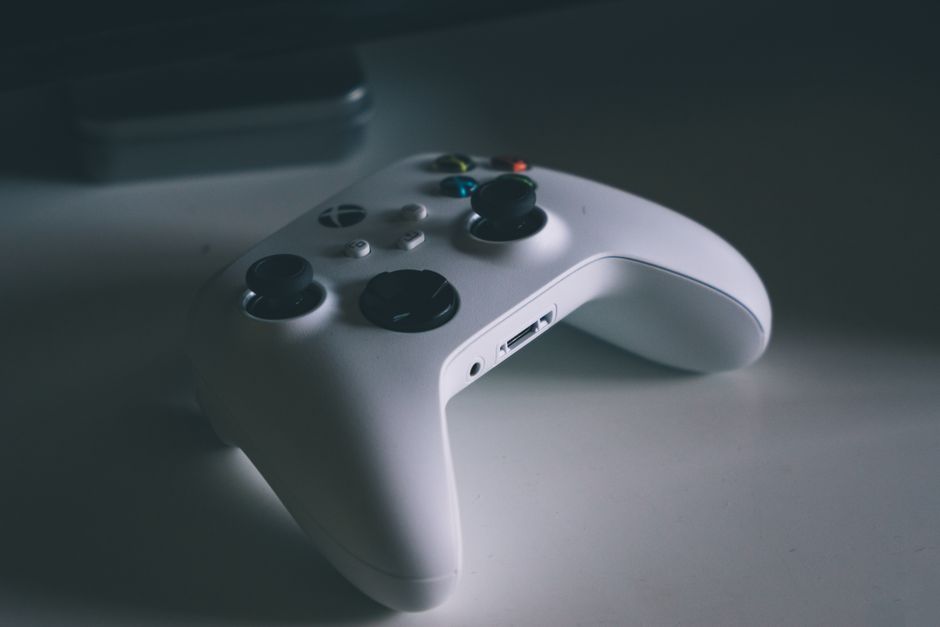
The control paradigm is another area where Apple has the potential to revolutionize console gaming. While the Siri Remote is excellent for navigation and media consumption, it’s not designed for fast-paced gaming. However, Apple’s extensive support for Bluetooth controllers, including its own MFi certification program, means that a vast array of high-quality input devices are already compatible. The next Apple TV could feature enhanced Bluetooth capabilities or even a proprietary low-latency wireless protocol optimized for gaming, ensuring a responsive and immersive experience with both third-party and potentially Apple-designed controllers. Imagine a sleek, ergonomic controller designed by Apple that seamlessly pairs with the Apple TV, offering haptic feedback and features tailored for gaming, further blurring the lines between an entertainment box and a dedicated gaming machine.
The key differentiator for Apple in replacing consoles lies in its ecosystem and its commitment to a unified software experience. Console platforms, despite their improvements, often feel siloed. Games are locked to specific hardware, and cross-platform play, while growing, is still not ubiquitous. Apple’s existing infrastructure, with the App Store as a central repository for applications and games, provides a natural pathway for this expansion. Developers are already familiar with the Apple ecosystem and its development tools. The transition to creating console-quality games for the Apple TV would be a more streamlined process than porting to multiple disparate console architectures. Moreover, Apple’s robust cloud infrastructure can facilitate cloud gaming, allowing users to stream demanding titles even on less powerful versions of the Apple TV hardware, further broadening its appeal and reducing hardware dependency.
The fragmentation of the current gaming market is a significant advantage for Apple. Consumers are often faced with the decision of which console to invest in, leading to the "console wars" and the potential for feeling left out of exclusive titles. A powerful, versatile Apple TV that can run a wide range of games, potentially even offering cross-play with PC and mobile platforms where feasible, democratizes gaming. Instead of choosing between a PlayStation for its exclusives or an Xbox for its services, consumers could opt for a single device that offers a compelling gaming experience alongside all their other entertainment needs. This simplification of the living room setup is a powerful draw for a market increasingly seeking convenience and integration.
Apple’s hardware design philosophy, which prioritizes aesthetics and user-friendliness, would also set it apart. Console hardware, while functional, often prioritizes performance over visual appeal. An Apple TV designed as a gaming console replacement would undoubtedly feature a sleek, minimalist design that blends seamlessly into any home decor, eschewing the often bulky and utilitarian designs of current consoles. The user interface would be equally polished, offering an intuitive and visually appealing gaming hub that complements the existing tvOS experience. Navigating game libraries, managing downloads, and accessing settings would be as effortless as browsing your favorite streaming service.
The integration of existing Apple services would further solidify the Apple TV’s position as a console replacement. Imagine seamless integration with Apple Music for in-game soundtracks, iCloud for game saves, and even FaceTime for voice chat with friends. This deep integration creates a cohesive and convenient experience that other platforms struggle to replicate. For families, this could mean shared game libraries and parental controls that are already familiar to users of other Apple devices, simplifying management and ensuring a safe and enjoyable gaming environment for all.
The technological advancements required for this transition are not insurmountable. Apple’s chip division has consistently pushed the boundaries of mobile and laptop processing power. The A17 Pro chip found in the iPhone 15 Pro, for example, demonstrates a remarkable leap in graphical performance, capable of running console-like games. Extrapolating this to a device designed for sustained gaming performance, with a more robust cooling system and potentially even an M-series chip, is well within Apple’s capabilities. The development of more sophisticated graphics APIs and Metal optimization for tvOS would further enhance the gaming experience, enabling developers to harness the full potential of the hardware.
The potential for an Apple-designed controller is also significant. While MFi controllers are excellent, a first-party controller could offer unique features, such as adaptive triggers similar to the PlayStation DualSense, advanced haptic feedback, and even integrated displays for in-game information. This would provide Apple with another avenue to differentiate its gaming offering and provide a truly premium control experience. The integration of such a controller would be seamless, further enhancing the console-replacement narrative.
The economic argument is also compelling. While Apple typically commands a premium, the proposition of a single device replacing multiple expensive consoles and their accompanying games could represent significant long-term savings for consumers. A well-curated subscription service, coupled with the ability to purchase individual titles at competitive prices, would make the Apple TV a more attractive financial proposition than maintaining separate gaming ecosystems. The perceived value would be high, especially for consumers who are already invested in the Apple ecosystem.
The competitive landscape of the gaming industry is ripe for disruption. While Sony and Microsoft dominate the traditional console market, and Nintendo occupies its own unique space, Apple’s entry as a direct competitor, leveraging its existing market share and brand loyalty, could fundamentally alter the landscape. The limitations of current consoles, such as their relatively slow loading times, proprietary operating systems, and often complex user interfaces, provide ample opportunity for Apple to introduce a more streamlined and user-friendly alternative.
In conclusion, the next Apple TV is not just a logical evolution of the current device; it’s a plausible and strategically advantageous move for Apple to become a dominant force in the gaming market, effectively rendering traditional gaming consoles obsolete for many consumers. By combining its formidable silicon prowess, a refined ecosystem, a commitment to user experience, and a potentially disruptive subscription model, Apple has the capacity to deliver a single, elegant device that caters to all your entertainment and gaming needs, simplifying your living room and consolidating your digital life. The pieces are all in place for Apple to transition from an entertainment streamer to the ultimate all-in-one living room device, with gaming at its core.


