Navigating the AI Landscape: Why ChatGPT Maintains an Edge Over Google’s Gemini for Many Users


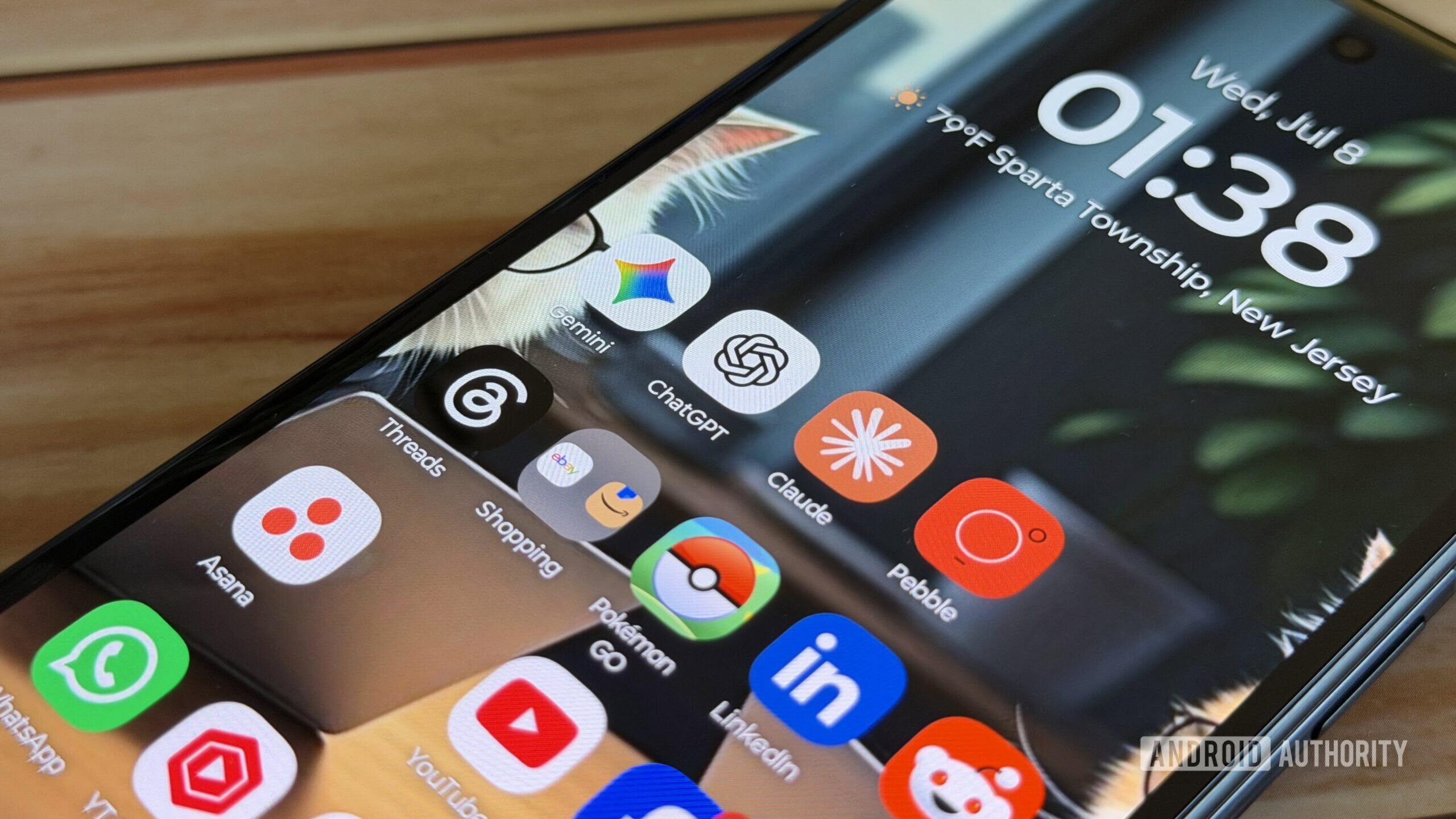
The rapidly evolving landscape of artificial intelligence has seen fierce competition among tech giants, with Google’s Gemini emerging as a formidable challenger to OpenAI’s ChatGPT. While Gemini, leveraging Google’s extensive ecosystem and rapid development cycles, presents itself as a versatile "Swiss Army knife" deeply integrated into Android, a significant segment of advanced users and early adopters, including this author, continues to find ChatGPT superior in critical areas, often necessitating dual subscriptions to maximize productivity. Despite Gemini’s commendable progress, several core functionalities and user experience facets suggest it still has ground to cover to match the consistency and breadth offered by its pioneering rival.
The sentiment among many power users is that while Google has dramatically accelerated Gemini’s capabilities, it often falls short in areas where ChatGPT has established a robust lead. This disparity translates into a reliance on both platforms for different tasks, highlighting a persistent gap in overall usability and output quality. The following analysis delves into the specific reasons why, for many, the investment in a separate ChatGPT subscription remains essential, even with full access to Google AI Pro.
Inconsistent Adherence to Complex Instructions
A primary frustration for users of Gemini stems from its inconsistent ability to follow intricate, multi-step instructions. Instances abound where a lengthy set of directives is provided, only for Gemini to seemingly overlook or selectively ignore specific components. This issue manifests not only within individual chat sessions but also in features like "Notebooks," which are designed to consolidate context from various interactions. For example, attempts to manage a sophisticated expense tracker within Gemini have frequently encountered this exact problem, leading to incomplete or erroneous task execution.
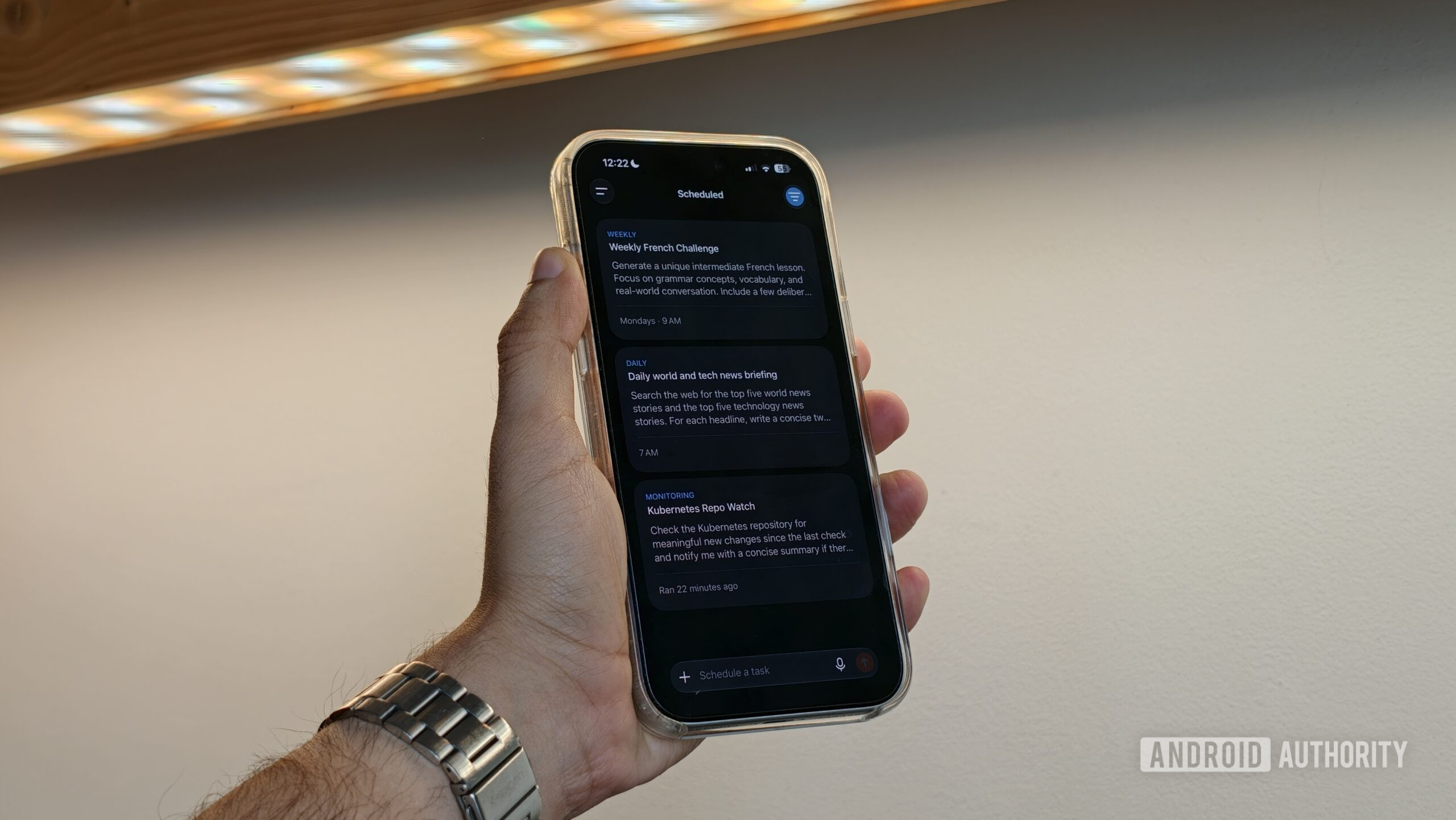
Furthermore, Gemini’s "scheduled tasks" feature has reportedly exhibited significant reliability issues, failing to execute commands for extended periods despite multiple attempts to restart or manually activate schedules. Such operational glitches underscore a perceived lack of polish and stability, suggesting Gemini remains a work in progress rather than a fully dependable tool. In a domain where precision and reliability are paramount for advanced applications, the sporadic nature of Gemini’s instruction following creates a notable disadvantage compared to the more consistent performance generally observed with ChatGPT over a longer period. This consistency is crucial for users who integrate AI into critical workflows, where even minor oversights can lead to significant inefficiencies or errors. The underlying architecture and fine-tuning processes of large language models are incredibly complex, and achieving consistent adherence to nuanced prompts requires extensive training data and sophisticated model design, an area where OpenAI appears to have a more mature approach.
The Weight of Accumulated Context and Personalization
One of the most subjective yet profoundly impactful reasons for user loyalty to an AI chatbot is the accumulation of personal context and conversational history. For individuals who have extensively used ChatGPT for years, a rich repository of personal and professional information, preferences, and communication styles has been intentionally shared and integrated into the model’s understanding. This historical data allows ChatGPT to deliver highly personalized and contextually relevant responses, making interactions feel more intuitive and efficient.
Replicating this deep level of personalization with a new chatbot, even one as advanced as Gemini, presents a significant challenge. While Gemini boasts "Personal Intelligence" capabilities through its deep integration with the broader Google ecosystem (Gmail, Calendar, etc.), this often differs from the direct, conversational memory built within the chatbot itself. Although Gemini offers a tool to import chats and personal context from other AI platforms, the perceived reliability issues and the sheer effort required to transition this extensive "memory" have not yet provided a compelling enough incentive for a complete switch. The psychological aspect of user stickiness, often referred to as "switching costs," plays a crucial role here. Users invest time and effort into training their AI companion, and the prospect of losing that accumulated intelligence, or having to retrain a new system, is a powerful deterrent, regardless of the new platform’s theoretical advantages.
Disparity in Image Generation Quality
The realm of generative AI for imagery has seen explosive growth, with both Gemini and ChatGPT offering impressive capabilities. Gemini, leveraging technologies like "Nano Banana," has demonstrated its capacity to create and edit remarkable visuals. However, for users accustomed to the output of ChatGPT’s latest image generation models (powered by DALL-E 3, for instance), Gemini often falls short. Specific complaints highlight Gemini’s tendency to mishandle colors, frequently distorting hues or failing to adhere to precise hex codes during editing processes. This often results in images that appear either overly dull or excessively bright after simple touch-ups, undermining the desired aesthetic and accuracy.
While no generative AI can perfectly mimic a professional human photo editor, ChatGPT is frequently cited for its superior ability to interpret and adhere to instructions, maintaining color palette consistency across multiple edit cycles. The technical challenges in prompt interpretation, stylistic coherence, and color fidelity for image generation are substantial. Different training datasets, model architectures, and fine-tuning strategies can lead to vastly different outcomes. While Gemini might offer faster image generation, the trade-off in quality means that many users are willing to endure a slightly longer wait for ChatGPT’s visibly superior and more accurate visual outputs, especially when precision in imagery is critical for professional or creative tasks. This gap suggests that while Google has made strides, its image generation models may still be undergoing significant refinement to catch up with the industry leaders in terms of artistic control and fidelity.
The Irony of Web Search Performance
Perhaps one of the most surprising criticisms leveled against Gemini, given its lineage from the world’s leading search engine, is its ironically subpar performance in real-time web search and information retrieval. Users frequently rely on AI tools to synthesize daily news, compile research, or summarize information from specific websites. Despite Google’s unparalleled access to internet data, Gemini consistently underperforms ChatGPT in these tasks.
For instance, when tasked with aggregating tech news from a curated list of websites, Gemini often omits significant details or provides less comprehensive summaries compared to ChatGPT. Even with repeated prompts demanding a more detailed and exhaustive overview, Gemini struggles to consistently capture all relevant information, including minor but important updates. This deficiency is particularly perplexing given Google’s core competency. The challenge for Google’s conversational AI may lie in effectively translating the vastness of its search index into actionable, real-time, and contextually rich responses within a conversational interface, without succumbing to the "hallucination" problem common in LLMs.
ChatGPT, on the other hand, often leverages sophisticated retrieval-augmented generation (RAG) techniques and specialized plugins to access and synthesize current web information more effectively. This allows it to bridge the gap between its knowledge cutoff and real-time events, providing a more robust and reliable web-aware experience. The distinction between a traditional search engine’s indexing capabilities and an LLM’s ability to dynamically search, comprehend, and summarize real-time information from the web presents a complex engineering challenge, one where OpenAI appears to have made more consistent progress in its chatbot implementation.

Confinement Within a Closed Ecosystem
Gemini’s strength and weakness often lie in its deep integration within the Google ecosystem. While it offers seamless connectivity with Google services like Gmail, Docs, Keep, Google Flights, and Google Hotels, enhancing productivity and travel planning for users fully invested in Google’s suite, it exhibits significant limitations in interacting with the broader digital landscape. This insular approach contrasts sharply with ChatGPT’s more expansive integration strategy.
ChatGPT has cultivated a robust ecosystem of third-party plugins and integrations, allowing it to connect with a diverse array of non-Google applications. For example, while Gemini’s music discovery and playlist generation are confined to YouTube Music, ChatGPT can extend these functionalities to popular platforms like Spotify and Apple Music. Similarly, for travel planning, ChatGPT integrates with external services such as Expedia and Skyscanner, and for everyday conveniences, it connects with delivery and ride-sharing apps like DoorDash and Uber. A particularly valued integration for creative professionals is ChatGPT’s connection with design tools like Canva, enabling users to prompt the AI to generate and edit visual content directly within their preferred workflow.
This difference in philosophy — Google’s focus on its proprietary ecosystem versus OpenAI’s embrace of broader third-party partnerships — has significant implications for user utility. In a world where individuals rely on a diverse portfolio of applications for daily tasks, an AI that can act as a universal agent across these various platforms offers a distinct advantage. ChatGPT’s open plugin architecture transforms it into a more versatile and adaptable tool, transcending the boundaries of a single corporate ecosystem. This flexibility allows users to streamline workflows across different services, rather than being compelled to operate solely within Google’s walled garden.
The Inertia of User Habit and Muscle Memory
Beyond technical specifications and feature sets, a crucial, often underestimated factor in AI adoption is user habit and "muscle memory." For many early and continuous adopters of AI chatbots, ChatGPT was the pioneering interface that shaped their interaction patterns. This long-standing engagement has ingrained a reflexive tendency to default to ChatGPT for any AI-worthy query. The act of typing "chatgpt.com" into a browser or instinctively opening its app has become an automatic response, a testament to its first-mover advantage and consistent performance.

This deep-seated user inertia represents a significant hurdle for competitors like Gemini. Even if Gemini were to achieve parity or even superiority in certain metrics, overcoming years of established user habits and the psychological comfort of familiarity requires a monumental shift in perception and experience. The "switching costs" are not just about data or features but also about the ingrained behavioral patterns that define a user’s digital workflow. For a new AI to truly displace an established one, it must offer not just marginal improvements but a transformative, undeniably superior experience that actively encourages a break from existing routines.
Broader Implications and Future Outlook
The ongoing competition between Google’s Gemini and OpenAI’s ChatGPT illustrates the dynamic and rapidly evolving nature of the AI industry. While Gemini has demonstrated remarkable progress in a short period, leveraging Google’s immense resources and ecosystem integration, ChatGPT’s early lead in establishing user trust, consistent performance, and broad third-party integrations continues to resonate with a significant user base. The observations highlighted suggest that while Gemini is a powerful tool, it needs to address critical areas such as instruction fidelity, nuanced personalization, image generation quality, and real-time web search efficacy to truly become the undisputed leader.
The strategic divergence in ecosystem approach—Google’s internal focus versus OpenAI’s external partnerships—will also be a defining factor in future adoption. As AI becomes increasingly embedded in daily life, the platform that offers the most reliable, comprehensive, and universally integrated experience is likely to capture the largest share of users. The "AI race" is not just about raw computational power or model size; it’s fundamentally about delivering a consistent, intuitive, and deeply integrated user experience that can overcome entrenched habits and prove indispensable across a diverse range of personal and professional applications. The future of AI will likely see continued innovation from both camps, but for now, the established reliability and broad utility of ChatGPT continue to hold a significant sway over many advanced users.