Mastering Facebook Ad Dimensions: A Comprehensive Guide for Optimal Campaign Performance


In the dynamic landscape of digital advertising, the precise technical specifications for ad creative on Meta’s platforms, particularly Facebook, are not merely guidelines but critical determinants of campaign success. Adhering to the recommended Facebook ad sizes, aspect ratios, and file types ensures that marketing messages are displayed optimally across diverse placements, from the bustling News Feed to immersive Stories and Reels, ultimately enhancing user experience and driving engagement. This meticulous attention to detail is paramount for advertisers aiming to maximize their reach and return on investment in an ecosystem boasting over 3.07 billion monthly active users as of late 2023, predominantly accessing the platform via mobile devices.
The Evolution and Importance of Meta’s Advertising Ecosystem

Meta Platforms, Inc., encompassing Facebook, Instagram, Messenger, and Audience Network, has cultivated one of the most expansive and sophisticated advertising networks globally. The consistent evolution of its platforms, marked by the introduction of new content formats like Stories and Reels, necessitates a flexible yet precise approach to ad creative. The term "Facebook ad sizes" and "Meta ad sizes" are interchangeable, referring to the unified specifications across this vast family of applications. These guidelines are not arbitrary; they are meticulously crafted to align with user consumption habits, device capabilities, and the overarching goal of maintaining a seamless and engaging platform experience. For marketers, understanding these specifications is the first step towards crafting compelling visuals that resonate without being truncated, distorted, or rejected.
Universal Guidelines for Facebook (Meta) Ads
Before diving into placement-specific details, several foundational guidelines apply broadly across almost all Facebook ad formats. These universal rules streamline the creative process and help maintain a high standard of ad quality:

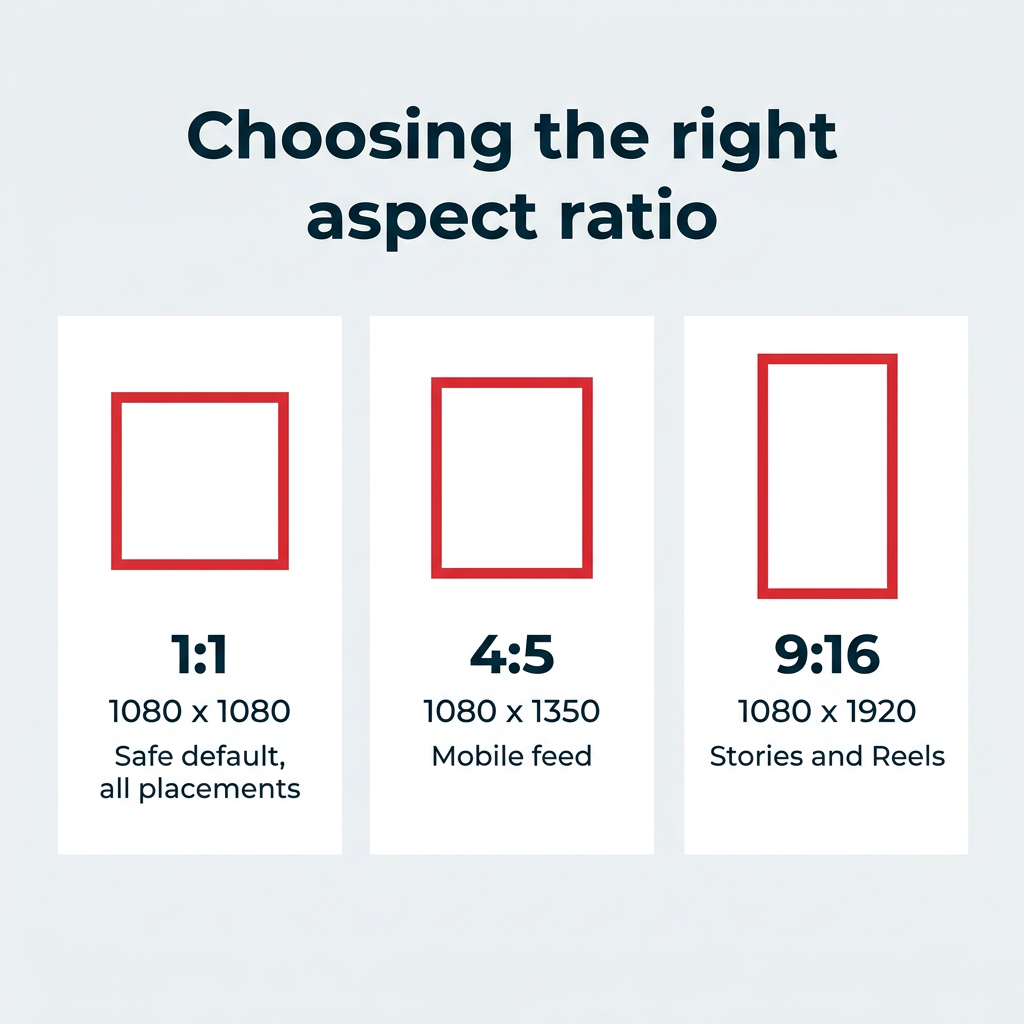
- Aspect Ratio Flexibility: While 1:1 (square) remains a versatile default, 4:5 (vertical) is often preferred for mobile Feed ads as it occupies more screen real estate, and 9:16 (full vertical) is essential for immersive formats like Stories and Reels.
- High-Resolution Assets: Always aim for the highest possible resolution for images and videos to ensure crispness and clarity, even if the platform scales them down. Recommended pixel dimensions typically range from 1080 pixels on the shortest side upwards.
- File Types: Common supported image formats include PNG and JPG, while videos widely accept MP4, MOV, and GIF.
- File Size Limits: Image files are generally capped at 30MB, while video files can be significantly larger, up to 4GB, reflecting the richer content they carry.
- Text Overlay: While Meta no longer strictly enforces the 20% text-on-image rule, ads with minimal text overlay tend to perform better and achieve broader delivery, suggesting a preference for visual storytelling.
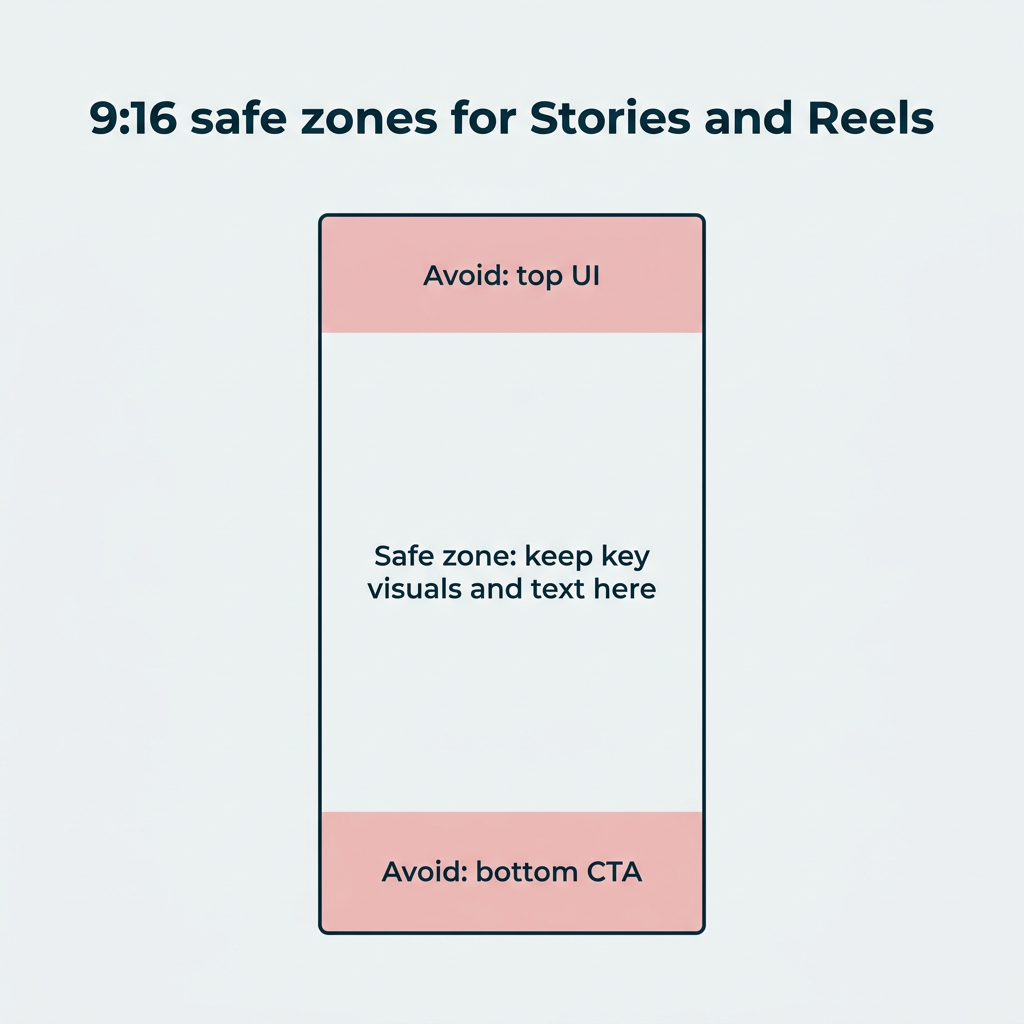
- Safe Zones: For vertical formats (9:16), it’s crucial to keep key visual elements and calls-to-action (CTAs) within designated "safe zones" to prevent them from being obscured by UI elements (profile picture, action buttons) at the top and bottom of the screen.
Detailed Breakdown of Key Facebook Ad Placements and Specifications
To navigate Meta’s diverse advertising landscape effectively, a granular understanding of each placement’s specific requirements is indispensable.
1. Facebook Feed Ads
The News Feed is arguably the most recognized placement, offering an endlessly scrollable stream of content. Ads here can be single images, videos, or carousels. Given that a significant majority (over 80%) of Facebook users access the platform via mobile, optimizing for the mobile feed is crucial.
-
Feed Image Ads:
- Recommended Size: 1440 x 1440 pixels (1:1) or 1440 x 1800 pixels (4:5).
- Aspect Ratio: 1:1 (square) or 4:5 (vertical). The 4:5 ratio is often superior for mobile as it fills more of the screen, reducing visual competition.
- File Types: PNG, JPG.
- Max File Size: 30MB.
- Strategic Insight: The first ad often appears as the second item in a user’s feed, making a strong initial visual impact critical.
-
Feed Video Ads:
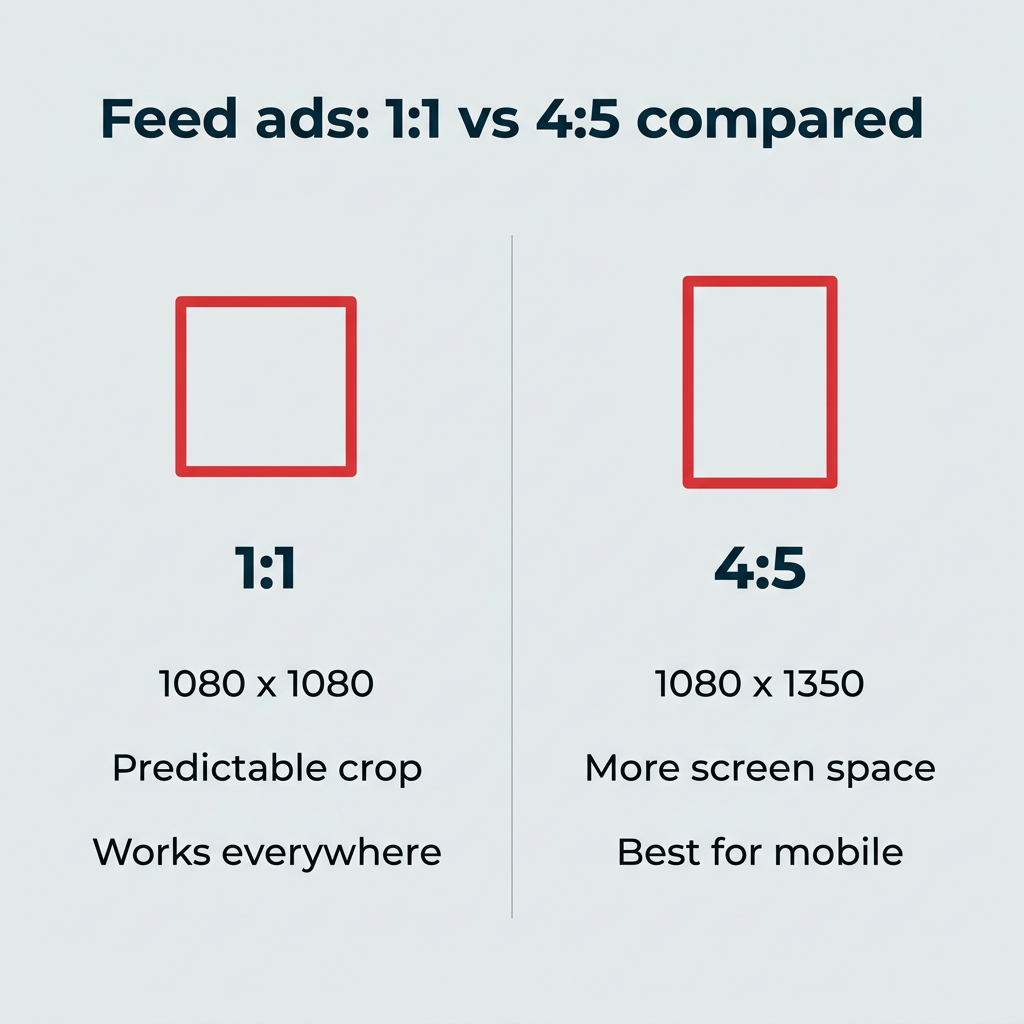
- Recommended Size: 1440 x 1440 pixels (1:1) or 1440 x 1800 pixels (4:5).
- Aspect Ratio: 1:1 or 4:5.
- File Types: MP4, MOV, GIF.
- Max File Size: 4GB.
- Strategic Insight: Videos in the feed can capture attention effectively, especially with auto-play functionality. Crafting engaging content for the first few seconds is paramount.
2. Facebook Carousel Ads
Carousel ads are highly versatile, allowing advertisers to showcase between two and ten images, videos, or a combination, each with its own link. They are popular for their ability to tell a story or highlight multiple products/features.
-
Carousel Image Ads:

- Recommended Size: 1080 x 1080 pixels or larger.
- Aspect Ratio: 1:1 (square). A 4:5 ratio is supported for Advantage+ catalog carousels, which leverage product feeds.
- File Types: PNG, JPG.
- Max File Size: 30MB per card.
- Strategic Insight: Ideal for e-commerce, product showcases, or multi-step narratives. Each card can lead to a different product page, offering a rich browsing experience.
-
Carousel Video Ads:
- Recommended Size: 1080 x 1080 pixels or larger.
- Aspect Ratio: 1:1.
- File Types: MP4, MOV, GIF.
- Max File Size: 4GB per card.
- Strategic Insight: Allows for dynamic storytelling across multiple video segments, perfect for tutorials, product demonstrations, or behind-the-scenes glimpses.
3. Facebook Stories Ads
Stories ads appear between organic Stories, offering an immersive, full-screen vertical experience. Their ephemeral nature and high engagement rates make them a powerful format.
-
Stories Image Ads:
- Recommended Size: 1440 x 2560 pixels (aim for a minimum width of 500 pixels).
- Aspect Ratio: 9:16 (full vertical).
- File Types: PNG, JPG.
- Max File Size: 30MB.
- Safe Zone: Crucially, keep essential visuals and CTAs within the central 1080 x 1420 pixel area to avoid obstruction by UI elements.
-
Stories Video Ads:
- Recommended Size: 1440 x 2560 pixels (aim for a minimum width of 500 pixels).
- Aspect Ratio: 9:16.
- File Types: MP4, MOV, GIF.
- Max File Size: 4GB.
- Duration: Video Story ads typically play for 10 seconds.
- Strategic Insight: Stories are highly effective for direct engagement, brand building, and driving traffic with "swipe-up" (or tap) calls to action. The same specifications apply to Messenger Stories.
4. Facebook Reels Ads

Reels, Meta’s answer to short-form vertical video, are highly engaging. Ads are seamlessly inserted between organic Reels, with the option to promote existing content or create ad-specific videos.
-
Reels Image Overlay Ads:
- Recommended Size: 1080 x 1080 pixels or larger.
- Aspect Ratio: 1.91:1 to 1:1 (for the overlay image).
- File Types: PNG, JPG.
- Max File Size: 30MB.
- Strategic Insight: These appear as small, static banners at the bottom of an organic Reel, requiring a concise image and ad copy to stand out.
-
Reels Video Ads:

- Recommended Size: 1440 x 2560 pixels (aim for a minimum width of 500 pixels).
- Aspect Ratio: 9:16.
- File Types: MP4, MOV, GIF.
- Max File Size: 4GB.
- Duration: Typically short-form, under 60 seconds for optimal engagement.
- Safe Zone: Similar to Stories, centralize key information within the 1080 x 1420 pixel area to prevent UI elements from covering them.
- Strategic Insight: Reels are excellent for trending content, quick product showcases, and viral marketing. The only distinction from organic Reels is the inclusion of a CTA button.
5. Facebook In-Stream Video Ads
These ads interrupt organic video content, playing before (pre-roll), during (mid-roll), or after (post-roll) another video, including live streams.
- In-stream Video Ads:
- Recommended Size: 1080 x 1080 pixels or larger.
- Aspect Ratio: 16:9 (horizontal) or 1:1 (square). The choice depends on the video content it accompanies.
- File Types: MP4, MOV, GIF.
- Max File Size: 4GB.
- Duration: Can be shorter (non-skippable) or longer (skippable after 5 seconds).
- Strategic Insight: In-stream ads benefit from strong branding and clear messaging, as users may be eager for the main content to resume.
6. Facebook Collection Ads

Collection ads are an e-commerce powerhouse, automatically generated from an Advantage+ product catalog. They present a visual storefront, allowing users to browse products within Facebook.
-
Collection Feed Ad Sizes:
- Recommended Size: 1080 x 1080 pixels or larger for product images.
- Aspect Ratio: 1:1 (square). Other sizes will be cropped.
- File Types: PNG, JPG, MP4, MOV, GIF.
- Max File Size: 30MB (image), 4GB (video).
- Strategic Insight: Tapping on a product on mobile opens an "Instant Experience" – a full-screen, fast-loading mini-storefront. On desktop, they function more like carousel ads linking directly to product pages.
-
Reels and Video Collection Ads:

- Recommended Size: 1440 x 2560 pixels for the main video.
- Aspect Ratio: 9:16 for the main video.
- Strategic Insight: These feature up to four products at the bottom of a vertical video ad, combining the engaging nature of Reels with direct product showcasing. Requires an Advantage+ product catalog.
7. Facebook Marketplace Ads
Marketplace ads are primarily image-based and target users actively looking to buy or sell items. They appear within the Marketplace tab but also leverage Meta’s Advantage+ placement to show up in feeds for users with high purchase intent.
- Marketplace Image Ads:
- Recommended Size: 1080 x 1080 pixels or larger.
- Aspect Ratio: 1:1 (square).
- File Types: PNG, JPG.
- Max File Size: 30MB.
- Strategic Insight: These ads always carry a "sponsored" label and are highly effective for direct sales, especially when targeting aligns with search intent.
8. Additional Niche Placements

Beyond the primary placements, Meta offers several secondary options for broader network coverage.
-
Right Column Ads (Desktop Only):
- Recommended Size: 1080 x 1080 pixels or larger.
- Aspect Ratio: 1:1.
- File Types: PNG, JPG.
- Max File Size: 30MB.
- Strategic Insight: Best for driving traffic and brand awareness on desktop. Due to their small visual size, Meta recommends avoiding text on the image itself.
-
Search Results Ads:

- Recommended Size: 1080 x 1080 pixels or larger.
- Aspect Ratio: 1:1.
- File Types: PNG, JPG, MP4, MOV, GIF.
- Max File Size: 30MB (image), 4GB (video).
- Strategic Insight: These ads appear on search results pages, offering high relevance if the ad content aligns with a user’s explicit search query, leading to higher click-through rates.
-
Business Explore Ads (Mobile Only):
- Recommended Size: 1080 x 1080 pixels or larger.
- Aspect Ratio: 1.91:1 to 1:1.
- File Types: PNG, JPG, MP4, MOV, GIF.
- Max File Size: 30MB (image), 4GB (video).
- Strategic Insight: Shown to users exploring content from similar businesses, these are ideal for discovery and expanding brand reach within a relevant context.
-
Audience Network Ads:
- Audience Network Banner: 320 x 50 pixels (Banner aspect ratio). PNG, JPG, 30MB.
- Audience Network Interstitial: 320 x 480 pixels (9:16) or 480 x 320 pixels (16:9). PNG, JPG, MP4, MOV, 30MB (image), 4GB (video).
- Strategic Insight: Extends ad reach beyond Facebook and Instagram to third-party apps and websites, offering diverse formats for various content types.
Implications for Advertisers and Strategic Considerations

The breadth of Facebook’s ad placements and their specific requirements present both challenges and opportunities for advertisers. The primary implication is the necessity for tailored creative. A single asset often won’t perform optimally across all placements. While a 1:1 square image (1080 x 1080 pixels) is the safest "all-purpose" option for predictable cropping, a truly effective campaign demands specific assets for vertical-first environments like Stories and Reels.
Marketers must strategically allocate resources to design or adapt creative for different aspect ratios and media types. Leveraging tools that facilitate quick resizing or automatically optimize assets can save significant time and effort. Furthermore, continuous A/B testing of different ad formats and their specifications is crucial to understand what resonates best with specific target audiences and campaign objectives. Paid ad analytics platforms offer invaluable insights into how different creatives perform across placements, enabling data-driven optimization.
The trend towards mobile-first and video-centric content continues to dominate Meta’s platforms. This underscores the importance of high-quality vertical video (9:16) and visually arresting imagery that can capture attention in fast-paced scrolling environments. As Meta’s advertising capabilities evolve, staying abreast of these technical specifications will remain a foundational element of a successful digital marketing strategy, ensuring that messages are not just seen, but experienced as intended, driving meaningful engagement and conversions in a competitive digital landscape.