Enterprise Social Media Strategy Guide: Fixing Scattered Approvals, Unifying Global Teams, and Proving ROI with the Right Roles and AI Governance

The strategic deployment of social platforms has transcended its initial role as a mere marketing add-on, becoming a critical pillar for large organizations managing brand communications, customer engagement, and business intelligence at scale. An enterprise social media strategy is the comprehensive blueprint that integrates these diverse functions, detailing how a brand presents itself across various platforms, the technological infrastructure employed, and the systematic processes implemented to ensure consistency and compliance. This robust framework is essential for navigating the inherent complexities of global operations, disparate teams, and the ever-evolving digital landscape.

The Evolving Landscape of Enterprise Social Media
Enterprise social media fundamentally differs from an enterprise social network. While the latter serves as an internal collaboration tool for employees, fostering communication and knowledge sharing within an organization (e.g., Yammer, Viva Engage, Slack), enterprise social media is externally focused. Its primary objective is to engage with customers, prospects, and the broader public through platforms like LinkedIn, Instagram, and TikTok, driving brand marketing, public relations, and customer service. The metrics for success also diverge significantly: engagement, reach, and sentiment for external social media versus adoption, participation, and knowledge sharing for internal networks.

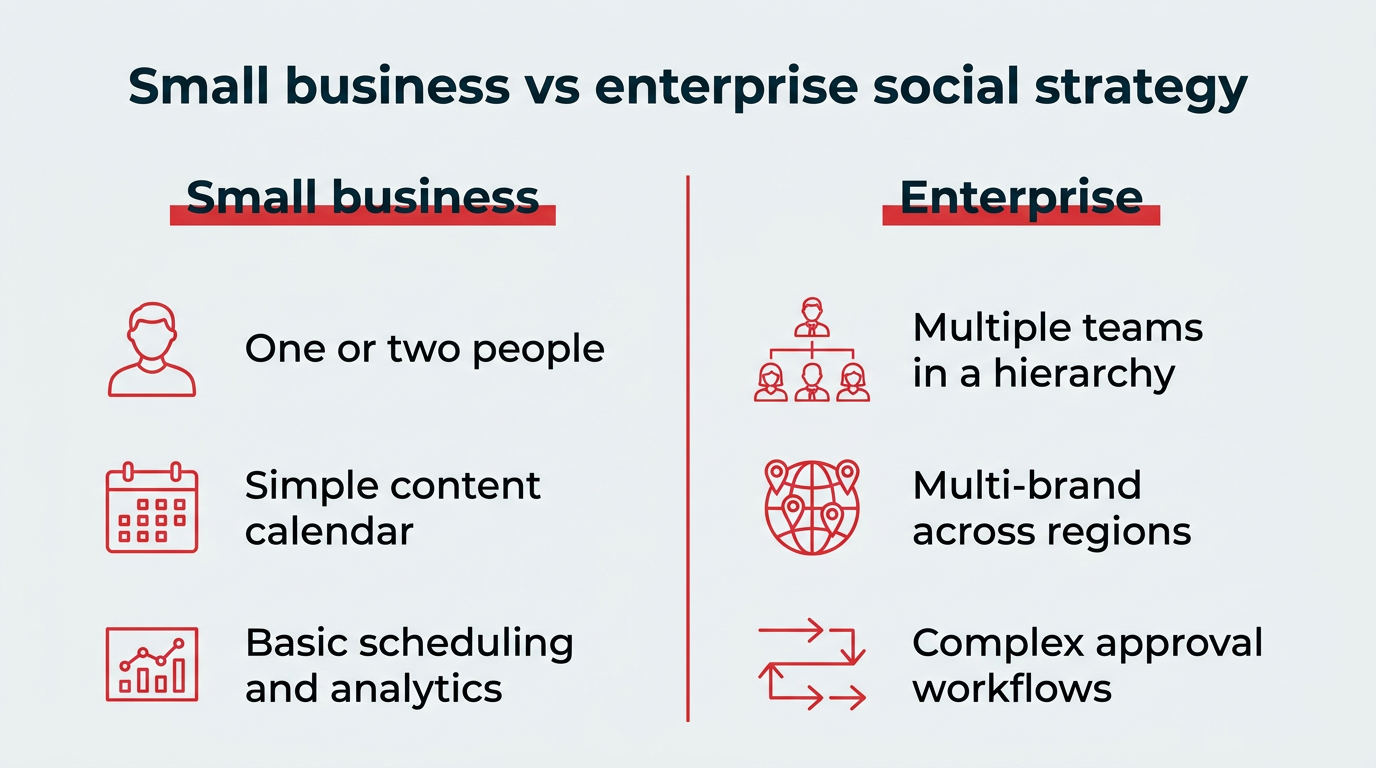
The journey of social media within businesses has progressed rapidly. What began as experimental campaigns handled by small teams or even individuals in small and medium-sized businesses (SMBs) has matured into a sophisticated, multi-faceted operation for large enterprises. For an SMB, a basic content calendar and a scheduling/analytics tool might suffice. However, enterprise-level social media management involves a far more intricate web of considerations, including multi-brand and multi-region management, comprehensive governance, crisis communication protocols, robust security, advanced analytics, and the integration of artificial intelligence (AI). The goals extend beyond mere visibility and engagement; they encompass scalability, risk mitigation, and the generation of actionable business intelligence.
The sheer scale of the global social media advertising market, projected to reach $276 billion in 2026, underscores its indispensable role as a core business channel for corporations worldwide. This financial gravity demands a meticulously defined strategy to maintain consistency, ensure regulatory compliance, and sustain a competitive edge. Without a unified approach, large organizations risk fragmentation, brand dilution, and operational inefficiencies that can quickly erode trust and market share. As Savannah Wiles, Staff Marketing Manager, Social & Influencer at Intuit Mailchimp, emphasizes, "A strong enterprise social strategy comes down to three things: your audience, your brand, and your goals. For the audience, remember they’re real people, not just job titles." She advocates for creating a unique, human brand persona, acknowledging that "Brands on social are almost cosplaying as people, so duality is possible with structure around where and when you shift." Ultimately, every piece of content "should provide value, hard stop."
Navigating the Labyrinth: Challenges of Scale and Complexity
Large enterprises inherently face a multitude of challenges in managing their social media presence. Juggling multiple brands, catering to diverse regions, and engaging varied audiences across different time zones and languages create a complex operational environment. This often translates into scattered approval processes, where half a global team might be offline while critical content awaits sign-off, leading to delays and missed opportunities. Furthermore, navigating the labyrinth of regulatory rules, which can vary significantly from one market to another, demands a centralized, yet flexible, governance framework. The proliferation of disparate tools, often purchased independently by individual teams, exacerbates the problem, creating data silos and hindering a holistic view of performance.
Consider a global giant like Nike, which manages hundreds of secondary Instagram accounts, each targeting distinct audiences and geographical regions. Each account likely operates with its own dedicated team of managers, strategists, and content creators. While these individual teams pursue specific objectives, their efforts must meticulously align with Nike’s overarching business goals and stringent brand guidelines. Layering product-specific messaging, legal compliance for various jurisdictions, and external collaborations further amplifies the complexity, making a unified, enterprise-level strategy not just beneficial, but absolutely indispensable.
Without such a centralized strategy, organizations are susceptible to several critical pitfalls. Brand inconsistency can manifest as conflicting messages, visual disparities, or divergent tones of voice across different social profiles, confusing audiences and eroding brand identity. Inefficient resource allocation can lead to duplicated efforts or, conversely, neglected areas of opportunity. Critically, a lack of clear governance exposes the organization to significant reputational risks, where a single off-brand post or a poorly handled customer interaction from a regional account can swiftly escalate into a global crisis, impacting public perception and shareholder value. The increasing velocity of information dissemination on social platforms means early detection and rapid, coordinated response are paramount.
The Strategic Imperative: Unifying Global Operations
A unified enterprise social media strategy provides the essential focus needed to transform a brand’s social presence from a mere visibility tool into a potent growth engine. It aligns diverse teams behind a singular brand voice, a cohesive vision, and a shared set of marketing objectives, ensuring every social touchpoint contributes to broader business goals. The core components of such a strategy include:

- Vision and Goals: Clearly defined objectives for social media’s contribution to overall business success.
- Audience Segmentation: Detailed understanding of target demographics across all markets.
- Platform Selection and Strategy: Deliberate choice of platforms and tailored content approaches for each.
- Content Pillars and Calendar: A structured approach to content creation, ensuring relevance and consistency.
- Budget Allocation: Strategic investment across platforms, regions, and campaigns.
- Roles and Responsibilities: A clear organizational structure defining who does what.
- Approval Workflows: Standardized processes for content review and sign-off.
- Tools and Technology Stack: Integrated platforms for efficient management, analytics, and automation.
- Compliance and Governance: Policies and procedures to ensure legal and brand adherence.
- Measurement and Reporting: KPIs and methodologies for tracking performance and ROI.
- Crisis Management Protocols: Pre-defined responses for reputational threats.
This comprehensive approach is vital in 2026, where social media’s role has expanded beyond brand awareness to directly influence purchasing decisions. With U.S. social commerce alone exceeding $100 billion, social platforms are integral to the external ecosystem of any modern brand. They serve as primary touchpoints for consumers seeking to understand a brand’s values, offerings, and customer service responsiveness. Leveraging social media effectively means cultivating leads, driving direct sales, providing proactive customer support, gathering invaluable market intelligence, and ultimately, building a robust brand community.
AI at the Helm: Reshaping Enterprise Social Management
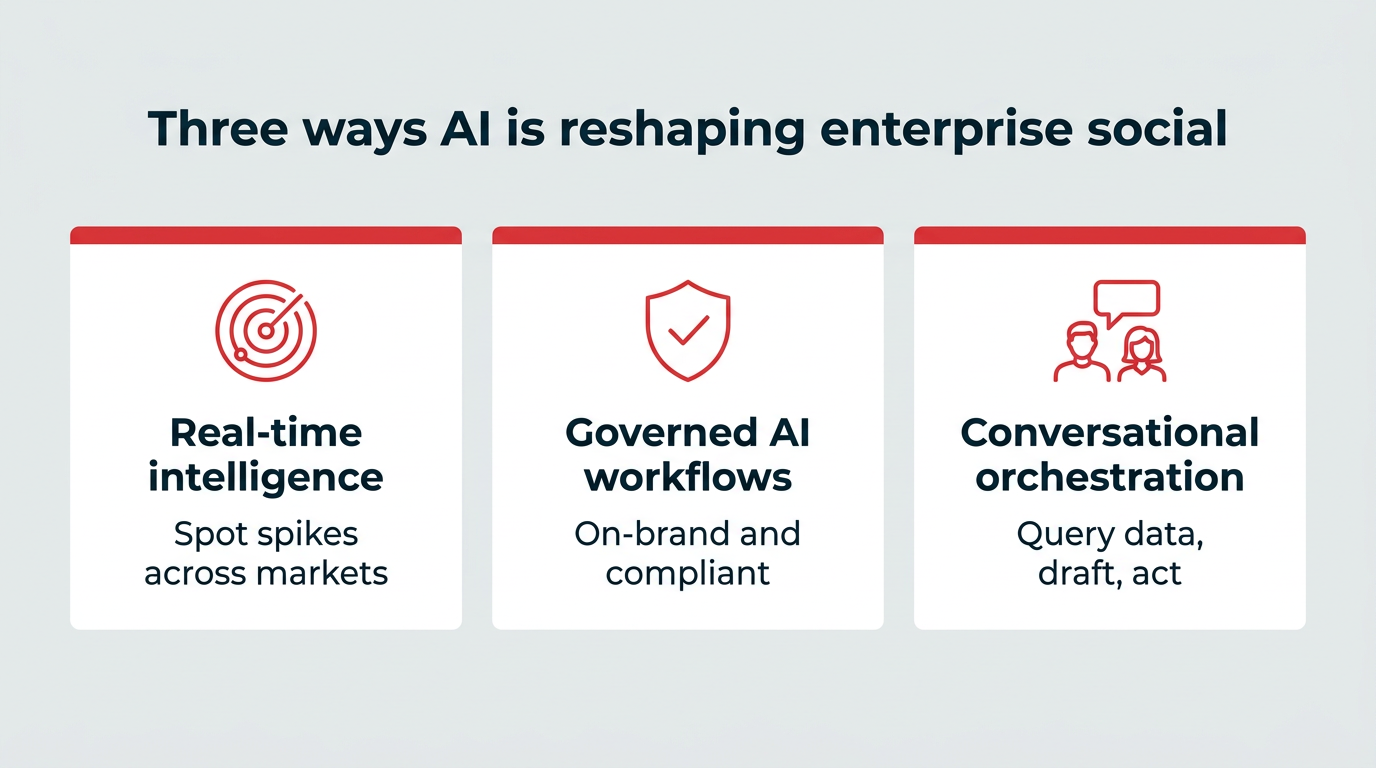
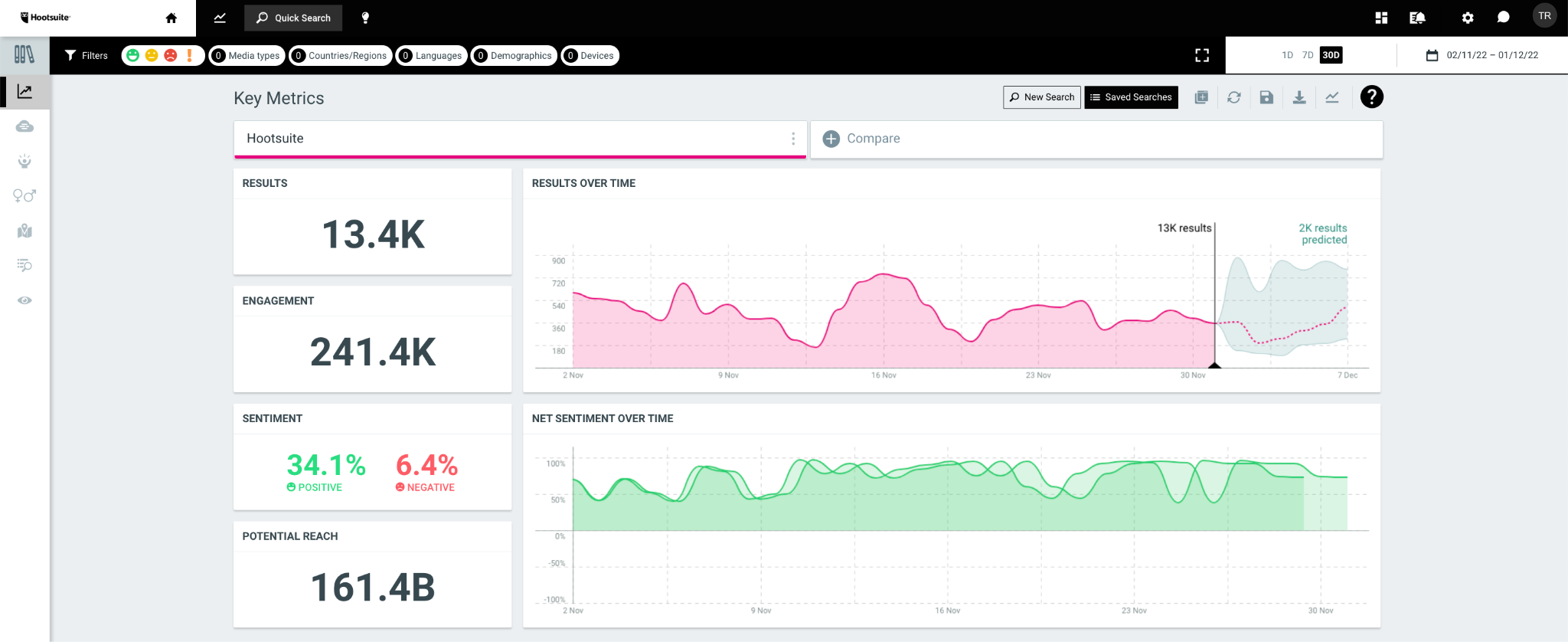
The integration of Artificial Intelligence (AI) has dramatically shifted the landscape of enterprise social media management. No longer confined to generating simple captions, AI has evolved into a sophisticated operational intelligence layer, permeating various aspects of social strategy. In 2026, AI capabilities extend to real-time sentiment analysis, intelligent routing of customer inquiries, automated content optimization, and connecting insights to actions across geographically dispersed teams.
Three key shifts characterize AI’s transformative impact:
- Contextual Intelligence: AI now processes vast amounts of social data to provide deeper, real-time insights into market trends, audience sentiment, and competitive landscapes. This allows for more agile and informed decision-making.
- Automated Workflows: AI streamlines repetitive tasks, such as content scheduling, moderation, and initial customer service responses, freeing human teams to focus on strategic initiatives and high-value interactions.
- Predictive Analytics: Beyond reactive analysis, AI can forecast content performance, identify emerging risks, and predict audience engagement patterns, enabling proactive strategy adjustments.
Crucially, AI’s power is amplified when connected to an organization’s broader technology stack. Through robust connectors, contextual intelligence can flow seamlessly between social platforms and existing business systems like CRM (Customer Relationship Management) and BI (Business Intelligence) tools. This integration ensures that AI outputs are grounded in comprehensive, real-world data, moving beyond guesswork to deliver actionable, data-driven recommendations.
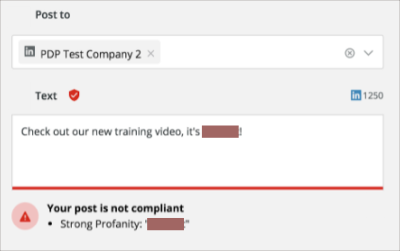
However, the proliferation of AI in enterprise social media underscores the heightened importance of governance. Ungoverned AI poses substantial risks at an enterprise scale. Without stringent controls, AI could inadvertently generate off-brand content, disseminate unverified information, or publish material that violates industry regulations. For organizations in highly regulated sectors such as healthcare or finance, such missteps are not minor inconveniences; they can result in significant fines, legal action, and irreversible reputational damage. Solutions like Hootsuite’s Vigil, acting as a governance layer within its Social OS, are designed to keep AI-assisted work within established policies, ensuring every output is traceable and every approval documented. This blend of speed and control is what makes AI a viable and safe asset for regulated enterprise teams. Similarly, integrations with compliance tools like Proofpoint allow for automated review of social media posts, further safeguarding against regulatory breaches.
Building a Robust Enterprise Social Strategy: An Eight-Step Framework
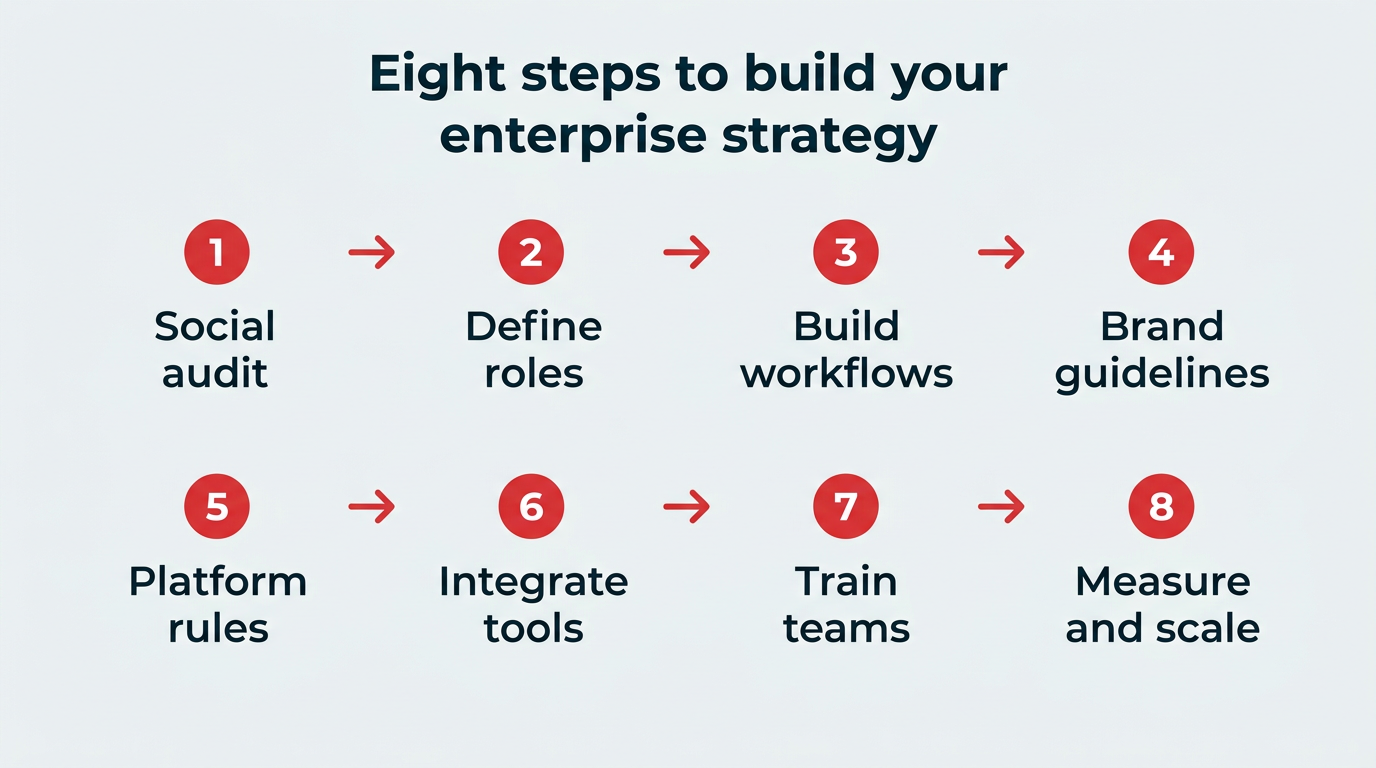
Developing an effective enterprise social media strategy is a methodical process that demands careful planning and execution. Here’s an eight-step framework for success:
Step 1: Conduct a Comprehensive Social Audit Across Teams
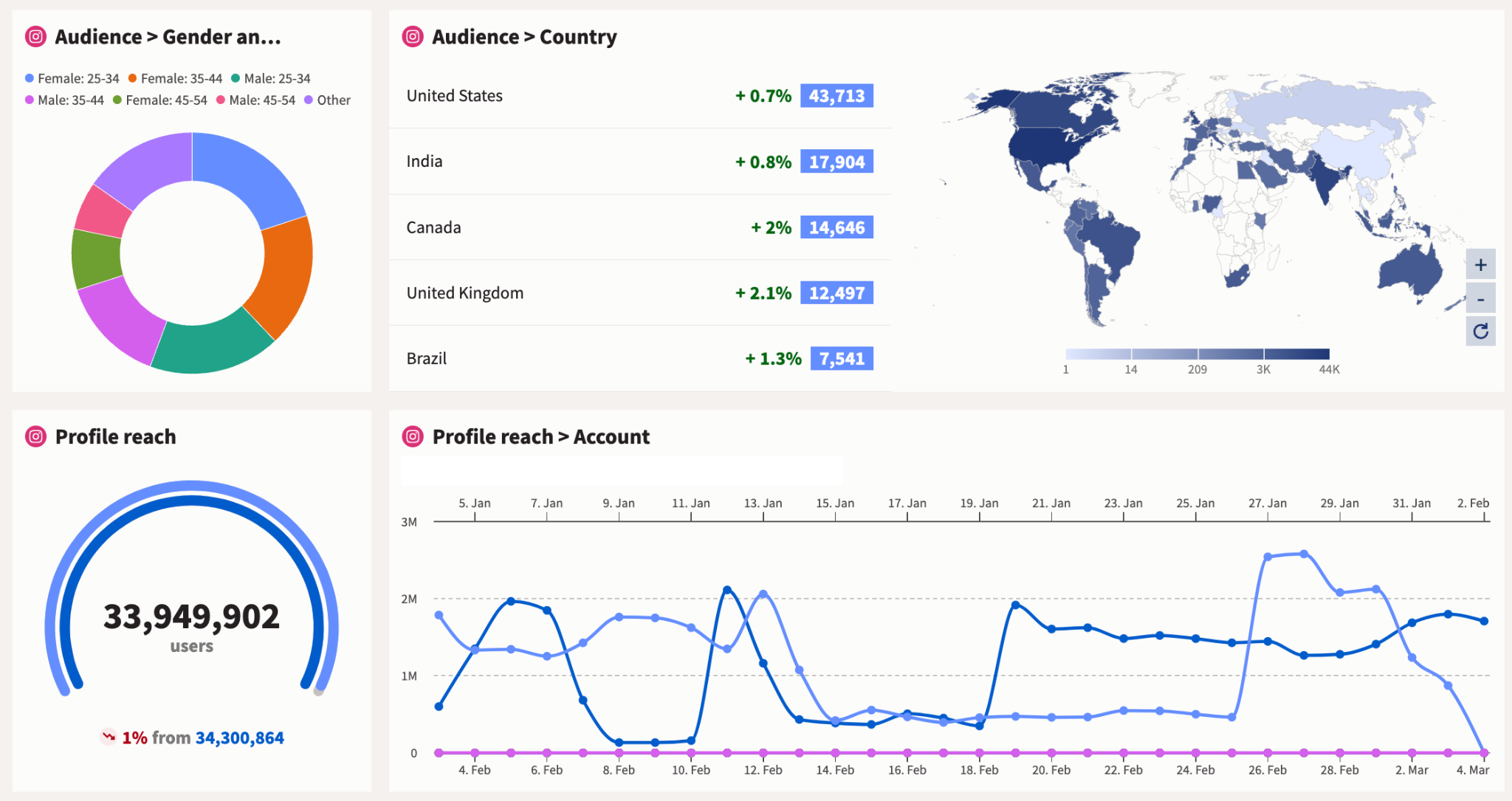
Begin by taking inventory of every existing social media account, campaign, and the individuals or teams responsible for them. This audit should go beyond a simple listing; it needs to identify redundant pages, off-brand activities, and areas where resources might be underutilized or misallocated. Analyze audience engagement across platforms to pinpoint where your brand resonates most effectively and where budget adjustments might be necessary. This foundational step provides a clear picture of the current state and highlights immediate areas for improvement.
Step 2: Define Clear Roles and Responsibilities
Clarity in roles is paramount for large, distributed teams. Establish an organizational chart that meticulously outlines who owns which channel, who is responsible for content creation, approval, and community management. A common structure involves a Center of Excellence (CoE) responsible for global strategy, governance, tool selection, and overarching reporting. This central team ensures brand consistency and strategic alignment. Regional or Business Unit Teams then adapt global content for local markets, handling day-to-day operations and reporting localized results back to the CoE. This allows for cultural relevance without deviating from core brand standards. Cross-functional Partners from departments like PR, customer service, HR, and legal are crucial for integrated campaigns, brand reputation management, and compliance. As Wiles suggests, "Social media is great, but it can’t do everything. Consider collaborating with other teams, like email and sales. Expand to channels that can support social content variety." Finally, Employee Advocates, empowered through platforms like Hootsuite Parliament, can significantly extend organic reach by safely sharing approved brand content with their personal networks.
Step 3: Streamline Workflows for Approvals and Publishing
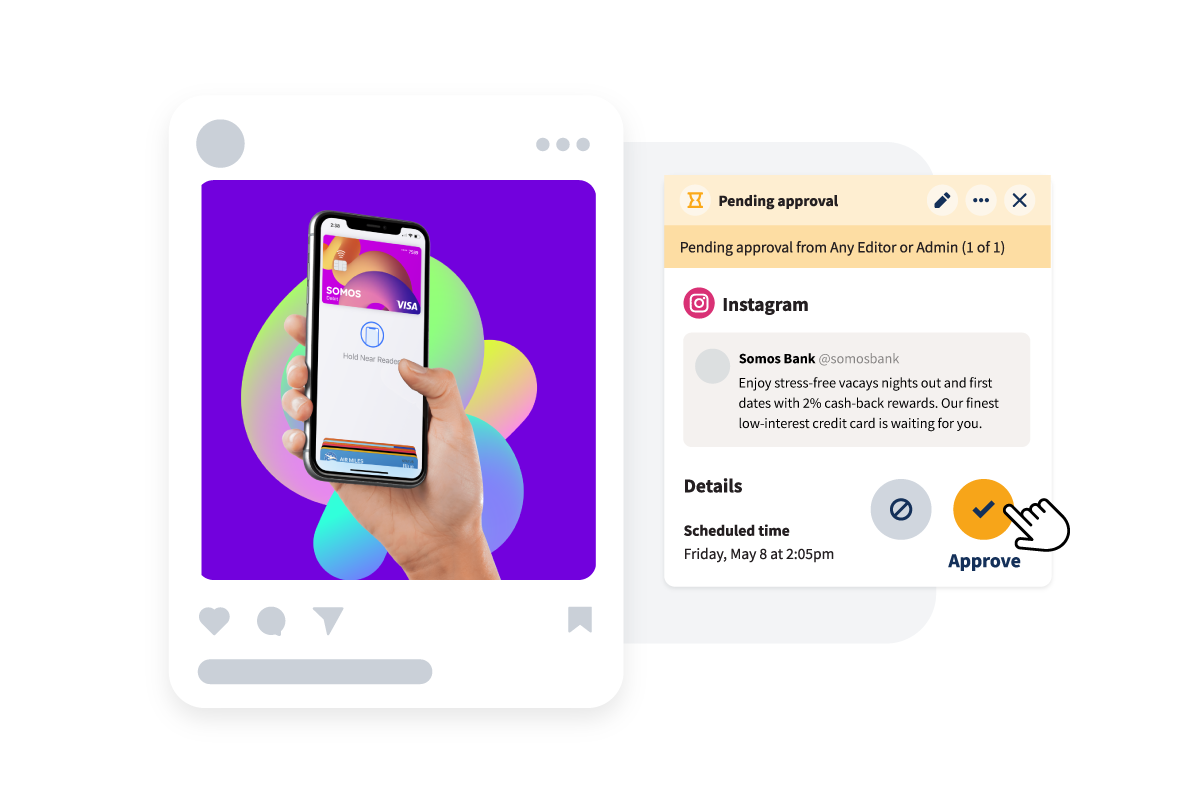
Establish standardized processes for content creation, review, and sign-off. For global teams, this must account for time zone differences and regional compliance requirements. Automating these workflows through a robust social media management platform not only accelerates the publishing process but also maintains transparency and accountability across all stages, ensuring that every piece of content meets brand and legal standards before it goes live.
Step 4: Integrate Brand and Content Guideline Use
Translate your organization’s existing brand voice and visual identity into specific guidelines for social media. This is especially critical for international brands. Collaborate with regional representatives to localize these guidelines, providing culturally relevant examples of how the global brand should be expressed in different markets. Shared asset libraries and templates are invaluable for maintaining high quality and consistent messaging across all teams and channels.