Google’s Pixel Glow: A Modern Reimagining of Classic Notification LEDs for the Pixel 11 Pro

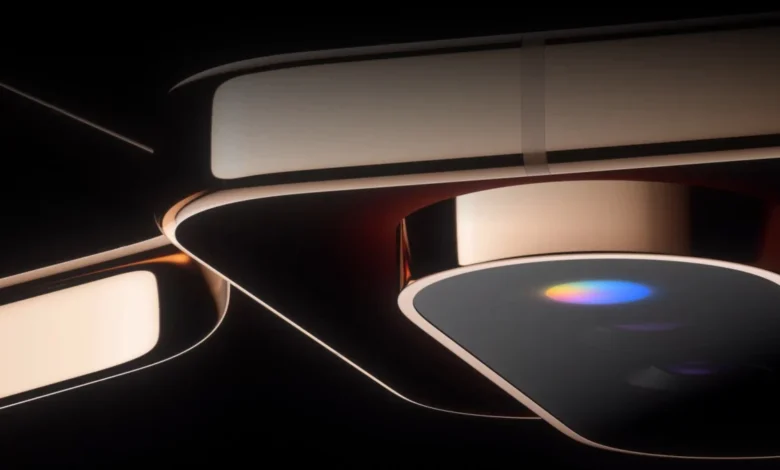
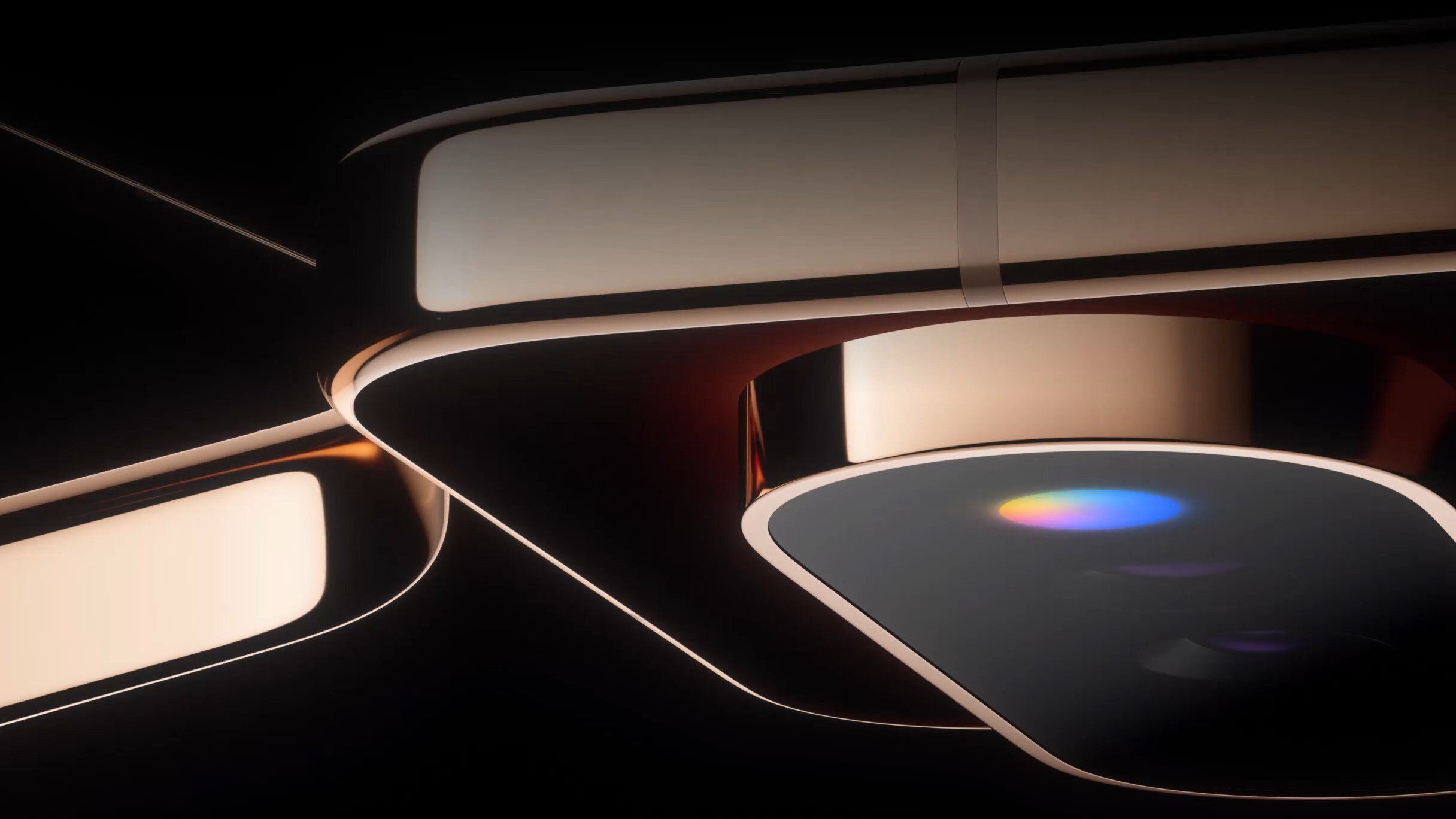
The technology world was abuzz last week with the first substantive revelation of a key feature for the upcoming Pixel 11 Pro: Pixel Glow. This innovative array of color-changing lights, seamlessly integrated into the device’s distinctive camera bar, marks a significant design and functional evolution for Google’s flagship smartphone line. While behind-the-scenes developments surrounding Pixel Glow have been tracked for months, it was Google’s recent animated teaser that finally offered a concrete glimpse into its aesthetic and operational promise. The initial impression suggests a thoughtful and tastefully executed addition, yet it also evokes a strong sense of nostalgia, distinctly reminiscent of a bygone era in Android smartphone design: the humble notification LED.
Unveiling Pixel Glow: A New Visual Language for Alerts
Google’s animation provided the first real visual confirmation of Pixel Glow, showcasing its dynamic capabilities within the Pixel 11 Pro’s camera bar. This visual element is poised to become one of the phone’s defining characteristics, moving beyond mere aesthetics to serve a functional purpose. Pixel Glow is understood to be an embedded system of lights capable of displaying a spectrum of colors and patterns. Early indications suggest its primary role will be to communicate essential information to the user without necessitating a full screen activation, echoing the utility of notification LEDs from over a decade ago. The implementation appears refined, avoiding overt flashiness in favor of a subtle yet effective visual cue.
The precise location of Pixel Glow is speculated to be a small, circular area, likely situated where the thermometer sensor has been found on previous Pro Pixel models, possibly even integrated into the camera flash module. This strategic placement within the prominent camera bar ensures visibility when the phone is placed face-down, a common user habit. The ability to display multiple colors simultaneously and create dynamic light patterns opens up possibilities for a sophisticated visual language, theoretically capable of alerting users to a diverse range of incoming events. This could include differentiating between various application notifications, indicating the priority of messages, or signaling specific alerts from predefined contacts, thereby offering a rich, at-a-glance information delivery system.
The Echo of Yesteryear: Revisiting Notification LEDs
Before the widespread adoption of always-on displays (AODs) and the prevalence of expansive, bezel-less screens, notification LEDs were a staple feature on a multitude of Android devices throughout the early to mid-2010s. Manufacturers such as LG, HTC, Samsung, and even early Google Nexus devices incorporated these small, often single-color or tri-color LEDs into their designs. These unassuming lights served a crucial function: providing immediate, passive visual feedback about the phone’s status or incoming alerts when the screen was off.
Users fondly recall the utility of these LEDs, which could blink in different colors and sequences to signify various types of notifications. A solid green might indicate a new WhatsApp message, a flashing blue could mean a missed call, and a steady red might signal a low battery. The beauty lay in their simplicity and the degree of customization they often afforded. Third-party applications, most notably "Light Flow," allowed users to meticulously configure LED colors, blink rates, and patterns for virtually every app, contact, or system event. This level of granular control empowered users to glean specific information without having to interact directly with their device, fostering a less intrusive digital experience.
The gradual disappearance of notification LEDs coincided with several industry shifts. The advent of always-on displays on AMOLED screens offered a more comprehensive way to show notifications without significant battery drain. Additionally, evolving design philosophies leaned towards minimalist aesthetics, where even a small LED might be deemed an unnecessary interruption to the clean lines of a smartphone. While often efficient, the power consumption of a constantly blinking LED, however minor, was also a consideration in an era where battery life was a primary concern. Despite their practical decline, the enduring affection for notification LEDs among long-time Android users highlights a persistent demand for unobtrusive, glanceable information.
The Contemporary Revival: Nothing’s Glyph Interface as Precedent
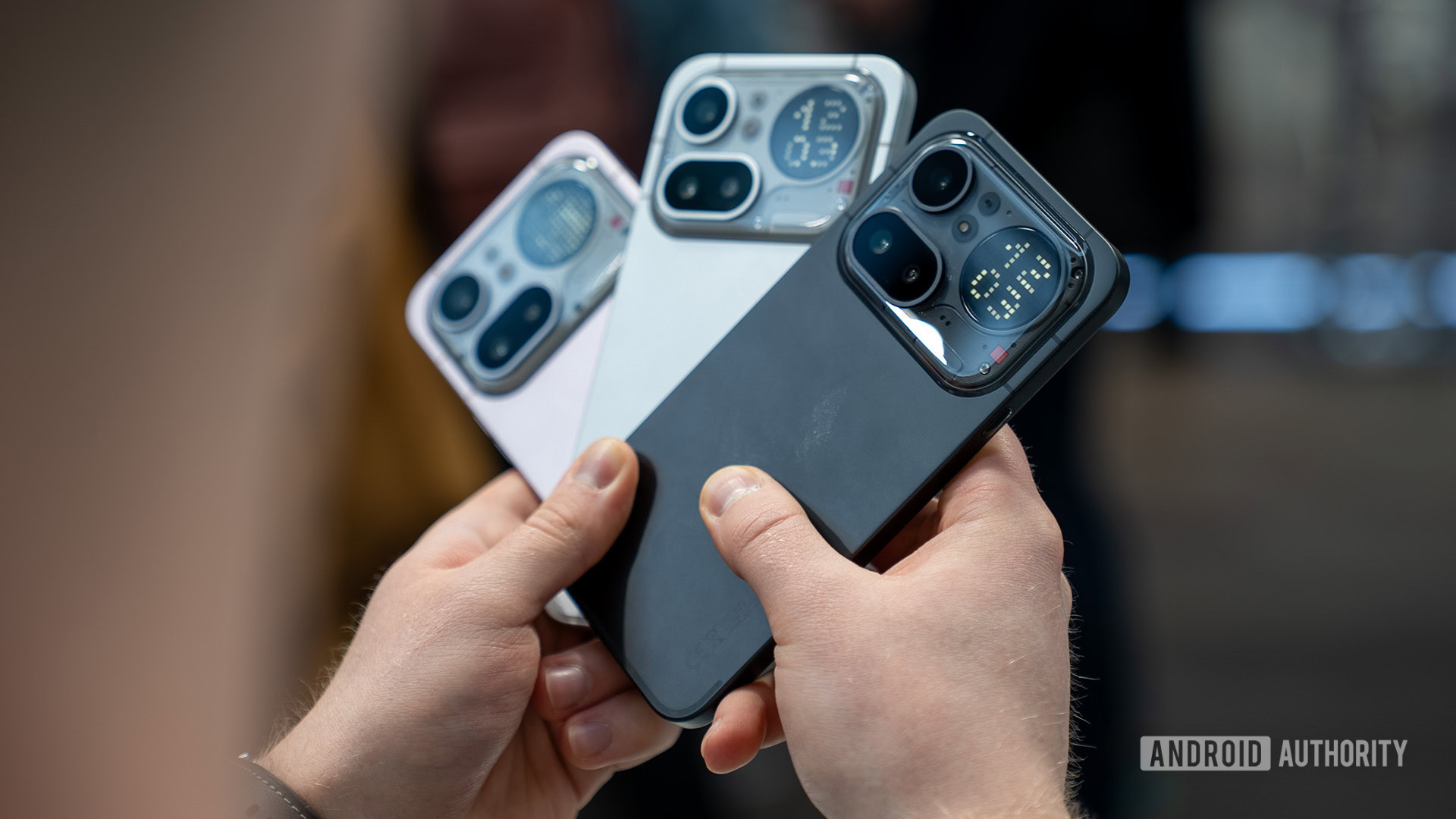
Google is not the first contemporary smartphone manufacturer to reinterpret the concept of external visual notifications. The most prominent and maximalist take on this idea comes from Nothing, a brand that has made external illumination a core part of its identity. Since the launch of the Nothing Phone (1) in 2022, its "Glyph Interface" has been a defining characteristic, setting it apart in a crowded market.
Nothing’s Glyph lights represent a bold, expansive approach. Rather than a discrete LED, the Glyph Interface features an intricate array of multiple LED strips embedded beneath the transparent back panel of its devices. These strips light up in various patterns and sequences to indicate notifications, charging status, reverse wireless charging, and even serve as a unique visualizer for custom ringtones. Later iterations have even incorporated dot-matrix displays for more detailed visual information. The Glyph Interface is designed to be an overt statement, a "showy array" that transforms the back of the phone into a dynamic, interactive canvas.
In stark contrast, Google’s Pixel Glow appears to adopt a more restrained and integrated philosophy. While Nothing embraces transparency and a full-back panel light show, Pixel Glow, based on current understanding, is a concentrated, smaller circular area seamlessly integrated into the existing camera bar. This suggests Google is aiming for a more subtle augmentation of the user experience rather than a dramatic visual overhaul. The difference in approach speaks to divergent design philosophies: Nothing prioritizes a distinctive, attention-grabbing aesthetic, while Google seeks to enhance utility and information delivery within its established, recognizable hardware design language. This restraint by Google could appeal to users who appreciate functionality without excessive visual flair.
Potential Functionality and Integration with Gemini
The true utility and impact of Pixel Glow will ultimately hinge on its functional depth and user customizability. While the core concept is clear, the specifics of its integration and user control remain subject to speculation. Early code analysis related to Pixel Glow has hinted at its capability to signify "calls from favorite contacts." This suggests a basic level of personalized alerts, allowing users to prioritize communications from key individuals without needing to pick up or unlock their phone.
However, the crucial question for many users is whether Pixel Glow will offer the extensive flexibility that made old-school notification LEDs so beloved. Will users be able to assign specific colors and patterns to different applications – a red flash for an urgent email, a gentle blue pulse for a social media notification, or a unique sequence for a messaging app? Or will its capabilities be limited to a predefined set of Google-approved use cases? The latter scenario, while still useful, would undoubtedly temper the excitement of users hoping for a truly personalized notification experience.
Adding another layer of complexity and potential is the strong evidence suggesting that Pixel Glow will be "tightly integrated with Gemini," Google’s advanced AI assistant. This integration could unlock entirely new dimensions of functionality. Imagine Pixel Glow reacting contextually to your schedule, glowing a specific color as a reminder for an upcoming appointment, or subtly changing patterns when Gemini detects a critical update from a frequently used service. It could potentially serve as a visual feedback mechanism for Gemini’s responses, providing non-intrusive cues during voice interactions or background tasks. While this AI integration could lead to intelligent and personalized alerts, it also fuels the concern that Pixel Glow’s primary purpose might lean towards being a "glorified advertising" tool for Gemini, rather than a versatile user-configurable notification system. For Pixel Glow to truly resonate, it must strike a balance between innovative AI integration and empowering user control.
The Broader Implications: Smartphone Evolution and Differentiation
The re-emergence of a feature like Pixel Glow, inspired by a decade-old convention, speaks volumes about the current state of the smartphone industry. For a considerable period, the mantra of "meaningfully more capable year over year" has become increasingly difficult to uphold. While advancements continue in areas like camera technology, battery efficiency, and processing power, the fundamental user experience of a smartphone has arguably "peaked." The Pixel 10 and even the Pixel 9, despite being older models, still offer a remarkably snappy and competent experience for most daily tasks. Even a significant horsepower bump from the Pixel 11 series’ Tensor G6 chipset, while technically impressive, might not translate into a dramatically different practical experience for the average user.
In this landscape of incremental improvements, manufacturers are under immense pressure to find new avenues for differentiation. This imperative becomes even more pronounced for Google, as the Pixel 11 series is expected to carry forward the hardware design language first introduced with the Pixel 9 in 2024. When the external form factor remains largely consistent across generations, visual innovation and unique interactive elements become crucial for distinguishing a new model. Pixel Glow serves precisely this purpose: it offers a visually obvious and novel way for the Pixel 11 Pro to stand out, even if the underlying concept draws from history.
This trend of "what’s old is new again" is not unique to smartphones but is a recurring theme in technology. From the resurgence of mechanical keyboards to the revival of analog photography, successful concepts are often re-evaluated and re-engineered with modern capabilities and design sensibilities. For Google, revisiting abandoned smartphone hardware conventions could be a strategic path forward. It acknowledges that not every innovation needs to be entirely novel; sometimes, a thoughtful modernization of a proven concept can yield significant user appeal. This approach allows Google to leverage a sense of familiarity and nostalgia while integrating cutting-edge technology, particularly its advancements in AI.
Concerns, Hopes, and the Path Forward
Despite the cautious optimism surrounding Pixel Glow, certain concerns persist. The primary apprehension, as highlighted by some analysts, is the potential for the feature to be overly restricted or primarily serve as a promotional vehicle for Google’s AI services. If Pixel Glow launches with limited, Google-approved use cases, primarily showcasing Gemini’s capabilities rather than offering broad user customization, it risks becoming a novel gimmick rather than a truly integrated and useful feature. This would be a missed opportunity, alienating users who appreciate the agency and control that older notification LEDs provided.
For Pixel Glow to truly succeed and become a defining, beloved feature of the Pixel 11 Pro, extensive customization options are paramount. Users should ideally be able to assign specific colors, patterns, and durations to notifications from individual apps, contacts, and system events. This level of control would empower users to truly tailor their ambient information experience, allowing them to quickly discern the nature and urgency of alerts without fully engaging with their phone screen – a goal increasingly valued in a world of digital overload. The ability to reduce screen time by providing glanceable information is a powerful incentive for adoption.
The introduction of Pixel Glow could also signify a broader, more adventurous approach from Google regarding its hardware philosophy. While it is highly unlikely that this move will directly lead to the return of beloved but abandoned features like the 3.5-millimeter headphone jack or expandable storage in future Pixel models, it does signal a willingness to experiment beyond the conventional boundaries of modern smartphone design. This spirit of re-evaluation and modernization is a welcome development in an industry often criticized for its predictability. By creatively reinterpreting older, successful ideas and infusing them with contemporary technology and AI, Google could forge an interesting and distinctive path forward for the Pixel lineup, potentially setting new trends for how users interact with their devices in an increasingly saturated and uniform market. The Pixel Glow, therefore, represents more than just a new notification system; it embodies a potential shift in Google’s hardware innovation strategy, one that blends nostalgic appeal with future-forward AI integration.