Samsung Galaxy Z Flip Series Faces Uncertain Future Amid Rising Costs and Market Shifts

The venerable Samsung Galaxy Z Flip series, celebrated for its unique blend of nostalgia, compact design, and innovative foldable technology, now faces an uncertain future following recent industry rumors suggesting its potential discontinuation after the impending launch of the Galaxy Z Flip 8. This speculation, while not officially confirmed by Samsung, has sent ripples through the tech community, highlighting the complex economic and strategic pressures currently shaping the burgeoning foldable smartphone market. For many consumers and industry observers, the potential loss of the Z Flip would signify more than just the end of a product line; it would mark the departure of one of the few devices that still injects a sense of playful innovation into an increasingly homogenous smartphone landscape.
The Genesis of a Modern Icon: The Galaxy Z Flip’s Journey
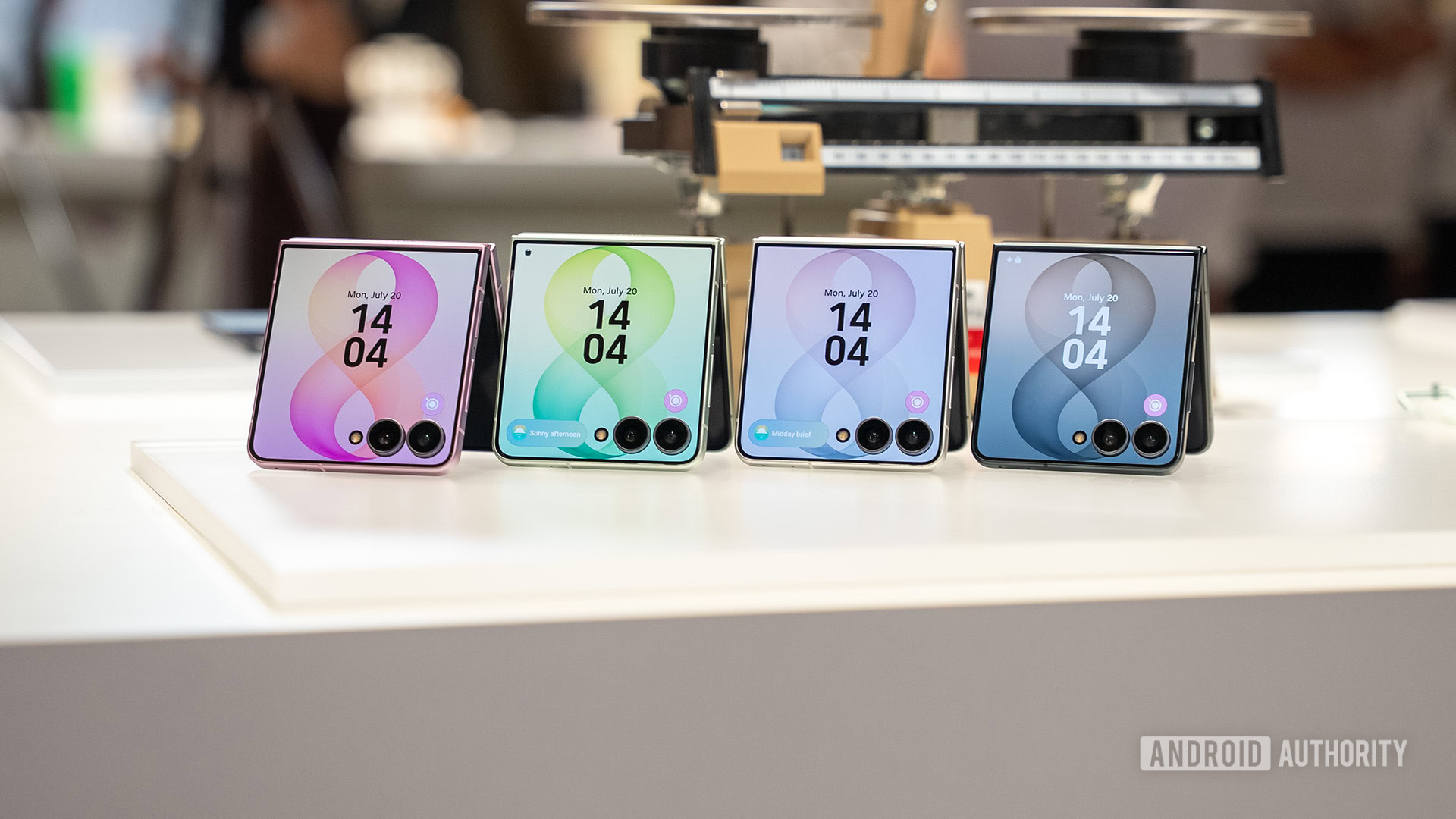
Samsung, a pioneer in the foldable smartphone arena, introduced the Galaxy Z Flip in February 2020, offering a distinct alternative to its larger, book-style Galaxy Z Fold. The Z Flip revived the iconic clamshell form factor, a design that resonated deeply with users who fondly remembered the flip phones of the early 2000s, like the original Motorola Razr. This initial launch was pivotal, demonstrating that foldable technology could be both functional and fashion-forward, appealing to a broader demographic beyond early adopters of cutting-edge tech. Each subsequent iteration, from the Z Flip 3 which significantly boosted mainstream adoption, to the Z Flip 5 with its expanded cover screen, has consistently refined the user experience, enhancing durability, performance, and external display utility. The series quickly carved out a niche, becoming Samsung’s best-selling foldable line and a critical gateway for consumers curious about the foldable revolution but hesitant to invest in the more expensive and perhaps more intimidating Z Fold devices. The Z Flip 8, anticipated to further refine its design with a thinner profile, larger battery, and enhanced FlexWindow features, stands as the latest testament to this iterative improvement, even as whispers of its lineage’s end grow louder.
The Irresistible Allure of the Clamshell Form Factor
The enduring appeal of the Galaxy Z Flip series lies in its carefully crafted balance of practicality, familiarity, and sheer charm. Unlike its book-style counterparts, the Z Flip doesn’t demand a complete re-evaluation of smartphone interaction. When unfolded, it functions as a standard, albeit slightly taller, smartphone, allowing users to navigate apps, browse the web, and communicate without a steep learning curve. This "familiarity" aspect is a significant advantage, lowering the barrier to entry for consumers transitioning from traditional slab phones. Market research consistently shows that consumers are more likely to adopt new technologies that feel intuitive and require minimal behavioral changes.
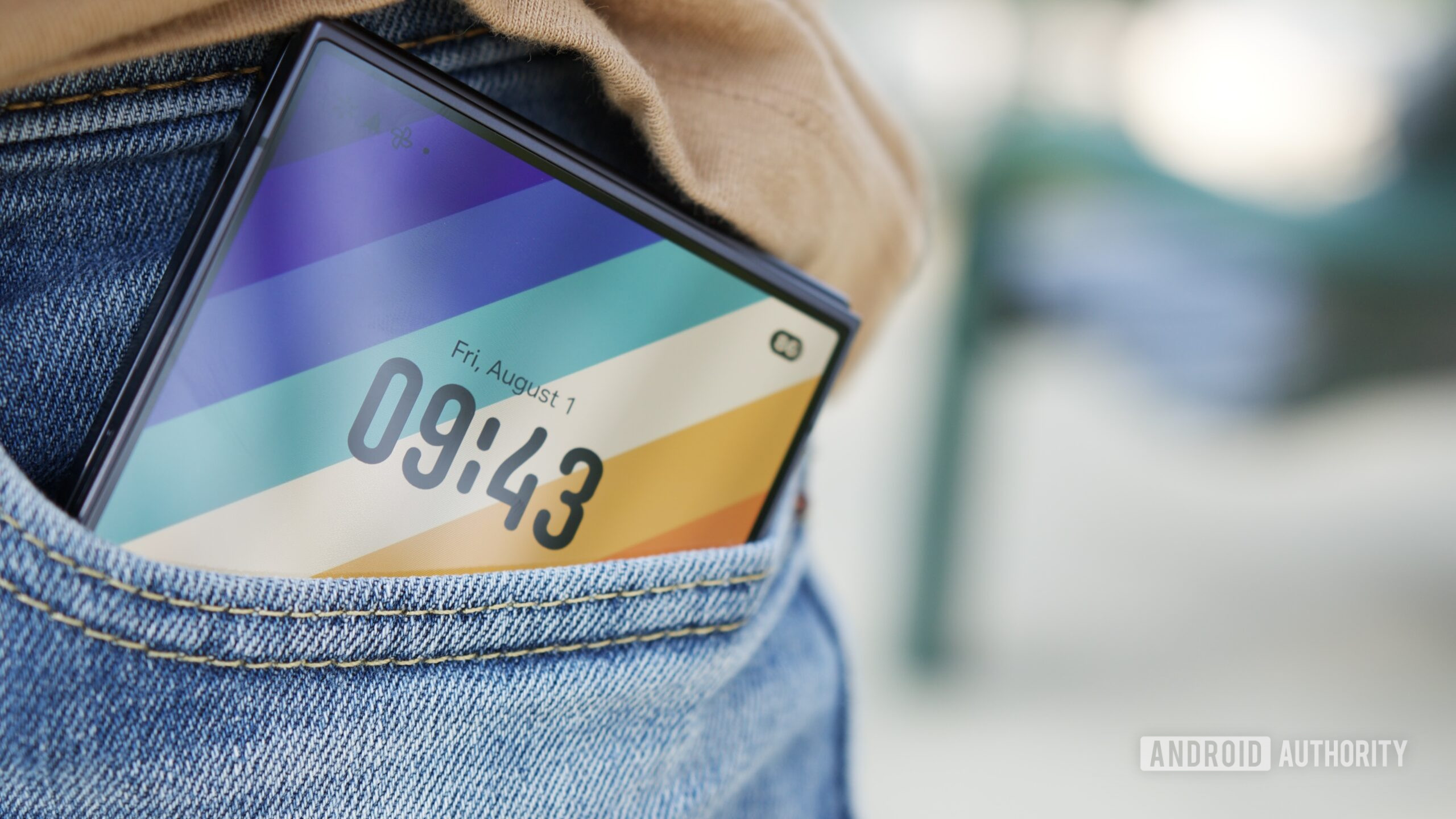
Beyond its intuitive primary screen experience, the Z Flip’s compact, folded form factor addresses a pervasive modern dilemma: pocketability. With the increasing size of conventional smartphones, many users, particularly those who wear women’s clothing with notoriously small pockets, struggle to comfortably carry their devices. The Z Flip, when folded, slips effortlessly into pockets, small handbags, or even clutches, providing unparalleled convenience. This ergonomic advantage isn’t merely a minor perk; it fundamentally alters how users interact with and carry their phones throughout the day. Data from consumer surveys frequently highlight compact design as a top reason for choosing flip phones over larger alternatives.
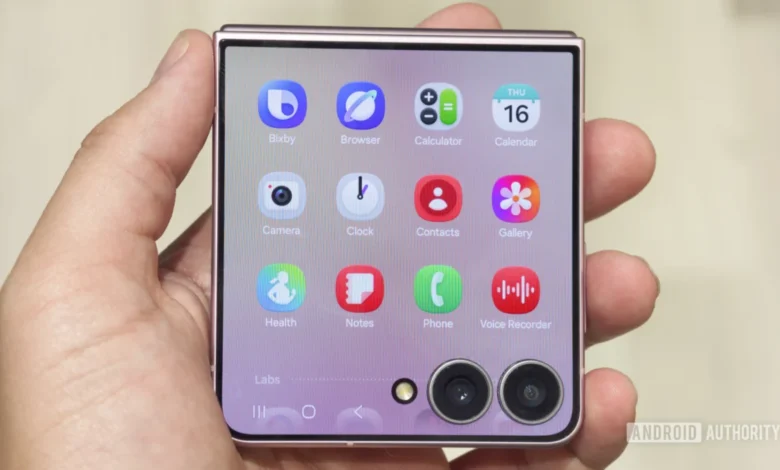
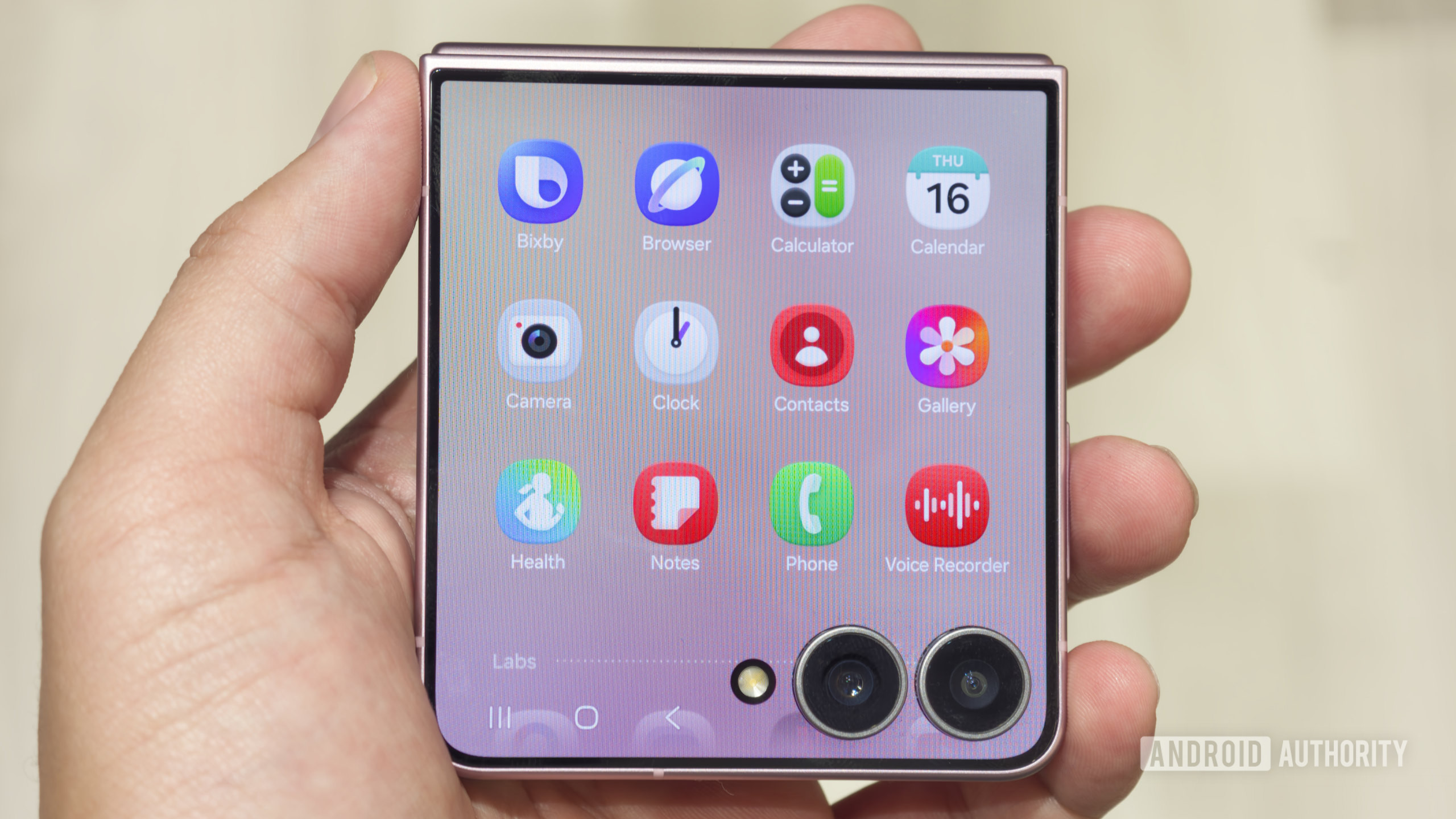
The evolution of the Z Flip’s cover screen has further amplified its utility. What began as a modest notification display has blossomed into the "FlexWindow," a highly functional secondary screen capable of handling a multitude of tasks without the need to unfold the device. Users can quickly check notifications, respond to messages, control media playback, take selfies with the main cameras, and even run select applications directly from the cover screen. This feature not only enhances convenience but also fosters a unique interaction paradigm, allowing for quick, discreet engagements with the device. This "glanceable" information and interaction reduces the compulsion to fully immerse oneself in the main screen, promoting a more mindful usage pattern.
Moreover, the Z Flip taps into a nostalgic wellspring. The satisfying "snap" of closing the phone after a call is a sensory experience reminiscent of flip phones from yesteryear, eliciting a small but consistent smile from users. In an era where smartphones often feel like serious, utilitarian tools, the Z Flip stands out by offering moments of playful engagement and a distinct personality. This emotional connection contributes significantly to its "cute" and "charming" perception, distinguishing it in a crowded market.
Finally, the Z Flip has historically served as the more accessible entry point into the premium foldable market. Its price point, while still higher than most traditional flagships, has consistently been significantly lower than that of its Z Fold brethren. This relative affordability has allowed a wider segment of the population to experience foldable technology, mitigating common anxieties surrounding the perceived durability and cost of these advanced devices. For many, the Z Flip represents a "smaller commitment" to an emerging technology, making the leap into foldables feel less daunting. This role as an "entry-level foldable" is critical for market expansion and mainstream adoption.
Economic Headwinds and Shifting Strategic Sands
Despite its undeniable appeal and market significance, the Galaxy Z Flip series appears to be navigating increasingly turbulent economic waters. The smartphone industry, particularly the high-end segment, has been grappling with a consistent upward trend in manufacturing and component costs. Global supply chain disruptions, inflationary pressures, and the increasing sophistication of internal components—such as advanced hinge mechanisms, specialized flexible displays, and high-performance processors—have driven up the cost of producing smartphones across the board. The Z Flip, with its complex foldable display and hinge, is particularly susceptible to these pressures.
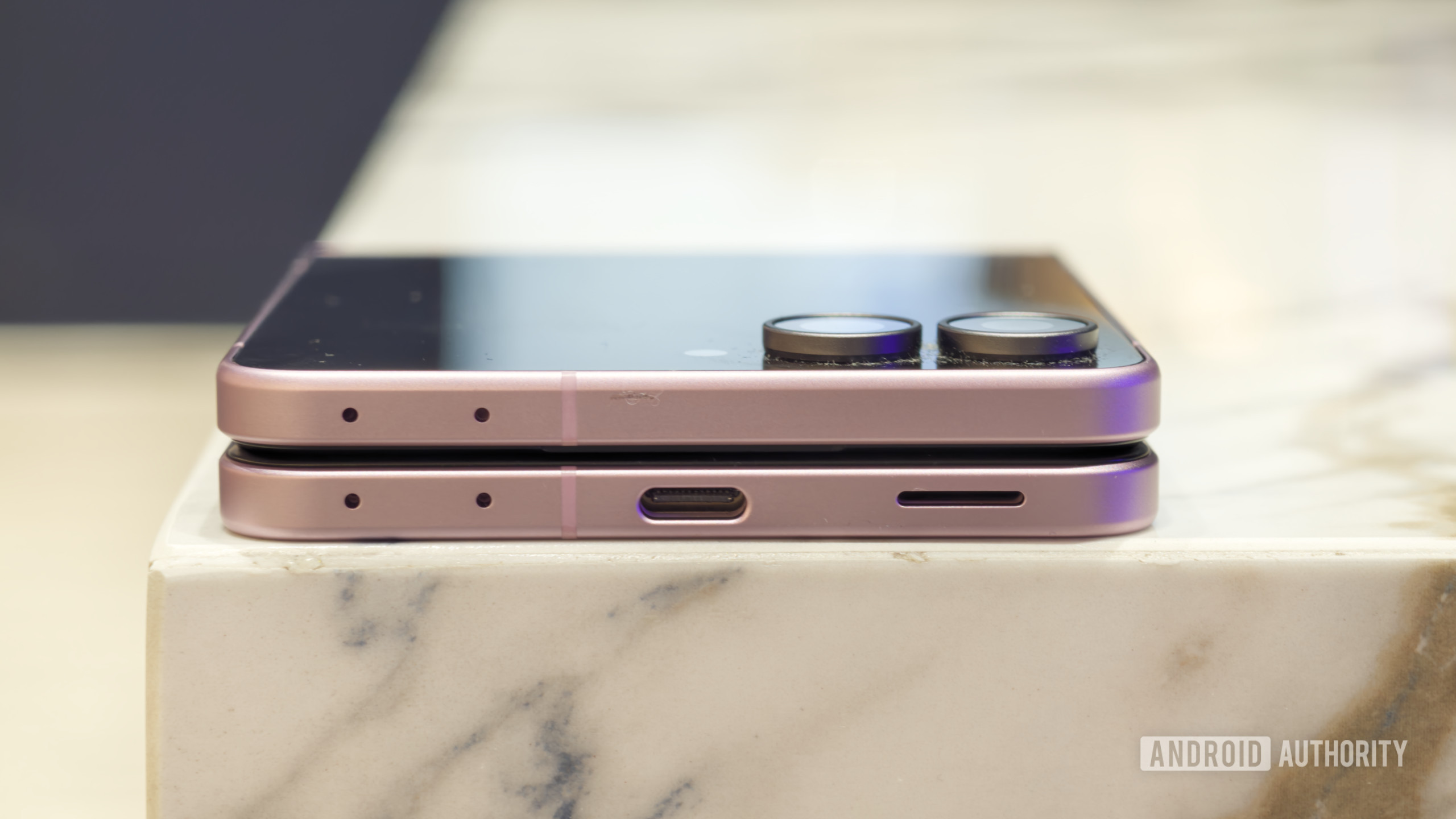
Industry reports indicate a steady increase in the cost of crucial components like RAM and NAND flash memory, which directly impacts the bill of materials for all smartphones. For foldables, the specialized nature of the ultra-thin glass (UTG) and the intricate hinge design adds another layer of cost complexity that traditional slab phones do not face. While Samsung has achieved economies of scale in foldable production, the fundamental costs associated with these advanced technologies remain high.
This rising cost structure presents a critical dilemma for the Z Flip’s positioning. Its primary advantage as an "affordable gateway" into foldables is directly threatened if future iterations are forced into higher price brackets to maintain profitability. If the Galaxy Z Flip 9, for example, were to launch at a price point approaching that of a premium conventional flagship or even a Z Fold, it would undermine its core value proposition. "What good is an entry-level foldable if its price is out of reach for most people?" is a question that likely resonates within Samsung’s strategic planning discussions. The delicate balance between innovation, cost, and market accessibility is proving increasingly difficult to maintain.
Concurrently, Samsung’s strategic priorities appear to be evolving, potentially influenced by anticipated shifts in the competitive landscape. With long-standing rumors of Apple’s entry into the foldable market, reportedly with a book-style device, the battle for premium foldable dominance is poised to intensify. Samsung, having invested heavily in establishing its leadership in both clamshell and book-style foldables, may opt to consolidate its resources on the higher-margin, premium "Fold" segment, where it expects the most direct competition from tech giants like Apple. A focus on the Z Fold series, possibly with an "Ultra" variant as rumored for the Z Fold 8, would allow Samsung to showcase its most advanced technology and defend its top-tier position against formidable new entrants. This strategic pivot, while understandable from a business perspective, could leave the clamshell segment vulnerable.
A Shifting Competitive Landscape for Clamshell Foldables
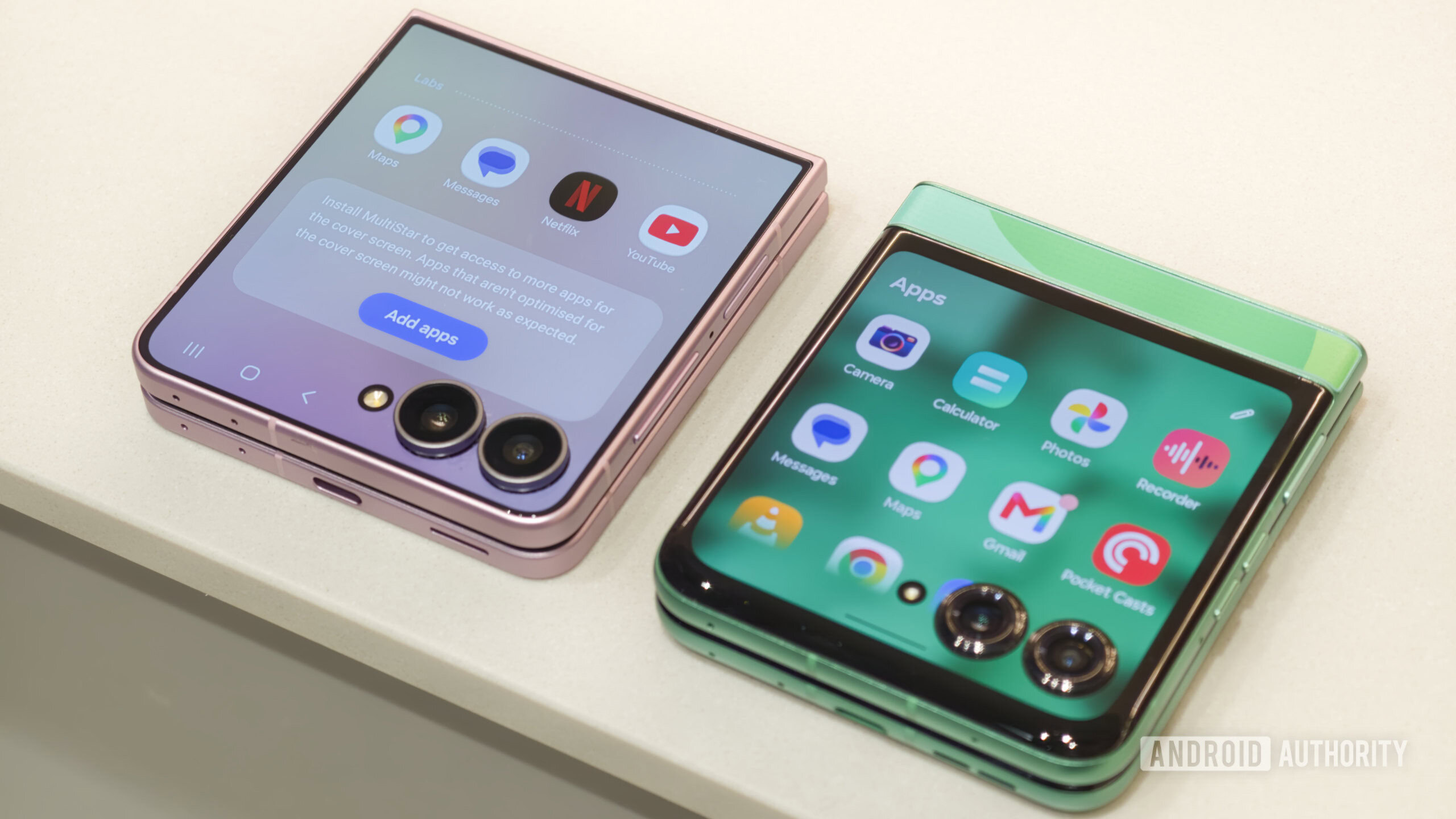
The health of the clamshell foldable market is not solely dependent on Samsung’s internal strategy; it is also shaped by the actions of its competitors. The current landscape presents a mixed picture.
On one hand, Motorola has demonstrated that there is still significant demand for competitively priced flip phones. Earlier this year, Motorola made headlines by capturing a substantial portion of the US foldable smartphone market, reportedly around half, even before the launch of its latest Razr lineup. This success is largely attributed to Motorola’s aggressive pricing strategy, consistently undercutting Samsung’s Z Flip, coupled with its commitment to a robust and user-friendly cover screen experience. The Razr’s resurgence indicates that when clamshell foldables are priced "sensibly," they can indeed capture significant market share and resonate with consumers. Motorola’s ability to maintain a lower price point, even amidst rising component costs, suggests a different strategic approach or perhaps a willingness to accept thinner margins to gain market foothold.
Conversely, other prominent Android manufacturers have quietly retreated from the clamshell foldable segment. Brands like Xiaomi and OPPO, which previously launched their own flip-style foldables (such as the Xiaomi Mix Fold and OPPO Find N2 Flip), have reportedly ceased or paused the development of new models in this category over the past couple of years. Their exit further concentrates the market, leaving Samsung and Motorola as the primary torchbearers for the clamshell form factor. This consolidation, while seemingly reducing direct competition, also signals the inherent challenges and potentially tighter profit margins associated with developing and selling these devices. If even these large manufacturers are finding it difficult to sustain a presence, it underscores the formidable economic pressures at play.
The implications of Samsung potentially withdrawing from the flip phone market are thus magnified. If one of the two dominant players exits, it drastically reduces consumer choice and limits innovation within the clamshell segment. It could lead to a less competitive environment, potentially allowing the remaining player to dictate terms or even slow down the pace of technological advancement without the constant pressure of a direct rival.
Broader Implications and the Future of Foldables
The potential discontinuation of the Galaxy Z Flip series carries significant implications for the broader smartphone industry, beyond just Samsung’s portfolio.
- Reduced Market Diversity: The Z Flip has been instrumental in offering a distinct form factor that appeals to a specific user base. Its disappearance would diminish the diversity of foldable options available, pushing consumers either towards the larger, more expensive book-style foldables or back to traditional slab phones. This reduction in choice could stifle overall market growth for foldables, particularly for those seeking a compact and stylish device.
- Impact on Mainstream Adoption: As the "entry-level" foldable, the Z Flip played a crucial role in demystifying foldable technology and making it more accessible. Without a relatively affordable clamshell option from a major player like Samsung, the barrier to entry for foldables could increase, potentially slowing down their mainstream adoption. Consumers might be less willing to experiment with a new form factor if the initial investment is substantially higher.
- Innovation and Competition: While Motorola’s success is commendable, the absence of Samsung’s significant R&D and marketing muscle in the clamshell segment could temper the pace of innovation. Healthy competition typically drives faster advancements in technology, design, and pricing. A less competitive landscape might lead to slower evolution of hinge technology, display durability, and software optimization for flip phones.
- Brand Perception: For Samsung, exiting the Z Flip line could be a double-edged sword. While it might streamline resources for the Z Fold series and other premium segments, it could also be perceived by some consumers as a retreat from a popular and innovative product. Samsung has built a reputation as a leader in foldable technology, and scaling back a successful line could impact that image.
An Unwritten Chapter: Hope for the Z Flip’s Continuation
As of now, the rumors surrounding the Galaxy Z Flip’s potential demise remain just that—rumors. Samsung has not issued any official statement, and the Galaxy Z Flip 8 is still anticipated to launch as planned. However, the whispers serve as a stark reminder of the volatile nature of the tech market and the constant balancing act between innovation, cost, and consumer demand.
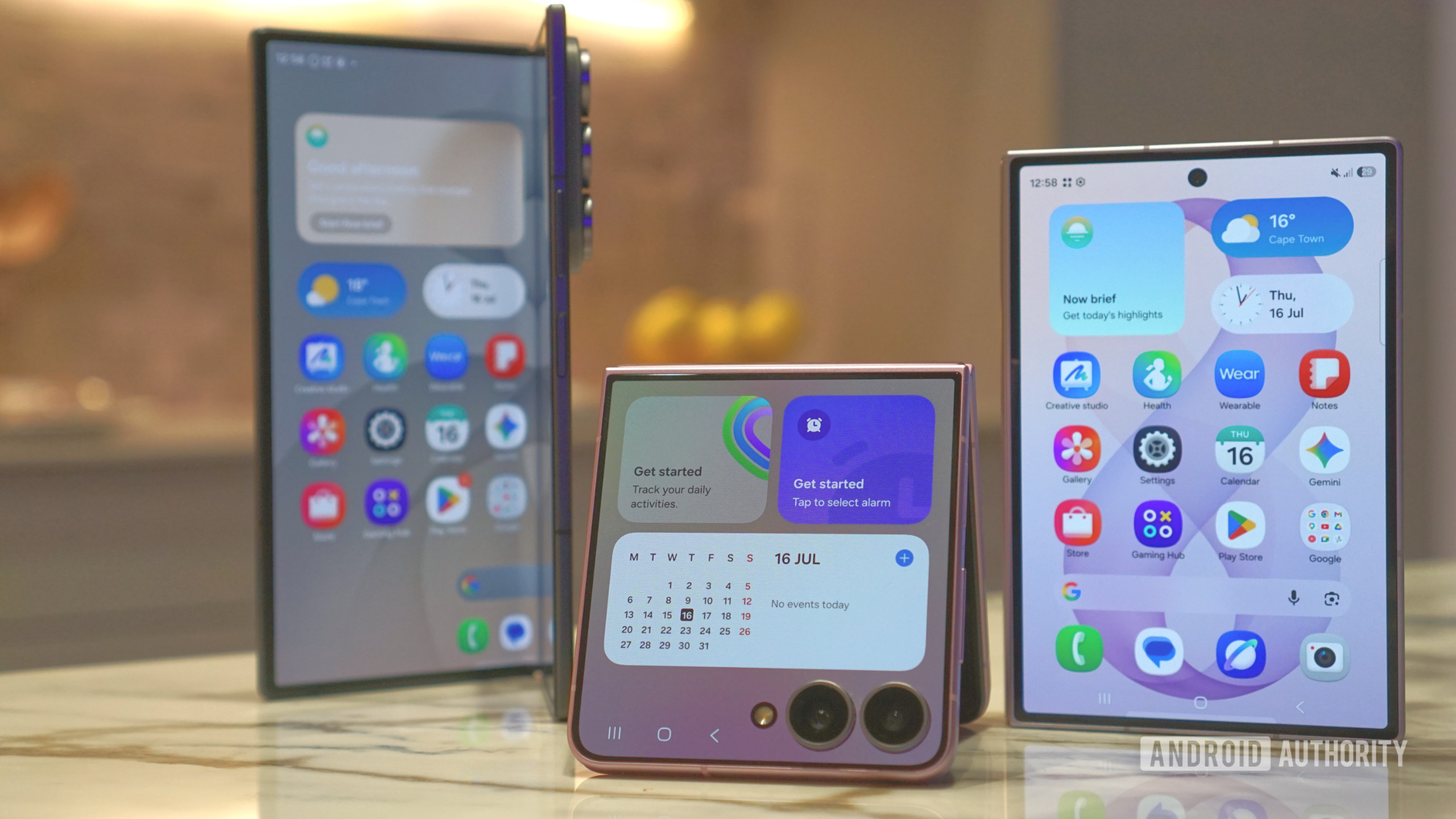
For proponents of the Z Flip, the hope is that Samsung will find a sustainable path forward for its beloved clamshell foldable. The device is more than just a piece of technology; it represents a philosophy of design that prioritizes fun, personality, and genuine user convenience. In a world increasingly dominated by monotonous black slabs, the Z Flip offers a refreshing alternative, reminding us that smartphones can still be delightful and surprising. The ability to snap shut a phone, tuck it neatly into a pocket, and interact with a versatile cover screen without fully engaging the main display are experiences that set it apart.
Samsung’s commitment to the Z Flip series has been instrumental in shaping the foldable market and demonstrating the viability of this innovative form factor. As the industry faces ongoing economic challenges and evolving competitive dynamics, the decision regarding the Z Flip’s future will be a significant one, not just for Samsung, but for the trajectory of foldable smartphones worldwide. Many enthusiasts, and indeed the market itself, are keenly watching, hoping that the story of the charming, compact, and undeniably fun Galaxy Z Flip is far from over.