Samsung Unveils Galaxy Card in U.S. Market, Expanding Financial Services Portfolio and Challenging Competitors


Samsung has officially entered the competitive U.S. credit card market with the launch of the Galaxy Card, an initiative revealed during the company’s highly anticipated Galaxy Unpacked event on July 22. This strategic move signifies Samsung’s deeper foray into financial services, aiming to integrate payment solutions more seamlessly into its vast technology ecosystem and enhance customer loyalty. The Galaxy Card, developed in partnership with Barclays U.S. Consumer Bank and operating on the Visa network, is now open for applications, offering a blend of digital convenience and tangible rewards tailored for Samsung’s extensive customer base.
A Strategic Entry into Financial Services
The announcement of the Galaxy Card marks a significant expansion of Samsung’s offerings beyond its core consumer electronics business. Positioned as "a new way for users to earn cash rewards across everyday purchases and the Galaxy ecosystem," the card is designed to fully support Samsung Wallet, the company’s digital payment platform. Consumers have the option of a virtual card for immediate digital use or a premium physical card crafted from black metal, underscoring both its digital-first approach and a commitment to a premium user experience. The collaboration with Barclays U.S. Consumer Bank, a prominent issuer of co-branded credit cards, and Visa, a global leader in payment technology, provides the necessary financial infrastructure and widespread acceptance for Samsung’s new venture. This partnership is intended to deliver "innovative payment options" that resonate with Samsung’s technologically savvy consumer base.
Key Features and Reward Structure
A cornerstone of the Galaxy Card’s appeal is its straightforward and competitive reward structure, notably featuring a $0 annual fee. This absence of an annual fee is a common strategy to attract a broad consumer segment, particularly those looking for value without additional costs. The primary incentive for cardholders is a generous 5% cash reward on eligible purchases made directly with Samsung. This encompasses a wide array of products, from flagship Galaxy smartphones, tablets, and smartwatches to home appliances, televisions, and accessories purchased through Samsung.com or Samsung Experience Stores.
Beyond direct Samsung purchases, the card offers additional benefits tied to the Samsung VIP Advantage program. Cardholders could receive 20% off a Samsung VIP Advantage membership, and an additional 5% cash reward when purchasing or renewing this membership. The VIP Advantage program typically offers exclusive discounts, early access to products, and enhanced customer service, making the Galaxy Card a powerful tool for existing and potential loyal Samsung customers. While further details regarding other cash reward categories for non-Samsung purchases were not extensively detailed in the initial announcement, the card’s primary focus is clearly on incentivizing engagement within the Samsung ecosystem. This mirrors a growing trend among tech companies to create financial products that reinforce their brand loyalty and drive sales within their proprietary platforms.
Timeline and Background Context
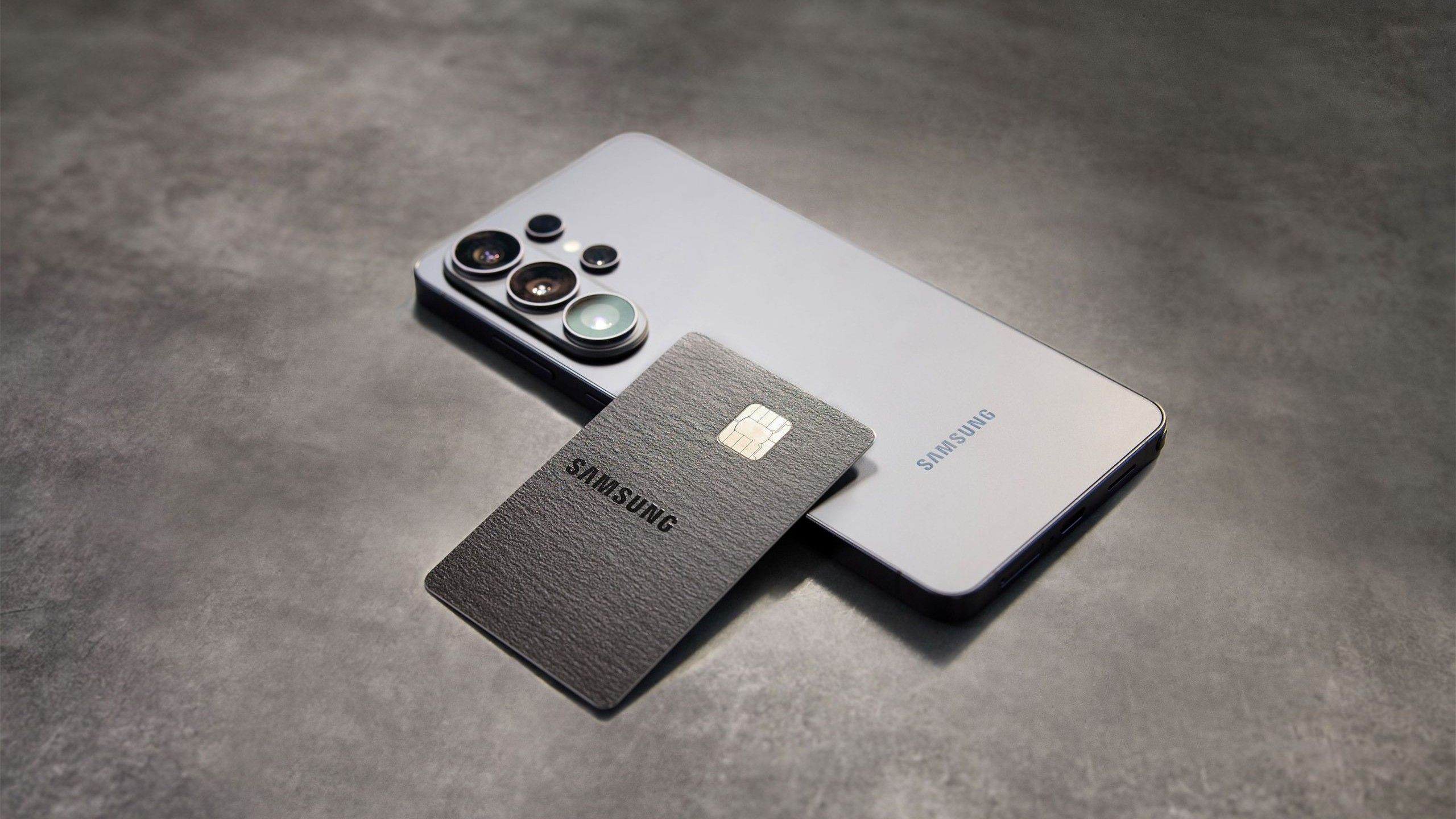
The unveiling of the Galaxy Card at Galaxy Unpacked did not come as a complete surprise to industry observers. Reports circulating late last year had indicated Samsung’s keen interest in launching a credit card in the U.S. market, with rumors pointing to Barclays as a potential partner and the name "Samsung Card" being floated. These early reports suggested the card would offer cashback on Samsung devices and appliances, alongside features like "digital prepaid accounts," aligning closely with the official announcement. This pre-announcement speculation provided a clear indication of Samsung’s strategic direction, setting the stage for the formal launch.
The timing of the Galaxy Card’s debut during Galaxy Unpacked, an event typically reserved for major product launches, highlights its strategic importance to the company. Alongside the credit card, Samsung used the event to showcase its latest innovations, including new smartwatches (like the Galaxy Watch 9 and Watch Ultra 2) and its next generation of foldable smartphones (such as the Galaxy Z Fold 8 Ultra and Galaxy Z Flip 8). By integrating the card launch into this broader product showcase, Samsung reinforces the idea that the Galaxy Card is an integral part of its expanding ecosystem, designed to complement its hardware and software offerings.
Samsung’s journey into financial services is not entirely new. The company has consistently refined its mobile payment experience through Samsung Pay, which evolved into Samsung Wallet, offering features like in-store payment splitting and expanded digital wallet functionalities. The introduction of a dedicated credit card represents a natural progression, allowing Samsung to capture a larger share of its customers’ financial transactions and further solidify its position in the digital economy.
The Competitive Landscape: Challenging Apple and Beyond
Samsung’s entry into the credit card market, particularly in the U.S., inevitably draws comparisons to Apple, which launched its Apple Card in partnership with Goldman Sachs and Mastercard in 2019. Apple Card similarly emphasizes a seamless digital experience, integration with Apple Wallet, and cashback rewards focused on Apple purchases and select categories. Samsung’s move signals a direct challenge to Apple in the burgeoning space of tech-branded financial products.
The strategy behind such cards is multifaceted. For tech giants like Samsung and Apple, a branded credit card serves as a powerful loyalty tool. It incentivizes customers to remain within their respective ecosystems, driving sales of devices, apps, and services. Furthermore, it allows these companies to gather valuable insights into consumer spending habits, which can inform future product development and marketing strategies (while adhering to privacy regulations). The competition extends beyond direct rivals to traditional banks and fintech companies, pushing all players to innovate and offer more compelling rewards, digital features, and integrated experiences.
The broader implications for the credit card industry include a continued shift towards digital-first solutions, enhanced mobile wallet integration, and a focus on personalized rewards. As more non-financial entities, particularly those with vast customer bases and strong brand recognition, venture into financial services, traditional banks are compelled to either partner with these tech giants or accelerate their own digital transformation efforts to remain competitive.
The Roles of Barclays and Visa
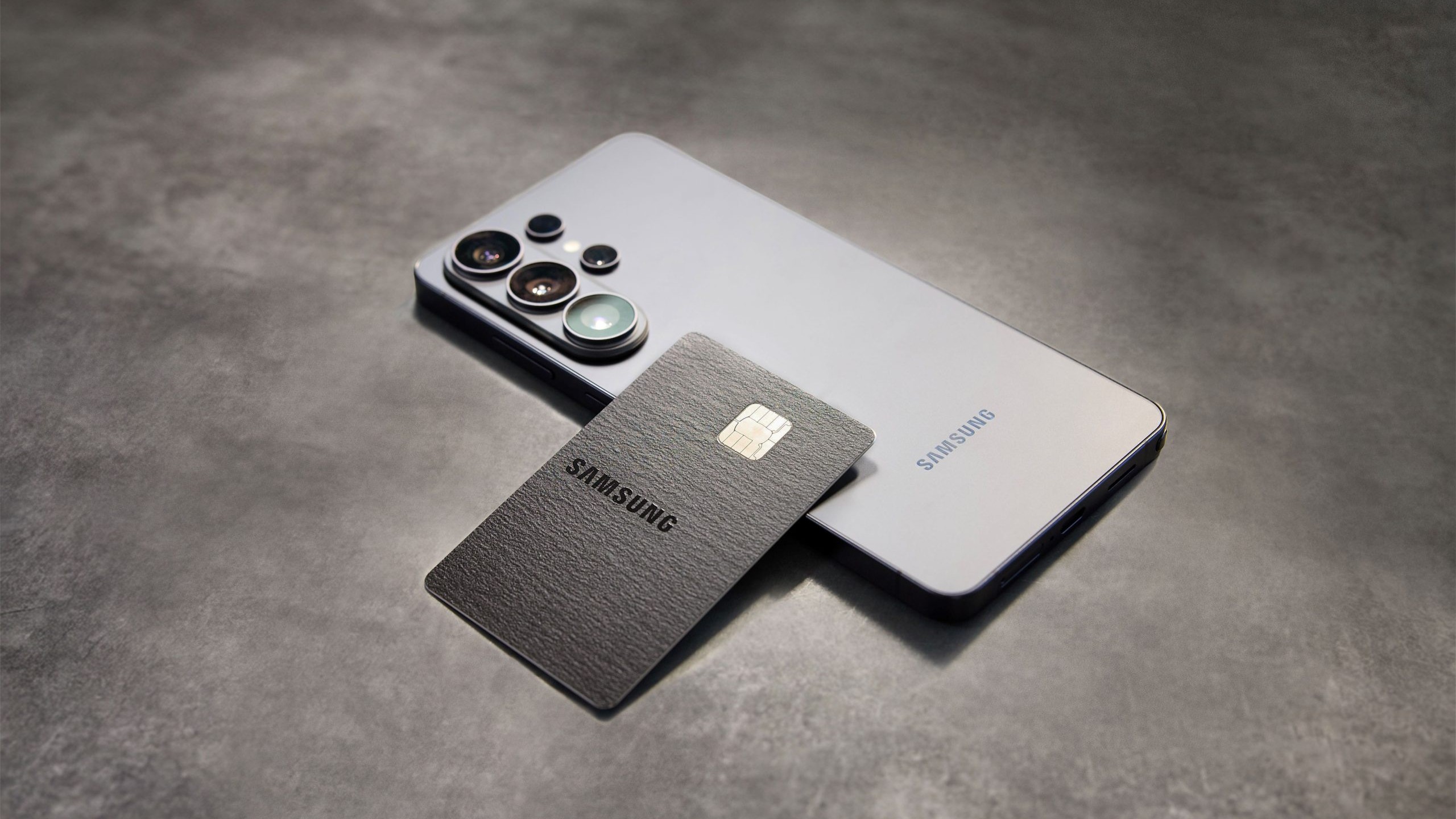
The choice of Barclays U.S. Consumer Bank as the issuing partner is crucial. Barclays brings extensive experience in managing co-branded credit card programs, a deep understanding of credit risk, and the regulatory expertise required in the highly regulated financial sector. Their role involves underwriting credit applications, managing card accounts, and handling customer service, allowing Samsung to focus on its brand and ecosystem integration.
Visa’s involvement provides the card with global acceptance, ensuring that the Galaxy Card can be used wherever Visa is accepted, both physically and online. As one of the world’s largest payment networks, Visa facilitates secure and efficient transactions, a critical component for any successful credit card product. This three-way partnership – Samsung for brand and ecosystem, Barclays for financial infrastructure, and Visa for network – creates a robust foundation for the Galaxy Card’s launch and future growth.
Broader Impact and Future Outlook
The introduction of the Galaxy Card carries significant implications for Samsung, its consumers, and the wider financial services industry. For Samsung, it represents a strategic step toward deepening customer engagement and loyalty. By offering tangible rewards for purchases within its ecosystem, Samsung aims to create a virtuous cycle where card usage drives product sales, and product ownership encourages card usage. This can translate into increased market share for its devices and services, and a more robust, interconnected Galaxy experience.
For consumers, particularly those already invested in the Samsung ecosystem, the Galaxy Card offers a compelling value proposition. The 5% cash rewards on Samsung purchases can quickly add up for individuals frequently upgrading their devices or purchasing accessories. The $0 annual fee makes it an accessible option, while the premium black metal design provides a sense of exclusivity. However, as with any credit product, consumers will need to consider the full terms and conditions, including interest rates and credit limits, to determine if the card aligns with their financial goals.
Industry analysts suggest that the success of the Galaxy Card will depend not only on its initial reward structure but also on Samsung’s ability to continuously enhance its features, integrate it seamlessly with future products and services, and effectively market its unique value proposition. The card’s integration with Samsung Wallet is key, as mobile payments continue to gain traction, and users increasingly expect their financial tools to be fully digitized and accessible from their smartphones.
In conclusion, the Samsung Galaxy Card is more than just a new credit card; it is a strategic declaration from a tech giant expanding its reach into the financial lives of its customers. By leveraging its powerful brand, extensive ecosystem, and strong partnerships, Samsung is poised to carve out a significant niche in the U.S. credit card market, further solidifying its competitive standing against rivals and reinforcing its vision of a seamlessly connected digital lifestyle. As applications open, the industry will closely watch how this new entrant reshapes the landscape of tech-driven financial services.