Character Concept Artist Pavel Hristov on Worldbuilding Through Street Fashion and the Evolution of the Digital Art Industry

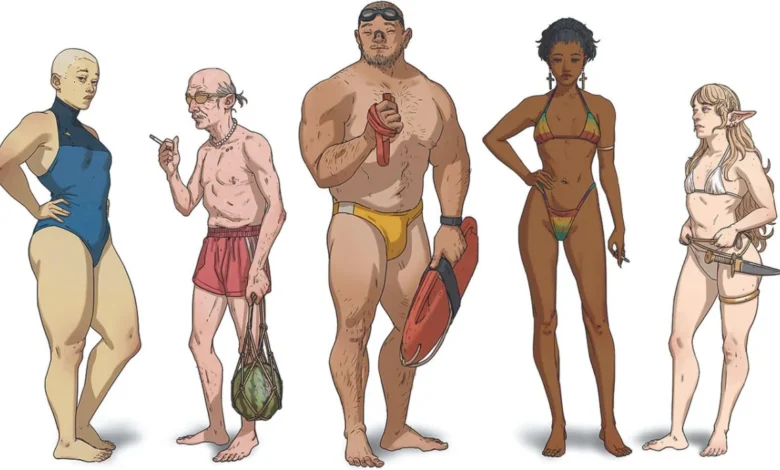
Pavel Hristov, a veteran freelance concept artist with years of experience in the global gaming sector, has carved out a distinct niche by prioritizing narrative depth over mere visual spectacle. In an era where digital art often leans toward the hyper-stylized or the overtly heroic, Hristov’s work stands out for its grounded, almost documentary-like quality. By utilizing character design as a primary medium for worldbuilding, he treats each figure not as a standalone asset, but as a window into a broader, lived-in universe. His approach, which blends the meticulousness of anatomical study with the spontaneity of street photography, reflects a broader shift in the entertainment industry toward "environmental storytelling"—a technique where the history of a world is told through the objects, clothing, and physical traits of its inhabitants.
The Accidental Path to Concept Art
Hristov’s entry into the professional art world was far from conventional. Unlike many contemporary artists who follow a rigid academic path through specialized art schools or digital illustration programs, Hristov’s career began as a series of fortunate discoveries. While he was originally pursuing a completely different field of study, he secured his first professional role in the game industry almost by chance. This non-traditional background has significantly influenced his perspective on the craft, allowing him to approach character design without the constraints of specific academic dogmas.
The transition from a student of a non-artistic discipline to a professional concept artist reflects a significant trend in the early 2010s. During this period, the democratization of digital tools and the rise of online communities like ArtStation and DeviantArt allowed self-taught talent to bypass traditional gatekeepers. Hristov’s journey mirrors that of many industry leaders who built their portfolios through rigorous self-study and community feedback rather than formal credentials. Today, he represents a generation of artists who view their work as a continuous learning process, where every project serves as an opportunity to refine their technical skills and conceptual depth.
Street Fashion as a Blueprint for Realism
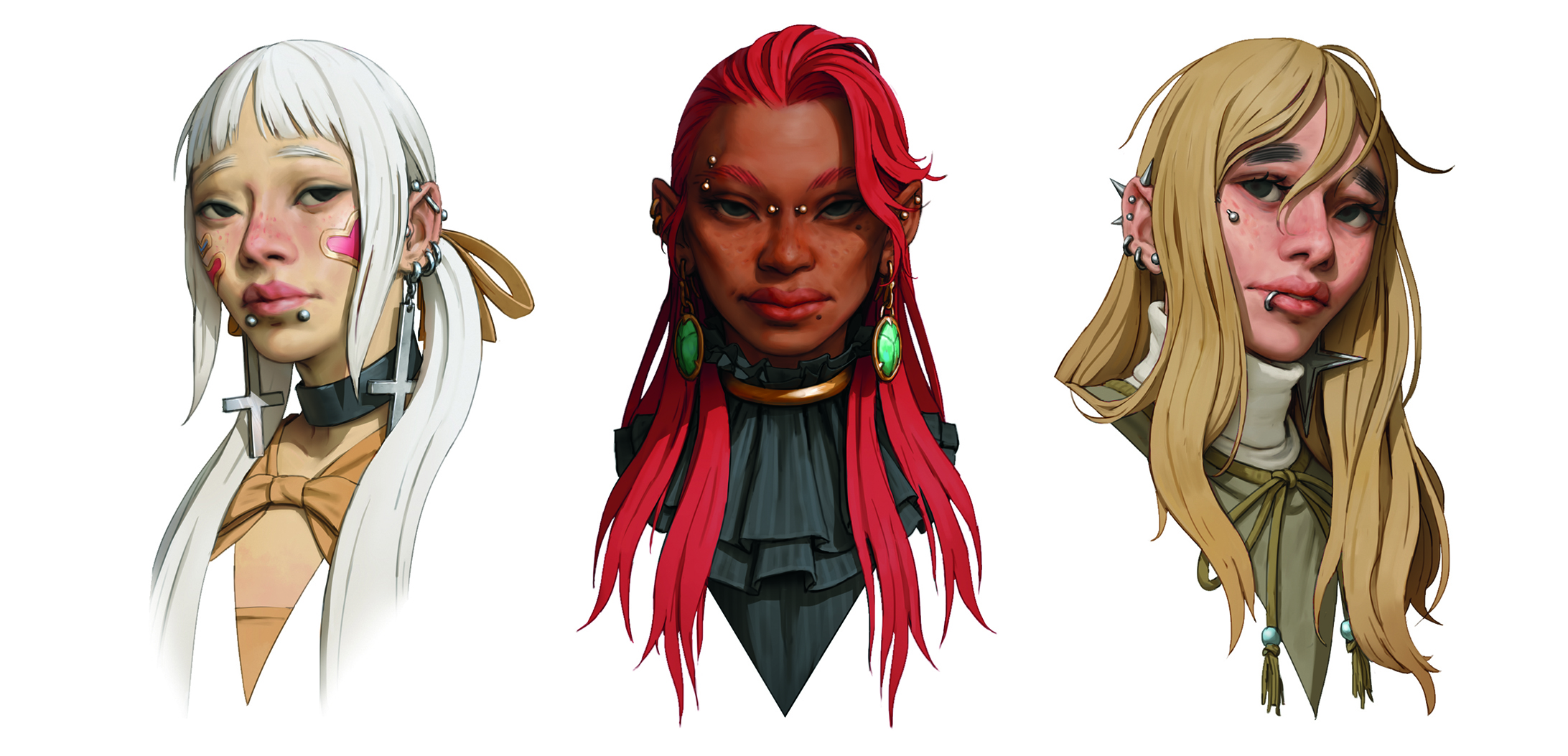
One of the most defining aspects of Hristov’s portfolio is the influence of street fashion, particularly Japanese fashion magazines from the pre-social media era. For Hristov, these publications captured a sense of "artificiality-free" identity that is often missing in modern character design. In the early 2000s, magazines like Fruits or Tune documented the eccentric and highly personal styles of Tokyo’s Harajuku district, focusing on how individuals layered clothing to express their personal histories and subcultural affiliations.
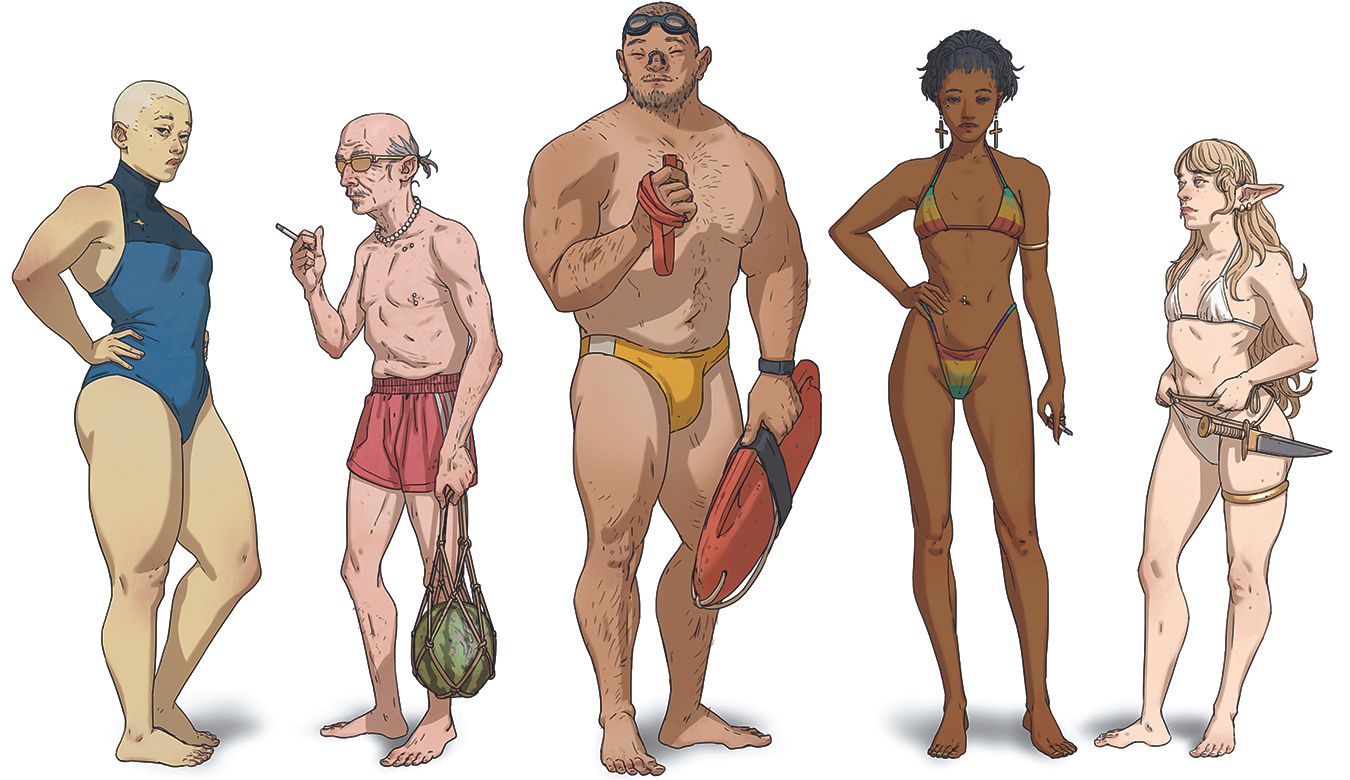
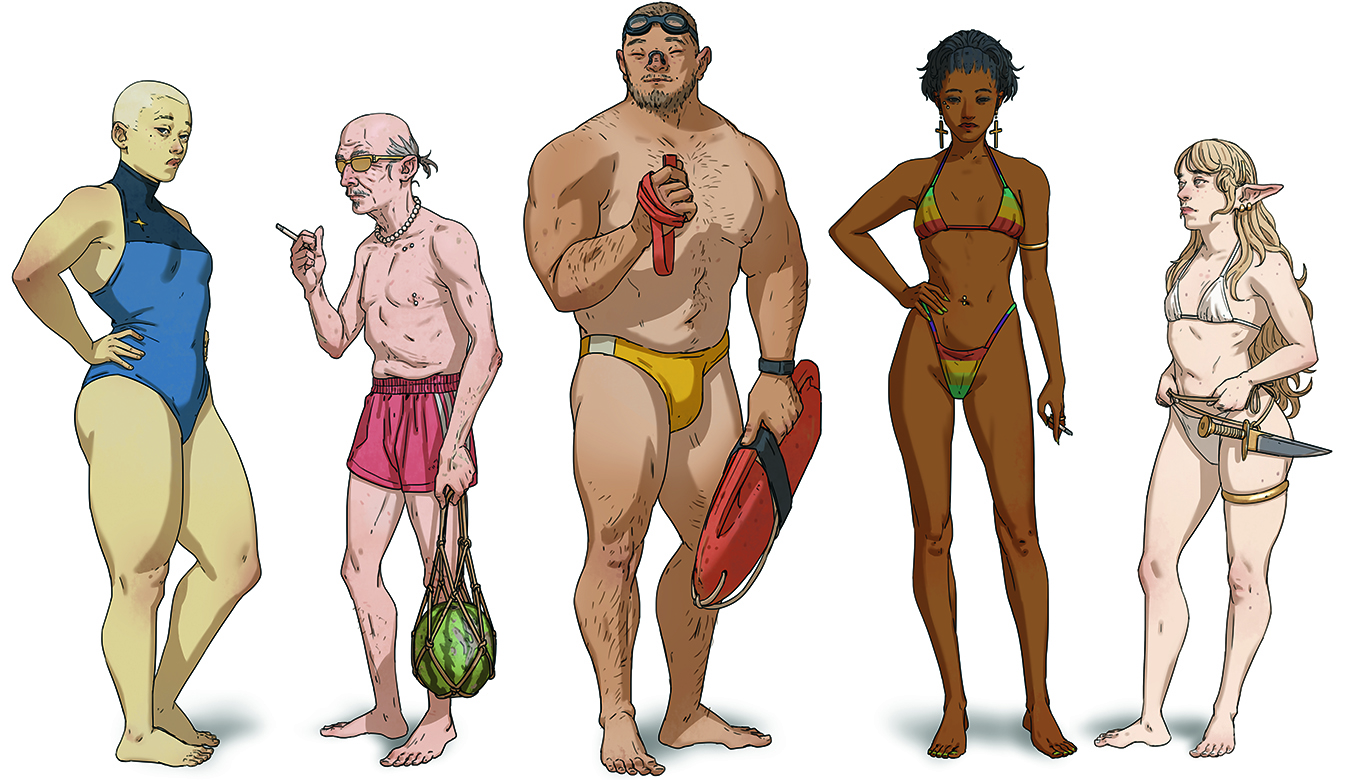
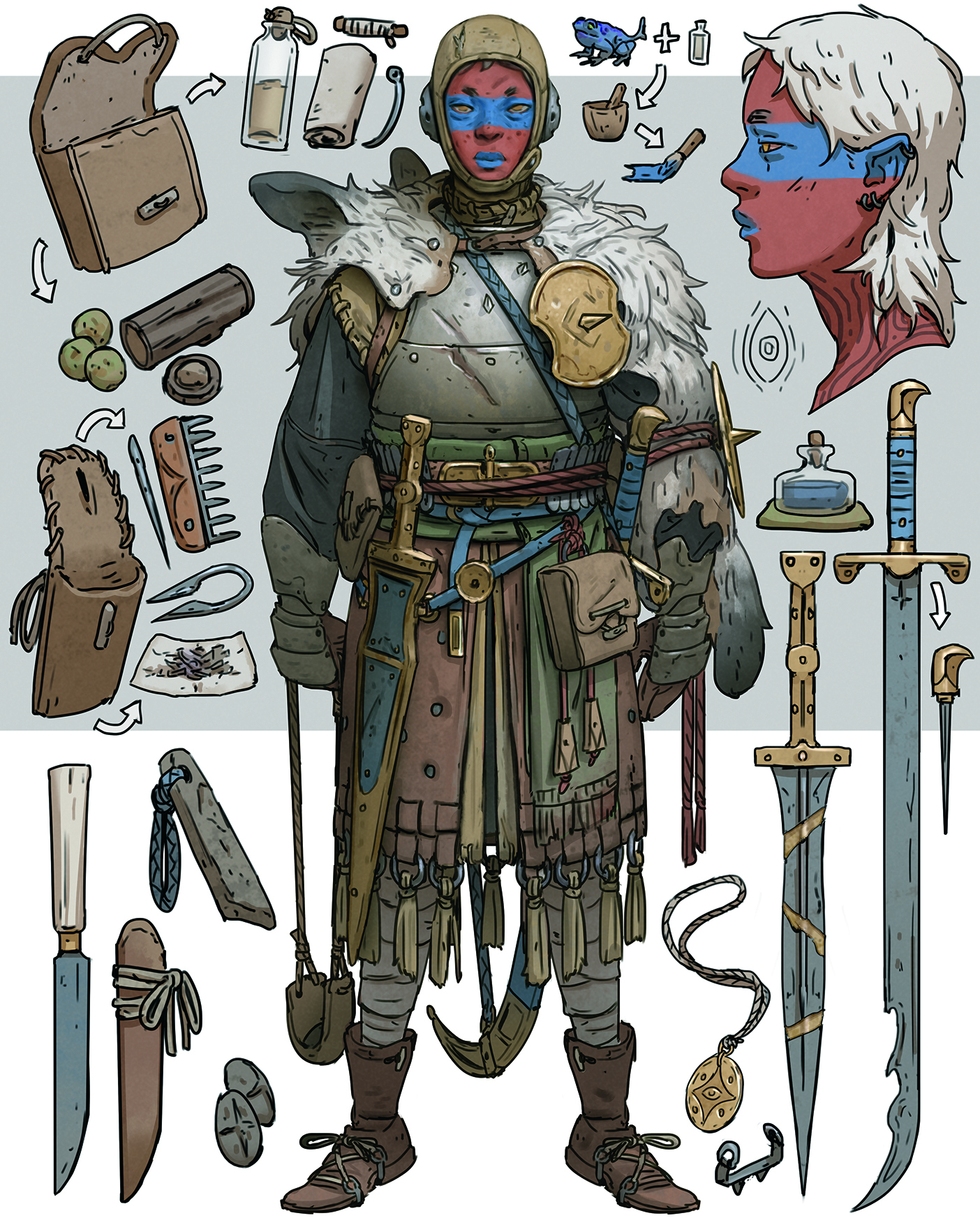
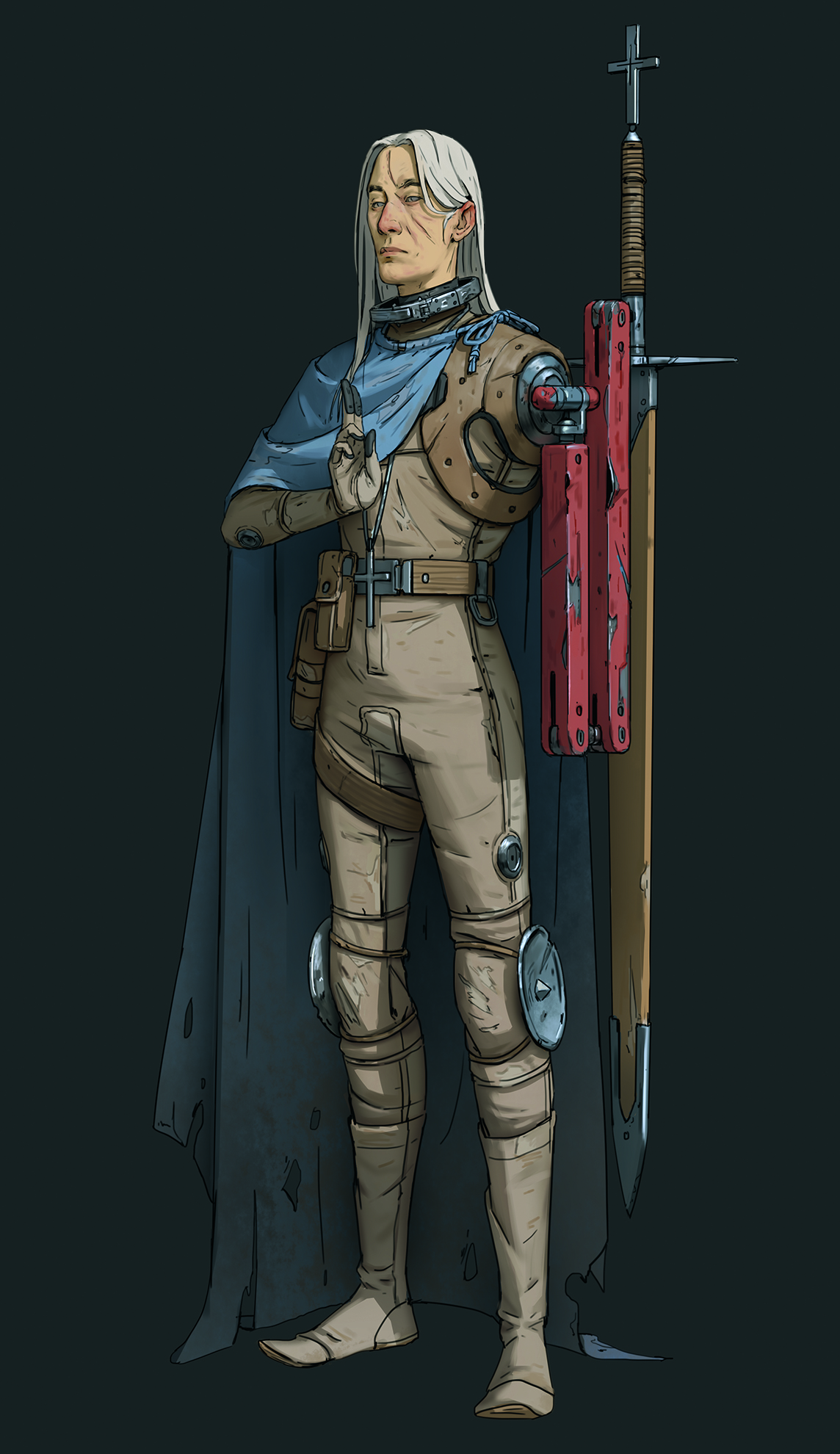
Hristov translates this aesthetic into his concept art by avoiding the "idealized" or "exaggerated" tropes common in high-fantasy or sci-fi genres. Instead of designing a "warrior" in the abstract, he designs a person who happens to be a warrior, considering how their gear would be modified for comfort, how it would wear down over time, and what small, personal tokens they might carry. This "snapshot" approach creates characters that feel like they have been pulled from a real, functioning society. By focusing on the mundane details—the fit of a jacket, the specific drape of a fabric, or the utilitarian nature of a tool—Hristov provides the viewer with enough context to infer the character’s social status, occupation, and history without the need for explanatory text.
The Realities of the Freelance Economy
Despite the creative satisfaction of designing characters for major game titles, Hristov remains vocal about the logistical and administrative hurdles of the freelance lifestyle. The digital art industry has seen a massive surge in the number of independent contractors, driven by the shift toward remote work and the "gig economy" model adopted by many mid-to-large-scale game studios. While this offers artists the freedom to choose their projects, it also requires them to act as their own accountants, project managers, and marketing agents.
Industry data suggests that the global concept art market is more competitive than ever. With the video game industry projected to reach a valuation of over $300 billion by 2030, the demand for high-quality assets is at an all-time high. However, this growth is accompanied by an oversaturation of talent. Freelancers like Hristov must navigate a landscape where they are competing not just with their peers, but with established studios and a growing pool of international talent. Hristov emphasizes that the challenge of being a freelancer is often underestimated; it requires a level of self-discipline and business acumen that is rarely taught in art tutorials.
The Technological Shift: From Fundamentals to AI
The digital art landscape has undergone several seismic shifts during Hristov’s tenure. The most significant of these is the transition from a focus on manual technical skill to the integration of complex software ecosystems. While Hristov continues to advocate for the "fundamentals"—anatomy, perspective, and lighting—the tools used to execute these concepts have evolved. The industry has moved from simple 2D painting in Photoshop to workflows that often involve 3D base meshes in ZBrush or Blender, which are then painted over to achieve a final look.
Furthermore, the emergence of generative Artificial Intelligence (AI) has introduced a new layer of complexity to the profession. Hristov notes that while digital art is more accessible than ever, the rise of AI-generated imagery and the shifting algorithms of social media platforms have made it increasingly difficult for artists to maintain visibility and job security. The industry is currently in a state of flux as studios and individual creators grapple with the ethical and professional implications of AI. While some see it as a tool for rapid prototyping, others, including many in the traditional concept art community, view it as a threat to the artisanal nature of the craft and the livelihoods of entry-level artists.
Despite these challenges, Hristov points out that the current era also offers unprecedented opportunities for independence. Platforms like Patreon, Gumroad, and ArtStation allow artists to monetize their personal projects and educational content directly, bypassing the need for corporate employment. This has led to a renaissance of personal worldbuilding projects, such as Hristov’s own "Beyond the Void," a space exploration concept that allows him to explore themes of religion and biology in a sci-fi setting without the constraints of a client’s brief.
Advice for the Modern Digital Artist
When reflecting on the advice he would give to his younger self, Hristov returns to the importance of the basics. In a field that is constantly chasing the latest software or visual trend, he argues that a deep understanding of artistic fundamentals is the only way to ensure long-term career longevity. He warns against the "complacency trap"—the tendency for artists to stop studying once they land a stable job or a high-profile project.
The competitive nature of the freelance market means that artists must constantly evolve. Hristov suggests that the most successful artists are those who remain "eternally curious," looking beyond the art world for inspiration. Whether it is studying the pupation of insects for demon designs or analyzing the infertility of dragon eggs as a narrative hook, he believes that a broad knowledge base is what separates a technician from a true concept artist.
Looking Ahead: Animation and Expansion
As for his future, Hristov is looking toward expanding his technical repertoire. While character design remains his primary passion, he has expressed a growing interest in animation—a field he describes as both "interesting" and "daunting." The move from static concepts to moving images is a natural progression for many concept artists, as it allows for an even deeper exploration of character personality and world mechanics.
Hristov’s career trajectory serves as a case study for the modern digital creator. It is a path defined by adaptability, a commitment to narrative realism, and a realistic understanding of the industry’s economic pressures. As the boundaries between games, film, and traditional art continue to blur, the role of the concept artist is evolving from a mere illustrator to a holistic world-builder. For Hristov, the goal remains simple yet profound: to continue designing characters that feel real, and to keep learning in a world that never stops changing.
Industry Implications and Broader Context
The evolution of Pavel Hristov’s work reflects the broader trends in the digital entertainment industry. As studios move toward "transmedia" storytelling—where a single franchise spans games, streaming series, and graphic novels—the demand for "vibe-consistent" character design is paramount. Characters must be recognizable and functional across different mediums. Hristov’s focus on the "snapshot" aesthetic is particularly well-suited for this, as it provides a grounded foundation that can be easily translated into 3D models for games or costumes for live-action adaptations.
Furthermore, the "Beyond the Void" project highlights the importance of intellectual property (IP) ownership for modern artists. In an era of corporate consolidation, artists who develop their own worlds and narratives are better positioned to navigate industry downturns. By building a personal brand around a specific aesthetic and narrative philosophy, Hristov is not just an artist for hire; he is a creator with a unique voice in a crowded digital landscape. The ongoing dialogue between artists like Hristov and the evolving technological landscape will ultimately shape the visual language of the next generation of digital storytelling.