The Apple Watch Series 12 Ceramic Case Repair Costs Reach Record Highs Following September 2026 Product Launch

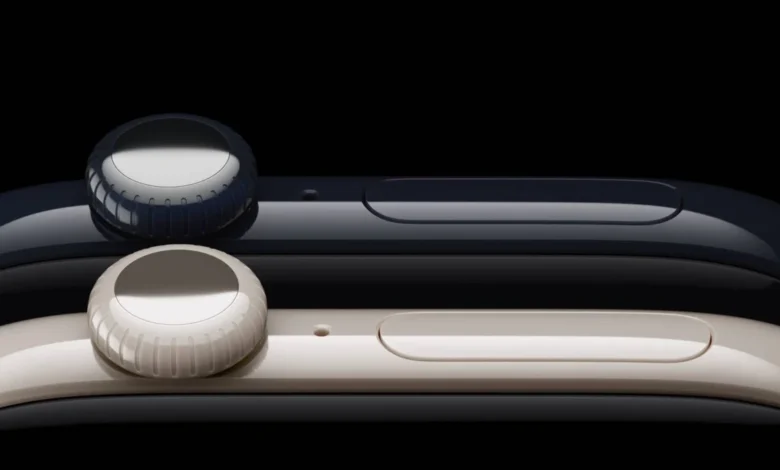
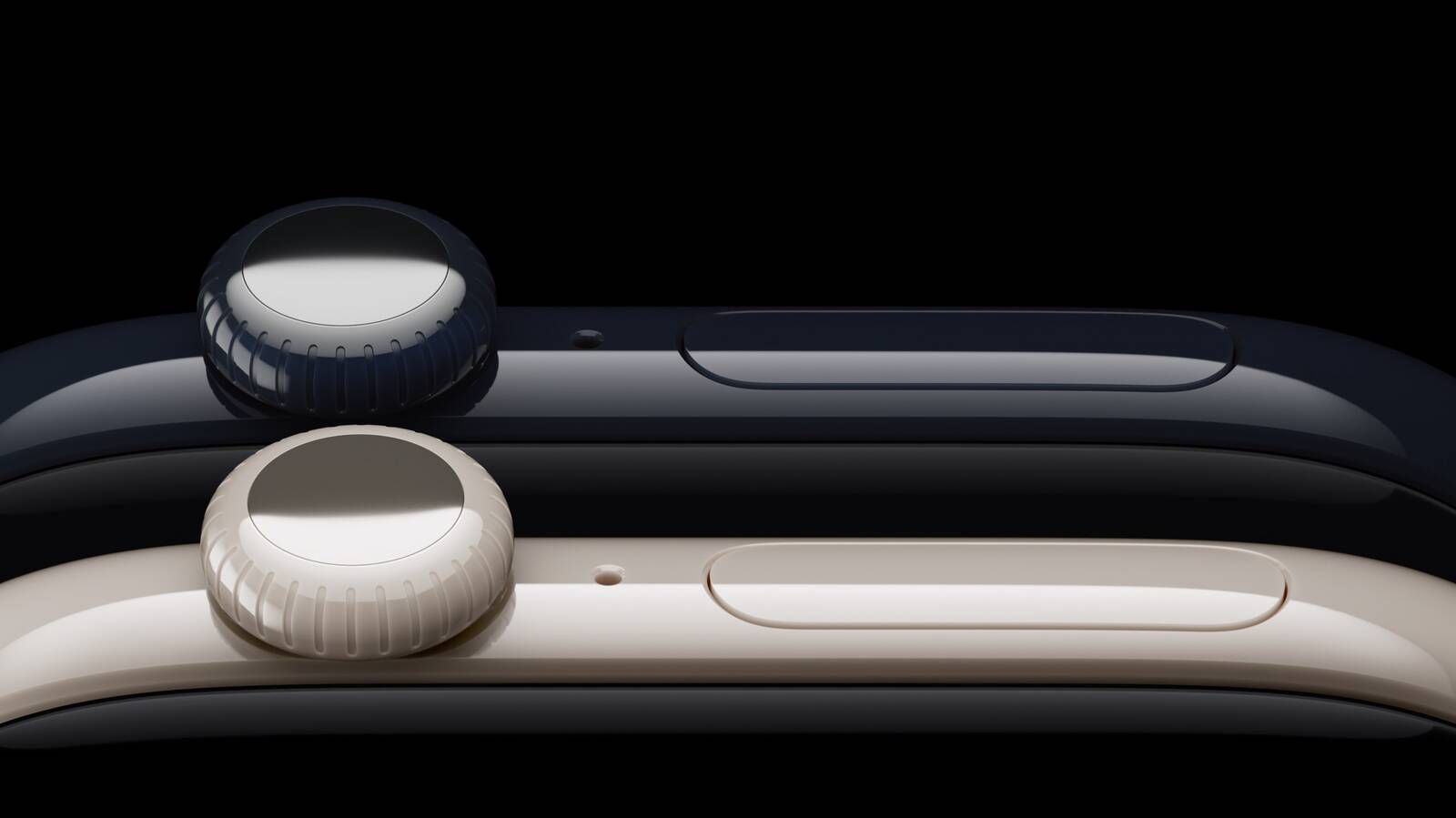
The introduction of the Apple Watch Series 12 has been marked by a return to premium material aesthetics, specifically the reintroduction of a high-end ceramic casing. While the aesthetic appeal of the Pearl White and Night Blue ceramic models has been lauded by design enthusiasts, the reality of maintaining such a device is proving to be a significant financial consideration. According to newly released service documentation from Apple, the cost of out-of-warranty repairs for these ceramic models has set a new precedent for wearable device maintenance, eclipsing even the repair costs associated with the ruggedized Apple Watch Ultra 4.
For consumers who choose to bypass AppleCare+, the financial commitment required to address accidental damage is substantial. Apple has pegged the "other damage" repair fee—a category covering any structural or internal damage beyond simple battery degradation—at $599 for the ceramic Series 12. This figure stands in stark contrast to the $349 repair cost for a cellular-enabled aluminum Series 12, highlighting the premium markup associated with the material composition and the specialized labor required to service ceramic components.
Chronology and Context: The 2026 Apple Event
The announcement of these repair costs follows the conclusion of the "Surprise and Shine" event held at the Steve Jobs Theater in Cupertino on September 9, 2026. The event, which served as a landmark moment in Apple’s hardware roadmap, saw the unveiling of the long-rumored iPhone Duo, a foldable device that dominated headlines, alongside the iPhone 18 Pro and Pro Max.
The Apple Watch Series 12 and the Apple Watch Ultra 4 were positioned as the company’s flagship wearable offerings. While early leaks from industry analysts such as Mark Gurman suggested that the Series 12 would retain a design language consistent with its predecessors, the surprise inclusion of the ceramic variant added a layer of complexity to the post-launch pricing structure. As of September 10, 2026, the global rollout of these devices has triggered a reassessment of consumer protection plans, as the cost of ownership for these premium wearables has effectively increased compared to previous fiscal cycles.
Comparative Repair Cost Analysis
A detailed breakdown of Apple’s current service pricing reveals a tiered structure that places the ceramic Series 12 at the apex of the cost hierarchy. For context, the Apple Watch Ultra 4, a device designed for extreme environments and high-intensity activities, carries an out-of-warranty repair fee of $549. Despite the Ultra 4 being marketed as a more durable, specialized tool, the ceramic Series 12 is $50 more expensive to repair.
The disparity becomes even more pronounced when compared to standard models:
- Ceramic Apple Watch Series 12: $599 (Out-of-warranty)
- Apple Watch Ultra 4: $549 (Out-of-warranty)
- Cellular Aluminum Series 12: $349 (Out-of-warranty)
- Battery Replacement (Standard): $99
These figures represent a significant increase in service pricing. Analysts note that the difficulty in sourcing, machining, and finishing ceramic, which is prone to fracturing under specific stress conditions compared to aluminum or titanium, necessitates a higher labor cost and a lower tolerance for repair-related component salvage. Essentially, the "other damage" category for ceramic watches often results in a full unit replacement rather than a component-level repair, driving up the service cost for the consumer.
The Financial Utility of AppleCare+
Given the high out-of-warranty costs, Apple is placing increased emphasis on the adoption of its AppleCare+ service plans. For the ceramic Series 12, an AppleCare+ policy reduces the accidental damage service fee to a flat $69, provided the device remains within its coverage period. This represents a savings of $530 per incident for the end-user.
The pricing for these protection plans has also been adjusted to reflect the hardware value:
- AppleCare+ for Series 12: $4.99 per month.
- AppleCare+ for Ultra 4: $5.99 per month.
- AppleCare+ Theft and Loss Deductible: $119.
To incentivize broader coverage, Apple is also expanding its ecosystem-wide service offerings. Starting September 14, 2026, the company will debut "AppleCare One Family," a $49.99 monthly subscription that covers up to six family members. This plan is designed to consolidate the management of multiple devices, including iPhones, iPads, and the new Apple Watch models, providing a more predictable cost structure for households heavily invested in the Apple ecosystem.
Implications for Market Strategy
The strategy behind pricing the ceramic model at a premium—both at retail and in the service center—aligns with Apple’s transition toward a luxury-goods business model. With the base price of the ceramic Series 12 starting at $899, the device is explicitly targeted at the high-end consumer demographic. The decision to make repairs prohibitively expensive for those without insurance serves as a powerful nudge, pushing users toward recurring revenue streams like AppleCare+.
Industry experts argue that this pricing model serves two purposes: it protects Apple’s margins on low-yield components like ceramic casings, and it creates a psychological "anchor" for the value of the device. By signaling that the watch is a high-precision, fragile, and expensive instrument, Apple reinforces the perception of the device as a luxury watch rather than a disposable consumer electronic.
However, this approach may also invite scrutiny from right-to-repair advocates. As repair costs rise, the barrier to entry for independent repair shops increases. Because the ceramic finish requires specialized calibration and cleaning environments to avoid microscopic defects, third-party repair services may find it impossible to offer competitive pricing, effectively creating a service monopoly for Apple’s Authorized Service Providers.
Broader Impact on Wearable Ownership
The release of the Apple Watch Series 12 and the accompanying repair fee schedule suggest that the era of "affordable" flagship wearables may be ending for specific material tiers. As the technology inside these devices becomes more sophisticated—incorporating advanced sensors and display technologies—the physical chassis becomes a larger percentage of the overall bill of materials.
For the average consumer, the message is clear: the choice of material significantly dictates the long-term cost of ownership. While the aesthetic benefits of ceramic are visually distinct, the financial exposure of a single accidental drop is now significantly higher than it was in previous years. As the market digests the September 2026 announcements, consumers are expected to favor the more durable titanium or aluminum variants unless they are prepared to treat the device with the same care reserved for high-end horological timepieces.
Ultimately, the 2026 product cycle reflects a maturation of the Apple Watch line. By offering a range of options—from the practical, ruggedized Ultra 4 to the high-fashion, delicate ceramic Series 12—Apple is segmenting its user base more effectively than ever before. Whether this segmentation will result in long-term customer satisfaction remains to be seen, but for now, the price of elegance has been clearly defined at $599.