Apple to release iOS 27 and macOS Golden Gate to the public on Monday September 14

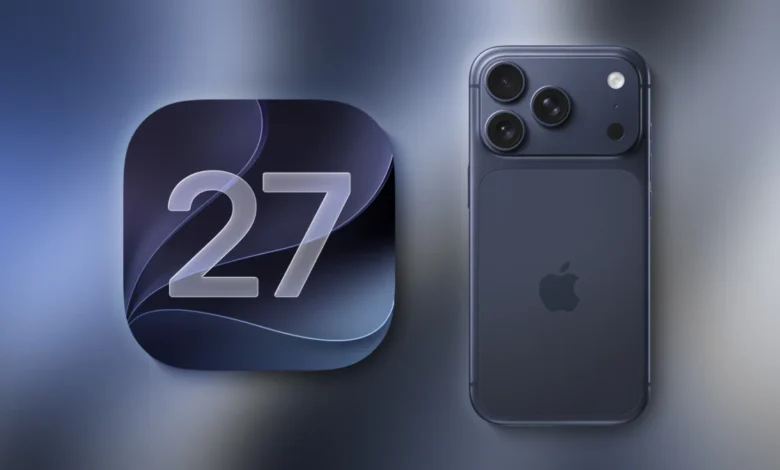
Apple is set to initiate the global rollout of iOS 27, its most significant mobile operating system update of the year, on Monday, September 14, 2026. This launch, announced during the company’s recent hardware event where it unveiled the iPhone 18 Pro, AirPods 5, and Apple Watch Series 12, marks a transformative shift for the ecosystem. The update is anticipated to bring substantial advancements to Siri’s generative AI capabilities, alongside a suite of stability improvements and user-facing feature refinements. Alongside the mobile update, Apple will also release macOS Golden Gate, signaling a synchronized deployment across its hardware portfolio.
The Chronology of the Development Cycle
The journey to the release of iOS 27 began earlier this summer at the Worldwide Developers Conference (WWDC) in June 2026. During the keynote address, Apple provided a preliminary glimpse into the hundreds of internal refinements and feature additions planned for the software. Following the announcement, the company initiated a rigorous testing phase, releasing the first developer beta shortly after the conference to allow software engineers to integrate their applications with the new APIs.
In July 2026, the testing pool expanded to include the general public through the Apple Beta Software Program. This phase allowed millions of users to provide telemetry data and feedback, enabling Apple’s engineering teams to squash critical bugs and optimize battery performance before the final gold master build was finalized. The transition from the beta environment to the production release on September 14 represents the culmination of nearly three months of intensive software refinement.
Understanding the Global Release Window
Historically, Apple has maintained a consistent release schedule for its major operating system updates, typically pushing them to servers at 10:00 a.m. Pacific Time. This standardized release time ensures that Apple’s global infrastructure can manage the influx of requests while providing a baseline for users in different time zones.
Data analysis of Apple’s regional support pages indicates a deliberate, staggered rollout window. While users in North America and Europe can expect the update to arrive in the morning or early afternoon on September 14, users in Asia-Pacific regions, such as Singapore and Hong Kong, may see the update appear in their settings as early as September 15. This discrepancy is not a result of a delayed launch, but rather a reflection of the global clock. By releasing at 10:00 a.m. PT, Apple ensures that the update is live simultaneously worldwide, even if the local date varies due to time zone differences.
Siri’s Generative AI Evolution
The cornerstone of the iOS 27 release is the integration of more advanced, large-language-model-driven capabilities for Siri. While Siri has been a staple of the iPhone experience since 2011, the version arriving in iOS 27 represents the most significant architectural change in the assistant’s history.
According to documentation provided to developers, the new Siri is designed to handle multi-step requests with greater context awareness. Instead of relying on rigid, pre-programmed command structures, the new AI backend allows for more natural, conversational interaction. Users can expect Siri to better understand ambiguity, maintain context across a series of questions, and perform complex tasks that involve navigating across multiple disparate applications. This shift reflects Apple’s broader strategic pivot toward localized and privacy-focused artificial intelligence, ensuring that as much processing as possible occurs on-device via the Neural Engine in the A-series chips.
The Advent of iPhone Handoff
One of the most notable features arriving in this update is the new "iPhone Handoff" functionality. First teased at WWDC, this feature allows a single phone number to be active and fully functional across two different iPhones simultaneously. This has significant implications for enterprise users and professionals who maintain separate devices for work and personal use.
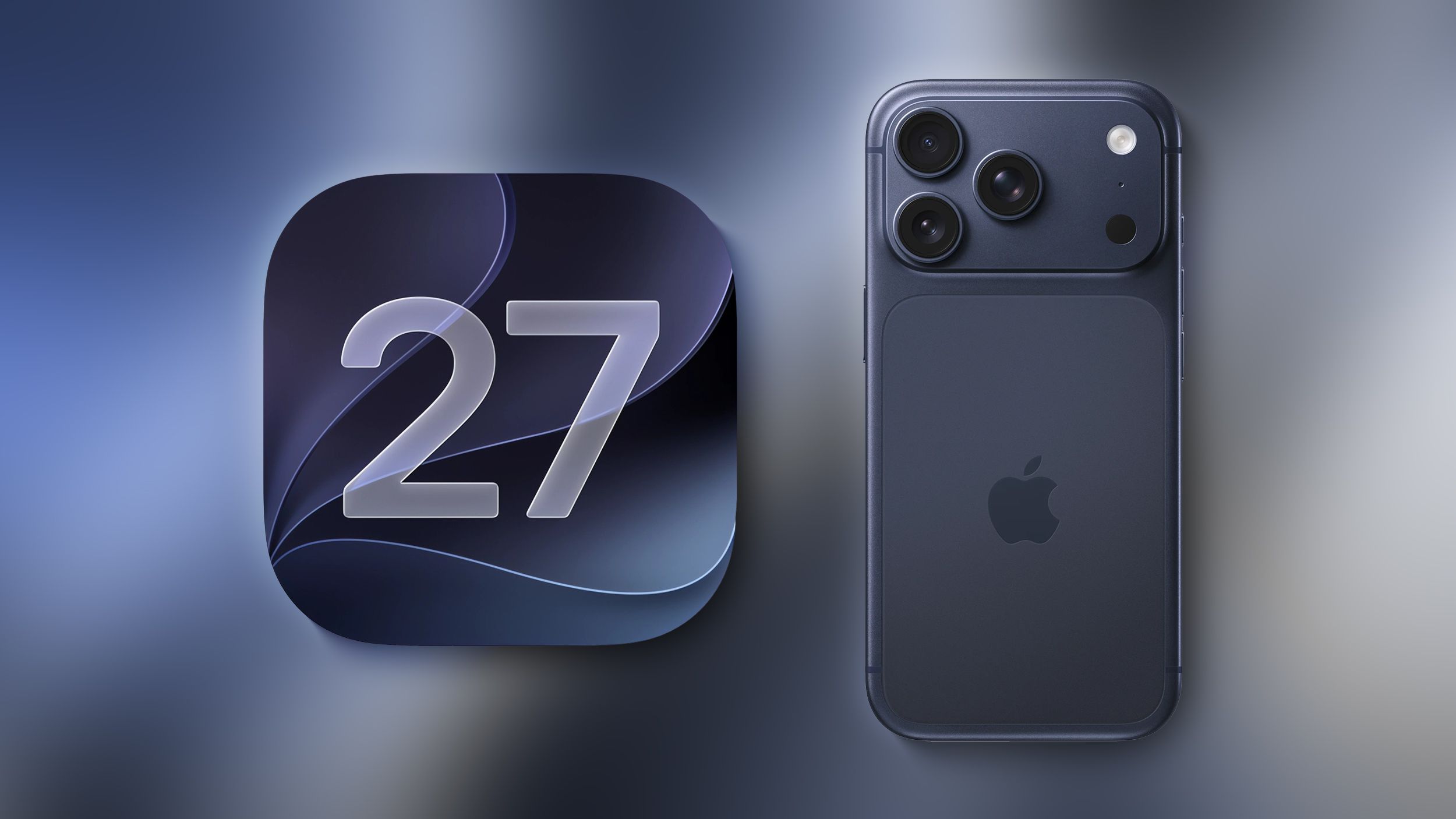
However, the rollout of this feature has not been without controversy. Recent disclosures have confirmed that carrier support is a mandatory requirement for iPhone Handoff to function. At launch, the feature is limited to T-Mobile in the United States and Deutsche Telekom in Germany. Furthermore, T-Mobile has announced a monthly subscription fee of $5 to enable this capability. Industry analysts suggest that this pricing model may set a precedent for how carriers monetize advanced eSIM features, potentially creating a tiered experience for users based on their carrier’s participation.
Infrastructure Demands and Server Stability
The release of a major operating system update is a massive undertaking for Apple’s content delivery network (CDN). When iOS 27 goes live, millions of devices will simultaneously ping Apple’s servers to verify, download, and install the update. This surge in traffic typically results in temporary server congestion, which can manifest as slow download speeds, "Update Requested" loops, or interrupted installation processes.
To mitigate these issues, Apple employs a tiered distribution system, but the sheer volume of requests during the first 24 hours of availability often exceeds the capacity of standard network traffic. Experts in network infrastructure advise that while Apple has invested heavily in its server farms, the bottleneck is often the user’s own local ISP or home Wi-Fi bandwidth being saturated by multiple devices in a household attempting to update at once.
Recommendations for a Smooth Upgrade
For users planning to install iOS 27 on launch day, preparation is essential to ensure a seamless experience. The following best practices are recommended:
- Perform a Full Backup: Before initiating the update, users should perform a comprehensive backup of their device using iCloud or a local connection to a computer. This ensures that in the event of a catastrophic failure during the installation, personal data remains recoverable.
- Ensure Sufficient Storage: Major iOS updates often require several gigabytes of free space to unpack the update files. Users should audit their storage and remove unnecessary media or unused applications to prevent installation errors.
- Battery and Power Management: The installation process is processor-intensive and can drain battery life rapidly. It is highly recommended that the device be plugged into a power source throughout the duration of the download and installation.
- Patience During Deployment: If the "Software Update" screen displays slow progress, it is advisable to wait. Interrupting the update process during the installation phase can lead to system instability, potentially requiring a device restore via DFU mode.
Broader Implications for the Apple Ecosystem
The release of iOS 27 and macOS Golden Gate is more than just a software update; it is a declaration of Apple’s current technological trajectory. By aligning the development cycles of its mobile and desktop operating systems, Apple is strengthening the "Continuity" feature set that defines its ecosystem. The ability to move tasks between an iPhone, an iPad, and a Mac is central to the value proposition that keeps users locked into the platform.
From a market perspective, the inclusion of AI features and niche connectivity options like iPhone Handoff is designed to encourage hardware upgrades. As the iPhone 18 Pro becomes the standard-bearer for these new features, users with older hardware may find that their devices are either unsupported or unable to utilize the full scope of the AI enhancements. This creates a natural incentive for the replacement cycle, which is vital for Apple’s hardware revenue.
Furthermore, the involvement of carrier-specific features like the T-Mobile Handoff subscription suggests that Apple is increasingly looking to collaborate with telecommunications partners to create value-added services. If this model proves successful, it is likely that we will see more "feature-as-a-service" options integrated into future iOS releases.
As the industry prepares for the September 14 launch, the focus will remain on whether the new Siri capabilities and the stability of the OS can meet the high expectations of the user base. With millions of devices expected to update within the first 48 hours, the stability of Apple’s servers will be the first true test of the company’s infrastructure for the 2026 fiscal year. Users who prefer a risk-averse approach may opt to wait for the inevitable iOS 27.0.1 maintenance release, which historically arrives within weeks to address the most urgent bugs discovered during the initial, massive-scale deployment.