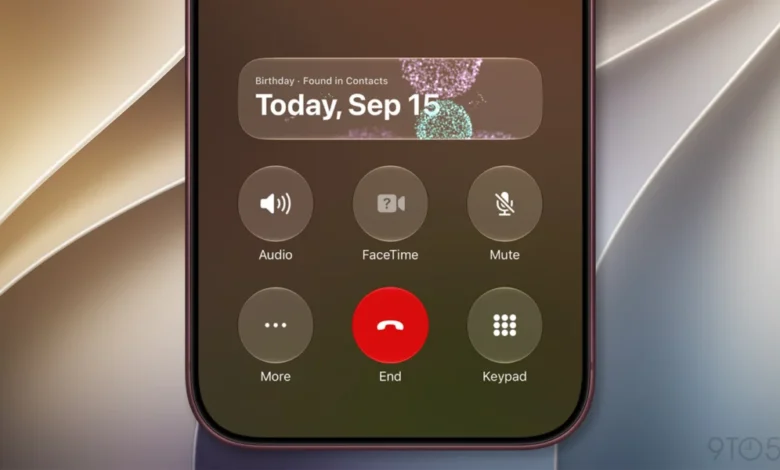
Apple Inc. has officially rolled out its latest major software iterations, bringing a wide array of system-wide changes, security enhancements, and user-interface refinements to millions of compatible devices worldwide. Among the notable additions bundled into iOS 27 is a subtle yet charming feature designed to add a personal touch to everyday communications: a dedicated birthday animation that plays directly within the native Phone application when placing an outbound call to a contact celebrating their special day.
The update, which became available to the public following Apple’s annual autumn software deployment cycle, bridges a long-standing stylistic gap between the company’s mobile operating system and its wearable ecosystem. While the new feature may seem minor in the grand scheme of a major operating system overhaul, it highlights Apple’s continued focus on micro-interactions, personalization, and emotional resonance within its software design philosophy.
Unpacking the Feature: How the Birthday Animation Works
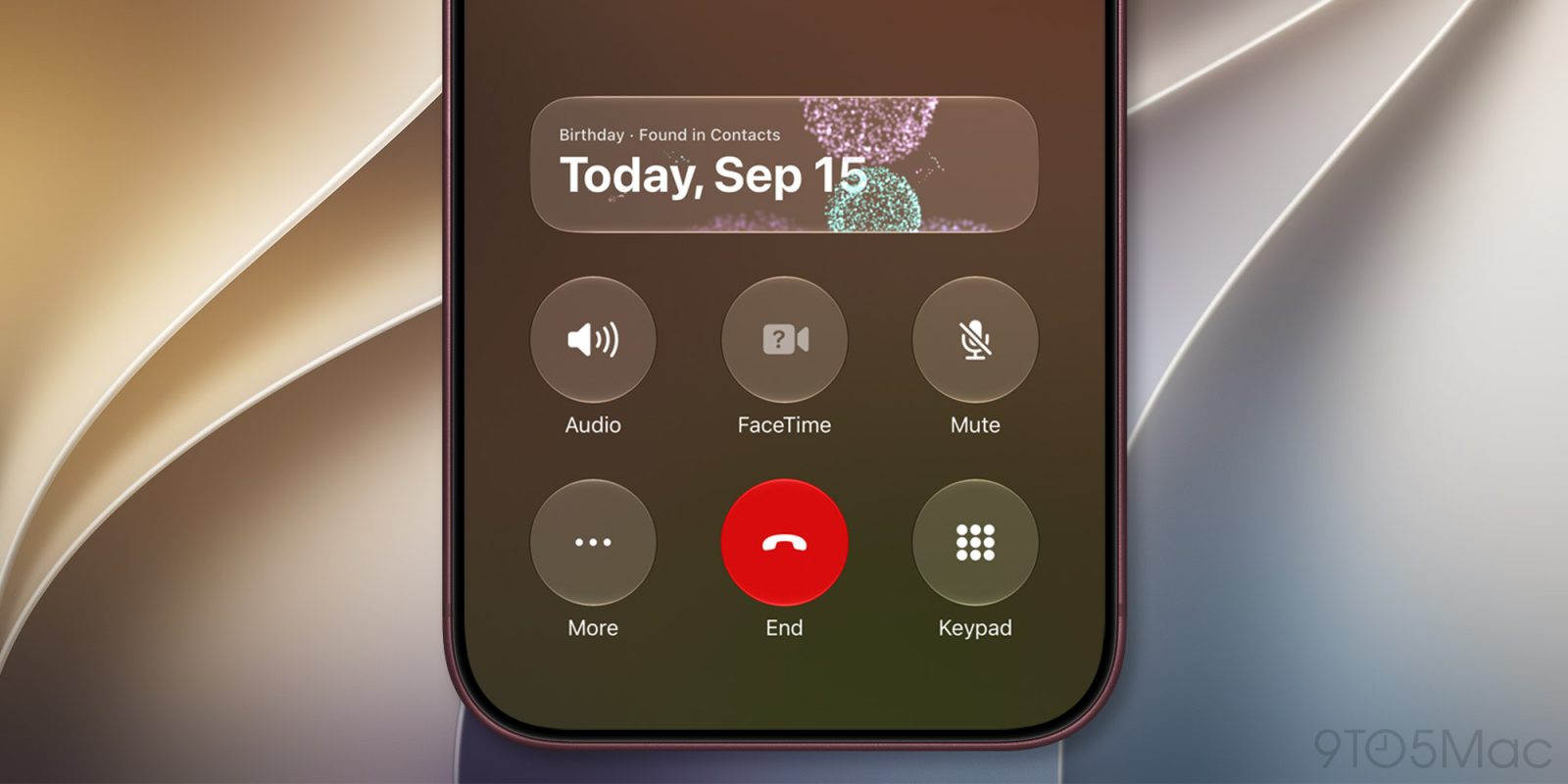
The mechanics of the new birthday integration within iOS 27 are straightforward yet seamlessly executed. When a user initiates a phone call to an individual whose birthday is accurately logged within the native iOS Contacts application, the system cross-references the date in real time. Upon placing the call, an eye-catching, celebratory banner animation materializes across the active call screen.
This specific visual effect—consisting of vibrant, cascading fireworks—is not entirely new to the Apple ecosystem. For years, watchOS users have been greeted by the very same explosive visual motif at the stroke of midnight on their birthdays, accompanied by a festive greeting notification. Furthermore, Apple utilizes identical animations to ring in the New Year across various devices. By bringing this celebratory visual asset into the Phone app during an active call, Apple is effectively extending a familiar celebratory tradition from passive notifications to active, real-time interpersonal communication.
The feature was first brought to light by sharp-eyed technology enthusiasts and community members, notably X user Tiino-X83, who documented the animation shortly after the public release of iOS 27. Since the discovery, numerous users have tested the feature, confirming its presence across a variety of supported iPhone models running the latest firmware.
Chronology of Birthday Integration in Apple Software
Apple’s focus on celebrating user milestones is not a recent development, but rather a carefully cultivated design choice that has evolved over more than a decade. Understanding the trajectory of how Apple incorporates personal milestones into its software helps contextualize the arrival of the iOS 27 phone call animation.
Historically, Apple introduced foundational contact-tracking capabilities in the earliest iterations of iOS and Mac OS X, allowing users to input birthdates alongside phone numbers, physical addresses, and email contacts. However, for many years, these dates remained largely dormant, serving primarily to populate calendar events or trigger basic reminders via third-party applications.
The turning point for proactive, system-driven birthday celebrations arrived with the inception of the Apple Watch and watchOS. Because the wearable device is designed to be worn intimately against the wrist, Apple leveraged the platform’s haptic engine and high-density display to deliver immediate, delightful morning greetings. Long-time watchOS users have grown accustomed to receiving a customized notification exactly at 12:00 AM on their birthday, complete with the signature fireworks animation.
Over subsequent software generations, Apple gradually expanded these contextual awareness features. The introduction of widgets, customizable lock screens, and proactive intelligence frameworks in iOS laid the groundwork for deeper personal data integration. The culmination of this multi-year effort is visible in the 2027 software suite—comprising iOS 27, watchOS 27, and corresponding updates across iPadOS and macOS—where personal milestones are elevated from background data points to active, surface-level UI elements.
A Coordinated Theme: watchOS 27 and the Smart Stack
The inclusion of the birthday animation in iOS 27 is part of a broader, deliberate software design theme focused on personal relevance and proactive memory aids. This is further evidenced by concurrent updates rolling out to the Apple Watch ecosystem.
According to Apple’s official release documentation for watchOS 27, the platform’s adaptive Smart Stack—a widget-based interface designed to surface timely information throughout the day—has been upgraded to actively display "birthday reminders for a close contact." Rather than requiring users to manually check their calendars or wait for a generic morning notification, the watchOS 27 Smart Stack dynamically evaluates communication frequency, relationship graphs, and saved contact data to bring imminent birthdays to the forefront of the user’s daily view.

Industry analysts note that this synchronized focus on birthdays across both iOS and watchOS demonstrates a high level of cross-platform design coordination. By weaving celebratory elements and proactive reminders into both the communication layer (the Phone app) and the glanceable interface layer (the Smart Stack), Apple is attempting to reduce social friction, ensuring that users are both reminded of important personal dates and equipped with immediate, delightful ways to acknowledge them.
User Reception and Community Discovery
As is standard with major Apple software releases, the technology community immediately took to social media platforms, developer forums, and enthusiast blogs to dissect every pixel of the new operating systems. While major headlines typically focus on sweeping architectural changes, privacy frameworks, and artificial intelligence advancements, community-driven discoveries often center around these smaller, human-centric design choices.
The reaction to the iOS 27 birthday call animation has been overwhelmingly positive. Users across online forums have praised the feature for adding a touch of warmth and unexpected delight to routine phone calls. In an era where digital communication is increasingly text-based, asynchronous, and dominated by automated notifications, a visual celebration triggered during a live voice call introduces a nostalgic yet modern element of human connection.
Design critics have similarly lauded the restraint exercised by Apple. Rather than intrusive full-screen takeovers or disruptive audio cues that might interfere with an ongoing conversation, the animation is gracefully contained within the call banner interface, ensuring that functionality is never compromised for the sake of aesthetics.
Fact-Based Analysis: Broader Implications for Software Design
While a birthday animation inside a phone application may appear to be a trivial software addition, it reflects several deeper trends in modern human-computer interaction (HCI) and operating system development.
1. Emotional Design and User Engagement
In contemporary software engineering, functionality alone is no longer sufficient to drive user loyalty. Companies increasingly rely on "emotional design"—the intentional creation of products that evoke positive emotional responses. By incorporating celebratory animations into mundane tasks like making a phone call, Apple transforms a utilitarian action into a memorable, positive experience. This reinforces brand affinity and differentiates the iOS ecosystem through attention to microscopic detail.

2. Proactive Computing and Contextual Intelligence
The integration of birthday reminders in the watchOS 27 Smart Stack alongside the iOS 27 call animation illustrates the ongoing shift from reactive computing to proactive computing. Operating systems are no longer passive tools that wait for direct user commands; instead, they analyze stored data, temporal markers, and behavioral patterns to anticipate user needs. By recognizing that a call placed on a specific day carries social significance, the iPhone dynamically alters its interface to match the contextual reality of the moment.
3. Ecosystem Synergy
Apple’s greatest competitive advantage remains its tightly integrated ecosystem of hardware and software. Features that debut or find synergy across multiple operating systems—such as the shared fireworks motif seen on both watchOS and iOS—strengthen the cohesive identity of the Apple brand. Users moving seamlessly between an Apple Watch, an iPhone, and eventually a Mac or iPad experience a continuous design language that feels unified and intuitive.
Conclusion
The release of iOS 27 brings numerous structural enhancements, performance optimizations, and security protocols designed to shape the future of mobile computing. Yet, amidst the complex technical architecture of the new operating system, small additions like the birthday-themed phone call animation remind observers of Apple’s enduring commitment to user experience at the micro-level.
By bridging the gap between historical watchOS traditions and modern iOS interface design, Apple has introduced a subtle yet impactful way to celebrate personal milestones. As users continue to explore the full breadth of the 2027 software updates, such delightful discoveries underscore the intricate craftsmanship that continues to define the modern technology landscape.