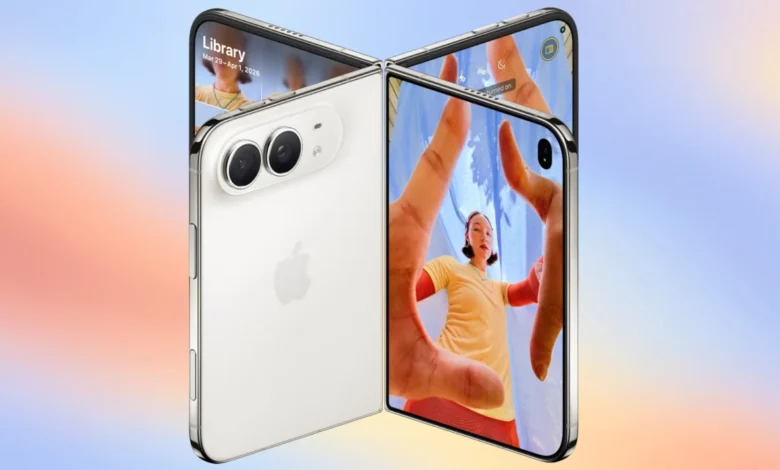
The landscape of mobile photography has shifted significantly with the official announcement of the iPhone Duo, Apple’s first foray into the foldable smartphone market. Unveiled at the company’s "Surprise and Shine" event on September 9, 2026, the device represents a fundamental departure from the traditional slab form factor that has defined the iPhone for nearly two decades. Beyond the hardware, Apple has introduced a suite of software-defined camera features specifically engineered to leverage the Duo’s unique folding architecture, signaling a new era for content creators and casual users alike.
A New Paradigm in Mobile Photography
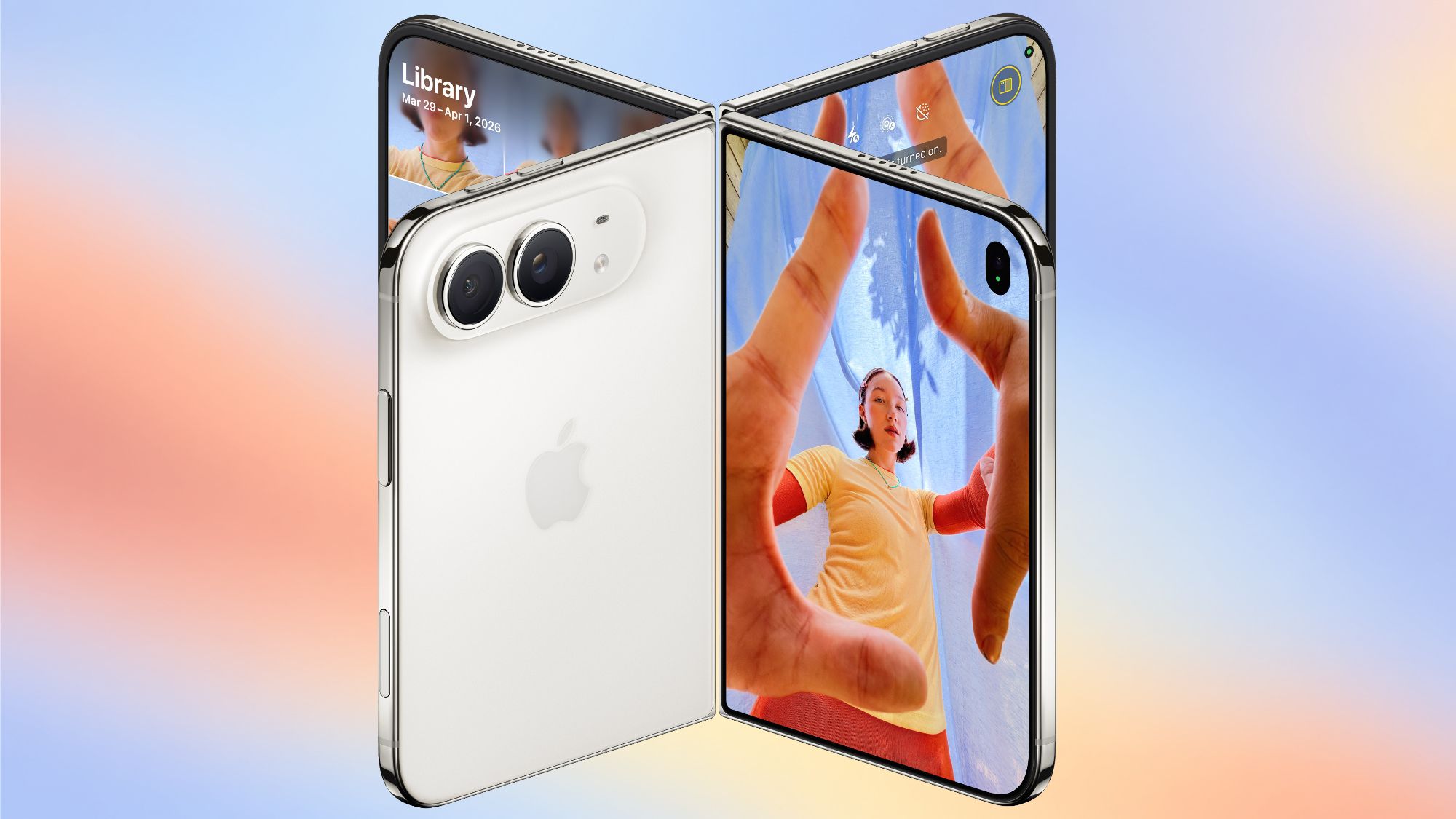
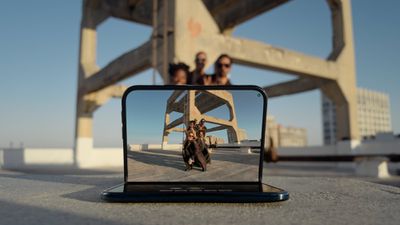
The iPhone Duo is built around a dual-display design that allows the device to function in multiple orientations, most notably a half-folded configuration. This hinge mechanism acts as an integrated tripod, providing stability for long-exposure photography and high-definition video recording without the need for additional accessories. By utilizing the higher-quality 48MP rear-facing camera system while simultaneously using the outer display as a real-time viewfinder, the Duo allows users to bypass the limitations of traditional front-facing cameras. This capability marks a significant shift in how high-quality selfies and vlogs are captured, effectively democratizing professional-grade framing.
The Smart Take and Intelligent Framing
Among the most notable additions is "Smart Take," an AI-driven functionality designed to streamline group photography. In traditional setups, one individual is often relegated to the role of photographer or tasked with managing a timer, frequently resulting in inconsistent expressions or missed opportunities. Smart Take leverages the device’s internal processing power to detect when all subjects in the frame are positioned correctly and prepared, automatically capturing the shot. This eliminates the "timer scramble" and ensures that the device owner is included in the composition with the same level of focus and exposure as the rest of the group.
Enhancing Engagement with Kid Cue
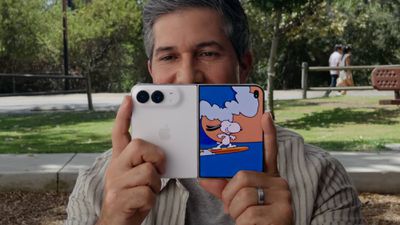
Recognizing the difficulty of capturing candid photos of young children, Apple has introduced "Kid Cue." This feature utilizes the outer display to project engaging animations—specifically curated Peanuts-themed graphics—to capture a child’s attention. By drawing the subject’s gaze toward the lens, the software increases the probability of capturing clear, eye-contact-heavy portraits. This feature highlights Apple’s strategy of integrating behavioral psychology into its utility software to solve common user pain points.
Duo Preview and Collaborative FaceTime
The introduction of "Duo Preview" addresses a long-standing challenge in portrait photography: the inability of the subject to see the frame. By enabling a live preview on both the inner and outer displays, the subject can offer input on lighting, angle, and pose in real-time. This level of collaboration is expected to appeal heavily to influencers and professional photographers using the device as a mobile studio.
Furthermore, "Duo FaceTime" expands the utility of the foldable screen. By allowing one user to engage with the inner display while another joins from the same location via the outer display, Apple has effectively turned the iPhone Duo into a shared communication hub. This is distinct from the device’s "Dual Capture" mode, which records video simultaneously from the front and rear cameras, and instead focuses on group participation in high-definition video calls without the need for users to crowd into a narrow frame.
Technical Specifications and Hardware Limitations
The camera array on the iPhone Duo features a "Dual Fusion" system. The 48MP Main sensor serves as the anchor, producing 24MP images by default and offering 12MP 2x telephoto-equivalent crops at 52mm. While the device shares the 48MP resolution of the iPhone 17, it does not incorporate the specialized hardware found in the iPhone 18 Pro series, such as the second-generation sensor-shift optical image stabilization or ProRAW support.
The secondary lens is a 48MP Ultra Wide camera with a 13mm focal length, which also facilitates macro photography. While the device lacks a dedicated telephoto optical lens, the software-based 2x zoom and up to 10x digital zoom provide a versatile, if not strictly professional-grade, range for everyday use.
Advancements in Video Production
Video capabilities on the Duo have received significant upgrades, mirroring some of the flagship features found in the iPhone 18 Pro. The inclusion of "Smart Focus Tracking" allows the device to maintain focus on a subject even if they temporarily exit the frame and return, a feat achieved through advanced machine learning algorithms.
The device supports 4K Dolby Vision video recording at 120 frames per second (fps), with Cinematic mode now allowing for the post-capture application of depth-of-field effects. This level of flexibility in post-production, previously reserved for high-end editing suites, represents a significant leap for mobile videography. Furthermore, the stabilization enhancements in 4K time-lapse recording, enabled by the device’s ability to act as its own stand, position the Duo as a formidable tool for content creation.
Market Context and Strategic Implications
The launch of the iPhone Duo comes at a critical juncture for Apple. With the smartphone market experiencing plateauing growth in the traditional sector, the foldable category is viewed as a high-margin growth engine. At a starting price of $1,999, the device is positioned as a luxury item aimed at early adopters and power users.
Research firms, including TrendForce, have noted that the bill of materials (BOM) for foldable devices remains significantly higher than that of standard handsets due to the complexity of the folding mechanism and the integration of dual-screen power management. By segmenting the camera features—offering premium software experiences while omitting certain Pro-level hardware—Apple is balancing the high cost of production with a distinct value proposition that justifies the price point to its core consumer base.
Chronology of the 2026 Product Cycle
The announcement follows a series of leaks and industry speculation that intensified throughout the summer of 2026.
- September 3, 2026: Market analysts from TrendForce released estimated pricing, correctly predicting that the iPhone 18 Pro would see a price hike, which effectively established the floor for the premium pricing of the iPhone Duo.
- September 9, 2026: The official launch occurred at the "Surprise and Shine" event, where the Duo was introduced alongside the standard iPhone 18 Pro models, Apple Watch Series 12, and AirPods 5.
- October 16, 2026: Pre-orders are scheduled to open, providing the first test of consumer demand for a foldable Apple product.
- October 23, 2026: The device will be available in retail locations, marking the official entry of the iPhone Duo into the global ecosystem.
Analysis of the Foldable Future
The implication of the iPhone Duo’s camera features is clear: Apple is moving toward a future where the device’s physical form is as important as its internal components. By moving away from the "one-size-fits-all" hardware approach, Apple is attempting to create a "Pro" experience for the foldable form factor that relies on software synergy rather than just optical hardware.

Industry analysts suggest that if the Duo succeeds, it could force a rapid pivot in the mobile industry, where competitors will be required to match Apple’s software-defined folding features rather than simply focusing on hinge durability and screen resolution. For now, the iPhone Duo remains an ambitious experiment, testing whether the utility of these new camera features is enough to convince the average consumer to embrace the foldable lifestyle at a two-thousand-dollar entry price. As the October 23 launch date approaches, the technology sector remains focused on whether the hardware can match the software’s promise in real-world, daily conditions.
Related posts: