Co-Creating the Future of Fashion: How Google Flow Transformed New York Fashion Week

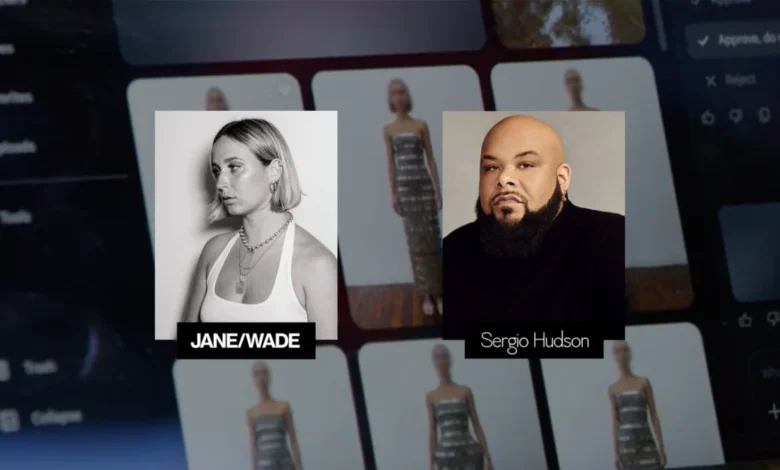
For independent fashion designers navigating the high-stakes world of the global apparel industry, the romanticized image of sketching gowns in sunlit studios rarely aligns with daily reality. In practice, the life of an independent designer is largely consumed by administrative bottlenecks, complex factory logistics, supply chain vendor coordination, and the relentless pressure of tight budgets. These operational hurdles leave a surprisingly narrow window for pure creative expression and garment design. Recognizing this friction, Google’s Envisioning Studio, backed by the experimental resources of Google Labs, stepped into the epicenter of the fashion world to tackle these challenges head-on. Just ahead of New York Fashion Week (NYFW), Google engineers collaborated directly with prominent independent designers Jane Wade and Sergio Hudson to develop custom artificial intelligence solutions using Google Flow, an emerging AI creative studio platform designed to streamline complex workflows.
The partnership sought to move generative artificial intelligence past the phase of theoretical experimentation and into practical, day-to-day utility. By integrating custom-built digital tools into the preparatory phases of runway collections, Google and the designers demonstrated how emerging technology can alleviate administrative and logistical burdens without compromising human artistic vision. The resulting projects allowed Wade to digitally curate and balance complex runway ensembles before committing to physical material production, while Hudson utilized advanced digital simulation to stage and budget his runway environment down to the final lighting cue and model pathway.
The Operational Realities of Independent Fashion Design
The modern fashion ecosystem places immense demands on independent creators. Unlike heritage luxury houses backed by massive conglomerates and sprawling operational teams, independent labels typically operate with lean staff and restricted budgets. Every dollar spent on logistics, venue re-renderings, or excess physical sampling directly impacts the bottom line. Historically, the runway preparation process is fraught with trial and error. Casting sessions and physical fittings consume days of valuable studio time, while venue staging often requires costly physical adjustments or repetitive 3D rendering revisions when directors attempt to experiment with lighting, spatial arrangements, and choreography.
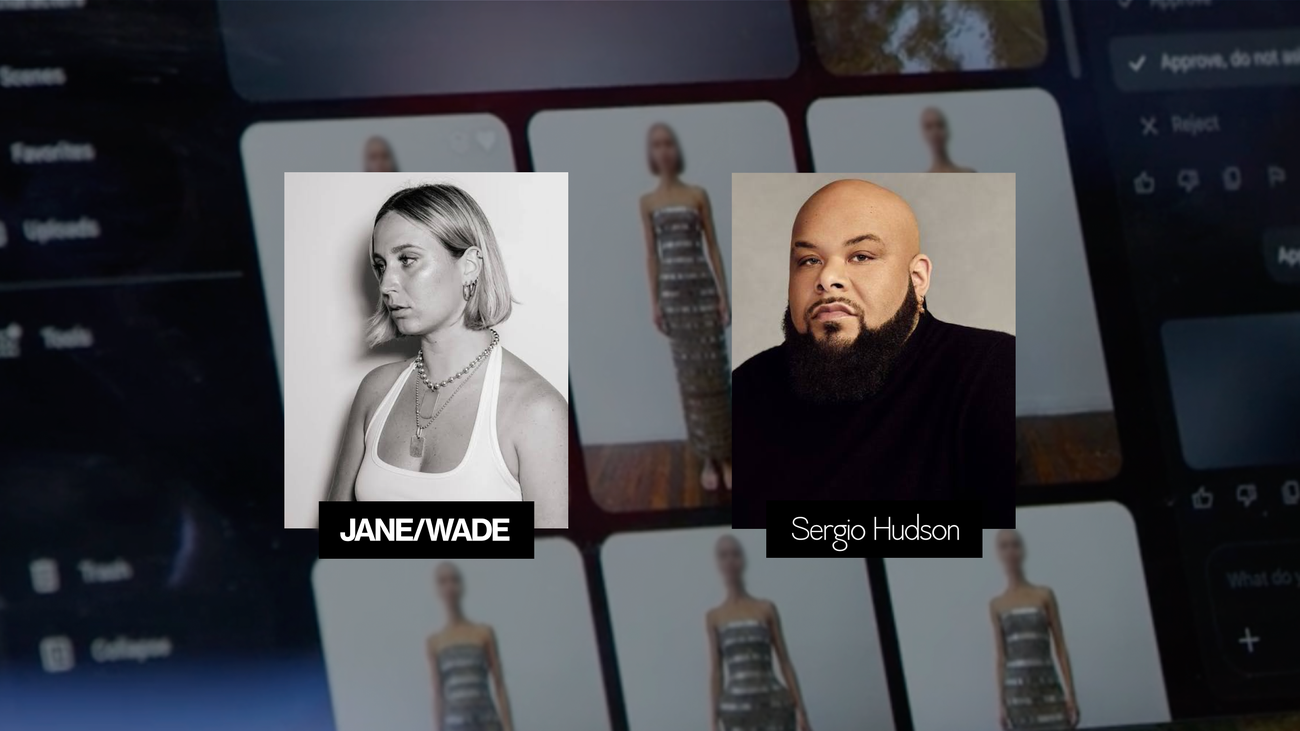
Industry analysts note that while artificial intelligence has dominated technology and business discourse for years, its practical implementation in creative industries has frequently stalled in "pilot mode." Many software solutions are either too generalized to address the nuanced needs of garment construction and show production, or they require technical coding capabilities that alienate traditional artisans. To bridge this gap, Google’s Envisioning Studio adopted a co-creation model, working side-by-side with Wade and Hudson to diagnose specific pain points in their pre-show workflows and construct bespoke solutions tailored entirely to their individual artistic methods.
Virtually Styling Collections with Jane Wade
For Jane Wade, whose eponymous label is celebrated for its sharp tailoring and distinct urban aesthetic, the primary pre-show bottleneck historically lay in the meticulous process of look curation and fitting. Traditional runway preparation requires extensive in-person casting sessions and physical styling fittings, a grueling process that can consume up to three full days for a compact design team. During this phase, designers must manually coordinate garments, footwear, accessories, hair, and makeup across a diverse roster of models, frequently discovering structural or aesthetic imbalances only after expensive physical samples have already been cut and sewn.
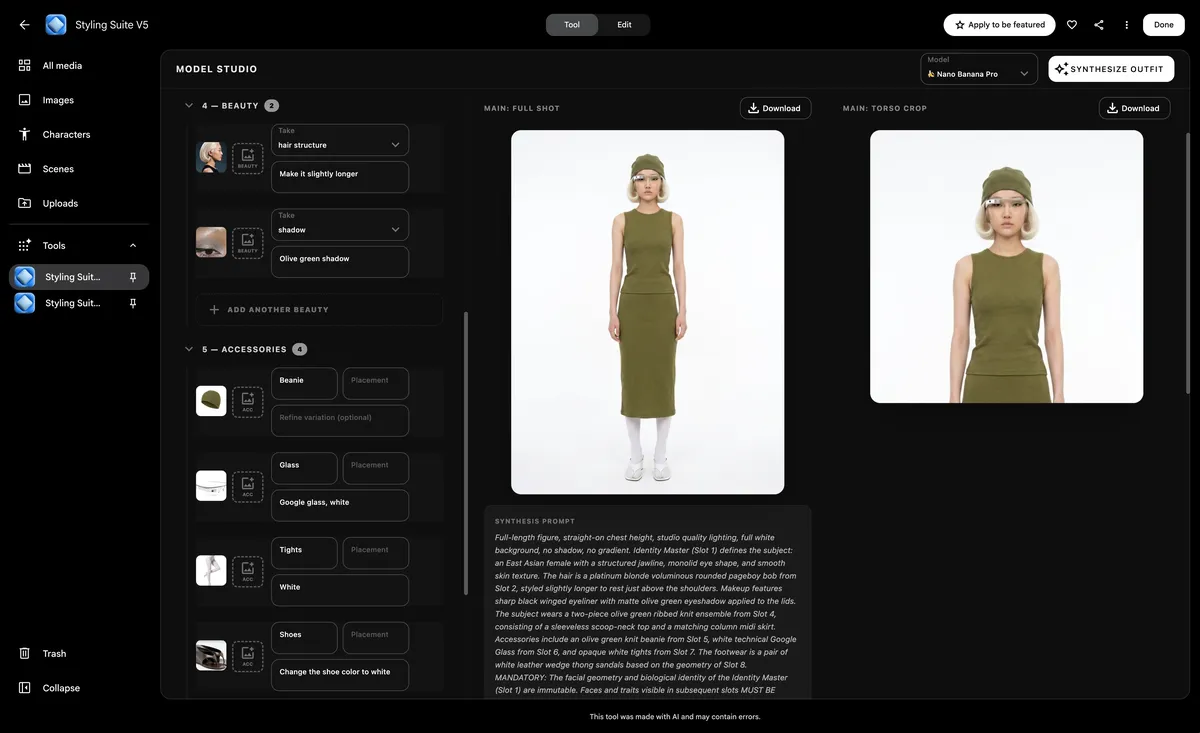
To alleviate this pressure, Google engineers collaborated with Wade to develop the "Styling Suite" tool within Google Flow. This specialized application allowed Wade to map every facet of her runway looks onto digital models within a unified virtual workspace. Rather than waiting for physical garments to arrive from the workshop, Wade could instantly test various combinations of accessories, footwear, and garments, assessing overall visual harmony from head to toe in real time.
The implementation of the Styling Suite fundamentally transformed Wade’s pre-production timeline. By experimenting with styling elements virtually, she was able to identify missing accessory components and balance individual looks before committing physical labor and raw materials to production. This reduction in unnecessary physical sampling not only conserved valuable studio hours but also significantly lowered material waste—an increasingly vital metric for independent labels striving to improve their operational sustainability.

Grounding Runway Design in Real-World Budgets with Sergio Hudson
While Wade focused on garments and styling, acclaimed designer Sergio Hudson faced an entirely different logistical challenge: staging a high-impact runway show within the rigid constraints of a tight studio budget. Hudson’s sophisticated, statement-making collections demand equally compelling presentations; however, traditional runway production is notoriously unforgiving when changes are made late in the planning process. In previous seasons, experimenting with alternative lighting schemes, spatial props, or runway dimensions meant commissioning entirely new 3D architectural renderings, adding cumulative costs and straining production timelines with every iterative revision.
To resolve this issue, Google co-developed a specialized tool with Hudson named "Runway Visualization" inside Google Flow. The platform served as a digital staging ground, simulating Hudson’s chosen venue with high fidelity and enabling him to test various spatial configurations in real time. Instead of relying on expensive, time-consuming traditional rendering cycles, Hudson could instantly swap lighting moods, adjust prop placements, and experiment with alternative stage layouts that aligned strictly with his financial parameters.
Furthermore, the Runway Visualization tool empowered Hudson to choreograph the event with unprecedented precision. By mapping and refining the exact walking paths of the models, Hudson could harmonize the physical flow of the presentation with the optimal viewing angles for the audience and media cameras. The result was a cohesive, high-impact runway presentation executed efficiently without the costly trial-and-error cycle that typically characterizes high-fashion event production.
Moving Fashion AI Out of Pilot Mode
The successful integration of Google Flow tools into the collections of Jane Wade and Sergio Hudson marks a notable milestone in the broader conversation surrounding artificial intelligence in creative sectors. For years, skeptics have argued that generative AI tools risk homogenizing creative output or distancing artists from the tangible mediums of their craft. However, the collaborative framework established by Google’s Envisioning Studio underscores a different paradigm: technology acting as an amplifier of human agency rather than a replacement for it.
By building tools that integrate seamlessly into existing fashion workflows, Google ensured that designers remained firmly in the driver’s seat of their creative enterprises. The visibility of these innovations on the runways of New York Fashion Week has sparked wider industry interest in bespoke digital tool development. Fashion technologists and business analysts alike are examining how accessible AI platforms can democratize high-level production techniques, allowing smaller independent labels to compete more effectively against major corporate brands by optimizing their internal efficiencies.
Crucially, the underlying technology driving these solutions is designed to be accessible without specialized technical expertise. Google Flow allows creators to build their own bespoke tools and automated workflows simply by describing their desired outcomes in natural language, eliminating the barrier of traditional coding knowledge. As the fashion industry continues to grapple with economic pressures, supply chain volatility, and the relentless demand for rapid creative output, tools of this nature offer a viable blueprint for sustainable, technology-empowered design.
Broader Implications and Future Outlook
The intersection of artificial intelligence and fashion design is rapidly evolving from a futuristic novelty into an essential operational strategy. As demonstrated during New York Fashion Week, the greatest value of AI in this sector does not lie in generating automated designs from scratch, but rather in solving the mundane logistical and administrative inefficiencies that drain time and capital from independent creators.
By streamlining the arduous phases of virtual styling, sample reduction, and budget-conscious venue staging, platforms like Google Flow allow designers to redirect their energy toward what matters most: craftsmanship, storytelling, and artistic expression. As Google Labs continues to refine these capabilities and expand access to independent creators across various disciplines, the fashion industry may be witnessing the foundational shift of a new era—one where technology and human artistry co-create the future of style from the ground up.