The Ultimate Guide to Instagram Monetization in 2026: Strategies, Tools, and Earning Potential

The landscape of digital content creation has undergone a massive transformation, with social media platforms evolving from simple networking sites into sophisticated economic ecosystems. As the digital economy matures, Instagram continues to capture the lion’s share of influencer marketing budgets worldwide. According to recent data from eMarketer, US influencer marketing spending surpassed $10.52 billion, with projections indicating a climb to $13.7 billion by 2027. Amidst this financial expansion, Instagram remains a primary vehicle for brand campaigns, utilized by roughly 80.8% of US marketers. Crucially, the financial rewards of this ecosystem are no longer exclusive to mega-celebrities. Industry analyses reveal that nano- and micro-influencers—creators commanding between 1,000 and 100,000 followers—capture a significant portion of total brand spending, proving that niche authority and high engagement often outweigh raw follower counts in modern digital monetization.
Understanding the Mechanics of Social Commerce and Content Monetization

To successfully extract revenue from Instagram, creators must first navigate the technical and structural prerequisites established by the platform. Transitioning a standard profile to a Professional account—either as a Creator or a Business—is the indispensable first step. This upgrade unlocks the Professional Dashboard, providing critical analytics, audience demographics, and access to native monetization tools. Furthermore, opting into the Instagram Creator Marketplace streamlines the brand partnership pipeline. Rather than relying entirely on cold pitching, creators can build comprehensive profiles detailing their specific niches, allowing prospective brand partners to initiate direct contact through a dedicated messaging portal.
The foundational shift in Instagram monetization over recent years involves the blending of traditional content monetization with direct social commerce. Historically, creator revenue was derived strictly from the content itself—such as ad revenue shares or performance bonuses. Today, however, the proliferation of link stickers in Stories, multi-link bio capabilities, and integrated Instagram Shops allows creators to treat physical merchandise, digital products, and affiliate marketing as primary pillars of their financial strategies.
The 12 Core Streams of Instagram Revenue

Modern Instagram monetization relies on diversification, with successful creators typically stacking multiple revenue streams simultaneously.
-
Sponsored Content and Brand Partnerships
Collaborating directly with brands remains a cornerstone of influencer revenue. Whether through styled in-feed photos, multi-frame Stories, or dynamic Reels, sponsored content allows creators to leverage their unique voice to promote partner products. With micro-influencers commanding robust shares of marketing spend, brands increasingly value authentic storytelling over sterile, traditional advertisements. -
Affiliate Marketing Programs
By integrating trackable affiliate links into Story link stickers, bio hubs, and Broadcast Channels, creators earn a commission on every sale generated through their recommendations. Programs ranging from Amazon Associates to specialized platforms like LTK and ShareASale provide passive, compounding income streams where older content continues to generate revenue long after its initial publication.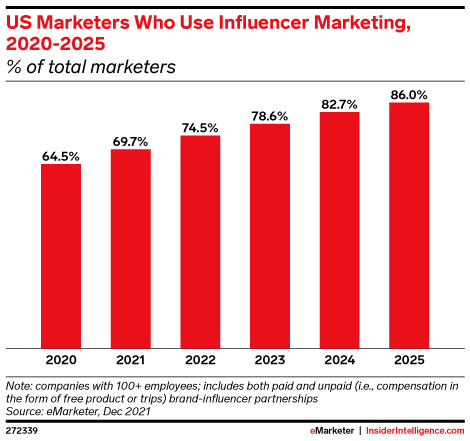
-
Reels Ad Revenue Sharing
Instagram’s pivot toward video-first formats has materialized in ad revenue sharing programs tied specifically to Reels. While payouts fluctuate based on regional ad demand, niche, and view counts, successful original Reels can generate supplementary income directly from platform-advertiser pools. -
Recurring Revenue via Instagram Subscriptions
Creators seeking predictable, monthly income often utilize Instagram Subscriptions. By charging a recurring fee—typically ranging from $0.99 to $99.99 per month—creators offer dedicated followers exclusive access to subscriber-only content, private chat channels, and specialized badges, minimizing reliance on algorithmic fluctuations. -
Live Badges and Video Gifts
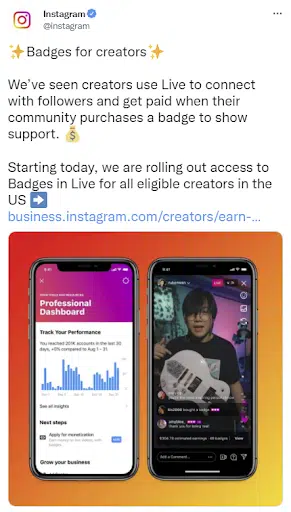
During live streaming sessions and on eligible Reels, audiences can purchase virtual Badges and Gifts ranging from $0.99 to $4.99. These micro-transactions serve as a direct measure of audience loyalty, allowing dedicated supporters to financially back their favorite creators in real time.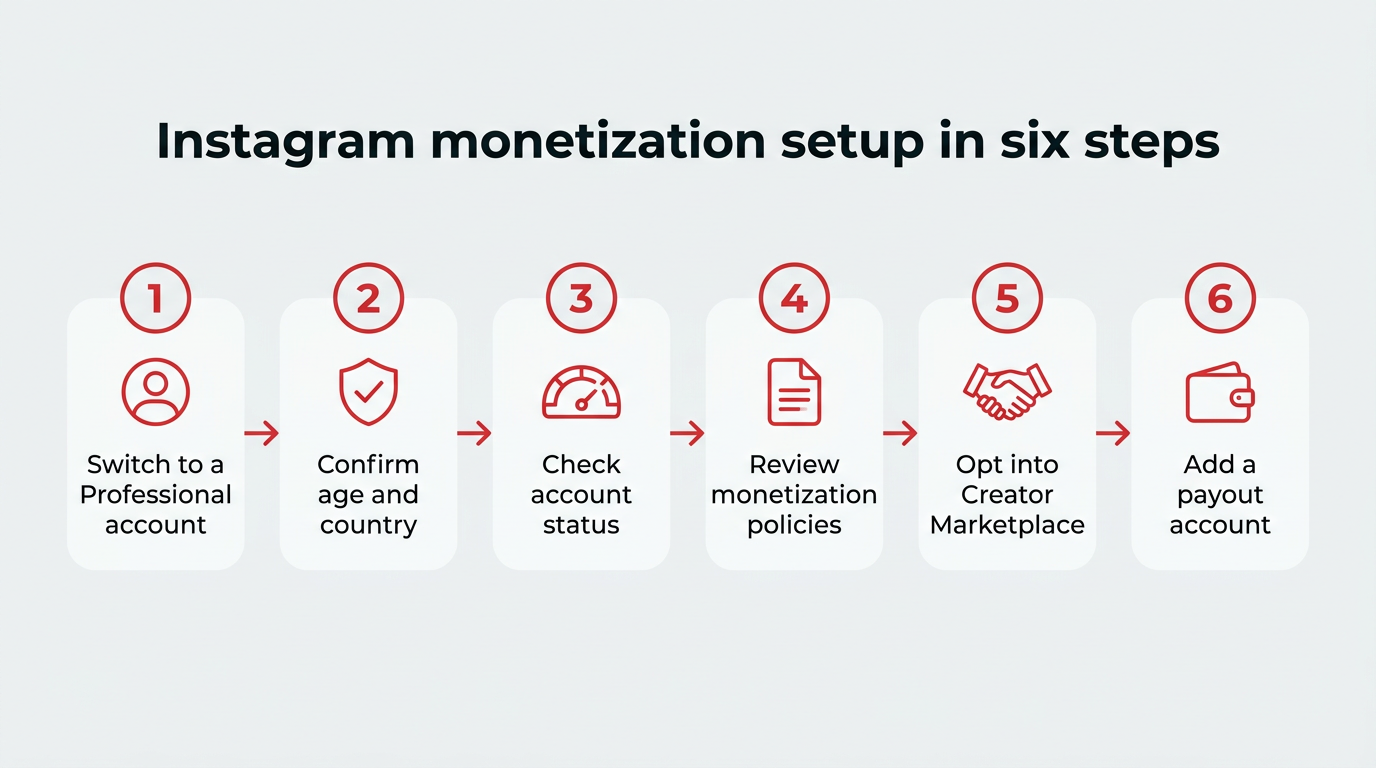
-
Digital Product Sales
Selling high-margin digital assets—such as e-books, preset packs, online courses, and templates—represents one of the most lucrative paths for creators. Because digital goods require zero ongoing fulfillment costs, creators retain nearly 100% of profit margins after payment processing fees. -
Instagram Shops and Social Commerce
For creators and brands selling physical merchandise, the native Instagram Shop feature enables tag-to-buy capabilities across posts, Reels, and Stories. This frictionless shopping experience keeps consumers within the application ecosystem, significantly boosting conversion rates. -
User-Generated Content (UGC) and Licensing
Brands frequently hire creators purely for content production rather than public distribution on the creator’s feed. Through UGC licensing and allowlisting (running paid ads directly from a creator’s handle), brands leverage external creative talent and established consumer trust, paying premium rates for usage rights.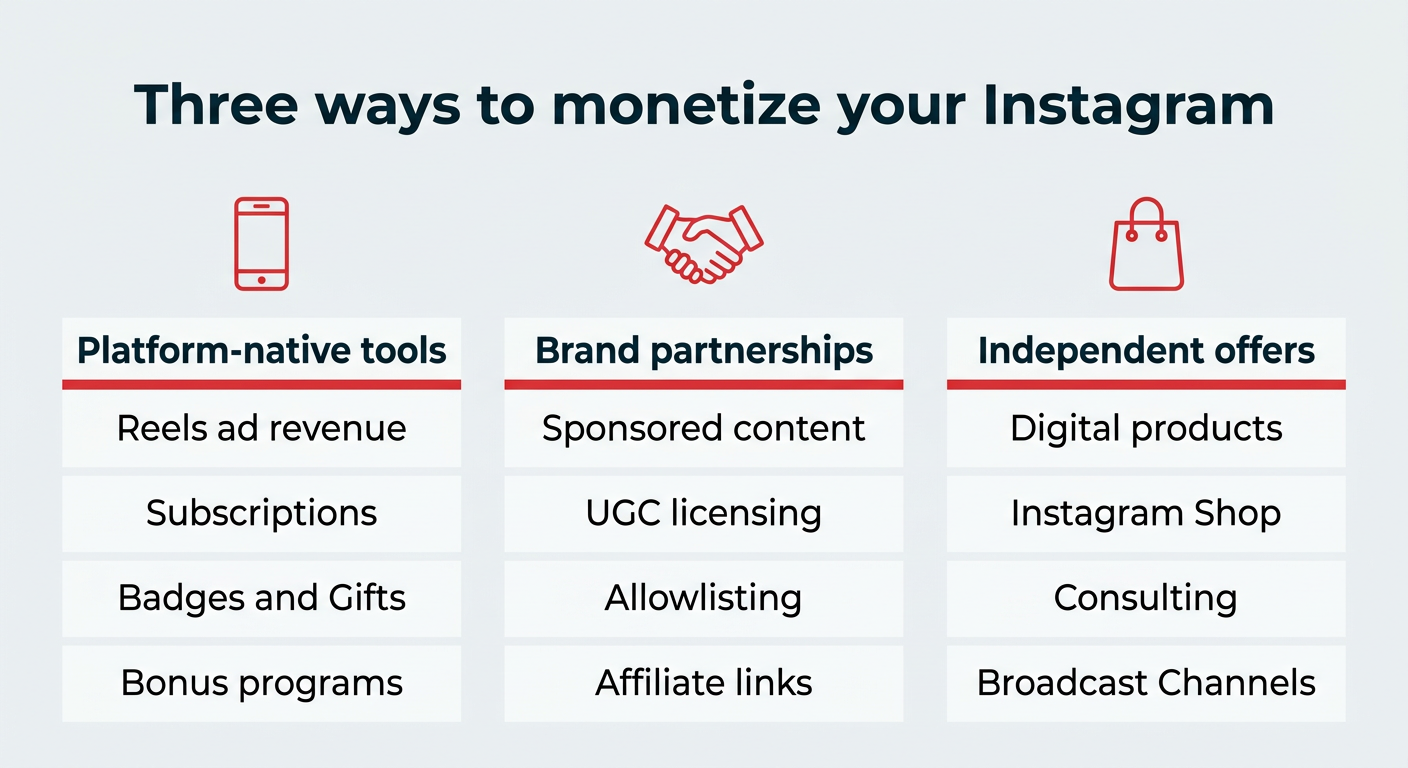
-
Broadcast Channels for Direct Engagement
Broadcast Channels function as one-to-many messaging threads that bypass crowded algorithmic feeds. By landing directly in a follower’s inbox, these channels serve as highly effective conversion funnels for affiliate links, product launches, and exclusive announcements. -
Consulting, Coaching, and Mentorship
Content creators who establish subject-matter authority frequently monetize their expertise by offering direct consulting sessions, portfolio reviews, or structured coaching retainers, booking clients seamlessly via link-in-bio integrations. -
Exclusive Access via Close Friends Lists
Operating similarly to formal subscriptions, creators can manually curate Close Friends lists for paying members. This method offers a viable alternative for creators operating in regions where native platform subscription tools are not yet supported.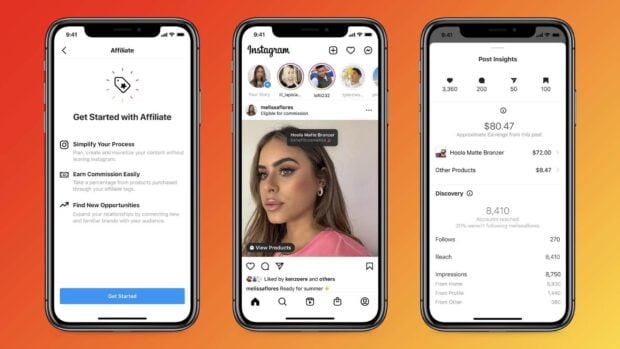
-
Platform Bonus Programs
Instagram periodically rolls out invitation-only bonus initiatives tied to specific performance milestones, such as high-volume Reels plays or live engagement metrics, providing intermittent financial upside for consistent publishers.
Pricing Strategies and the Economics of Influencer Marketing
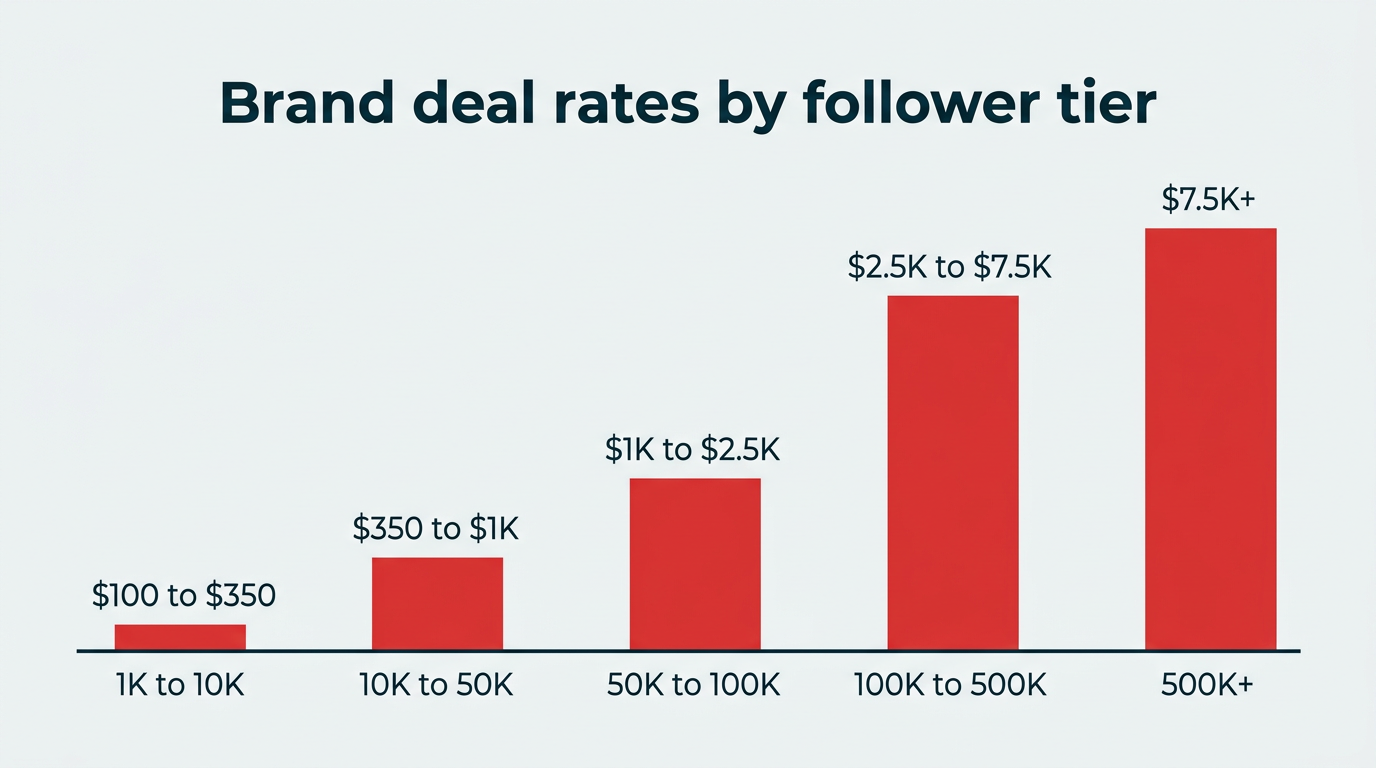
Determining appropriate rates for brand partnerships remains one of the most critical challenges for growing creators. While outdated industry rules of thumb suggested charging $100 per 10,000 followers for an in-feed post, contemporary pricing models require a far more nuanced approach that accounts for format complexity, usage rights, and actual audience engagement.
Micro- and nano-influencers frequently command higher engagement rates than macro-influencers—averaging over 6% compared to less than 1% for major accounts. Consequently, pricing models based on Cost Per Engagement (CPE)—where creators multiply recent average engagements by a baseline factor of roughly $0.16—often yield fairer, more accurate compensation. Furthermore, creators must rigorously separate base organic posting fees from additional line items such as commercial usage rights, whitelisting permissions, and geographic exclusivity. Failing to charge for these extended rights represents the most common financial pitfall in influencer negotiations.
Addressing Industry Disparities and Pay Transparency
Despite the rapid professionalization of the creator economy, structural inequities continue to impact earnings across the digital landscape. Independent initiatives, such as the @influencerpaygap account founded by Adesuwa Ajayi, have brought systemic pay disparities between minority creators and their white counterparts to light. Advocates emphasize that pay transparency, public rate databases, and open dialogue regarding brand offers are essential tools for combating underpricing and ensuring equitable compensation across all demographics.
Compliance, Policies, and Regulatory Frameworks
Navigating Instagram monetization successfully requires strict adherence to both platform community guidelines and legal advertising regulations. Regulatory bodies, such as the Federal Trade Commission (FTC), mandate clear and conspicuous disclosures for any material connection between a creator and a brand. This necessitates the consistent use of native "Paid Partnership" labels, explicit verbal disclosures in video formats, and visible text indicators like #ad within captions. Failure to comply with these disclosure mandates or platform monetization policies can result in immediate revocation of monetization eligibility, underscoring the necessity of rigorous compliance management for any serious digital entrepreneur.
Related posts: