Google Calendar Now Supports Three Time Zones on the Web to Simplify Global Scheduling

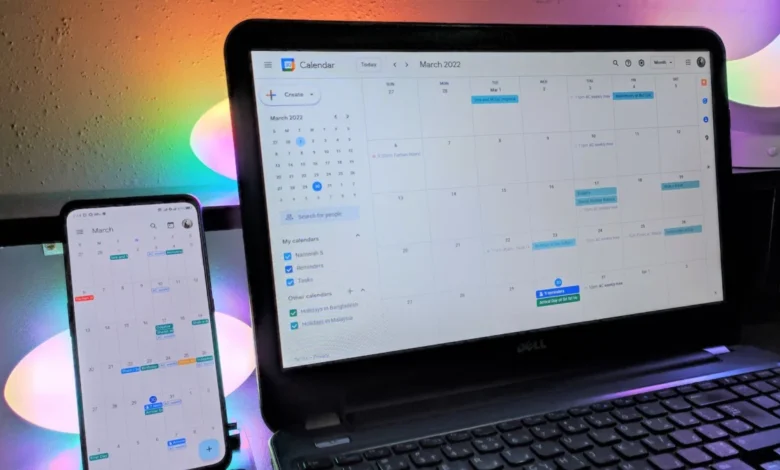
Managing international teams and cross-border collaborations has long been a logistical headache for project managers, executives, and remote workers alike. Traditional calendar applications have historically been constrained by a two-time-zone maximum, forcing users to manually calculate offsets when coordinating calls or deadlines across three or more regions. Addressing this persistent productivity hurdle, Google has officially rolled out a significant update to the web version of Google Calendar, introducing native support for up to three simultaneous time zones. This feature aims to eliminate the friction of mental math and streamline scheduling for an increasingly decentralized global workforce.
The Mechanics of the Three-Time-Zone Display
Previously, Google Calendar users were restricted to viewing a primary time zone alongside a single secondary reference. While this configuration sufficed for bilateral operations—such as communication between a corporate headquarters in London and a regional office in New York—it routinely fell short for truly global organizations. Complex operations frequently intertwine personnel spread across multiple distinct operational regions, such as San Francisco, New York, and Zurich. Under the legacy system, tracking these concurrent business hours required constant cognitive effort, increasing the risk of scheduling errors or inadvertent midnight meetings for exhausted colleagues.
With the newly deployed update, Google Calendar now renders up to three time zones side by side directly on the main calendar grid. This enhanced visibility is fully integrated into the Day, Week, and Custom multi-day views, ensuring that users can glance at their daily itineraries and instantly comprehend availability across distinct geographic territories. Furthermore, these three zones are seamlessly incorporated into the Find a Time scheduling screen, remaining fully visible as users create, modify, or review upcoming events.
To maximize readability and reduce visual clutter, Google has also incorporated a custom labeling feature. Rather than relying solely on standard, sometimes ambiguous timezone abbreviations or lengthy UTC offsets, users can assign personalized identifiers. For example, teams can label columns with location-specific descriptors such as SFO, NYC, or ZRH, making the calendar interface significantly easier to scan at a high-volume professional glance.
A Streamlined Time-Zone Picker and Recent UI Improvements
The introduction of the three-time-zone display builds upon a series of targeted user experience enhancements implemented by Google throughout the year. Earlier in 2026, the company completely overhauled its native time-zone picker. Historically, selecting a new region required users to scroll endlessly through a drop-down menu populated by alphabetically sorted global locations—a process widely regarded as tedious. The modernized picker introduced earlier this year allows users to simply type a specific city or country into a search bar, drastically accelerating the setup process for secondary and tertiary zones.
These iterative updates underscore a broader design philosophy at Google Workspace: minimizing micro-friction in enterprise and personal software tools. By pairing an intuitive search-based zone selector with a expanded three-zone grid, Google is actively addressing longstanding feedback from remote and hybrid work advocates who argue that modern productivity suites must evolve beyond the traditional single-location office paradigm.
Rollout Schedule and Availability
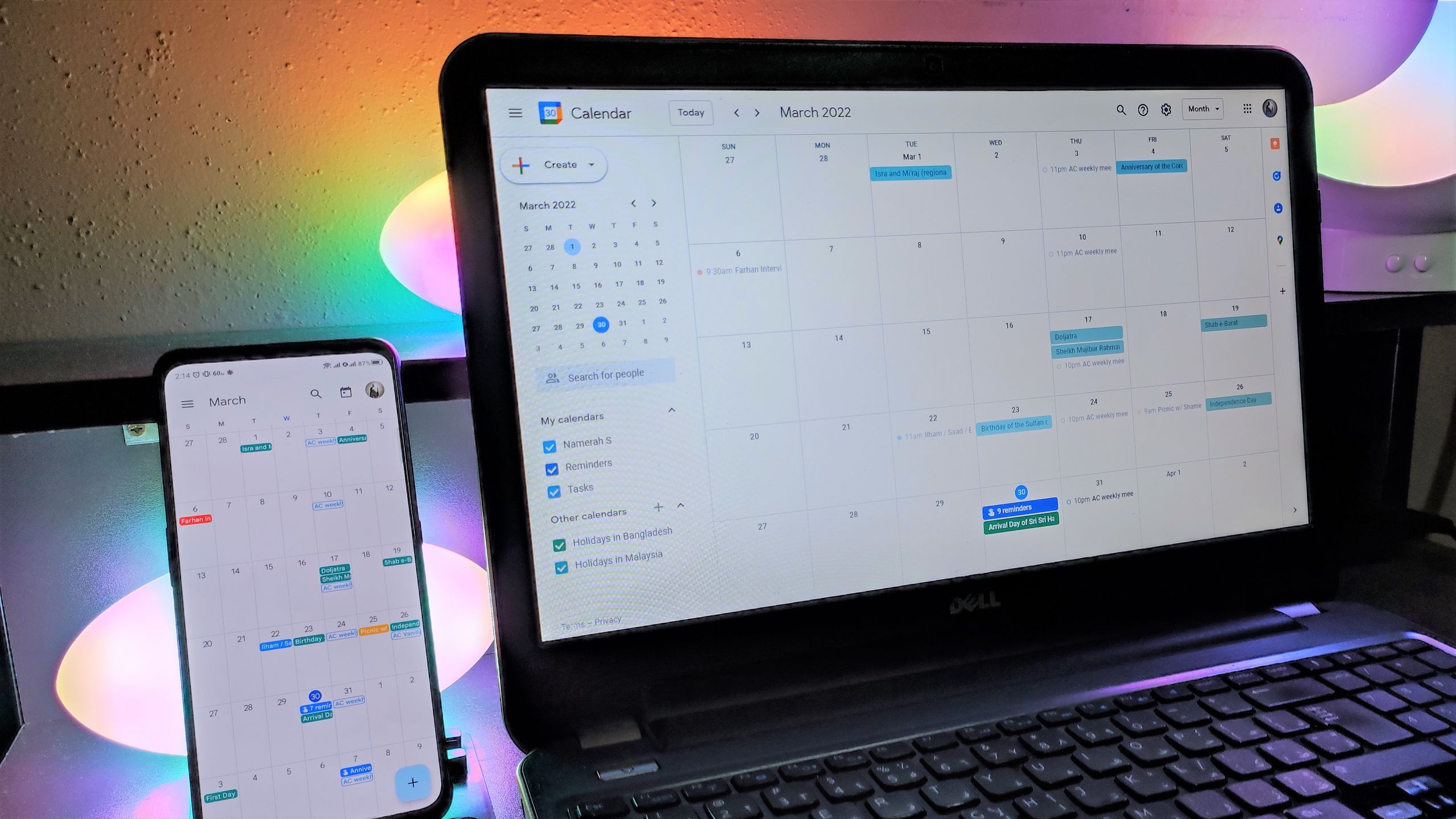
The deployment of the three-time-zone feature began on September 25, reaching a broad spectrum of users across the global Google ecosystem. The update is being made available automatically to Google Workspace customers, Workspace Individual subscribers, and users with personal Google accounts.
Because of Google’s standard phased deployment protocols, the exact arrival time varies depending on the account’s release track. Organizations configured for Rapid Release channels are slated to receive the functionality within a 15-day window from the initial launch date. Meanwhile, domains operating on Scheduled Release tracks began receiving the rollout starting on October 12. Notably, IT administrators do not need to execute any manual configurations or domain-level switches; the feature activates natively on the user end as soon as the account patch propagates.
Contextualizing the Shift Toward Distributed Workforce Tools
The evolution of digital calendars reflects profound structural changes in the modern global economy. Over the past several years, the normalization of remote work and borderless hiring has accelerated demand for software that accommodates asynchronous communication and multi-regional collaboration. According to recent workplace analytics data compiled by remote work research groups, more than 35 percent of knowledge workers regularly collaborate with colleagues situated in at least two time zones outside their own, while a significant minority coordinate across three or more zones daily.
In this environment, time zone management is no longer a niche administrative task; it is a core operational necessity. Minor inefficiencies in scheduling software compound over time, leading to missed meetings, delayed project milestones, and employee burnout stemming from poorly timed communications. By expanding calendar visibility to three simultaneous zones, tech enterprises are responding to the economic reality that modern businesses operate continuously across a 24-hour cycle.
Implications for Global Enterprises and Productivity
The integration of a third visible time zone on Google Calendar carries clear implications for organizational efficiency. For project managers, sales teams, and human resources professionals who juggle international stakeholders, the ability to instantly visualize overlap windows without external applications or mental calculations reduces administrative overhead.
From an economic perspective, tools that reduce friction in global collaboration help enterprises maximize productivity across distributed teams. When scheduling meetings becomes frictionless, cross-functional synergy improves, and global decision-making cycles accelerate. While seemingly modest in scope, software updates that save users even a few minutes of calculation per day yield substantial cumulative time savings across large corporate deployments.
As hybrid and remote models continue to mature, the competitive landscape among productivity suites—including Microsoft Outlook and Apple Calendar—will likely see continued iteration on multi-timezone visualization. For now, Google’s latest enhancement reinforces its competitive standing among global enterprises striving to keep synchronized across an increasingly interconnected world.
Related posts: