Meta Expands Video Creation Suite With Dedicated iPhone Duo App and Upcoming Desktop Version Launch

Meta has officially rolled out two major updates for its Edits video editing application, signaling a strategic push to capture a larger share of the professional and semi-professional content creator market. The company has released a specialized version of the app tailored specifically for the folding screen of the iPhone Duo, alongside providing a comprehensive first look at the long-anticipated desktop client, which is currently undergoing restricted beta testing. These developments reflect Meta’s broader initiative to bridge the gap between casual mobile content creation and advanced multi-platform editing suites, giving digital creators more versatile tools to produce and manage short- and long-form video assets.
The release of the iPhone Duo application capitalizes on the distinctive hardware capabilities of Apple’s folding device. By designing an interface that dynamically scales across the dual-screen layout, Meta aims to solve traditional mobile editing constraints, such as cramped timelines and obscured previews. Meanwhile, the progression of the desktop application—first teased in June—moves closer to a public release as selected creators put the live testing version through its paces. Industry executives, including Instagram Chief Adam Mosseri, have indicated that this desktop expansion is more than just a port of the mobile app; it represents a foundational architecture designed to support a wave of upcoming professional-grade features.
Hardware Integration and the iPhone Duo Interface
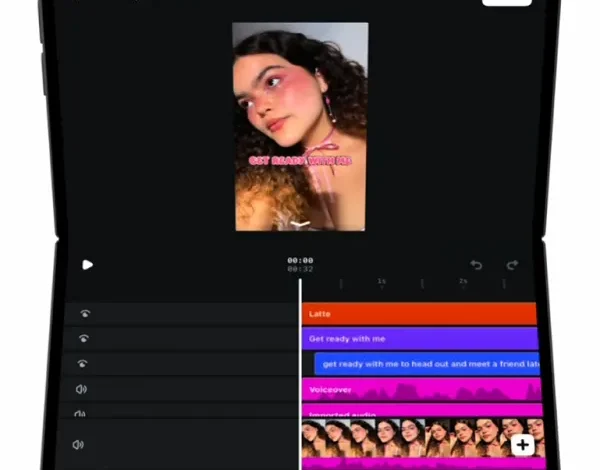
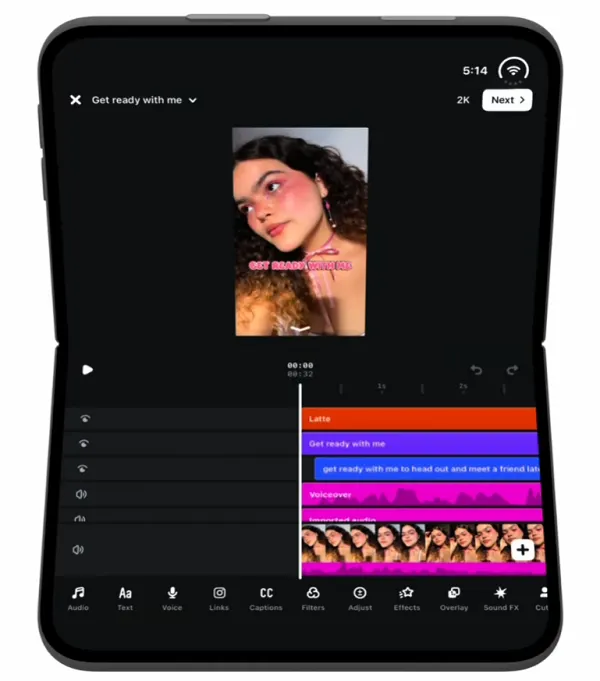
The newly released version of Edits for the iPhone Duo is engineered to exploit the unique presentation values of Apple’s folding screen technology. Mobile video editing has historically been bottlenecked by screen real estate, forcing developers to hide timeline tracks, effect menus, and preview windows behind multiple layers of sub-menus. The iPhone Duo integration circumvents this challenge by allowing the application’s user interface to translate across variable formats and orientations.
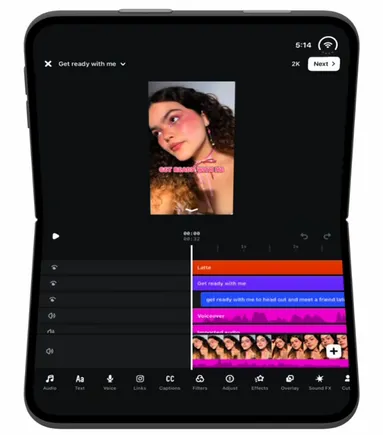
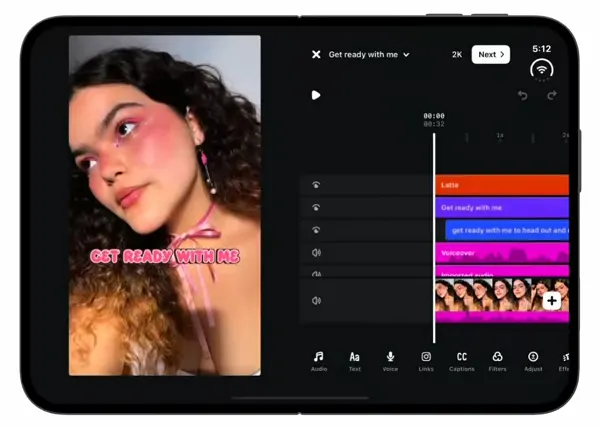
According to official statements from Meta, the larger, adaptive screen real estate enables users to edit and preview their timelines side by side, substantially increasing workflow flexibility. The application dynamically adapts to both the physical screen dimensions and the central crease, ensuring that creators can maintain fluid editing sessions regardless of whether the device is held in portrait or landscape orientations, or partially folded in a tent position. This capability allows for more precise trimming, color grading, and audio syncing, bringing desktop-level ergonomics to a foldable mobile form factor.
The Evolution of the Desktop Client
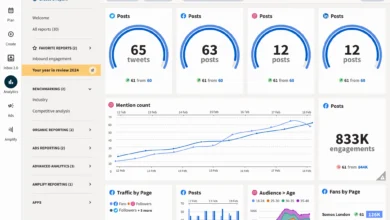
While the mobile iteration addresses on-the-go production needs, the upcoming desktop version of Edits targets creators who require granular control over their projects. First announced by Meta in June, the desktop iteration has progressed from concept to a live testing phase with select digital creators. A recent screenshot shared by creator Taylor Golub offered the public its clearest look yet at the desktop workspace.
The desktop alignment leverages expansive monitor displays to allow users to oversee a multitude of editing elements simultaneously on a single screen. This layout drastically reduces the friction of integrating various creation functions, such as multi-track timeline management, advanced keyframing, asset organization, and color correction suites. By unifying these disparate tools into a cohesive desktop workspace, Meta is positioning Edits as a viable alternative to legacy editing software for creators who primarily publish to social media platforms, including Instagram and Facebook.
Chronology of Product Development
The path to these dual releases has been marked by a deliberate, phased rollout strategy by Meta’s product and engineering teams.
- Early 2024: Industry insiders note an increased demand among social media creators for an editing ecosystem that bridges the gap between basic smartphone trimming tools and complex desktop software like Adobe Premiere Pro or Final Cut Pro.
- June 2024: Meta formally announces that a desktop version of the Edits platform is in active development, alongside teasing various artificial intelligence production assistants designed to streamline the editing process.
- Late 2024 (Current Phase): Meta launches the dedicated iPhone Duo application, coinciding with the distribution of the live desktop testing build to a curated group of beta testers and content creators.
This chronology underscores Meta’s methodical approach to scaling its software ecosystem, prioritizing hardware optimization before wider public deployment.
Official Responses and Executive Perspectives
Leadership within Meta has remained vocal about the strategic importance of the Edits application suite. In response to Taylor Golub’s public preview of the desktop client on Threads, Instagram Chief Adam Mosseri offered significant insight into the company’s long-term product roadmap. Mosseri stated that he expects the desktop version of Edits to serve as “a foundation for a lot of interesting features to come,” hinting that future updates may introduce deeper cloud synchronization, collaborative editing capabilities, and advanced automated workflows.
The emphasis on community feedback during the current testing phase highlights Meta’s reliance on top-tier creators to stress-test the software. By involving creators early in the desktop lifecycle, Meta can fine-tune performance bottlenecks, UI responsiveness, and export stability before opening the platform to the general public.
Broader Industry Impact and Market Implications
The simultaneous development of a foldable-optimized mobile app and a desktop powerhouse highlights a shifting paradigm in the content creation economy. As platforms increasingly reward high-fidelity production values alongside rapid posting cadences, creators require tools that can scale effortlessly between different devices.
By expanding Edits beyond standard smartphones, Meta is directly challenging established editing software providers. Traditional editing suites, while powerful, often carry steep learning curves and subscription costs that can deter emerging digital creators. A natively integrated, cross-platform tool provided by Meta lowers the barrier to entry while offering the sophisticated timeline control demanded by professional influencers and media agencies.
Furthermore, the introduction of the iPhone Duo app sets a technical precedent for how software developers must adapt to the growing market of foldable iOS and Android hardware. As folding screens become more prevalent, applications that fail to utilize adaptive UI layouts risk obsolescence. Meta’s proactive stance ensures that Edits remains at the cutting edge of mobile hardware integration.
As the desktop version completes its beta testing phase and user adoption of the iPhone Duo app grows, the market will be watching closely to see how quickly Meta rolls out the promised AI production assistants and collaborative features. For now, these updates underscore Meta’s commitment to providing an end-to-end creative ecosystem designed to retain top talent within its social media network by offering superior production tools.