Apple to Send European Government Affairs Director Sébastien Gros to Web Summit 2026 in Lisbon

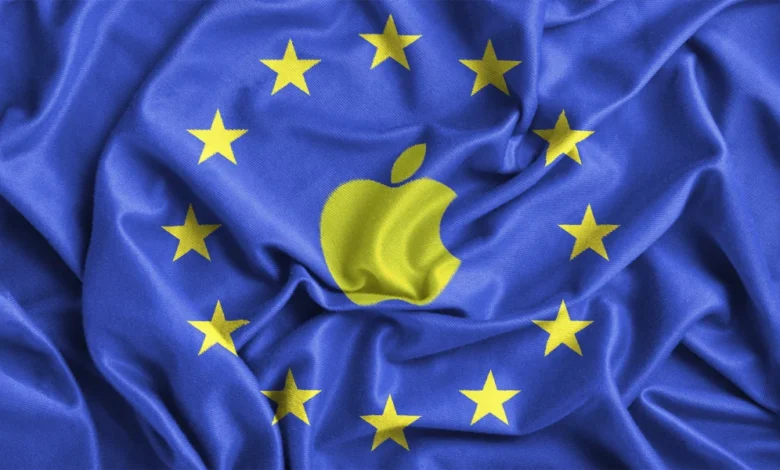
Apple continues its long-standing tradition of high-level executive participation at the upcoming Web Summit, scheduling Sébastien Gros, the company’s Director of European Government Affairs for the Europe, Middle East, and Africa (EMEA) region, to speak at the prominent technology conference. The event is scheduled to take place from November 9 to November 12 in Lisbon, Portugal, drawing tens of thousands of technology leaders, policymakers, innovators, and journalists from around the globe.
While specific details regarding Gros’s agenda, keynote subject, or panel participation have not yet been publicly disclosed by Apple or Web Summit organizers, his institutional portfolio suggests that regulatory affairs, compliance, and technological policy within the European Union will likely form the backdrop of his engagement. Gros oversees government relations across a sprawling and legally complex territory, making his platform at one of the world’s largest tech gatherings a significant focal point for industry observers tracking Apple’s interactions with international lawmakers.
A History of High-Profile Apple Keynotes at Web Summit
Apple’s presence at Web Summit has evolved significantly over the past several years, transforming from an occasional participant into a regular institutional voice addressing some of the most pressing debates in modern technology. The Cupertino-based giant has strategically utilized the Lisbon stage to communicate its corporate philosophy, defend its business practices, and showcase cutting-edge consumer initiatives.
In 2021, Craig Federighi, Apple’s Senior Vice President of Software Engineering, delivered a widely discussed virtual keynote address. Federighi used the platform to present a vigorous defense of Apple’s tightly controlled ecosystem, specifically arguing against mandated third-party app sideloading on the iPhone. His remarks came at a crucial time as global regulatory bodies began intensifying scrutiny over platform monopolies, app store fees, and consumer choice.
The following year, in 2022, Dr. Sumbul Desai, Apple’s Vice President of Health, took the stage to discuss the company’s expanding footprint in the digital health sector. Desai highlighted how consumer hardware, specifically the iPhone and Apple Watch, was shifting the paradigm from reactive medical care to proactive health awareness, emphasizing user privacy as a cornerstone of health-related data collection.
By 2024, the discourse shifted toward the intersection of emerging technology and inclusivity. Sarah Herrlinger, Apple’s Head of Global Accessibility Policy and Initiatives, delivered a key presentation exploring how artificial intelligence can be harnessed to build more accessible products, reinforcing Apple’s ongoing commitment to universal design principles. Most recently, at the 2025 conference, Ole Obermann, co-lead of Apple Music, addressed the evolving economic and creative landscape of the global music industry, focusing on fair remuneration, streaming models, and digital distribution.
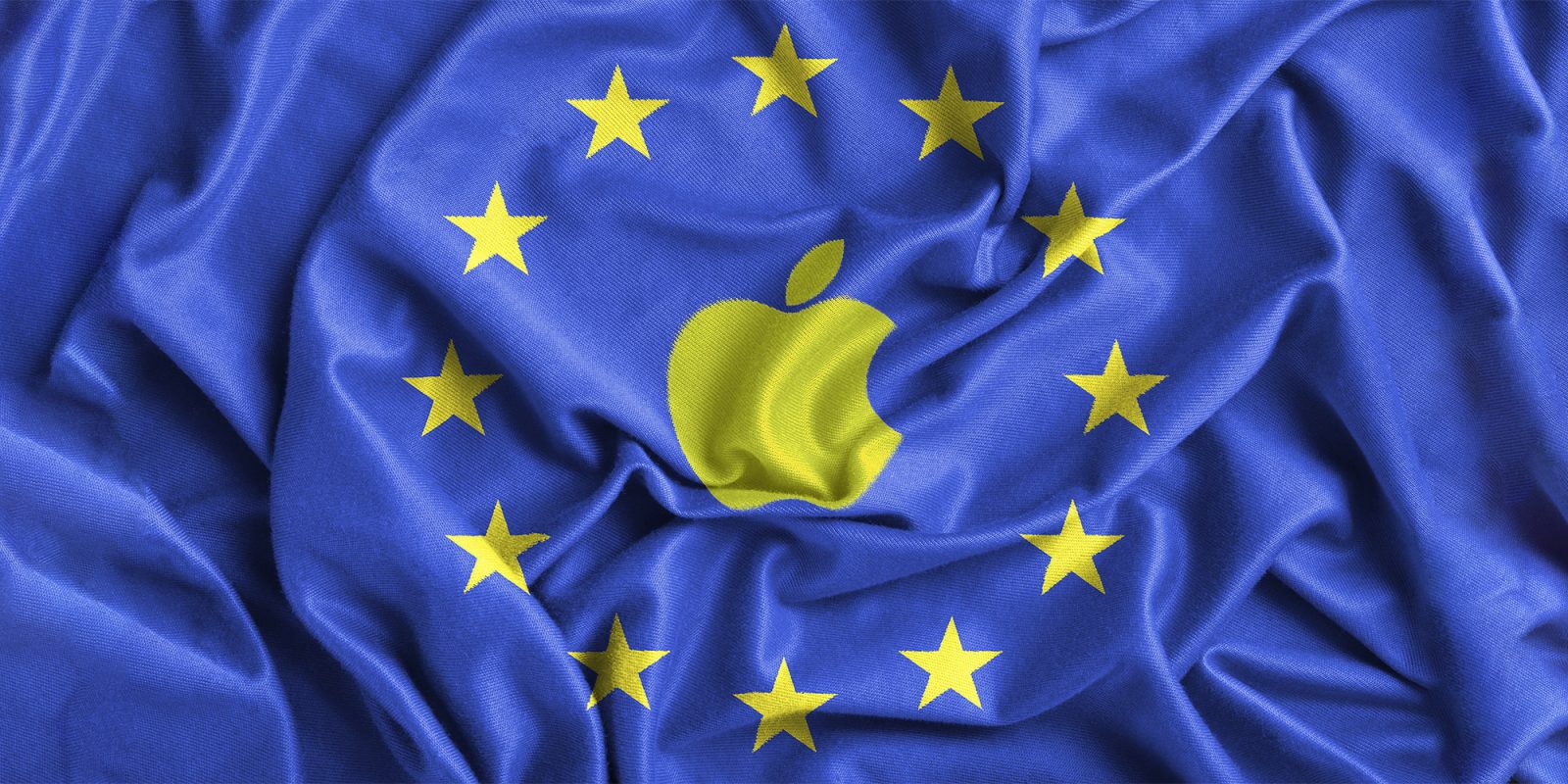
With Sébastien Gros taking the mantle for the 2026 summit, the focus is expected to pivot from software engineering and health initiatives toward the complex regulatory reality facing multinational technology corporations operating in Europe.
The Scale and Significance of Web Summit 2026
Web Summit has grown exponentially since its inception, cementing its reputation as one of the premier global forums for the technology sector. The 2026 iteration in Lisbon is projected to host more than 850 speakers representing dozens of countries and territories. The attendee roster spans a vast ecosystem of stakeholders, including multinational corporations, agile startups, academic institutions, venture capitalists, and public sector organizations.
Beyond human experts, the 2026 conference is also drawing attention for its inclusion of advanced humanoid robotics demonstrations, reflecting the rapid convergence of artificial intelligence, mechanical engineering, and automation. The summit will feature panels and workshops covering everything from climate tech and cybersecurity to artificial intelligence governance and digital sovereignty.
Adding to the historical ties between Apple and the conference, this year’s lineup also features Tony Fadell, a legendary former Apple executive widely recognized as one of the principal creators of the iPod and a key architect of the original iPhone. Fadell’s presence alongside current institutional representatives like Gros underscores the deep historical and ongoing ties between Silicon Valley innovation and European technology policy forums.
Regulatory Context and the EMEA Landscape
The appointment of Sébastien Gros as Apple’s primary voice for the 2026 event highlights the increasing gravity of European regulatory frameworks on the strategic decisions of American technology giants. As Director of European Government Affairs for EMEA, Gros operates at the direct intersection of corporate strategy and legislative compliance.
Over the past few years, the European Union has enacted some of the most sweeping technological legislation in modern history. Landmark regulations such as the Digital Markets Act (DMA) and the Digital Services Act (DSA), alongside rigorous artificial intelligence frameworks and data protection laws like the General Data Protection Regulation (GDPR), have fundamentally altered how companies like Apple must design, market, and operate their products within the European Economic Area.
The DMA, in particular, has forced Apple to introduce monumental changes to its historically closed ecosystem. These changes include permitting alternative app marketplaces, allowing alternative browser engines, and opening up near-field communication (NFC) chips to third-party developers for payment processing. Because Gros is tasked with navigating these complex regulatory shifts on behalf of the company, his presence at Web Summit carries substantial weight for industry analysts, legal scholars, and competitors alike.

Anticipated Themes and Industry Implications
Although Apple has kept the precise talking points of Gros’s session under wraps, macroeconomic and regulatory trends provide a clear indication of the themes likely to dominate his engagement.
First, compliance and interoperability are expected to remain central pillars of discussion. As enforcement agencies across Brussels and individual member states continue to evaluate whether Apple’s implementations of laws like the DMA go far enough to foster fair competition, corporate leaders must articulate their compliance strategies while simultaneously advocating for consumer privacy and hardware security—two principles Apple frequently cites as justifications for its walled-garden approach.
Second, the geopolitical dimension of technology policy is increasingly critical. The EMEA region encompasses diverse markets with differing regulatory appetites, ranging from strict EU directives to emerging digital frameworks in the Middle East and Africa. Gros’s institutional perspective will likely touch upon how multinational corporations manage compliance across a fractured regulatory map without stifling cross-border innovation.
Finally, the dialogue around artificial intelligence governance is poised to be a dominant talking point. As the European Union operationalizes its AI Act, technology companies face stringent requirements regarding transparency, risk classification, and copyright considerations in machine learning models. Apple’s recent rollout of Apple Intelligence across its device ecosystem makes the company a prime subject for discussions concerning how consumer-facing AI can be deployed safely and legally within strictly regulated markets.
Broader Impact on the Tech Ecosystem
The participation of high-ranking corporate executives in public forums like Web Summit serves a dual purpose: it acts as a platform for corporate diplomacy and provides a direct channel for communication between private enterprises and public policymakers. For Apple, engaging with the broader tech community in Lisbon offers an opportunity to build consensus, address criticisms directly, and explain the rationale behind complex operational decisions.
As technology policy increasingly dictates product design rather than the other way around, the insights shared by leaders like Sébastien Gros offer invaluable clues about the future direction of the industry. Whether discussing the limits of regulatory enforcement, the future of cross-border data flows, or the balance between open ecosystems and user security, Apple’s footprint at Web Summit 2026 will undoubtedly resonate across corporate boardrooms and legislative chambers alike.
Further updates regarding the exact schedule, panel participants, and streaming availability of Sébastien Gros’s session are expected to be released as the conference dates approach in November. Interested attendees and observers can access additional information and registration details through the official Web Summit portal.
Related posts: