Amazon Expands Smart Home Ecosystem with 2026 Lineup Featuring Advanced AI Integration and New Alexa Photo Frame

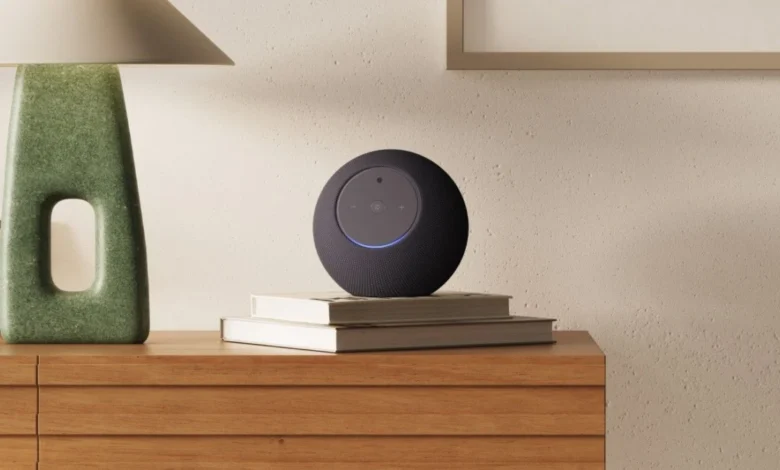
Amazon has officially unveiled its extensive late-October hardware lineup, introducing a new generation of smart home devices engineered to deepen artificial intelligence integration across consumer living spaces. The announcement, made on October 29, includes four updated Echo devices alongside a brand-new digital display product, the Alexa Photo Frame, designed to digitize family memories seamlessly through conversational AI.
As technology companies increasingly shift toward ambient computing and localized AI processing, Amazon’s latest hardware release highlights a strategic push to make smart home hubs faster, more context-aware, and visually integrated into modern home decor.
Chronology of Amazon’s Autumn Hardware Releases
The introduction of the 2026 Echo lineup continues Amazon’s long-standing tradition of late-year hardware announcements, colloquially known in the tech industry as "Techtober." Over the past several years, Amazon has utilized this seasonal window to refresh its foundational smart speaker and smart display ecosystems ahead of the crucial fourth-quarter holiday shopping season.
Traditionally, these rollouts focused on incremental audio improvements and expanding Alexa’s cloud-based capabilities. However, the 2026 refresh marks a significant architectural shift. For the first time, hardware-level AI acceleration and on-device processing have taken center stage, reducing latency and reliance on cloud servers for basic smart home commands. By embedding dedicated AI accelerators directly into lower-tier devices like the Echo Dot, Amazon aims to eliminate the slight delays historically associated with complex voice-activated smart home routines.
The 2026 Echo Ecosystem: Enhanced Audio, Vision, and Smart Hubs
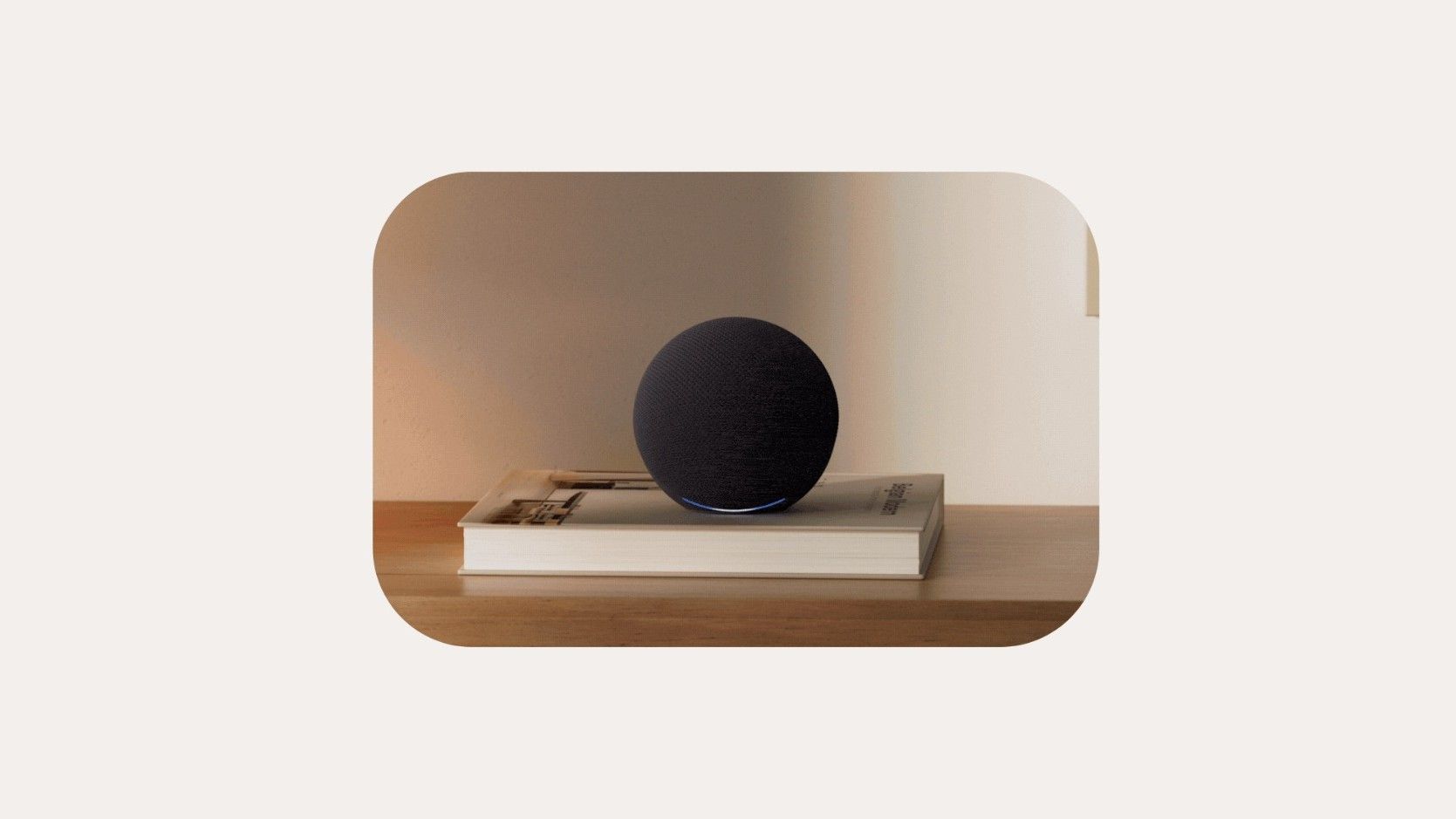
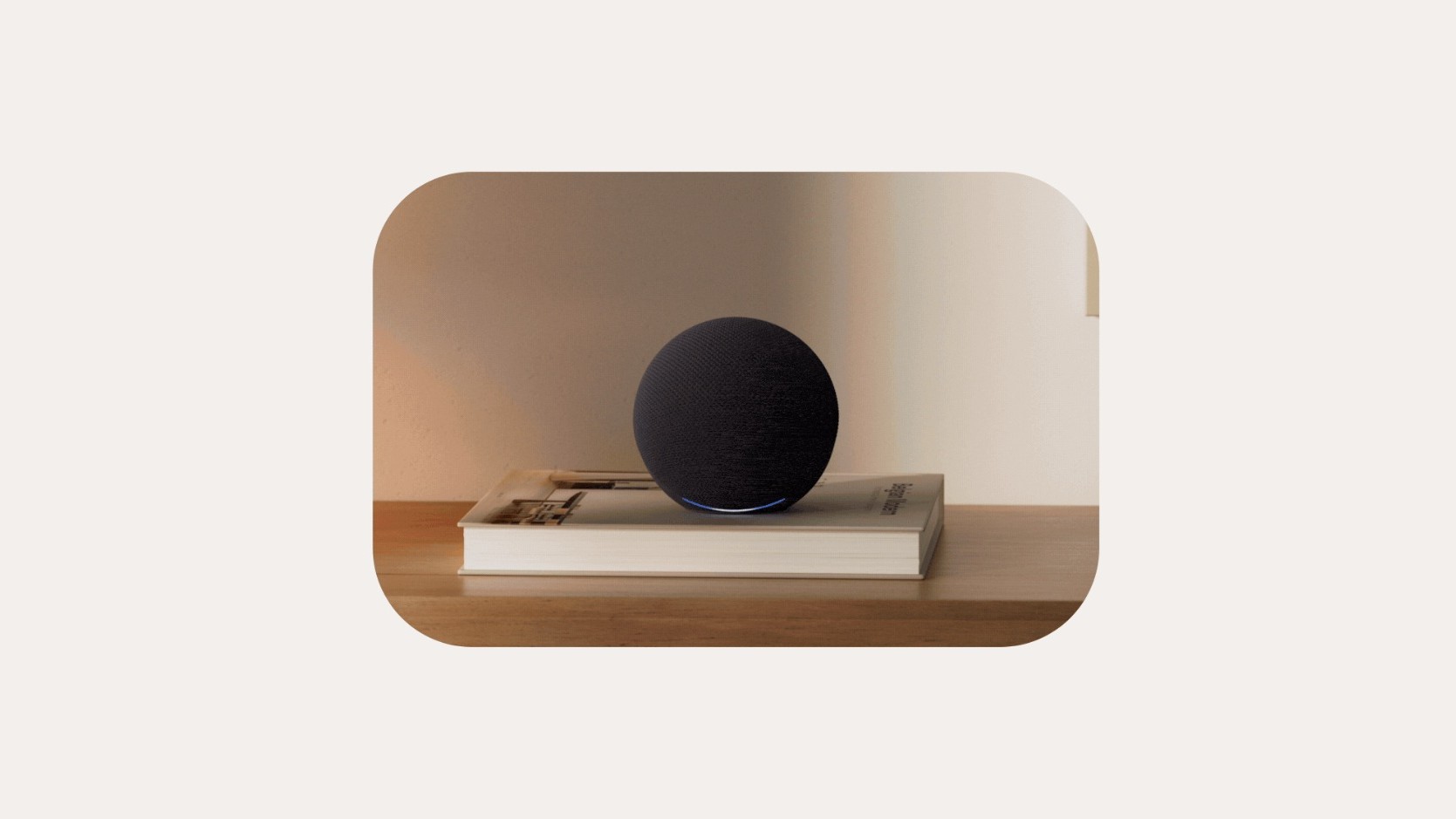
At the forefront of the new hardware release is the redesigned Amazon Echo Dot (2026). Priced at $99—with a dedicated Kids Echo Dot variant starting at $109, which includes a one-year subscription to Amazon Plus—the device represents a major leap forward for the company’s most popular smart speaker.
Most notably, the 2026 Echo Dot features a built-in smart home hub for the first time. This inclusion allows the device to communicate directly with thousands of compatible third-party smart home products, such as intelligent lighting systems, smart locks, and thermostats, without requiring a separate standalone bridge. Furthermore, the integration of Amazon’s new AI Accelerator promises a sharper, more responsive user experience. Audio performance has also been significantly upgraded, with Amazon engineering the new Dot to deliver 50 percent more bass and noticeably crisper vocal clarity for music and audiobooks.
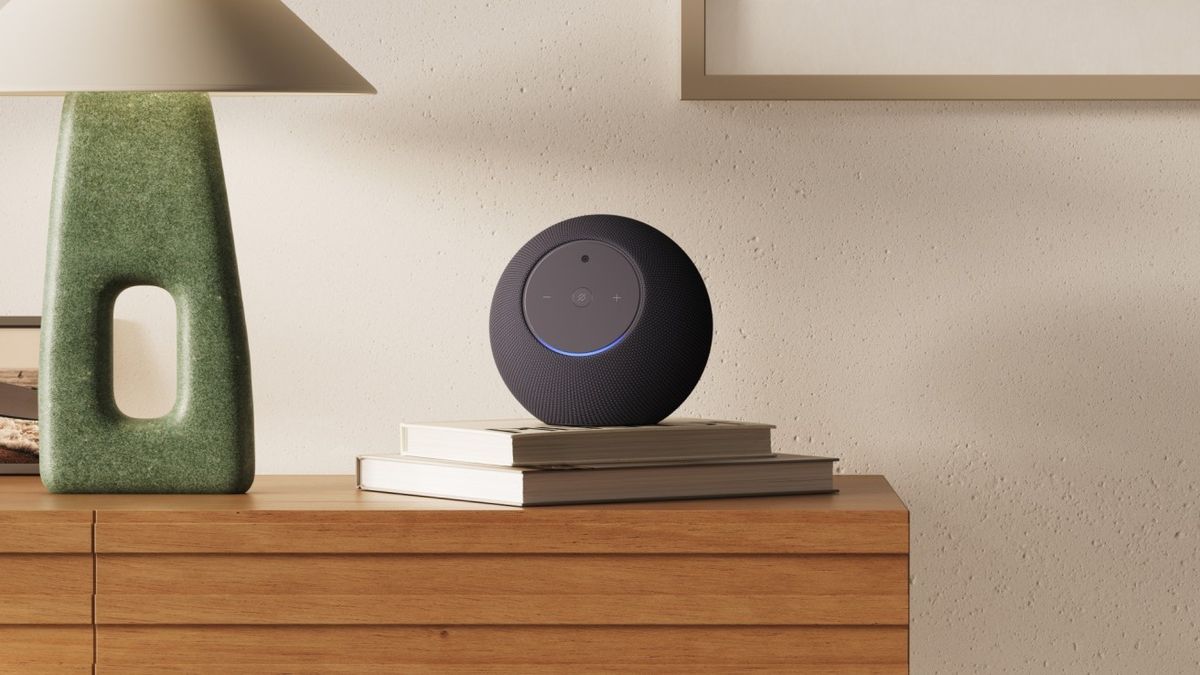
Moving up the audio spectrum, the 2026 Echo Studio maintains the familiar acoustic architecture of its predecessor while introducing critical visual capabilities. Priced at $249, the new Echo Studio features a built-in "House Camera" designed to give Alexa a deeper, more contextual understanding of household environments. Homeowners can use the camera to check in on their properties remotely via companion applications. Acoustically, the speaker retains its high-excursion woofer and spatial audio capabilities powered by Dolby Atmos with Advanced Room Adaptation. Amazon has also confirmed that a future software update will introduce Fire TV support, enabling direct video-calling functionality through the speaker.
For bedroom environments, the refreshed Echo Time introduces advanced wellness technology via Omnisense, Amazon’s proprietary sleep-sensing system. The device is engineered to detect lighter sleep phases, waking users within a 10-to-60-minute window of their scheduled alarm to promote a more natural awakening. Featuring a customizable digital clock face that supports both analog and modern themes, the Echo Time starts at $199, while the Kids Echo Time is priced at $209 with an included one-year Kids Plus subscription.
Rounding out the audio-visual hardware tier is the Echo Show 16, which Amazon describes as its most powerful smart display to date. Approximately 40 percent thinner than previous generations, the device features a 16-inch high-definition display, with a premium Nanomatte variation available to minimize screen glare from natural sunlight. The display introduces "Screen Styles," transforming the hardware into a dynamic family planner, meal coordinator, or digital picture frame.
The Echo Show 16 also incorporates the new Alexa Home Map, a visual dashboard that maps out connected smart devices relative to their physical locations in the home. Upgraded camera hardware features a wider field of view (FOV) and auto-framing technology. The standard model is available for pre-order at $499.99, while the Nanomatte version is listed at $599, with introductory promotional discounts cutting $100 off pre-orders.
Framing the Memories: The New Alexa Photo Frame
In addition to its traditional smart speaker and display updates, Amazon has ventured into a new product category with the introduction of the 10-inch Alexa Photo Frame. Priced at $199.99 for the standard black finish and starting at $229.00 for premium Birch and Walnut wood finishes, the digital frame is designed to blend seamlessly into domestic interiors while offering deep cloud integration.
The frame connects directly to a user’s Amazon Photos account, enabling automated image synchronization. Rather than requiring manual curation, Alexa utilizes AI algorithms to filter and surface high-quality photos—specifically prioritizing images where individuals are smiling while automatically screening out accidental screenshots, blurry images, and extraneous digital media.
Industry Implications and Market Analysis
Amazon’s 2026 device rollout reflects a broader industry trend toward ambient intelligence and proactive smart home automation. By embedding local AI accelerators into mainstream devices like the Echo Dot and incorporating cameras with computer vision capabilities into premium speakers like the Echo Studio, Amazon is transforming its hardware from passive voice-activated receivers into active, context-aware domestic assistants.
Market analysts note that these upgrades address two critical consumer pain points: latency in voice command execution and the visual intrusiveness of smart home technology. By offering refined aesthetic options—such as wood-trimmed photo frames and glare-reducing Nanomatte displays—Amazon is attempting to bridge the gap between consumer electronics and home interior design.
However, the expansion of cameras and ambient sensing technologies within private living spaces is likely to renew discussions regarding data privacy and domestic surveillance. As devices like the Echo Studio and Echo Show 16 gain broader visual awareness of household environments, consumer trust regarding data handling, local processing versus cloud storage, and security protocols will remain a focal point for industry observers.
Amazon’s aggressive pricing strategy, combined with bundled subscription services for family-oriented variants, suggests the company remains committed to maintaining its dominant market share in the smart home sector amidst increasing competition from rival technology conglomerates. Shipping for the initial wave of devices begins immediately, with broader availability expected throughout the holiday shopping season.