Apple Executive Addresses Absence of ProMotion 120Hz Refresh Rate on New OLED iPad Mini

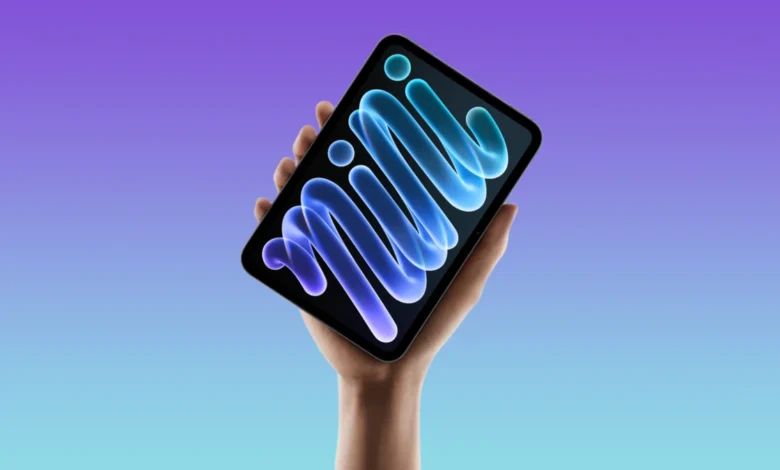
The newly announced iPad mini, which made its debut following Apple’s highly anticipated product launch event on October 28, 2026, marks a significant milestone for the company’s compact tablet lineup. Featuring an upgraded 8.5-inch OLED display, the device represents a substantial leap in screen technology compared to its predecessors. However, despite the transition to superior OLED panels, the tablet remains capped at a 60Hz refresh rate, omitting the high-frequency ProMotion technology that has become a staple of the premium iPad Pro series.
In the wake of the announcement, consumers and tech enthusiasts have engaged in a robust debate regarding the decision to omit 120Hz support. During a recent interview with creator Christopher Lawley, Apple’s vice president of hardware design, David Pakula, provided an official perspective on why the company opted against implementing ProMotion in this particular iteration of the iPad mini.
Technical Justification for the 60Hz Limit
Apple’s design philosophy, as articulated by Pakula, emphasizes that the overall quality of a display is determined by a synthesis of specifications rather than a singular focus on refresh rates. Pakula argued that the intrinsic characteristics of OLED technology provide a visual experience that significantly narrows the gap between standard 60Hz panels and their higher-frequency counterparts.
"Display experience is about more than just a single spec," Pakula stated during the discussion. "One of the things that’s really cool about OLED is it actually has this really fast pixel response time. So it’s like more than an order of magnitude faster than the pixel response time for an LCD display. And what that does is it makes everything really smooth. Motion blur is significantly reduced compared to LCD. When you pair that with the other things that I mentioned, the contrast, the brightness, and the color, this is just a killer display."
From a technical standpoint, pixel response time—the speed at which a pixel can transition from one color state to another—is a critical factor in perceived motion clarity. Because OLED pixels are self-emissive and lack the physical limitations of liquid crystals found in traditional LCDs, they can switch states near-instantaneously. By leveraging this characteristic, Apple aims to deliver a fluid user experience that mitigates the “ghosting” or motion blur often associated with legacy LCD panels, even when restricted to a 60Hz refresh rate.
Contextualizing the iPad Mini Launch Timeline
The release of the new iPad mini comes at the culmination of a busy October for Apple. The company’s strategy for the final quarter of 2026 has been defined by a series of rapid-fire hardware updates aimed at revitalizing its ecosystem.
The chronology of this launch began in early October, with reports from Bloomberg suggesting that Apple was preparing a major refresh for its mobile and portable computing lines. On October 13, Apple debuted a suite of home-focused products, including a redesigned Apple TV 4K and a refreshed HomePod mini, setting the stage for more substantial hardware announcements later in the month.
By October 27, rumors regarding the iPad mini and the new OLED MacBook Pro had solidified. The following day, October 28, Apple hosted an exclusive "launch experience" in Los Angeles, where the new iPad mini was officially unveiled alongside the M6-powered Mac lineup. Pre-orders for the tablet opened immediately, with a retail launch date set for Friday, November 6. This timeline underscores Apple’s intent to capture holiday-season demand by ensuring these high-profile devices reach consumers early in the fourth quarter.
Technical Specifications and Display Performance
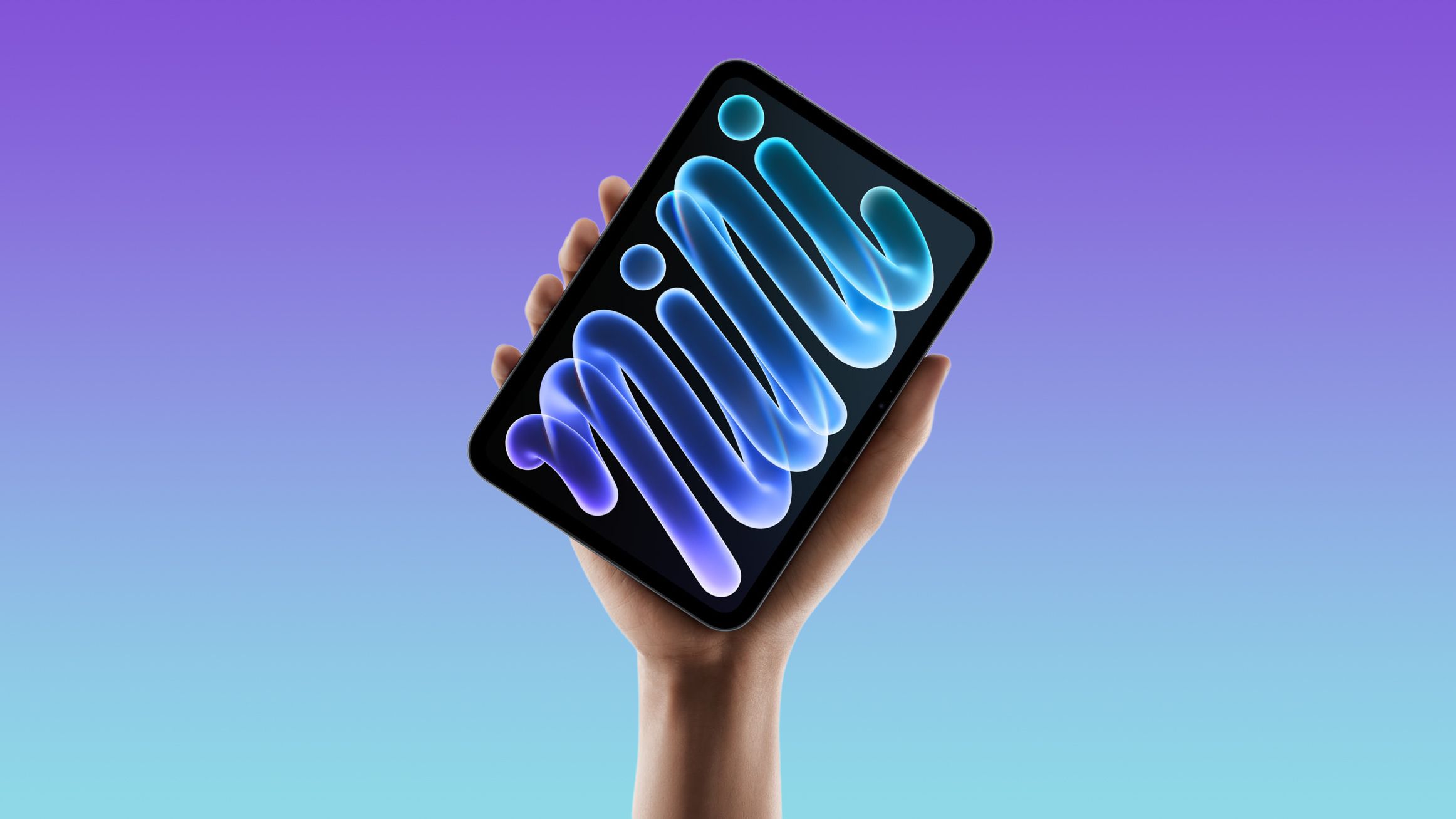
While the absence of ProMotion may be a point of contention for power users, the new iPad mini introduces several hardware upgrades that represent a significant evolution for the form factor. The transition to an 8.5-inch OLED display is the centerpiece of the device, offering a contrast ratio of 2,000,000:1. Because OLED technology allows individual pixels to be turned off completely, the device achieves true blacks, providing a level of depth and immersion that is impossible to replicate on backlit LCD screens.
In terms of brightness, the new iPad mini achieves a peak of 600 nits for standard dynamic range (SDR) content—a 100-nit improvement over the previous model. For high dynamic range (HDR) content, the display is capable of reaching up to 1,200 nits, allowing for greater highlight detail in photos and video. The device maintains a pixel density of 326 pixels per inch (PPI) and supports the P3 wide color gamut, ensuring color accuracy for creative professionals and media consumers alike.
Beyond the display, the hardware package is bolstered by the A20 Pro chip, which provides a notable performance uplift over previous generations. The inclusion of the N1 chip further enhances connectivity, introducing support for Wi-Fi 7 and Bluetooth 6. These features, combined with the new "Acoustic Display" audio system that removes the need for physical speaker grilles, suggest that Apple is prioritizing a sleek, durable design—further evidenced by the new IP67-rated water and dust resistance.
Market Implications and Product Differentiation
The decision to reserve ProMotion exclusively for the iPad Pro lineup reflects Apple’s long-standing strategy of product segmentation. By maintaining a distinct feature set for the "Pro" moniker, the company effectively differentiates its high-end professional tools from its consumer-grade devices.
Industry analysts observe that the iPad mini occupies a unique space in the market: it is a highly portable, premium-performance device that does not strictly compete with the larger-screen, high-refresh-rate workflows of the iPad Pro. By omitting ProMotion, Apple is able to maintain a lower price point—starting at $699—than it otherwise could if it were forced to source and implement high-refresh-rate OLED panels across the entire product range.
From a market perspective, the iPad mini is positioned as the ultimate choice for users who prioritize portability, build quality, and display vibrancy over the specific high-refresh-rate demands of professional animation or ultra-smooth UI navigation. The inclusion of the A20 Pro chip, however, signals that Apple intends for the device to remain relevant for several years, suggesting that while the display is capped at 60Hz, the device’s longevity remains a priority.
The Balancing Act of Hardware Design
The discourse surrounding the iPad mini’s refresh rate highlights the broader challenge Apple faces: balancing the demand for cutting-edge specs with the realities of manufacturing costs and market positioning. While the technical argument regarding pixel response times is valid, it also functions as a bridge for consumers who might otherwise be disappointed by the lack of ProMotion.
Ultimately, the new iPad mini is a testament to the maturation of OLED technology in portable devices. As OLED becomes standard across the Apple lineup, the focus of the conversation is likely to shift from basic features—like brightness and contrast—to more granular performance metrics. For now, Apple remains confident that the combination of the A20 Pro’s processing power and the OLED panel’s superior response time provides a high-quality user experience that justifies the $699 starting price, regardless of the absence of a 120Hz refresh rate.
As the launch date of November 6 approaches, it remains to be seen how the general consumer base will react to the device in a real-world setting. However, given the significant internal upgrades and the shift to an OLED architecture, the new iPad mini stands as a formidable contender in the tablet market, serving as a sophisticated tool for those who value performance in a compact form factor.
Related posts: