Tim Cook to Transition to Executive Chairman, John Ternus Named Next Apple CEO in Pivotal Leadership Shift

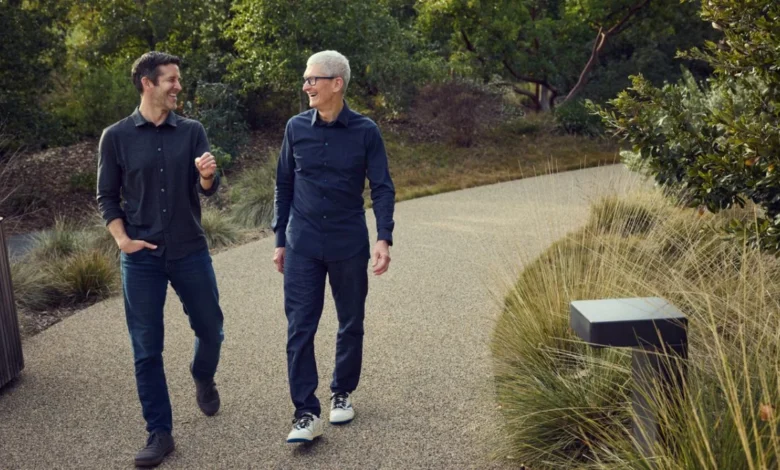
Cupertino, California – Apple Inc. today announced a significant leadership transition, with current Chief Executive Officer Tim Cook set to step down from his role and Senior Vice President of Hardware Engineering, John Ternus, appointed as his successor. The announcement, made in a press release on April 20, 2026, marks a pivotal moment for the technology giant, signaling a strategic shift as it navigates an evolving technological landscape dominated by artificial intelligence and new hardware paradigms. Tim Cook, who has helmed Apple since 2011, will transition to the role of Executive Chairman of the company’s board of directors, providing continued guidance during a crucial transitional period. John Ternus is slated to officially assume the CEO position on September 1, 2026, and will also join the board.
A Decade of Unprecedented Growth Under Tim Cook
Tim Cook’s tenure as CEO, spanning over 15 years, has been characterized by unprecedented financial growth and strategic diversification. Inheriting the leadership from co-founder Steve Jobs in 2011, Cook skillfully steered Apple through a period of immense expansion, transforming it from a $350 billion company into a colossal enterprise with a market capitalization exceeding $4 trillion. This remarkable achievement, highlighted by analysts at the International Data Corporation (IDC), positions Cook’s leadership as one of the most successful in the history of technology.
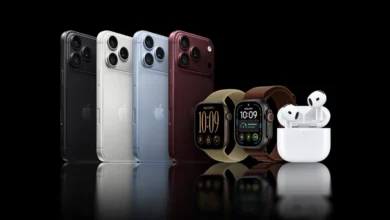
Under Cook’s guidance, Apple solidified its position as a global technology powerhouse. He masterfully optimized Apple’s intricate supply chain, expanded its global retail presence, and, crucially, diversified its revenue streams beyond the iconic iPhone. The Services division, encompassing offerings like the App Store, Apple Music, iCloud, and Apple TV+, witnessed explosive growth, becoming a multi-billion-dollar business that consistently outperforms expectations. Furthermore, Cook oversaw the launch of new product categories such as the Apple Watch and AirPods, which quickly became market leaders, embedding Apple deeper into the daily lives of billions. His leadership also saw Apple make significant strides in environmental sustainability and privacy, areas where the company has consistently championed industry-leading practices.
However, even with these successes, the tech industry is perpetually in motion. As IDC noted, Apple finds itself at an "inflection point." While the iPhone remains the company’s largest revenue contributor and the cornerstone of its ecosystem, signs of market saturation in premium smartphone markets and lengthening upgrade cycles present new challenges. The next major wave of consumer technology is increasingly centered around artificial intelligence, a domain where Apple has faced mounting competitive pressure.
Introducing John Ternus: An Engineer’s Vision for Apple’s Future
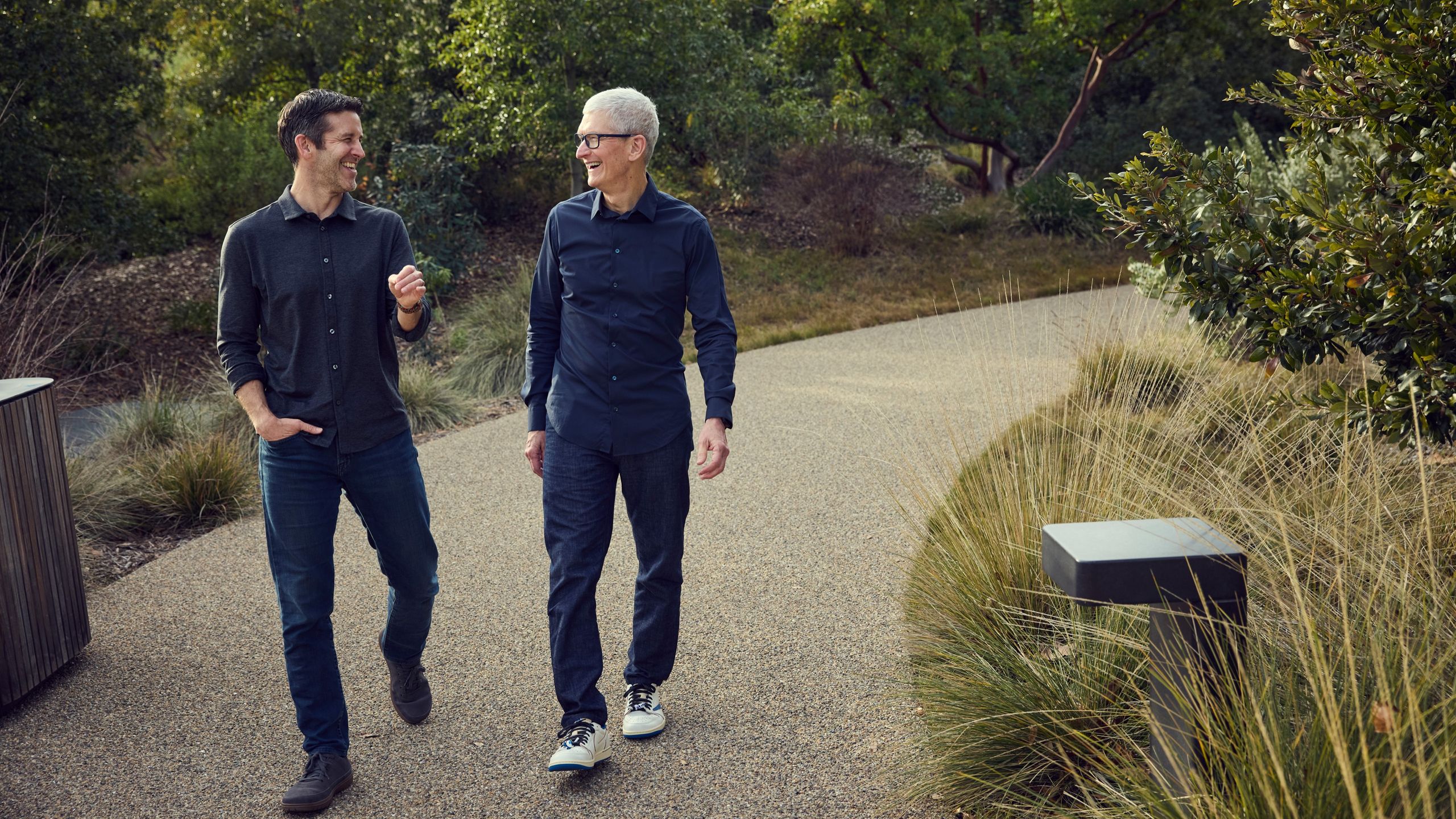
The appointment of John Ternus, a seasoned Apple veteran with an extensive hardware engineering background, signals a potential strategic realignment towards core product innovation. Ternus has been with Apple for over 25 years, a testament to his deep institutional knowledge and commitment to the company’s ethos. Most recently, he served as the Senior Vice President of Hardware Engineering, a role that placed him at the forefront of Apple’s most significant product developments. His prior experience includes serving as a Vice President of Hardware Engineering and a key member of the product design team.
Throughout his distinguished career at Apple, Ternus has played a crucial role in bringing some of the company’s most beloved and successful products to market. He was instrumental in the introduction of the original iPad and AirPods, devices that redefined their respective categories. His expertise also extended to multiple generations of iPhones, Macs, and Apple Watches, ensuring the meticulous engineering and design excellence that consumers expect from Apple. Ternus holds a bachelor’s degree in mechanical engineering from the University of Pennsylvania, a foundational academic background that underpins his practical contributions to Apple’s hardware prowess. Before joining Apple, he honed his engineering skills as a mechanical engineer for Virtual Research Systems.
In a statement announcing the transition, Tim Cook lauded his successor, saying, "John Ternus has the mind of an engineer, the soul of an innovator, and the heart to lead with integrity and with honor. He is a visionary whose contributions to Apple over 25 years are already too numerous to count, and he is without question the right person to lead Apple into the future. I could not be more confident in his abilities and his character, and I look forward to working closely with him on this transition and in my new role as executive chairman."
Ternus, in his own introductory remarks as the incoming CEO, expressed profound optimism for Apple’s future. "I am filled with optimism about what we can achieve in the years to come, and I am so happy to know that the most talented people on earth are here at Apple, determined to be part of something bigger than any one of us," he stated. "I am humbled to step into this role, and I promise to lead with the values and vision that have come to define this special place for half a century."
The Leadership Transition: A Phased Approach
The leadership change is structured to ensure a smooth and stable transition. Tim Cook will remain in his CEO role until September 1, 2026, allowing for a dedicated period to work closely with Ternus. This interim phase is critical for the seamless handover of responsibilities, strategic insights, and institutional knowledge. Upon the effective date, Cook will assume the newly created role of Executive Chairman of Apple’s board of directors, maintaining an influential position within the company’s governance structure. This arrangement provides continuity and leverages Cook’s vast experience and relationships while empowering the new CEO.
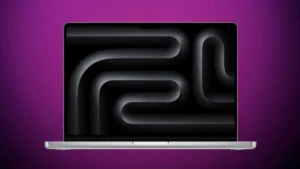
As part of the organizational realignment, Johny Srouji, Apple’s Senior Vice President of Hardware Technologies, will see his role expanded to encompass many of Ternus’s previous duties. Srouji will now bear the title of Chief Hardware Officer at Apple, a newly established position that underscores the company’s renewed emphasis on hardware innovation. Srouji is widely credited as the architect behind Apple’s highly successful M-series Apple silicon processors, which have revolutionized the performance and efficiency of Mac and iPad product lines since their debut with the Apple M1 chip in 2020. This strategic elevation of Srouji reinforces the engineering-centric leadership team that will guide Apple forward.
Initial Market Reactions and Analyst Perspectives
The immediate market response to the announcement was cautious, with Apple shares experiencing a modest dip of approximately 0.8% in after-hours trading, according to reports from The Wall Street Journal. Such fluctuations are not uncommon during significant leadership changes at major corporations, as investors digest the implications of new executive vision.
Analysts, while acknowledging Cook’s extraordinary legacy, are keenly focused on the challenges and opportunities facing Ternus. Francisco Jeronimo, Vice President of Client Devices at IDC, articulated this sentiment, stating, "Apple’s next decade will be defined less by hardware perfection, which Ternus clearly understands, and more by whether the company can build a strong AI platform and ecosystem strategy before competitors consolidate their positions." This assessment highlights the immense pressure on Ternus to not only maintain Apple’s hardware excellence but also to accelerate its advancements in artificial intelligence.
Strategic Imperatives for Apple’s Next Chapter
The appointment of an engineering-focused CEO like John Ternus, alongside the elevation of Johny Srouji to Chief Hardware Officer, suggests a potential strategic emphasis on deep technical innovation and product development. This comes at a time when the broader technology industry is undergoing a profound transformation driven by artificial intelligence.
Apple has faced criticism for its perceived lagging position in the AI race. While competitors such as Google, Samsung, Microsoft, and Meta have aggressively pursued internal AI development and integrated advanced AI features into their products, Apple has experienced delays with some of its announced AI functionalities, such as the overhauled Siri voice assistant. Reports indicating Apple’s reliance on third-party companies like OpenAI and Google for foundational AI models underscore the urgency for the company to solidify its in-house AI strategy. Ternus, with his background in integrating complex technologies into Apple’s product lines, will be tasked with orchestrating a more robust and cohesive AI strategy that leverages Apple’s unique ecosystem and hardware capabilities.
Beyond AI, the reception of Apple’s most recent significant new product, the Apple Vision Pro, provides further context. While lauded for its technological sophistication, its market adoption has been slower than anticipated, leading to questions about its immediate commercial viability and long-term future. This highlights the inherent risks and challenges associated with pioneering entirely new product categories, a task that will fall to Ternus and his team.
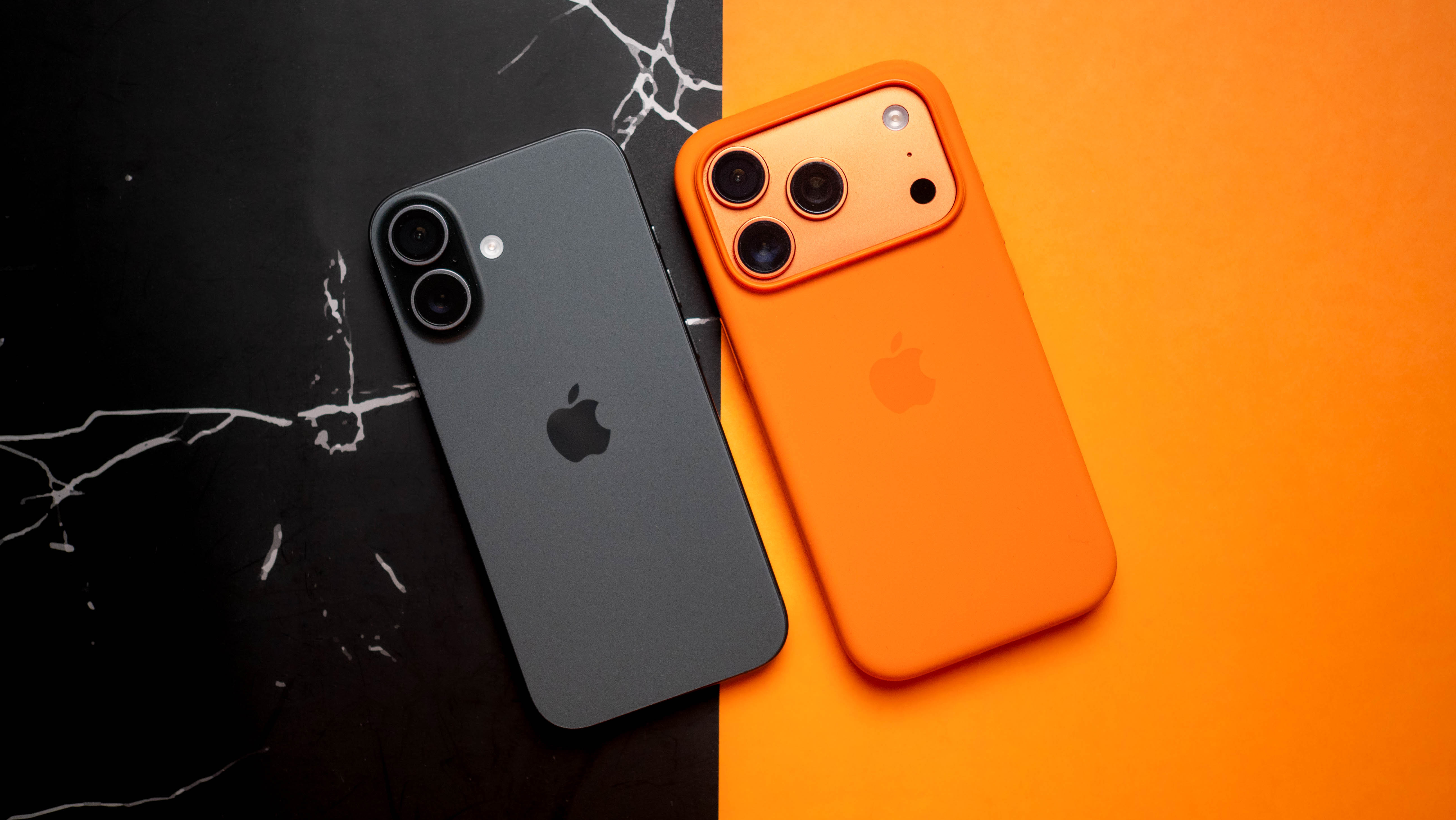
Conversely, the success of Apple silicon, spearheaded by Srouji, stands as a clear example of Apple’s capacity for groundbreaking hardware innovation. The M-series chips have not only revitalized the Mac and iPad lines but have also set a new industry benchmark for performance and power efficiency in Arm-based processors. This internal capability in chip design will be a critical asset as Apple seeks to integrate more advanced AI functionalities directly into its hardware, potentially giving it a differentiated advantage over competitors.
Key Milestones Ahead
The coming months will offer the first glimpses into Apple’s future under its new leadership structure. Apple is scheduled to host its quarterly earnings call this Thursday, April 30. This event could provide the first opportunity for investors and the public to hear directly from both Tim Cook and John Ternus following the announcement, offering insights into their vision for the transition and future strategy.
Furthermore, the September 1 transition date for Ternus to officially become CEO is strategically significant. It falls just before Apple typically holds its annual September event, a highly anticipated occasion where the company traditionally unveils its latest iPhone models and other key hardware. This event is expected to be the first major keynote hosted by John Ternus as Apple’s Chief Executive Officer, a moment that will undoubtedly be scrutinized by the global technology community for signals about Apple’s direction under his leadership.
In a poignant open letter addressed to customers and the broader Apple community, Tim Cook offered a heartfelt reflection on his time at the helm, concluding with a reassuring message: "This is not goodbye, but at this moment of transition, I wanted to take the opportunity to say thank you." This sentiment underscores the profound impact Cook has had and the collaborative spirit expected during this critical leadership handover. The transition from Tim Cook’s operational genius to John Ternus’s engineering acumen marks a new era for Apple, one where the company will be challenged to redefine innovation in a rapidly changing technological landscape.