Zyxel Patches Critical Zero-Day Vulnerability in GS1900 Switches Following Global Exploitation Campaign

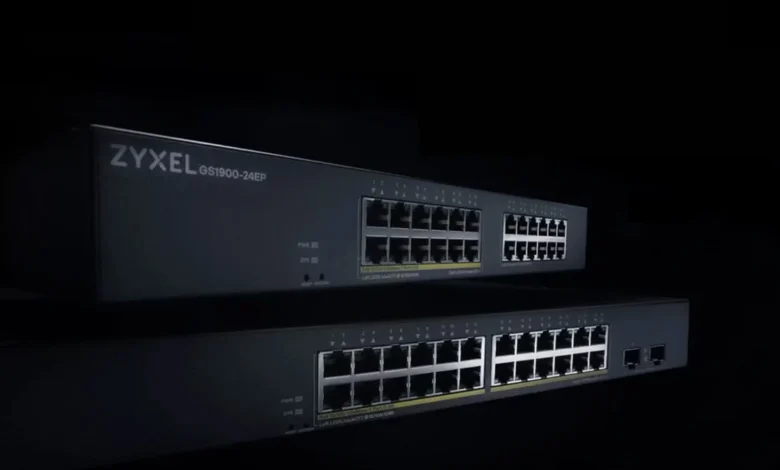
Zyxel has officially addressed a high-severity zero-day vulnerability, designated as CVE-2026-107441, which affected its widely deployed GS1900 series network switches. The flaw, an out-of-bounds write vulnerability residing in the web management interface, allowed unauthenticated, remote attackers to execute arbitrary operating system commands by sending specially crafted HTTP requests. This security breach led to the compromise of nearly 1,000 devices across 48 countries, resulting in the exfiltration of sensitive configuration files, hashed root credentials, and internal network metadata.
The discovery of this flaw has highlighted a sophisticated cat-and-mouse game between threat actors and firmware developers. While the security community initially identified the attacks as exploitation of a previously disclosed vulnerability, deep-dive analysis by firmware security specialists at Binarly revealed that the threat actors had bypassed existing patches, effectively turning a "fixed" system into a new attack surface.
A Chronology of the Red Heron Campaign
The timeline of this incident began in early 2026, setting the stage for what would become a complex investigation involving multiple cybersecurity firms and government agencies.
- June 16, 2026: Zyxel released firmware updates to remediate CVE-2026-7273, a critical pre-authentication buffer overflow vulnerability in the GS1900 series. At the time, this was considered a definitive fix for the identified attack vector.
- August 17, 2026: Researchers at GreyNoise began detecting a surge in malicious activity targeting Zyxel hardware. The traffic originated from a threat actor group identified as Kapibala, later linked to the broader "Red Heron" campaign.
- September 21, 2026: GreyNoise formally disclosed the campaign, attributing the exploitation to CVE-2026-7273. Simultaneously, the Cybersecurity and Infrastructure Security Agency (CISA) issued an emergency directive ordering federal agencies to patch the June-era vulnerability, assuming it was the vector being leveraged.
- September 28, 2026: Binarly researchers, conducting an independent forensic analysis of the JITTERLY backdoor and the SIXZUT rootkit—both associated with the Red Heron campaign—uncovered an archived, obfuscated Python exploit. The code specifically targeted switches that had already been updated with the June patches.
- September 29, 2026: Binarly formally reported their findings to Zyxel, proving that the June fix was insufficient to prevent remote command execution.
- October 11, 2026: Zyxel officially acknowledged the existence of the new, distinct vulnerability, assigning it the identifier CVE-2026-107441.
- October 22, 2026: Zyxel released the final, comprehensive security updates to address the out-of-bounds write flaw.
- November 3, 2026: Zyxel published its formal security advisory, providing technical details and urging all administrators to apply the latest firmware.
Technical Analysis: The Failure of Partial Remediation
The core of the issue lies in how the original patch for CVE-2026-7273 was implemented. According to the investigation by Binarly, the June update focused on implementing bounds checking for a specific buffer overflow scenario. However, the logic failed to account for the manipulation of a parameter counter.
Attackers discovered that by corrupting this counter before the validation process occurred, they could bypass the security checks entirely. This allowed them to perform an out-of-bounds write, which is a severe memory corruption error that enables attackers to inject and execute their own code within the switch’s operating system environment.
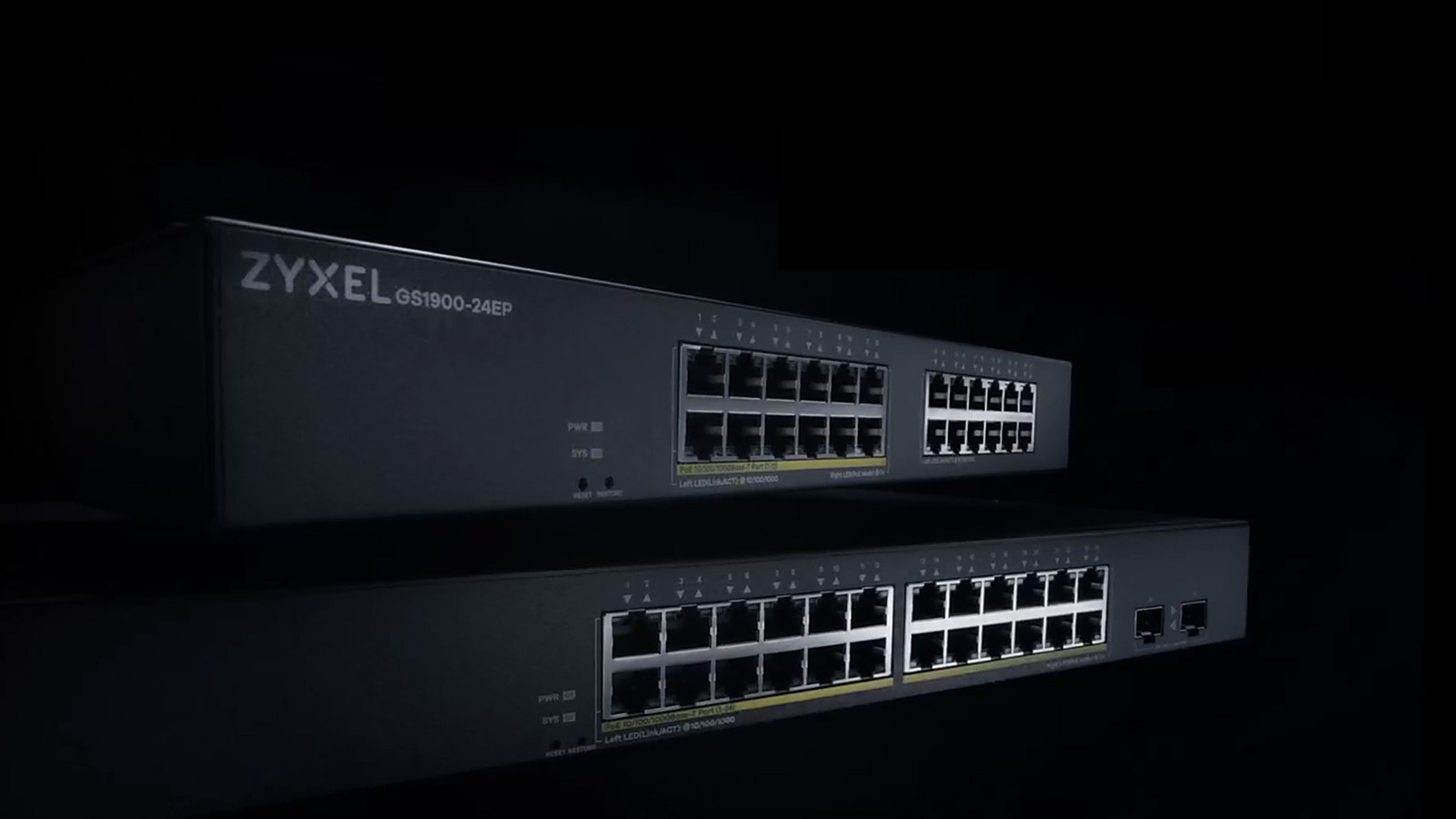
The exploit recovered by Binarly was highly targeted. It checked the firmware version of the target device, and if it detected that the June patch was present, it utilized the refined exploit method to bypass the newly added validation steps. This suggests a high level of sophistication, implying that the threat actors possessed either deep reverse-engineering capabilities or access to the vendor’s patch release notes, which they then exploited to develop a bypass.
The Impact of the Kapibala and Red Heron Campaigns
The scope of this campaign is significant, with nearly 1,000 devices confirmed as compromised. The attackers’ primary objective appears to have been reconnaissance and persistent access. By stealing device configurations and hashed credentials, the threat actors gained the ability to map internal network segments, potentially facilitating lateral movement into more sensitive areas of the victim organizations’ networks.
The connection to the Red Heron campaign is particularly concerning. This group has previously demonstrated the ability to exploit zero-day vulnerabilities in other technologies, such as the Gitea self-hosted Git service. Their use of the JITTERLY backdoor and the SIXZUT rootkit indicates an interest in maintaining long-term, stealthy persistence on network infrastructure. By compromising network switches, which are often overlooked by traditional endpoint security solutions, the attackers created a "blind spot" in the security architecture of the affected organizations.
Official Responses and Mitigation Efforts
Zyxel’s response has been to provide a patch that introduces more robust validation logic. The new firmware mandates strict limits on HTTP parameter sizes and enforces a rigorous verification of the parameter count before any data is copied into memory. This "defense-in-depth" approach is intended to close the gap that allowed the bypass.
"We take the security of our users’ networks with the utmost seriousness," a Zyxel representative stated in the wake of the October 22 release. "The identification of CVE-2026-107441 serves as a reminder of the evolving nature of cyber threats. We encourage all users to prioritize the application of the latest firmware updates to ensure their infrastructure remains resilient against these sophisticated methods."
For network administrators, the situation presents a stark reminder of the limitations of "n-day" patching. While applying patches is a fundamental security requirement, the effectiveness of a patch depends entirely on the completeness of the vulnerability analysis. When an attacker is able to weaponize a "fixed" vulnerability by identifying flaws in the patch logic itself, the burden on the defender increases significantly.

Broader Implications for Network Security
This incident serves as a critical case study for the risks associated with embedded systems and Internet-of-Things (IoT) devices. Network switches, while critical to infrastructure, are often managed as "set and forget" devices. They lack the automated update mechanisms found in modern desktop operating systems, and they are frequently deployed in environments where monitoring traffic is difficult or impossible.
The exploitation of the GS1900 series highlights several broader industry issues:
- The Persistence of Firmware Vulnerabilities: Unlike software running on a server, firmware vulnerabilities are harder to detect and remediate. There is no antivirus or EDR (Endpoint Detection and Response) agent that can be easily deployed to a low-cost network switch.
- Supply Chain and Infrastructure Integrity: As threat actors move toward targeting the "plumbing" of the internet—routers, switches, and firewalls—the risk of large-scale, coordinated espionage increases. Compromising these devices allows for data interception at the source.
- The Necessity of Deep Forensics: The fact that the attack was initially misattributed to a previously known flaw illustrates why deep forensic analysis, such as that conducted by Binarly, is essential. Relying on surface-level indicators of compromise (IOCs) can lead organizations to believe they are protected when they remain exposed to modified attack vectors.
Best Practices for Administrators
To mitigate the risk of future exploits, security experts recommend that organizations managing Zyxel GS1900 series switches take the following steps immediately:
- Firmware Updates: Ensure all GS1900 switches are running the latest firmware version released on or after October 22, 2026.
- Network Segmentation: Isolate management interfaces from the public internet. Network management consoles should only be accessible from a secure, dedicated management VLAN or through a VPN with multi-factor authentication (MFA).
- Configuration Audits: Regularly audit device configurations for unauthorized changes. The Red Heron campaign involved the theft of these files, which could be used to clone access or identify further targets.
- Credential Rotation: Since root credentials were stolen in this campaign, all administrative passwords for the affected switches should be changed immediately following the firmware update.
- Monitoring and Logging: Implement strict monitoring for suspicious outbound traffic from network infrastructure, as attackers often need to communicate with Command and Control (C2) servers to exfiltrate data.
The incident involving the Zyxel GS1900 switches acts as a sobering reminder that the security lifecycle does not end when a patch is released. Continuous vigilance, combined with a proactive approach to vulnerability management and infrastructure hardening, remains the only effective defense against determined, state-sponsored or organized criminal threat actors. As the Red Heron campaign continues to evolve, the security community must remain prepared for the possibility of further bypasses and the emergence of new, more complex exploits targeting the critical backbone of our digital networks.