Hinge Tests Lower-Priced Subscription Tier to Combat Dating App Fatigue and Broaden Market Reach

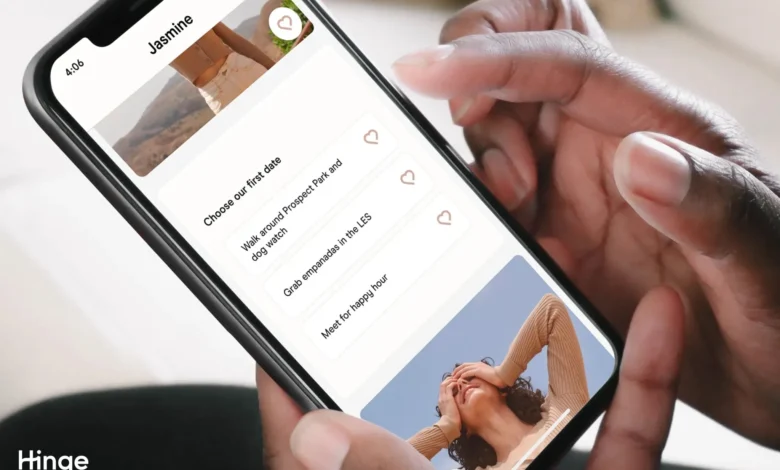
Match Group is shifting its monetization strategy for its premier matchmaking platform, Hinge, by testing a more affordable subscription tier. Revealed during the company’s third-quarter earnings call on Monday, the new offering represents a calculated pivot for the tech conglomerate as it navigates a challenging economic landscape defined by widespread consumer subscription fatigue and a growing cultural disillusionment with digital dating platforms.
The introduction of this lower-cost plan comes at a critical juncture for the online dating industry. While modern platforms have revolutionized how singles meet, they have simultaneously birthed phenomena such as endless swiping, burnout, and mounting skepticism regarding the value proposition of pricey monthly packages. Match Group, which owns an expansive portfolio of dating properties including Tinder, Hinge, OkCupid, and Plenty of Fish, is banking on this new tier to capture price-sensitive demographics without compromising the premium identity Hinge has meticulously cultivated over the years.
Unpacking the Strategy: Targeting Price-Sensitive Users and Women
According to details shared during the Q3 earnings presentation, the forthcoming Hinge subscription tier is engineered to appeal directly to demographics that have historically been hesitant to pay for digital matchmaking services. Steve Bailey, Chief Financial Officer of Match Group, explicitly pointed to women and cost-conscious consumers as the primary targets for the new offering.
The upcoming plan will introduce several enhanced utility features, including advanced search filters and custom location boundaries. These additions are designed to grant users granular control over their discovery feeds, enabling them to curate who they see and precisely where they look for potential partners.
To understand why Match Group is introducing a cheaper tier, one must examine Hinge’s unique financial footprint within the corporate umbrella. Bailey noted that Hinge currently stands as one of the highest-priced products in the company’s stable. The app’s average revenue per paying user (ARPPU) hovers around $30—nearly double that of its sister app, Tinder. However, this high price point creates a barrier to entry; Hinge’s payer penetration rate sits at just over half that of Tinder’s.
By introducing a lower-priced entry point, Match Group aims to bridge this gap. The strategy is to widen the top of the monetization funnel, converting a larger percentage of the app’s active user base into paying customers by lowering the initial financial commitment. At the time of publication, Match Group has not disclosed the exact monthly price point for the new subscription, and inquiries directed to corporate representatives remain pending.
Financial Performance: Hinge’s Impressive Momentum vs. Tinder’s Plateau
The decision to test a budget-friendly tier is particularly fascinating given that Hinge is currently one of Match Group’s most robust financial engines. While other legacy platforms within the portfolio experience stagnation or mild contractions, Hinge continues to defy broader industry headwinds.
During the third quarter, Hinge reported stellar global metrics:
- Monthly Active Users (MAUs): Grew by 12% year-over-year.
- Direct Revenue: Increased by 19% year-over-year, reaching $221 million for the quarter.
- Paying Subscribers: Rose by 23% year-over-year, totaling 2.3 million paying users by the close of the quarter.
Direct revenue, as defined by the company, encompasses all monies generated directly from user subscriptions and in-app purchase items, such as digital roses or profile boosts.
In stark contrast, Tinder—while still the undisputed revenue heavyweight of the portfolio—is showing signs of maturity and saturation. Tinder brought in $480 million in direct revenue during the same quarter, representing a slight 2% decline compared to the previous year. Furthermore, Tinder’s base of paid users slipped to 8.9 million, marking a 4% decline year-over-year.
These divergent trajectories highlight why Hinge is being chosen as the testing ground for this new pricing experiment. Capitalizing on Hinge’s current cultural momentum with a lower-cost tier could accelerate subscriber acquisition at a time when Tinder’s core subscription model faces maturation hurdles.
A Chronological Shift in Hinge’s Monetization Strategy
Hinge’s approach to pricing has evolved significantly over the years, reflecting a continuous trial-and-error process to optimize revenue per user without alienating the core demographic.
Historically, Hinge positioned itself as the "relationship app" designed to be deleted, utilizing a freemium model that offered robust baseline features. However, as operational costs rose and investor demands for higher yields intensified, Match Group began experimenting with aggressive upselling strategies.
- January 2023: Hinge made waves across the tech industry by testing an ultra-premium tier priced at a staggering $60 per month. Similar to Tinder Platinum, this expensive tier was targeted at power users who were willing to pay top dollar for maximum visibility, priority likes, and algorithmic advantages.
- Late 2023 to 2024: Following mixed responses to the high-priced tier, the company sought a balanced middle ground, refining its standard subscription models (HingeX and Hinge+).
- Late 2026: Recognizing that a $60 tier alienates budget-conscious cohorts—particularly younger demographics facing economic pressures—Match Group pivoted to the opposite end of the spectrum. The announcement of a lower-priced tier signals an acknowledgment that future growth relies on capturing the volume of price-sensitive users rather than squeezing higher margins exclusively from affluent power users.
The Macro Challenge: Tackling Dating App Fatigue
Regardless of how skillfully Match Group prices its subscription tiers, company executives acknowledge that cheaper plans alone cannot eradicate the systemic malaise plaguing the digital dating ecosystem. "Dating app fatigue"—a cultural phenomenon characterized by user exhaustion, cynicism toward algorithmic matching, and the psychological toll of endless swiping—presents a formidable threat to long-term engagement.
Industry analysts note that modern daters are increasingly questioning the return on investment of premium features. When a monthly subscription fails to yield meaningful real-world connections, users quickly cancel, viewing the expenditure as a recurring tax on loneliness.
To combat this secular trend, Match Group is aggressively rethinking the fundamental user experience, attempting to move away from the traditional, isolated swiping paradigm toward community-driven, real-world interactions.
Innovation Beyond the Screen: IRL Initiatives and Adaptive AI
Match Group’s strategy for revitalizing its platforms extends well beyond pricing architecture. Throughout late 2026, the corporation has rolled out several high-profile initiatives aimed at blending digital discovery with physical-world (IRL) socialization.
Chief among these are Group Hangouts and Events, which were expanded to dozens of additional metropolitan areas over the past few months. These features allow users to organize or participate in group activities and local events, shifting the psychological framing of the app from high-pressure, one-on-one romantic evaluations to low-stakes, social community building. Early feedback suggests that Gen Z users, in particular, respond favorably to platforms that facilitate organic group socialization.
In tandem with these real-world expansions, technological innovation remains a cornerstone of Match Group’s turnaround plan. During the CEO Connection presentation in September, leadership announced the impending rollout of real-time adaptive recommendations. Scheduled for beta testing in the fourth quarter, this artificial intelligence-driven feature is designed to process user behavior within seconds rather than hours. By reacting instantaneously to likes, passes, and profile interactions, the system aims to deliver hyper-personalized and contextually relevant suggestions, drastically reducing the friction and irrelevance that often trigger app fatigue.
Industry Implications and Future Outlook
The introduction of a budget-friendly Hinge subscription tier carries profound implications for the competitive landscape of the digital dating sector. As smaller startups and alternative community apps challenge traditional tech monopolies, legacy players must adapt their pricing psychology to retain market dominance.
If the lower-priced Hinge tier successfully converts non-paying users without cannibalizing the revenue generated from its existing high-paying subscriber base, it could establish a new blueprint for dating app monetization. By democratizing access to essential discovery filters, Match Group can foster greater platform loyalty and position Hinge for sustained double-digit growth.
However, the ultimate success of this initiative will depend on whether consumers perceive the new tier as offering genuine value. As Match Group prepares to implement these tests in the upcoming quarter, investors and consumers alike will be watching closely to see if cheaper subscriptions, paired with real-world events and faster AI recommendations, can successfully cure dating app fatigue and restore consumer trust in digital romance.