A Harrowing Identity Theft Story Reveals the Critical Nexus of Email Security


The digital landscape, while offering unprecedented convenience and connectivity, has also become a fertile ground for sophisticated criminal enterprises. A recent harrowing account of identity theft, detailed in a Yahoo Tech report, underscores a fundamental vulnerability in our online lives: the email account as the linchpin of personal digital security. While the victim’s mistake of divulging a two-factor authentication code to a scammer was the immediate catalyst, the subsequent cascade of compromised accounts highlights how the security of nearly all our online services hinges precariously on the integrity of a single email address. This incident serves as a stark reminder of the evolving tactics of cybercriminals and the urgent need for enhanced digital hygiene and more robust security architectures.
The Genesis of the Breach: A Moment of Trust and Deception
The incident, as reported, began with a seemingly innocuous interaction that rapidly escalated into a digital nightmare. The victim, whose identity has been protected by the reporting outlet, fell prey to a social engineering tactic. Social engineering, a psychological manipulation technique, exploits human trust and cognitive biases to trick individuals into divulging sensitive information or performing actions that compromise their security. In this instance, the attacker likely posed as a legitimate entity, perhaps a service provider or a known contact, to solicit the two-factor authentication (2FA) code.
Two-factor authentication is designed as a critical security layer, requiring users to provide two distinct forms of verification to access an account. Typically, this involves something the user knows (a password) and something the user has (a code sent to their phone or email). The victim’s inadvertent disclosure of this code granted the scammer a powerful key, effectively bypassing a significant security barrier. This act, however unintentional, opened the floodgates for a comprehensive takeover of their digital identity.
The Email Account: The Digital Master Key
The true gravity of the situation lies not solely in the initial compromise, but in the profound interconnectedness of online services. For many individuals, a single email address serves as the primary identifier and recovery mechanism for a multitude of online accounts. This includes banking portals, social media platforms, e-commerce sites, cloud storage services, and even professional networking platforms. When this central hub is compromised, the attacker gains the ability to:
- Reset Passwords: Most online services offer a "forgot password" or "account recovery" option that sends a reset link to the registered email address. With access to the email, the attacker can initiate password resets for virtually any associated account.
- Intercept Sensitive Information: Emails often contain confirmations of purchases, financial statements, personal correspondence, and other sensitive data that can be exploited for further identity theft or blackmail.
- Gain Access to Communication Channels: Compromising an email can also lead to the interception of direct messages and communications on platforms linked to that address.
- Conduct Further Social Engineering: With knowledge of the victim’s contacts and online activities gleaned from their email, attackers can craft more convincing and personalized phishing or social engineering attacks against others.
This reliance on a single email address as a master key is a systemic vulnerability that many users are only beginning to fully appreciate. The ease with which a compromised email can unravel an entire digital life is a chilling testament to the architecture of the modern internet.
Chronology of a Digital Disintegration (Inferred)
While the specific timeline of events is not fully detailed in the initial report, a typical progression of such an attack can be inferred:
- Initial Contact and Deception: The scammer initiates contact, employing social engineering tactics to gain the victim’s trust. This could be via text message, email, or even a phone call.
- The Critical Error: The victim, believing they are interacting with a legitimate entity, divulges the 2FA code.
- Email Account Compromise: The attacker uses the 2FA code to gain unauthorized access to the victim’s primary email account.
- Password Reset Campaign: The attacker systematically begins initiating password resets for other online accounts linked to the compromised email. This is often done in rapid succession to prevent the victim from regaining control.
- Account Takeovers: As password reset links are received and exploited, the attacker gains control of social media, financial, and other sensitive accounts.
- Financial and Personal Data Exploitation: The attacker may then proceed to make fraudulent purchases, drain bank accounts, or steal personal information for future malicious activities.
- Attempted Recovery and Realization: The victim, noticing unusual activity or being locked out of accounts, begins the arduous process of attempting to regain control, often discovering the full extent of the compromise.
The Role of Two-Factor Authentication (2FA) and Its Limitations
The incident highlights a crucial paradox: 2FA is a vital security measure, yet its effectiveness can be undermined by sophisticated attacks. The primary purpose of 2FA is to add an extra layer of security that makes it significantly harder for unauthorized individuals to access an account, even if they have obtained the password. However, when the second factor itself is compromised, the entire system breaks down.
The methods by which 2FA codes can be compromised include:
- Phishing: The victim is tricked into entering their 2FA code on a fake website designed to mimic a legitimate service.
- SIM Swapping: Attackers gain control of the victim’s mobile phone number, allowing them to intercept SMS-based 2FA codes.
- Malware: Malicious software on the victim’s device could capture 2FA codes as they are generated or received.
- Direct Disclosure: As in this case, the victim is deceived into directly providing the code to the attacker.
The vulnerability of SMS-based 2FA, in particular, has been a growing concern within the cybersecurity community. While still significantly better than no 2FA at all, it is considered less secure than app-based authenticators (like Google Authenticator or Authy) or hardware security keys, which are less susceptible to interception.
Broader Implications: A Systemic Weakness
This incident is not an isolated anomaly but a symptom of a broader systemic weakness in how digital identities are managed and secured. The ubiquity of email as a recovery mechanism creates a single point of failure that attackers are increasingly targeting.
- The Email Provider’s Responsibility: While users bear responsibility for their online security practices, email providers also play a critical role. Enhancing security measures for email accounts, such as more stringent verification processes for account recovery and proactive detection of suspicious login attempts, could significantly mitigate these risks.
- The Need for Decentralized Identity Management: The current model of relying on centralized email accounts to manage diverse online identities is inherently fragile. Future solutions may involve more decentralized identity management systems where a single compromised account does not grant access to a vast digital ecosystem.
- User Education and Vigilance: The incident serves as a potent reminder that cybersecurity is an ongoing process that requires constant vigilance. Users must be educated about the risks of social engineering, the importance of strong, unique passwords for all accounts, and the best practices for managing 2FA.
Expert Commentary and Reactions (Inferred)
Cybersecurity experts have consistently warned about the perils of over-reliance on email as the primary account recovery tool. Bruce Schneier, a renowned security technologist, has frequently discussed the challenges of securing digital identities and the "weakest link" principle in security. The sentiment echoed in the comment section of the original post, "You’re only paranoid until hindsight shows you to be prophetic. A little paranoia can be a healthy thing; the trick is to not let it take over your life to the point where you can’t live that life," reflects a common understanding among those familiar with cybersecurity risks. This suggests that a degree of healthy skepticism and proactive security measures are essential, but the goal is to integrate these into daily life without succumbing to debilitating anxiety.
Moving Forward: Towards a More Resilient Digital Future
The harrowing experience of this identity theft victim underscores the urgent need for a multi-faceted approach to digital security:
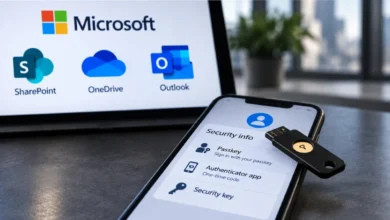
- Diversify Authentication Methods: Users should prioritize using app-based authenticators or hardware security keys for critical accounts, moving away from SMS-based 2FA whenever possible.
- Secure Email Accounts with Maximum Strength: Treat your email account as the crown jewel of your digital life. Use a strong, unique password and enable the most robust 2FA offered by your provider. Consider using a dedicated email address solely for critical accounts and another for less sensitive communications.
- Be Wary of Social Engineering: Always be skeptical of unsolicited requests for personal information or authentication codes, regardless of the apparent source. Verify requests through separate, trusted channels.
- Regularly Review Account Security: Periodically check linked accounts, recent login activity, and associated recovery information for any anomalies.
- Advocate for Systemic Improvements: Support and demand better security practices from service providers, including more robust account recovery processes and enhanced fraud detection.
The story of this identity theft victim is a stark, personal illustration of a digital vulnerability that affects millions. As technology advances, so too do the methods of those who seek to exploit it. Understanding the interconnectedness of our digital lives, particularly the pivotal role of email security, is the first step towards building a more resilient and secure online future.