In the vast and ever-expanding ecosystem of internet subcultures, few linguistic phenomena have achieved the specific, wholesome resonance of doggo-lotto and animal-speak memes. Among these, the phrase "Stop It Son, You Are Doing Me A Frighten" stands out as a masterclass in internet vernacular, combining dramatic overreaction with intentional childish syntax. Over the years, this phrase has grown from a single viral image macro into a sprawling multimedia archive featuring dozens of iterations across major content-sharing platforms, cementing its place in the modern digital lexicon.
Main Facts and Origins
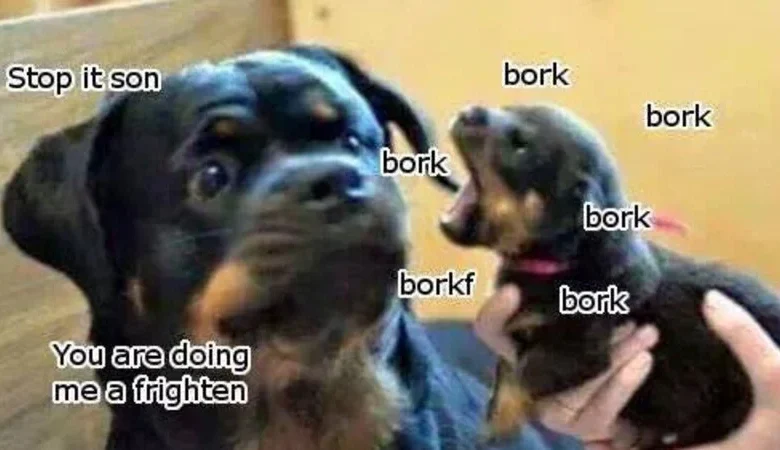
At its core, the "Stop It Son, You Are Doing Me A Frighten" meme relies on a formulaic yet endlessly adaptable setup: a larger animal—frequently a parent or an older member of a species—looking mildly distressed, annoyed, or overtly terrified by the minor, harmless actions of a smaller companion, typically a puppy, cub, or infant.
The text accompanying these images almost universally employs a specific brand of dog-internet slang (often referred to colloquially as "doggo lingo" or "Spiccy Doggo" dialects). Phrases such as "doing me a frighten," "doing me a concern," or "doing me an annoy" transform everyday animal interactions into melodramatic theatrical performances. The humor stems from the juxtaposition between the majestic, imposing nature of the subjects—such as lions, tigers, gorillas, and large dog breeds—and the utter fragility expressed through their imagined internal monologue.
Data aggregated from digital folklore archives and meme-tracking databases indicates that the meme’s ecosystem includes multiple core entries and dozens of user-submitted variations. Platforms like Know Your Meme have cataloged extensive image galleries, user uploads, and video derivatives that trace the spread of the joke across Imgur, Reddit, and various imageboards.
Chronology and Evolution of the Format
The trajectory of the meme follows a classic internet dissemination pattern, moving from isolated visual puns to a standardized template replicated across diverse animal kingdoms.

During its initial emergence phase, the template was primarily anchored to domestic canines. Users on platforms like Reddit and Imgur began pairing images of timid or startled dogs with captions mimicking baby talk or broken English. The linguistic structure—specifically the construction "doing me a [noun]"—quickly proved to be a sticky linguistic meme. Instead of simply saying "I am frightened," the subject is described as undergoing an active, transitive experience bestowed upon them by an outside force: "doing me a frighten."
As the format matured into its expansion phase, community contributors began applying the caption style to exotic and wild animals. Image archives show a rapid diversification into species far removed from domestic pets. Notable entries feature majestic big cats—such as lion dads and tiger moms—reacting with melodramatic horror to the playful, clumsy lunges of their cubs. Gorilla parents, pug mixes, and wolf pups soon joined the pantheon, each iteration pushing the boundaries of how much fake distress a wild animal could humorously express.
By its peak cultural saturation period, the meme had transcended static image macros. Video derivatives began appearing across video-sharing networks, capturing short clips of animals reacting to sudden movements, set against the backdrop of the now-familiar catchphrase. Users continually refreshed the database with new image uploads, ensuring the trend maintained a steady stream of user-generated engagement.
Linguistic Analysis and Internet Vernacular
The longevity of "Stop It Son, You Are Doing Me A Frighten" offers a fascinating case study in contemporary internet linguistics. Linguists and digital media scholars note that internet subcultures frequently create specialized dialects to foster a sense of community and shared identity.
The phrase relies on several distinct linguistic devices:
- Verbing Nouns: Transforming the noun "frighten" into a direct object ("a frighten") subverts standard English grammar, creating a playful, childlike tone.
- Deliberate Misspelling and Simplification: Words like "fren," "pupper," and "heck" remove aggressive or complex vocabulary, softening the tone of the interaction entirely.
- Mild Melodrama: By framing minor annoyances or gentle play as existential threats ("doing me a frighten" or "doing me a concern"), the meme creates a comedic disconnect between the trivial stimulus and the catastrophic emotional response.
This deliberate infantilization serves a psychological function within digital spaces. In an era dominated by high-stress news cycles and complex socio-political discourse, wholesome animal memes provide a low-stakes, comforting psychological retreat. The innocent, harmless nature of the joke allows users to engage in lighthearted escapism.

Cultural Impact and Broader Implications
While "Stop It Son, You Are Doing Me A Frighten" might initially appear as superficial internet ephemera, its broader implications touch upon how humans interact with wildlife and domestic animals in the digital age.
First, the meme contributes to the ongoing anthropomorphism of animals in media. By projecting complex, articulate human anxieties—such as boundary setting, parenting fatigue, and sudden panic—onto wildlife, the internet bridges the gap between human experience and animal behavior. While biologists frequently caution against misinterpreting animal body language (as what humans perceive as "fright" or "annoyance" in a wild animal can sometimes be stress or aggression), the cultural output remains overwhelmingly focused on affection, gentle parenting struggles, and playful domesticity.
Second, the meme highlights the collaborative nature of modern folklore. Unlike traditional jokes passed down orally, internet memes are built by decentralized communities. A single image uploaded by an anonymous user can be remixed, translated, captioned, and categorized by thousands of individuals across the globe. The cataloging of these images on dedicated archival platforms ensures that even as individual social media feeds move on to newer trends, the history of the joke remains permanently accessible for future study.
Conclusion
The enduring footprint of "Stop It Son, You Are Doing Me A Frighten" demonstrates the remarkable power of simple, joyful humor in digital spaces. By blending imaginative captions with striking imagery of the animal kingdom, the internet successfully carved out a persistent linguistic monument to harmless anxiety and familial patience. As digital communication continues to evolve, the linguistic structures pioneered by these early animal memes will undoubtedly leave a lasting legacy on how online communities express emotion, humor, and connection.
Related posts: