Google Rolls Out Major November Update for Googlebook to Fix Critical Performance and AI Memory Bottlenecks

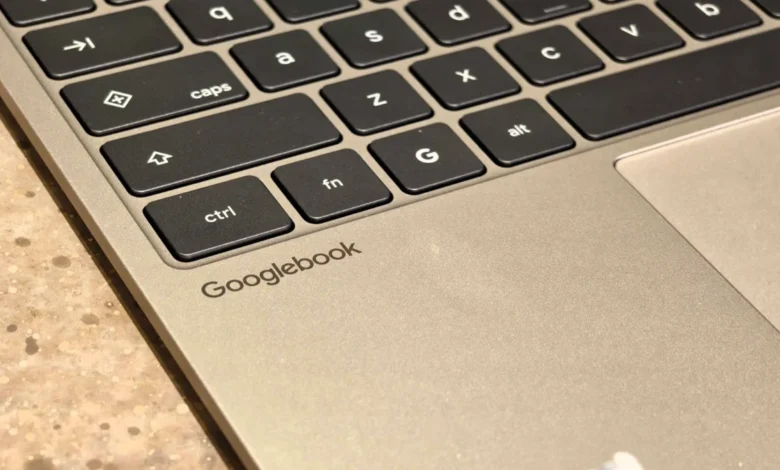
Google has officially commenced the global rollout of its comprehensive November software update for the Googlebook ecosystem, delivering crucial performance enhancements, hardware bug fixes, and critical security patches. Designed to address persistent user frustrations reported since the platform’s initial debut, this latest patch package introduces significant optimizations to on-device artificial intelligence memory management, resolves vexing hardware input failures, and shores up overall system stability across a wide array of manufacturer configurations from leading original equipment manufacturers (OEMs) such as Acer, ASUS, Lenovo, HP, and Dell.
The primary highlight of the November release is a major overhaul of how Googlebook allocates and manages system resources for its integrated on-device AI framework. According to internal documentation and technical breakdowns shared by prominent industry analysts, Google has significantly updated its Neural Processing Unit (NPU) driver and streamlined AICore memory management protocols. These deep architectural adjustments successfully reclaim between 3GB and 6GB of system RAM that was previously tied up or inefficiently reserved by background artificial intelligence operations. For standard laptop configurations equipped with 16GB of random-access memory, this reclaimed capacity represents a massive performance windfall, drastically improving multitasking headroom for power users jumping between dozens of resource-intensive browser tabs and complex native applications.
Background and Evolution of the Googlebook Platform
The introduction of the Googlebook line marked a significant strategic pivot for Google, blending traditional desktop-class productivity with advanced, on-device generative AI capabilities powered by high-end silicon, such as the Snapdragon X Elite processor. However, the rapid integration of heavy localized AI workloads created unforeseen friction during the platform’s early commercial lifecycle. Users frequently encountered sudden browser crashes, erratic memory swapping, and unexpected tab reloads as background AI services fiercely competed with the Chrome browser for finite system resources.
Industry observers have noted that while these memory allocation adjustments arguably should have been fully optimized prior to the hardware’s initial market launch, the November update represents a vital corrective step. By rewriting the underlying memory reclamation logic, the system can now seamlessly balance heavy AI utility processes with high-load web browsing, dramatically lowering the incidence of memory-related system stalls.
Hardware, Display, and Peripherals Rectified
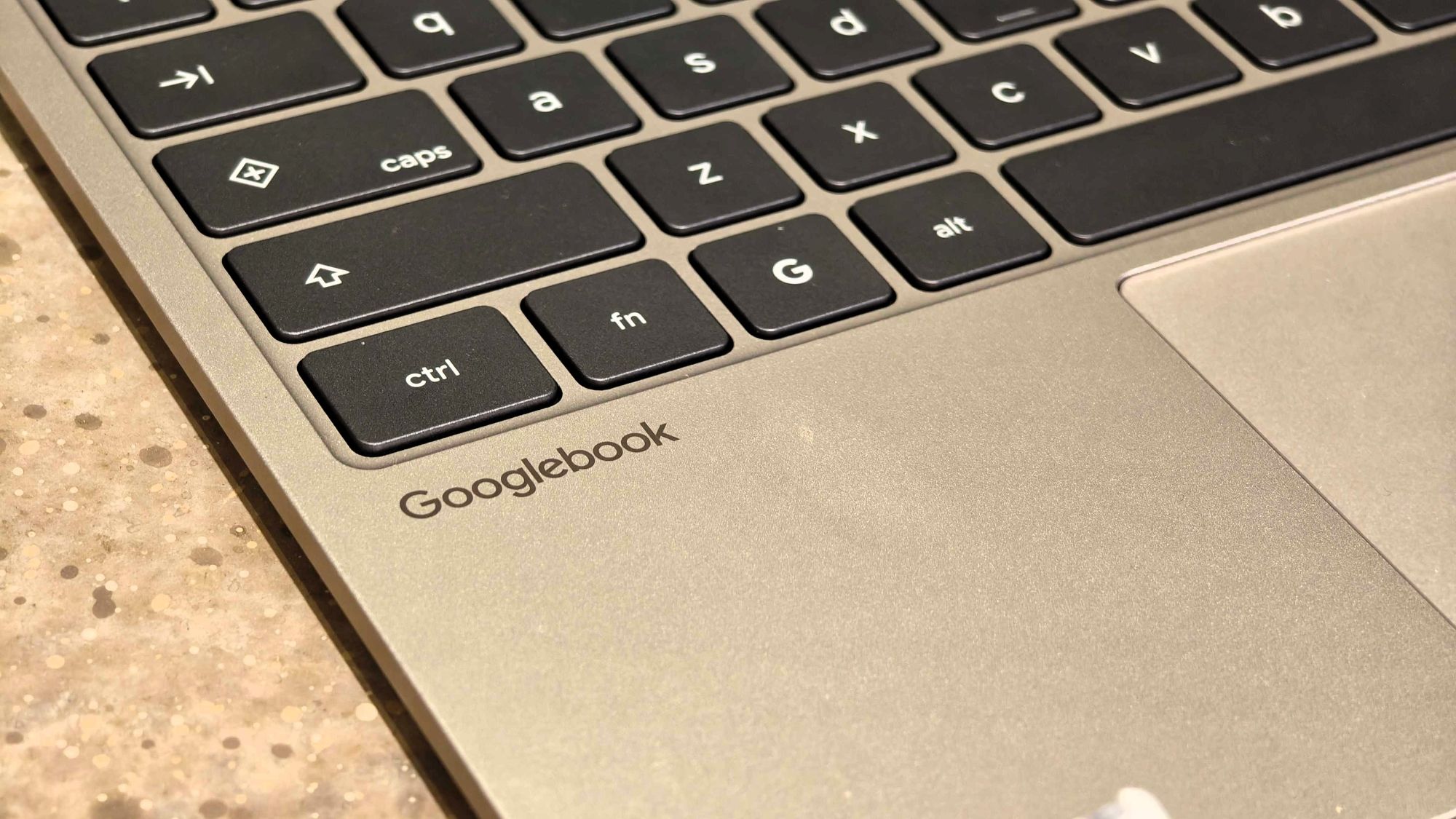
Beyond memory management, the November update tackles a broad spectrum of hardware and peripheral compatibility issues that have plagued convertible devices and multi-monitor setups. Users operating convertible 2-in-1 form factors frequently reported complete losses of physical keyboard and touchpad input when transitioning their devices between traditional laptop orientations and tablet modes. The new software patch resolves these sensor-polling failures, ensuring uninterrupted input continuity.
Furthermore, external display connectivity has received substantial attention. Prior to this patch, users attempting to stream Digital Rights Management (DRM)-protected content—such as subscription-based video services like Netflix—via external monitors were routinely greeted by frustrating black screens due to HDCP handshake failures. The November update corrects these output pathways, allowing seamless media playback on external screens. Audio professionals and enthusiasts will also welcome fixes for USB microphones and complex multichannel audio interfaces, alongside noticeable reductions in Bluetooth audio-video synchronization latency and vastly improved reconnection stability for wireless peripherals like mice and keyboards.
Enhancements for Linux Developers and Advanced Security
Recognizing the heavy adoption of Googlebook hardware among software developers and technical professionals, Google has dedicated a significant portion of the November patch notes to refining the integrated Linux Terminal beta environment. Previous iterations suffered from frustrating drop-outs and connection resets. The current update stabilizes shell sessions following system sleep cycles, optimizes Secure Shell (SSH) port forwarding, and refines multi-window management capabilities.
Additionally, a persistent memory leak that manifested when users closed terminal tabs has been fully eradicated. Crucially, Google has altered the underlying mechanics of Linux Virtual Machine (VM) updates; system updates are now markedly less destructive, successfully preserving precious user-allocated storage allocations and custom SSH configuration files that were previously vulnerable to being overwritten or wiped during routine system refreshes.
On the security front, the release incorporates the comprehensive Android security patch dated November 1, which neutralizes approximately 60 distinct vulnerabilities across the software stack. Concurrently, Google has upgraded the underlying Linux 6.18 kernel and refreshed the firmware for the Ti50 hardware security chip. These low-level firmware adjustments successfully resolve reports of unexpected system restarts, persistent boot loops, and erratic, high-RPM cooling fan behavior under low-load scenarios.
Deployment, Community Reception, and Initial Troubleshooting
The November update, designated by build number CL3B.260622.286.R2, is currently being distributed via a phased rollout mechanism. Users can manually check for and initiate the download by navigating to Settings > System > System Update.
Early community feedback gathered across developer forums and enthusiast platforms such as Reddit has been predominantly encouraging. Many users have cited noticeable improvements in thermal management, battery longevity, and overall interface fluidity. Nevertheless, as is common with major software deployments, a subset of users has flagged isolated secondary bugs—including sporadic glitches with the native Chrome spell-check engine and minor synchronization delays with incoming notifications immediately following a system wake from sleep mode. Google engineers are expected to address these minor telemetry issues in subsequent hotfix patches.
Broader Implications for the Future of AI-Driven Computing
The swift rollout and depth of the November update underscore the complex engineering challenges tech giants face as they aggressively transition consumer hardware toward deeply integrated, on-device artificial intelligence. By successfully reclaiming gigabytes of RAM without compromising AI feature availability, Google has established a crucial baseline for hardware efficiency. As the platform matures, these foundational memory and driver optimizations will likely serve as a blueprint for maintaining system stability and user trust in an increasingly AI-dependent hardware landscape.
Related posts: