Anycubic Launches Early Black Friday 3D Printer Sale With Record-Low Price on the Kobra X Multicolor FDM Machine

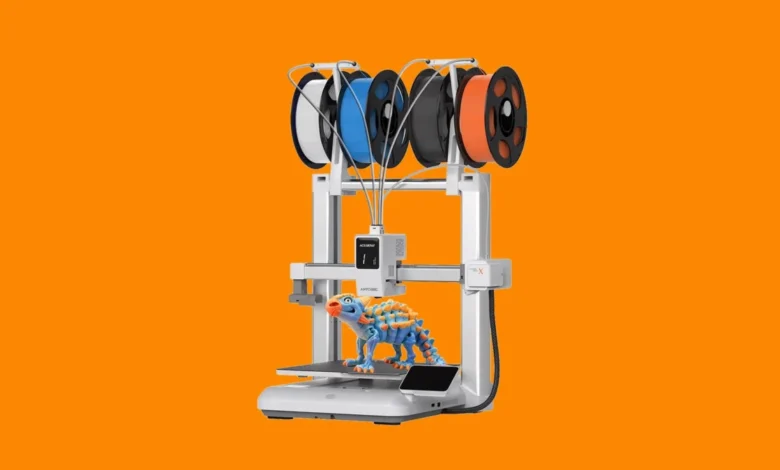
The consumer 3D printing market has officially entered its peak seasonal discount period as manufacturing giant Anycubic rolls out its comprehensive Black Friday promotional lineup. Headlining the early-bird discounts is a substantial price reduction on the Anycubic Kobra X, an advanced mid-range FDM (Fused Deposition Modeling) 3D printer that has quickly garnered attention from both hobbyists and emerging professional creators.
For a limited time, the Kobra X is available directly through the official Anycubic store for $299, marking a sharp $100 markdown from its standard retail price of $399. Industry analysts note that this promotional rate represents the lowest recorded price point for the device since its market introduction, signaling an aggressive push by manufacturers to capture market share ahead of the traditional holiday shopping rush.
The timing of Anycubic’s promotional rollout coincides with broader consumer electronics trends, where major hardware brands increasingly leverage early November sales windows to bypass supply chain bottlenecks and stimulate demand. Competitors in the desktop additive manufacturing space, including Bambu Lab, have similarly launched early holiday price cuts, offering up to 20 percent off select systems. This competitive landscape has driven down the cost of entry for sophisticated features—such as multi-color printing and automated calibration—that were previously restricted to expensive, enterprise-grade hardware.
Main Facts and Hardware Specifications
The Anycubic Kobra X occupies a strategic middle ground in the consumer additive manufacturing ecosystem. Unlike entry-level printers that typically feature restrictive build volumes and single-color extruders, the Kobra X is engineered to accommodate users looking for longevity and versatility in their equipment.
At its core, the FDM printer supports native four-color printing out of the box, with architectural expandability allowing users to scale up to 19 distinct filament colors or mixed-material configurations. This capability makes the device particularly attractive for creators producing detailed cosplay props, architectural prototypes, intricate table-top models, and vibrant decorative ornaments without requiring costly aftermarket modifications.
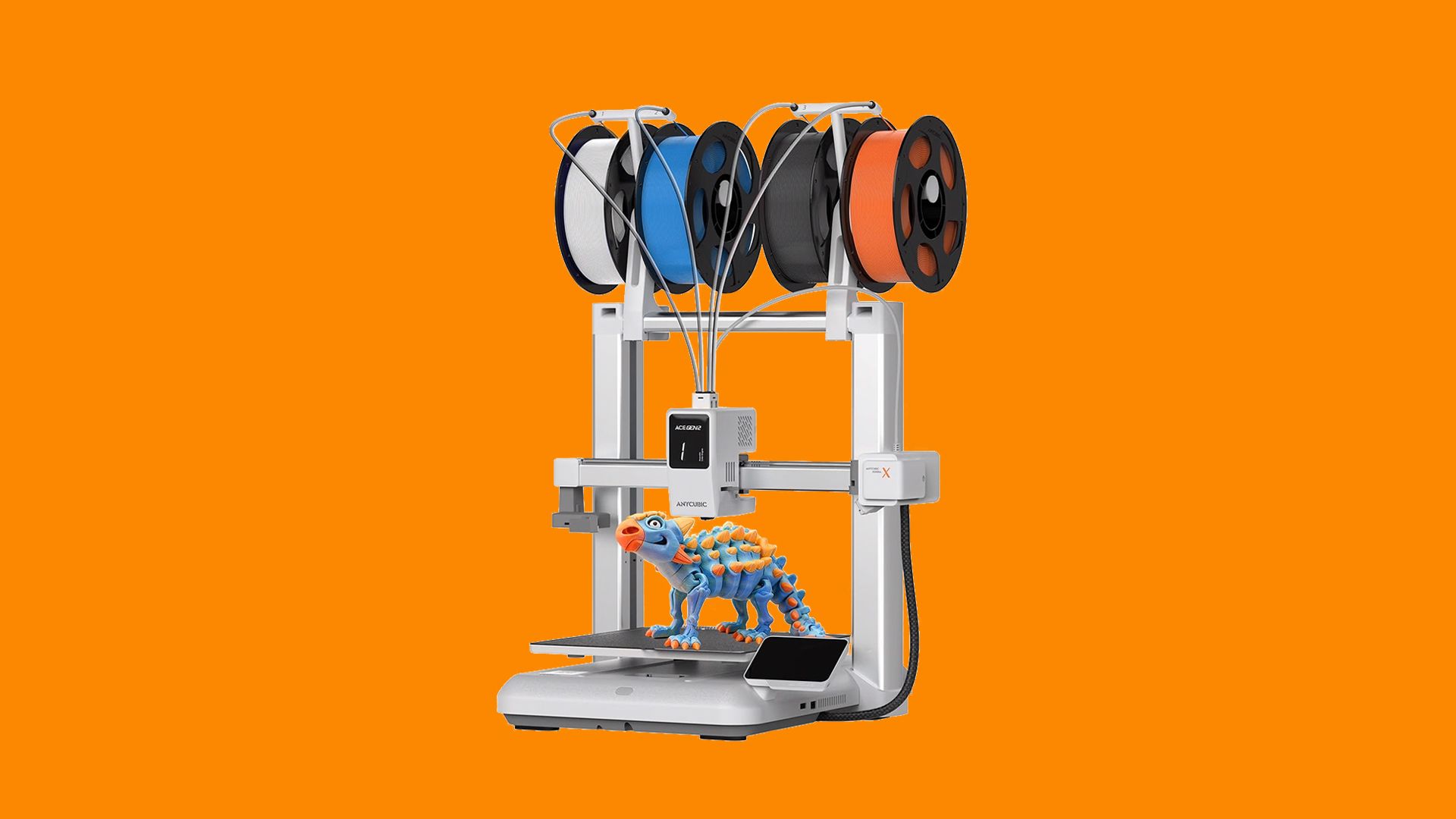
Key technical highlights of the Kobra X include:
- Build Volume: A significantly expanded print area compared to standard entry-level machines, reducing the frequency of multi-part glue-ups for larger projects.
- Automation Features: Integrated auto-leveling systems designed to eliminate manual first-layer calibration errors, a historically common pain point for novice operators.
- Smart Monitoring: Built-in artificial intelligence (AI) monitoring and companion smartphone application control, allowing users to track print progress remotely, pause jobs upon detecting anomalies, and minimize filament waste.
- Material Versatility: Capability to handle standard filaments like PLA and PETG, alongside more specialized mixed-material applications enabled by its multi-color extrusion architecture.
Chronology of the Consumer 3D Printing Market
The evolution of desktop 3D printing over the past decade has transformed the technology from a niche, developer-centric hobby into a mainstream consumer appliance category.
- Early 2010s: The expiration of foundational FDM patents sparked an explosion of open-source desktop 3D printers, characterized by kit-based assembly, manual bed leveling, and frequent maintenance requirements.
- Late 2010s to 2020: Manufacturers shifted toward pre-assembled, plug-and-play designs. Prices dropped significantly, though multi-color printing remained complex, typically requiring manual filament swaps or expensive multi-extruder setups.
- 2022–2023: The introduction of high-speed kinematics (CoreXY architectures) and automated multi-material filament hubs revolutionized the industry. Print speeds doubled, and reliable multi-color printing became accessible to consumers.
- 2024: Companies began refining these technologies for the mid-range and budget segments. Devices like the Anycubic Kobra X bridged the gap between high-end professional workstations and affordable beginner hardware, offering smart monitoring and automated calibration as standard expectations rather than luxury add-ons.
- Current Period (November 2024): Holiday promotional campaigns see manufacturers slashing prices on these advanced feature sets, accelerating adoption rates among first-time buyers who might otherwise have settled for basic, single-color entry-level machines.
FDM Versus Resin: Choosing the Right Technology
For consumers evaluating holiday hardware deals, industry experts consistently emphasize the fundamental operational differences between the two primary consumer 3D printing modalities: FDM and resin (SLA/MSLA).
For the vast majority of beginners, educators, and functional makers, FDM printers like the Kobra X remain the recommended starting point. FDM technology utilizes thermoplastic filaments melted and extruded through a precision nozzle layer by layer. The process is characterized by lower operational costs, straightforward material handling, minimal post-processing cleanup, and significantly larger build volumes per dollar spent. Furthermore, FDM materials are generally non-toxic and require minimal personal protective equipment compared to liquid photopolymer resins.
Conversely, resin printing remains the specialized choice for users whose primary objective is the production of ultra-detailed miniatures, such as tabletop gaming figurines or microscopic jewelry components. Resin systems cure liquid photopolymer using ultraviolet light, achieving microscopic layer resolutions that FDM thermal extrusion cannot match. However, resin printing involves higher ongoing costs, stringent ventilation requirements, hazardous chemical disposal protocols, and intensive post-processing involving isopropyl alcohol washing and UV curing stations.
By positioning the Kobra X as an FDM platform, Anycubic targets the segment of the market seeking safety, ease of use, and practical functionality over microscopic detail.
Strategic Implications and Market Analysis
The introduction of the $299 price point for a feature-rich, multi-color capable machine carries several implications for the broader additive manufacturing market.
First, it reflects a maturation in consumer expectations. Modern buyers are increasingly unwilling to compromise on foundational automation features. Manual bed leveling and monochrome printing are rapidly becoming obsolete even at the entry-to-mid-tier level. Manufacturers must incorporate AI monitoring, mobile app connectivity, and scalable multi-color options simply to remain competitive.
Second, the pricing strategy addresses the long-standing industry dilemma of user attrition. Historically, many consumers purchased ultra-cheap, stripped-down 3D printers, only to abandon the hobby within months due to the frustration of calibration errors, failed prints, and hardware limitations. By offering a robust machine that bridges the gap between novice simplicity and advanced capability, brands hope to foster long-term engagement. Users are less likely to outgrow a system that offers expandable multi-color printing and generous build volumes, leading to sustained ecosystem loyalty through ongoing filament and accessory purchases.
Finally, the aggressive discounting during the Black Friday window sets a new benchmark for what consumers can expect from holiday tech deals. As supply chains stabilize and manufacturing efficiencies improve, high-end capabilities are steadily migrating down the pricing ladder. Whether this trend will force further price compressions across competing brands remains to be seen, but for prospective makers currently monitoring the market, the current promotional landscape offers an opportune window to invest in advanced fabrication hardware at historically low valuations.