Shure Expands Audio Horizons with the Launch of the MV360 and MV360+ Spatial Audio Microphones

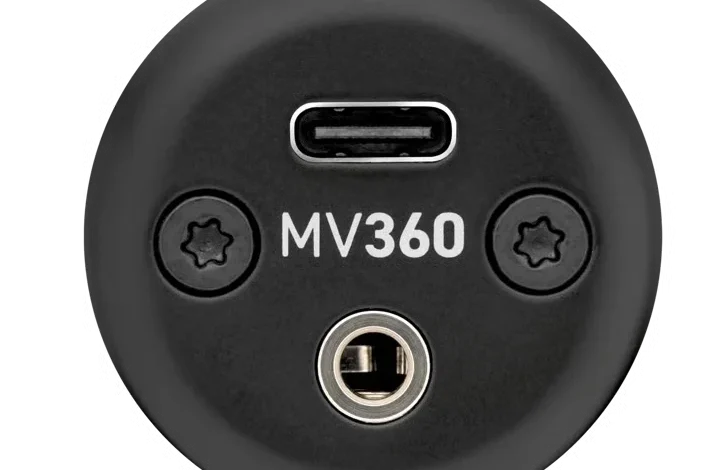
The professional audio landscape is undergoing a significant transformation as Shure, a global leader in microphone technology, officially announced the introduction of the MV360 Spatial Audio Microphone. Priced at US$349, the device is engineered to democratize immersive audio capture, providing creators at all skill levels with the tools to record in 360-degree spatial formats. Complementing this release, the company unveiled the MV360+ model, a more robust iteration featuring onboard 32-bit float recording and wireless control, slated for a market arrival in early 2027 with a retail price of US$449. This dual-product launch signals a strategic move by Shure to address the growing demand for spatial audio in content creation, ranging from social media storytelling to high-end virtual reality development.
Technical Foundations of the MV360 Series
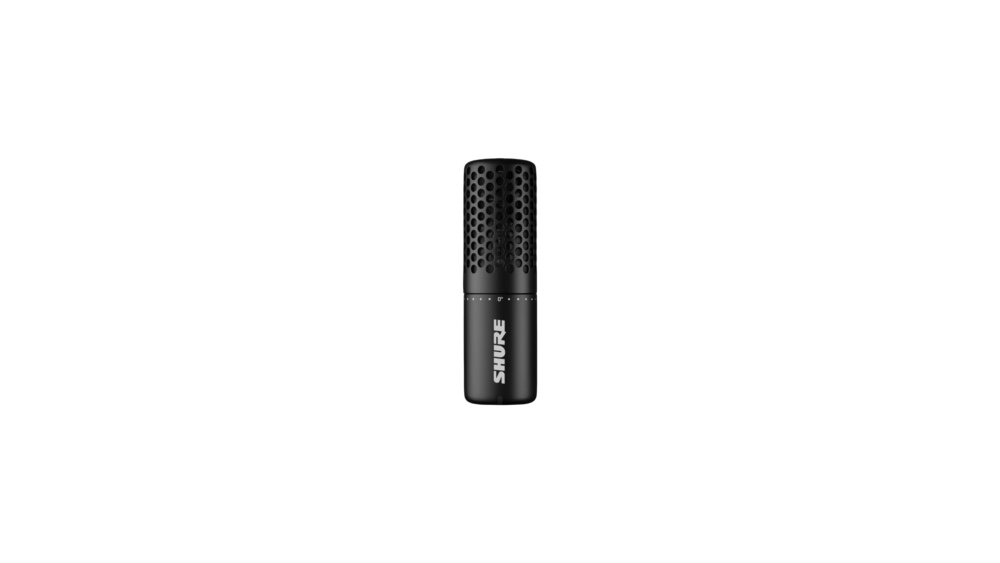
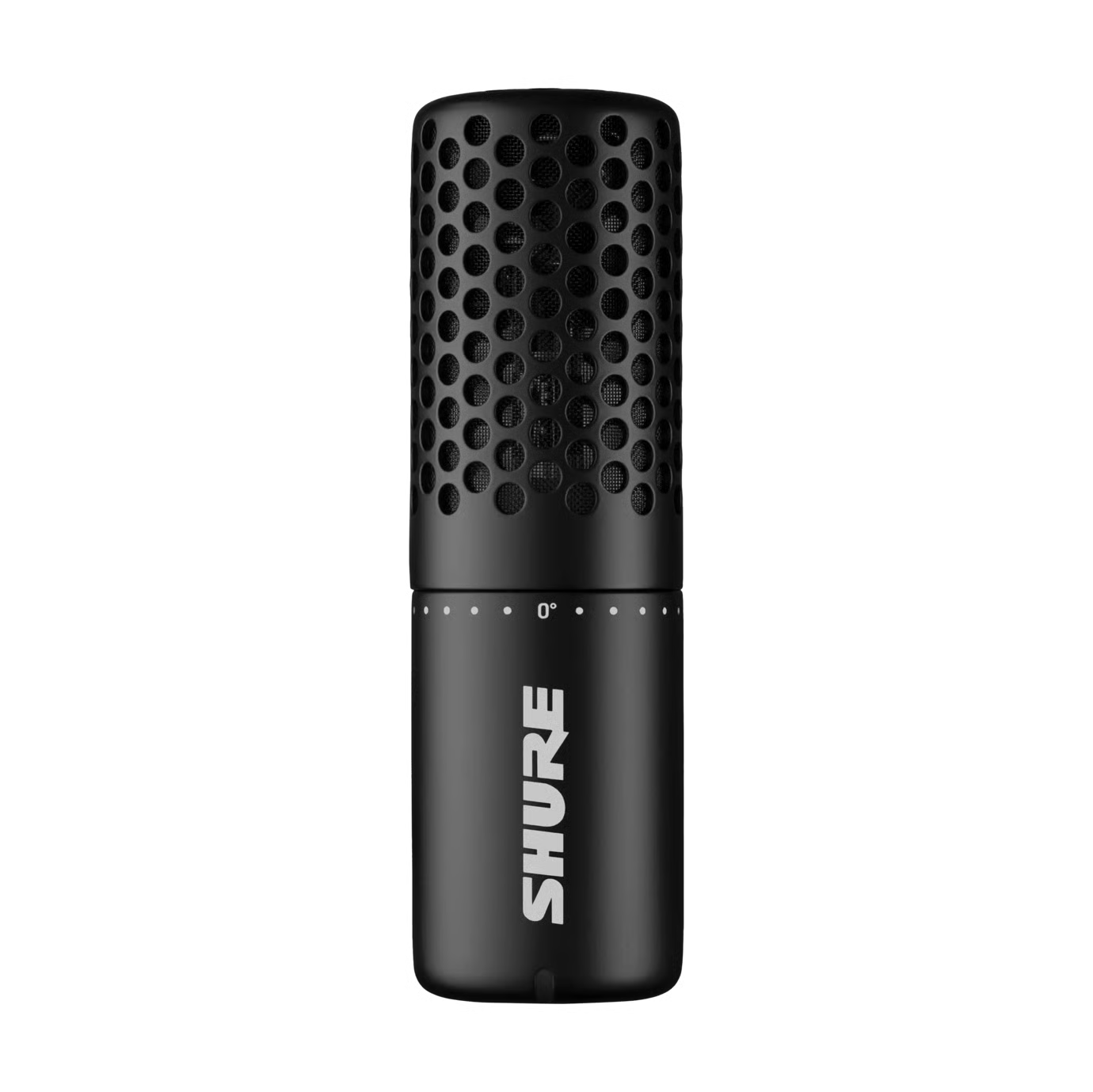
The core innovation within the MV360 line is a proprietary acoustic array designed to capture high-fidelity, full-bandwidth audio in every direction. At its technical ceiling, the hardware supports recording at 32-bit float/96 kHz, ensuring that dynamic range is preserved even in unpredictable recording environments. The device is housed in a durable, all-metal chassis, balancing portability with the mechanical rigidity required for professional field use.
The microphone offers four distinct, ready-to-use capture modes: immersive binaural, standard stereo, mono, and auto-tracking. These presets are designed to simplify complex audio workflows by providing a "plug-and-play" experience for mobile devices and computers via a USB-C interface. By processing these modes directly within the hardware, Shure enables creators to produce ready-to-publish files for platforms like YouTube, TikTok, or podcasting networks without the necessity of extensive post-production editing.
Advanced Spatial Workflow and Ambisonic Integration
For professionals operating in the realms of VR, augmented reality (AR), and cinematic surround sound, the MV360 provides a dedicated 360-degree spatial audio mode. In this configuration, the microphone captures the sound field in Ambisonic B-format (Ambix). This format is the industry standard for spatial audio, as it allows sound designers to manipulate the audio in a three-dimensional space after the fact.
Users can interface with these files through the Shure MOTIV software suite or the Virtual Mic Editor plugin. This software ecosystem allows for the virtual positioning and steering of microphones within the recorded sound field, enabling a single recording to be mixed down into mono, stereo, binaural, 5.1, or complex 7.1.4 configurations. This flexibility is essential for modern immersive projects, such as Dolby Atmos mixing or spatial audio for gaming environments, where the listener’s perspective must shift dynamically with their movement.
The Evolution Toward the MV360+
The upcoming MV360+ model addresses the specific needs of field recordists and videographers who operate independently of a direct USB-C connection to a workstation. By integrating a microSD card slot for internal 32-bit float recording, the MV360+ functions as a standalone field recorder. This capability is critical for "plant" microphone setups, where the device must be placed in a remote location to capture ambient sound or dialogue without being tethered to a camera or laptop.
One of the most notable features of the MV360+ is its wireless control functionality. Creators can manage the microphone’s settings, start and stop recordings, and monitor signal levels via a mobile application from up to 30 meters (approximately 100 feet) away. This wireless architecture allows for seamless synchronization with mirrorless cameras and action cameras, providing a level of agility that was previously reserved for significantly more expensive, multi-unit professional field rigs.
Industry Context and Market Implications
Shure’s entry into the accessible spatial audio market comes at a time when the "sense of presence" has become a competitive differentiator in digital media. Eduardo Valdes, Associate Vice President of Global Marketing and Product Management at Shure, noted that while the desire for immersive audio is widespread, the technical barriers—such as the requirement for specialized gear and intensive post-production—have traditionally limited its use to high-budget productions. The MV360 series aims to lower these barriers, effectively allowing a podcaster or a travel vlogger to capture the same spatial depth as a professional sound engineer.
The move also reflects a broader industry trend toward the "democratization of pro-audio." Over the past decade, Shure has successfully transitioned from a legacy stage-and-studio brand to a versatile provider of mobile-first recording solutions, as evidenced by the success of its MOTIV product line. By integrating sophisticated DSP (Digital Signal Processing) directly into the microphone hardware, Shure is offloading the computational burden from the host device, ensuring consistent quality regardless of the user’s smartphone or laptop specifications.
Operational Nuances and Performance Analysis
During the early evaluation phase, several critical technical details emerged regarding the microphone’s performance. Shure has confirmed that latency—a common pain point in digital audio monitoring—is effectively non-existent in the hardware’s internal monitoring path. The device features a 3.5mm headphone jack that allows for real-time, zero-latency monitoring of the audio stream.
Furthermore, the microphone handles signal processing, including EQ, compression, limiting, and denoising, within the hardware itself. This "on-the-fly" processing ensures that the audio signal is optimized before it even reaches the recording software, reducing the likelihood of clipping or distortion. The dual-volume sliders for live and playback monitoring provide a granular level of control, allowing users to balance their own voice against background ambiance or return audio from a computer application.
Regarding the power requirements and gain staging, Shure has indicated that the sensitivity varies across the different capture modes, a feature that will be further refined in upcoming software updates. The inclusion of a comprehensive accessory kit—including a tripod, cold shoe mount, and various cables—suggests that Shure is positioning these units as "all-in-one" solutions rather than just components.
Looking Ahead: The 2027 Roadmap
The timeline for the MV360+ reflects a calculated rollout strategy. By announcing the product well in advance of its 2027 release, Shure is likely aiming to gauge community feedback and refine the software ecosystem, particularly the wireless control interface and the integration with third-party VR editing suites.
For creators, the implications of this technology are profound. As spatial audio becomes standard in mobile operating systems and streaming platforms, the ability to record in these formats will transition from a "niche" skill to a "baseline" expectation. Shure’s investment in the MV360 series suggests a long-term belief that the future of content is not just visual, but inherently spatial.
The market will be watching closely as the MV360 hits the hands of early adopters. If the hardware can consistently deliver high-quality, reliable spatial files without the need for a complex studio setup, it could catalyze a significant shift in how independent creators approach sound design. For now, the MV360 stands as a bridge between the traditional, hardware-heavy world of professional location sound and the agile, app-driven future of modern content creation. Whether for an ASMR creator looking to provide a more intimate listener experience or a filmmaker aiming to create a more realistic soundstage for their next project, the technology provides a scalable path forward.