The Comprehensive Guide to DaVinci Resolve 21 and the Evolution of Professional Post-Production Documentation

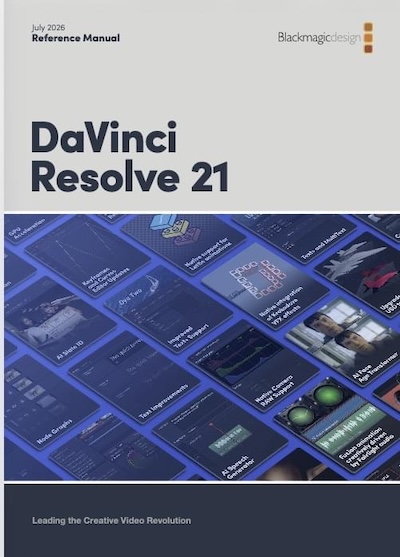
Blackmagic Design has officially released the comprehensive reference manual for DaVinci Resolve 21, a massive 4,443-page document that serves as the definitive technical resource for the latest iteration of its industry-standard post-production software. This release follows the recent rollout of DaVinci Resolve 21, which introduced significant architectural changes, including a dedicated Photo page, enhanced artificial intelligence tools powered by the DaVinci Neural Engine, and a synchronized update for the iPad version of the application. The sheer volume of the manual—technically 4,444 pages including the back cover—highlights the increasing complexity of modern non-linear editing (NLE) environments and Blackmagic Design’s continued commitment to providing exhaustive, centralized documentation in an era where many software developers have transitioned to fragmented, web-based support modules.
The Scale of Modern Post-Production Software
The release of a 4,443-page manual is a significant event within the post-production industry, reflecting the multifaceted nature of DaVinci Resolve. What began as a high-end color grading system has evolved into a comprehensive "all-in-one" solution encompassing professional editing, motion graphics (Fusion), audio post-production (Fairlight), and media management. Each of these modules requires specialized knowledge, and the manual’s expansion mirrors the software’s growth.
Industry analysts note that Blackmagic Design’s approach to documentation is increasingly rare. While competitors like Adobe and Apple provide extensive online help databases and video tutorials, the "Reference Manual" remains a singular, searchable PDF that users can download and reference offline. This format is particularly valued by high-end colorists and editors working in air-gapped facilities or secure studio environments where constant internet access is restricted for security reasons.
Technical Highlights of DaVinci Resolve 21
The release of the manual coincides with the full production version of DaVinci Resolve 21. This version is notable for its deep integration of AI-driven features. The DaVinci Neural Engine now powers tools such as the "IntelliTrack" AI point tracker for automated tracking and stabilization, and the "Music Remastering" tool, which allows Fairlight users to isolate or remove vocals, drums, and other instruments from a mixed audio track.
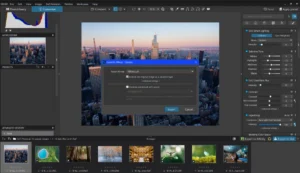
Furthermore, the addition of the "Photo" page represents a strategic expansion for the software. Traditionally focused on moving images, Resolve now offers dedicated workflows for digital photography, allowing users to apply Resolve’s world-class color science to still images. This bridge between the worlds of cinematography and photography necessitated an entirely new section in the reference manual, detailing the nuances of RAW photo processing and non-destructive editing within the Resolve ecosystem.
A Chronology of Documentation and Development
To understand the magnitude of the version 21 manual, one must look at the trajectory of DaVinci Resolve’s development over the last decade:
- DaVinci Resolve 12 (2015): This version marked the transition of Resolve from a color grading tool to a viable NLE. The manual grew significantly as editing features were prioritized.
- DaVinci Resolve 14 (2017): The integration of Fairlight audio brought a massive influx of technical documentation regarding digital audio workstations (DAW) and mixing.
- DaVinci Resolve 15 (2018): Fusion was integrated directly into the software, adding hundreds of pages related to 3D compositing, particle systems, and node-based visual effects.
- DaVinci Resolve 17 & 18 (2020-2022): These versions focused on cloud collaboration and the DaVinci Neural Engine, introducing AI-assisted masking and object removal.
- DaVinci Resolve 21 (2024): The current release sees the manual surpassing the 4,400-page mark, incorporating the new Photo page and advanced AI tracking workflows.
In addition to the main reference manual, Blackmagic Design also released a 150-page "New Features Guide." This document serves as a bridge for veteran users who are already familiar with the core software but need to master the specific changes introduced in the latest update without parsing the entire 4,443-page tome.

The Role of Artificial Intelligence in Navigating Large-Scale Data
The emergence of such a massive document has led to a shift in how professionals interact with technical data. While the manual is meticulously organized with a detailed table of contents and internal hyperlinking, the sheer volume of text makes traditional reading impractical for many.
Technologists have begun utilizing Large Language Models (LLMs) to parse these documents. Tools such as Google’s NotebookLM (formerly Gemini Notebook) allow users to upload the 4,443-page PDF and use it as a grounded data source for specific queries. This allows an editor to ask, "How do I configure the new IntelliTrack for a moving subject in the Color page?" and receive a cited answer derived directly from the official documentation.
However, industry veterans argue that AI search is not a complete substitute for manual browsing. The table of contents in the Resolve 21 manual serves as a roadmap for discovery; by scanning the sections, users often encounter features or workflows they were previously unaware of—a phenomenon of "accidental learning" that targeted AI prompting often bypasses.
Limitations of Documentation in Rapidly Evolving Software
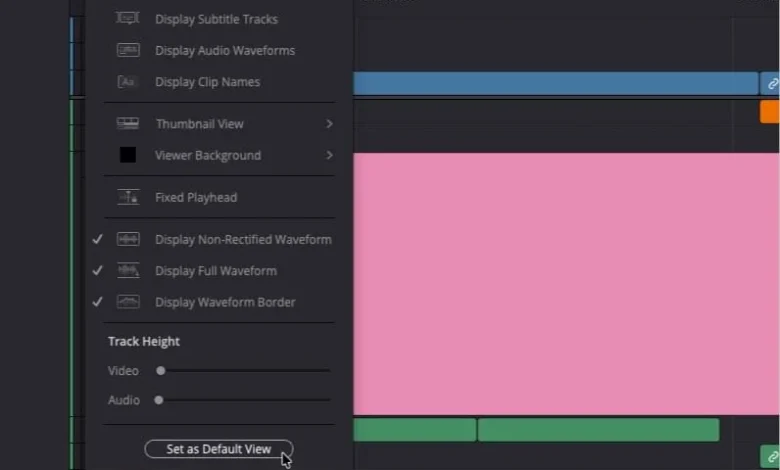
Despite the exhaustive nature of the 4,443-page document, the complexity of DaVinci Resolve means that certain granular details can still be overlooked. A notable example within the community involves the "Set as Default View" button located in the timeline view options menu. Despite the manual’s size, specific documentation on how this button interacts with custom track heights, waveform displays, and thumbnail presets has been noted as sparse or missing in the initial release.
This highlights a fundamental challenge for technical writers at Blackmagic Design: software development often moves at a pace that outstrips the ability to document every edge case. When a piece of software reaches the level of sophistication found in Resolve 21, the documentation becomes a living entity that requires constant refinement through subsequent point releases (e.g., 21.0.1, 21.1).
Industry Implications and User Training
The release of the DaVinci Resolve 21 manual has broader implications for the global post-production workforce. Blackmagic Design has historically democratized high-end tools by offering a free version of Resolve and affordable hardware. By providing the manual for free, they also democratize the education required to use those tools.
Educational institutions and certification programs rely on these manuals to build their curricula. The depth of the Resolve 21 manual ensures that students have access to the same technical specifications as professional colorists at major Hollywood studios. Furthermore, the manual serves as a safeguard against the "tribal knowledge" often found in software forums, providing a single source of truth for troubleshooting complex issues like color space transform (CST) math or Dolby Vision metadata delivery.
Official Responses and Accessibility
Blackmagic Design encourages users to access the manual through the Blackmagic Support Center. It is listed under the "Latest Support Notes" column, alongside the New Features Guide and the latest software installers. For users currently inside the application, the manual is also accessible via the "Help" menu, under "DaVinci Resolve Reference Manual."
The company has traditionally maintained a high standard for its technical writing, utilizing clear diagrams, screenshots, and step-by-step instructions. This clarity is essential for a global user base that includes both native and non-native English speakers. While the primary manual is in English, the visual nature of the documentation—featuring hundreds of UI callouts—makes it accessible to a wide range of professionals.
Conclusion: The Manual as a Testament to Professionalism
The 4,443-page DaVinci Resolve 21 manual is more than just a help file; it is a testament to the sophistication of modern filmmaking technology. It represents the culmination of decades of engineering in color science, audio processing, and visual effects. For the professional editor or colorist, the manual stands as an essential companion, ensuring that the power of the software can be fully harnessed to meet the rigorous demands of modern cinema, television, and social media production.
As software continues to integrate more AI and automated features, the need for comprehensive documentation only grows. Blackmagic Design’s decision to maintain and expand this mammoth reference guide ensures that the user remains in control of the technology, rather than the other way around. Whether navigated through traditional reading or parsed by the latest AI tools, the DaVinci Resolve 21 manual remains the cornerstone of the Resolve ecosystem.