Final Cut Pro 13 Marks a Monumental Shift with Full MotionVFX Integration and the Launch of Apple Creator Studio

The release of Final Cut Pro 13 represents one of the most significant architectural and functional updates in the history of Apple’s professional video editing suite. This update serves as the primary vehicle for the integration of MotionVFX, the high-end visual effects and motion graphics powerhouse that Apple officially acquired in March of this year. By bringing the entire MotionVFX catalog directly into the editing environment, Apple has fundamentally altered the workflow for post-production professionals, effectively bridging the gap between non-linear editing and advanced compositing. This integration is a cornerstone feature of the newly launched Apple Creator Studio, a subscription-based service model priced at $129 per year, which unifies a suite of creative professional applications under a single ecosystem umbrella.
A Strategic Acquisition and Integration Timeline
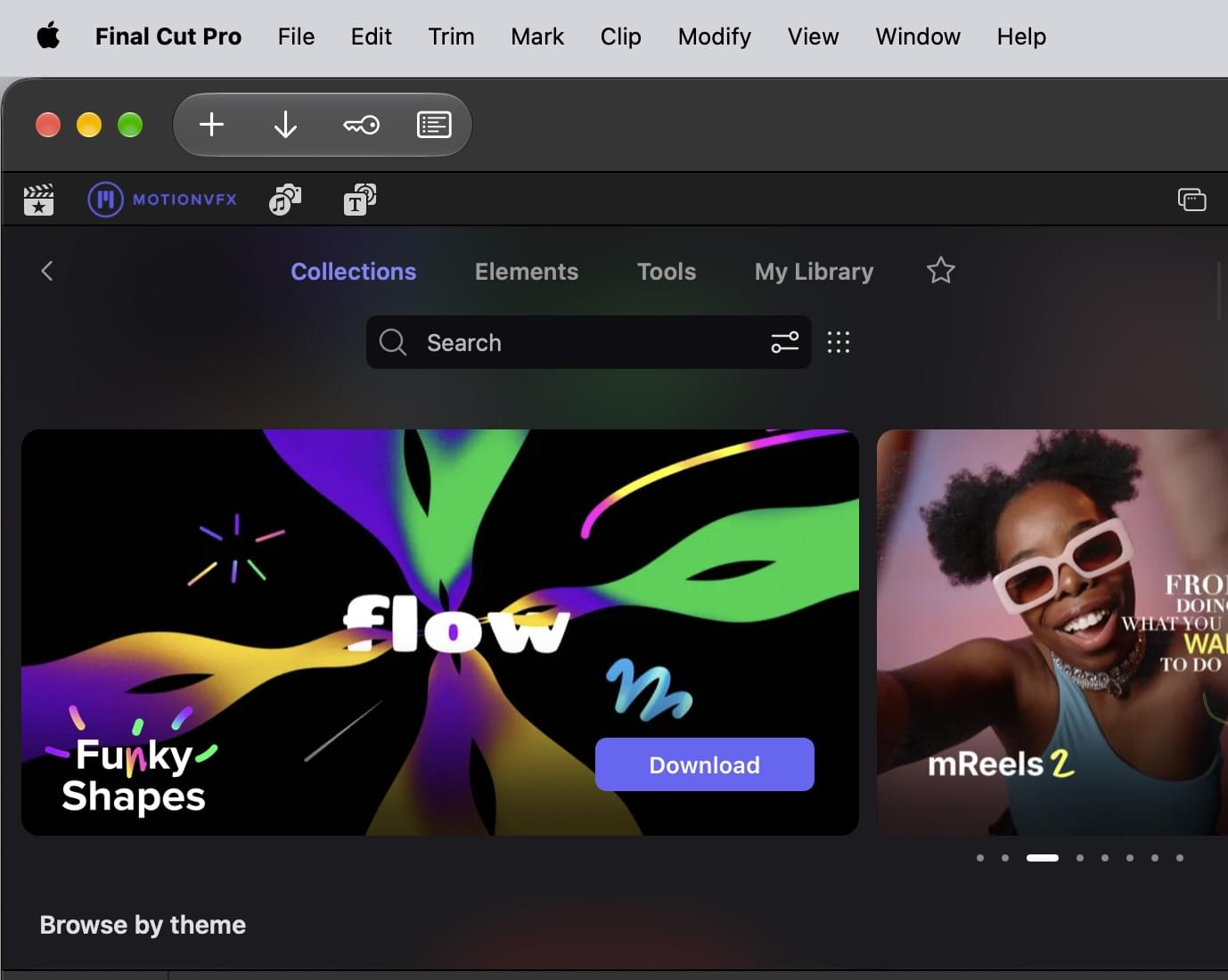
The acquisition of MotionVFX in March 2026 caught much of the industry off-guard, largely because the company had spent the previous several years diversifying its software support to include competing platforms. However, MotionVFX had long been considered the de facto standard for Final Cut Pro plugins, with its Elements and tools library serving as the backbone for countless professional editors.
The timeline from acquisition to implementation has been remarkably rapid by industry standards. Following the March announcement, speculation mounted regarding how Apple would reconcile a third-party plugin developer’s business model with its own software ecosystem. By November 2026, the strategy became clear: rather than maintaining MotionVFX as a standalone marketplace, Apple has deeply embedded the library into the core functionality of its professional applications. This move mirrors Apple’s historical preference for vertical integration, ensuring that users have access to high-fidelity assets without needing to manage third-party installers or license keys.

The Anatomy of the MotionVFX Integration
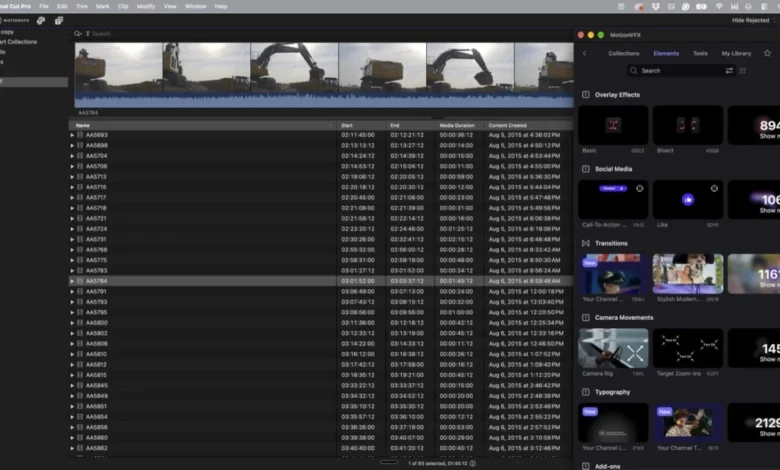
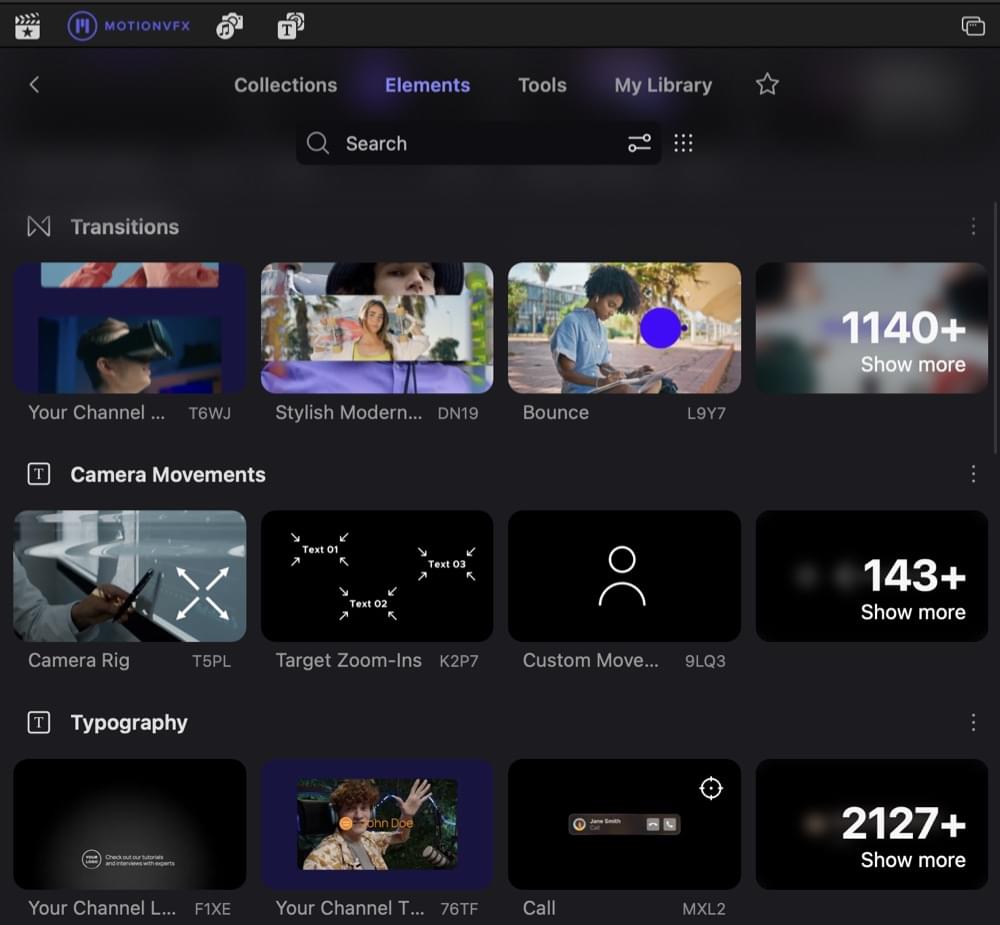
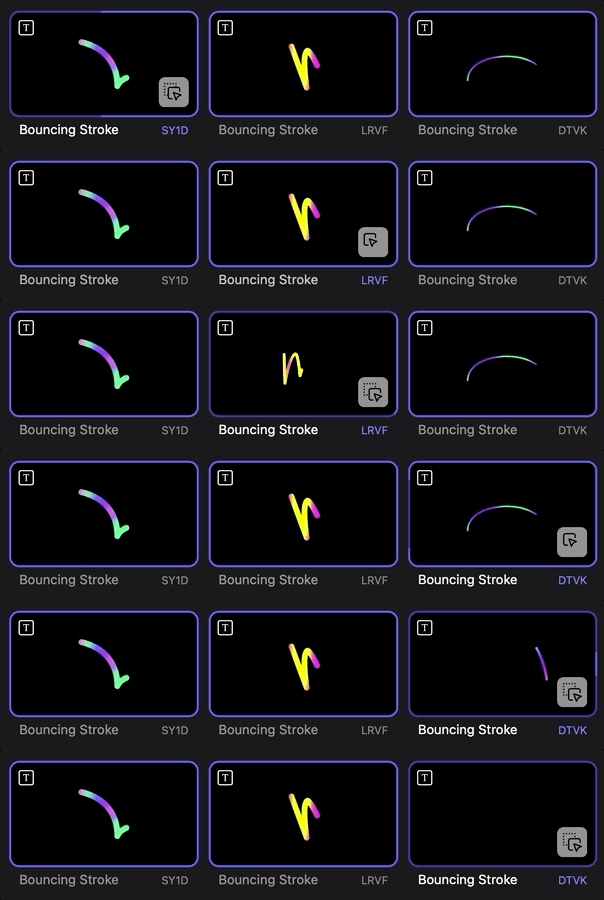
The implementation of MotionVFX within Final Cut Pro 13 is far more than a simple asset library; it is a re-engineering of the browser interface. The new MotionVFX browser is structured into four primary categories: Elements, Tools, Collections, and the user’s personal library.
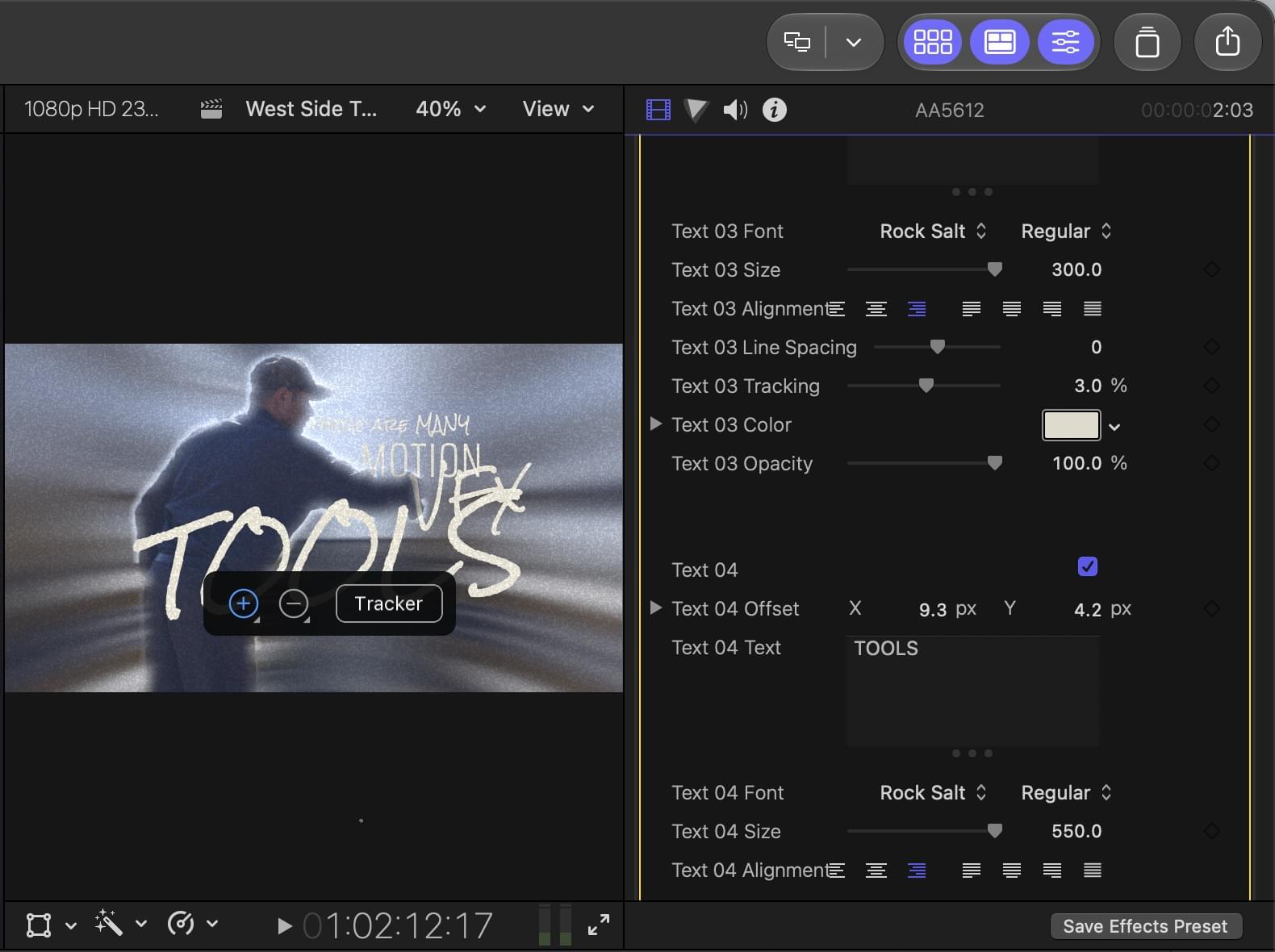
The "Tools" tab represents the most significant technical leap, introducing capabilities that previously required external software or complex manual workarounds. Editors can now access professional-grade 3D tracking, advanced rotoscoping, and a sophisticated puppet tool directly within the Final Cut timeline. These features rely on sophisticated on-device processing, leveraging the power of Apple Silicon to handle high-density data without impacting playback performance.
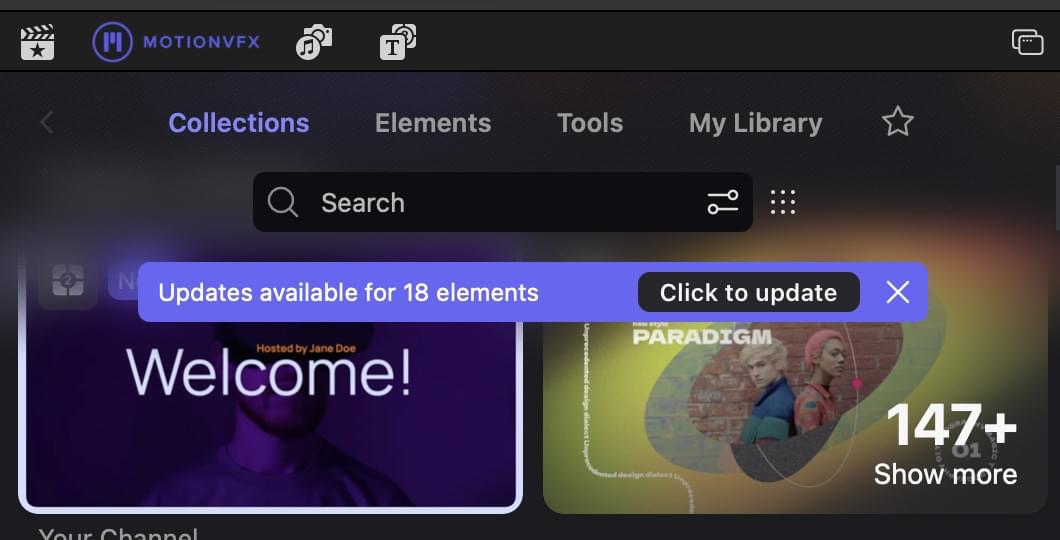
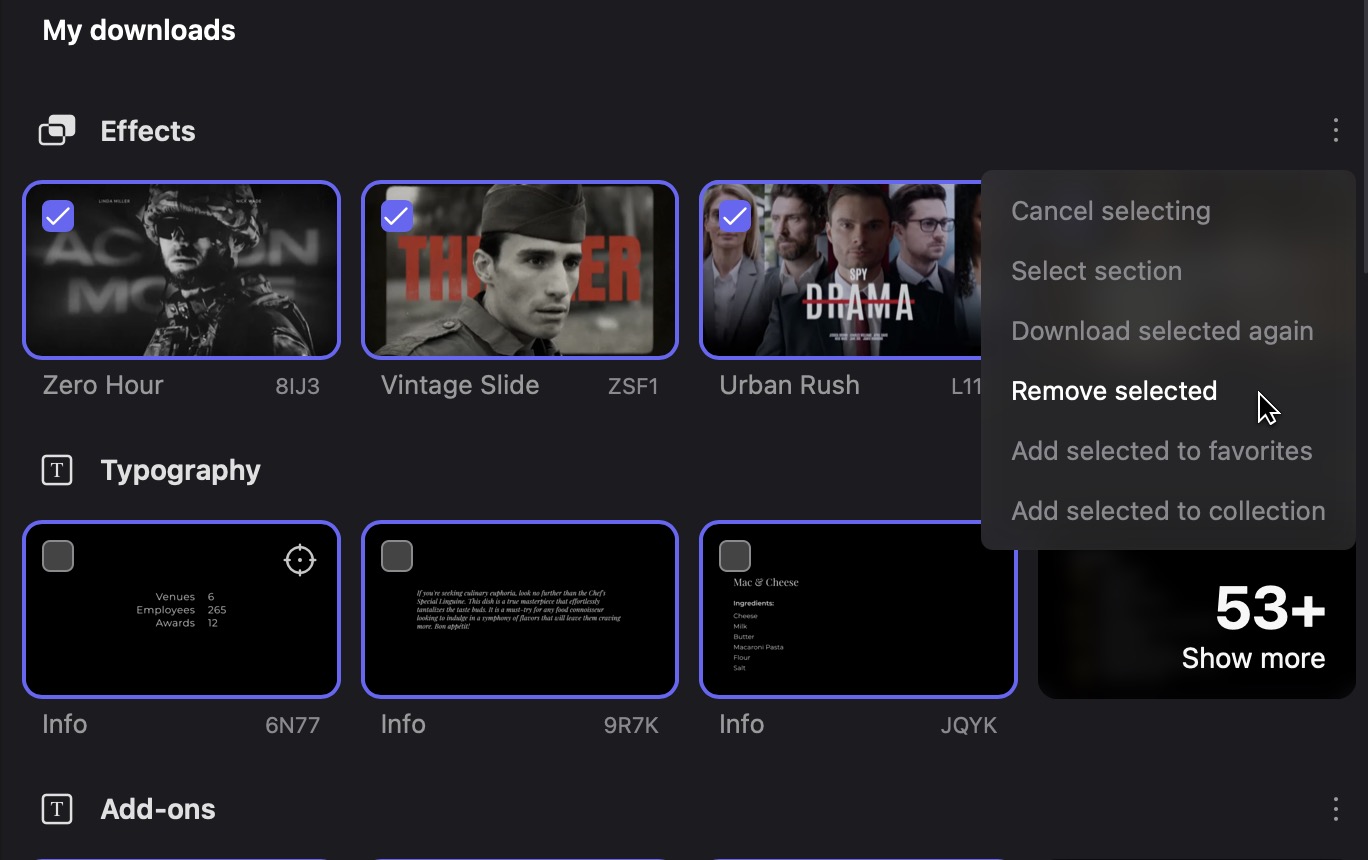
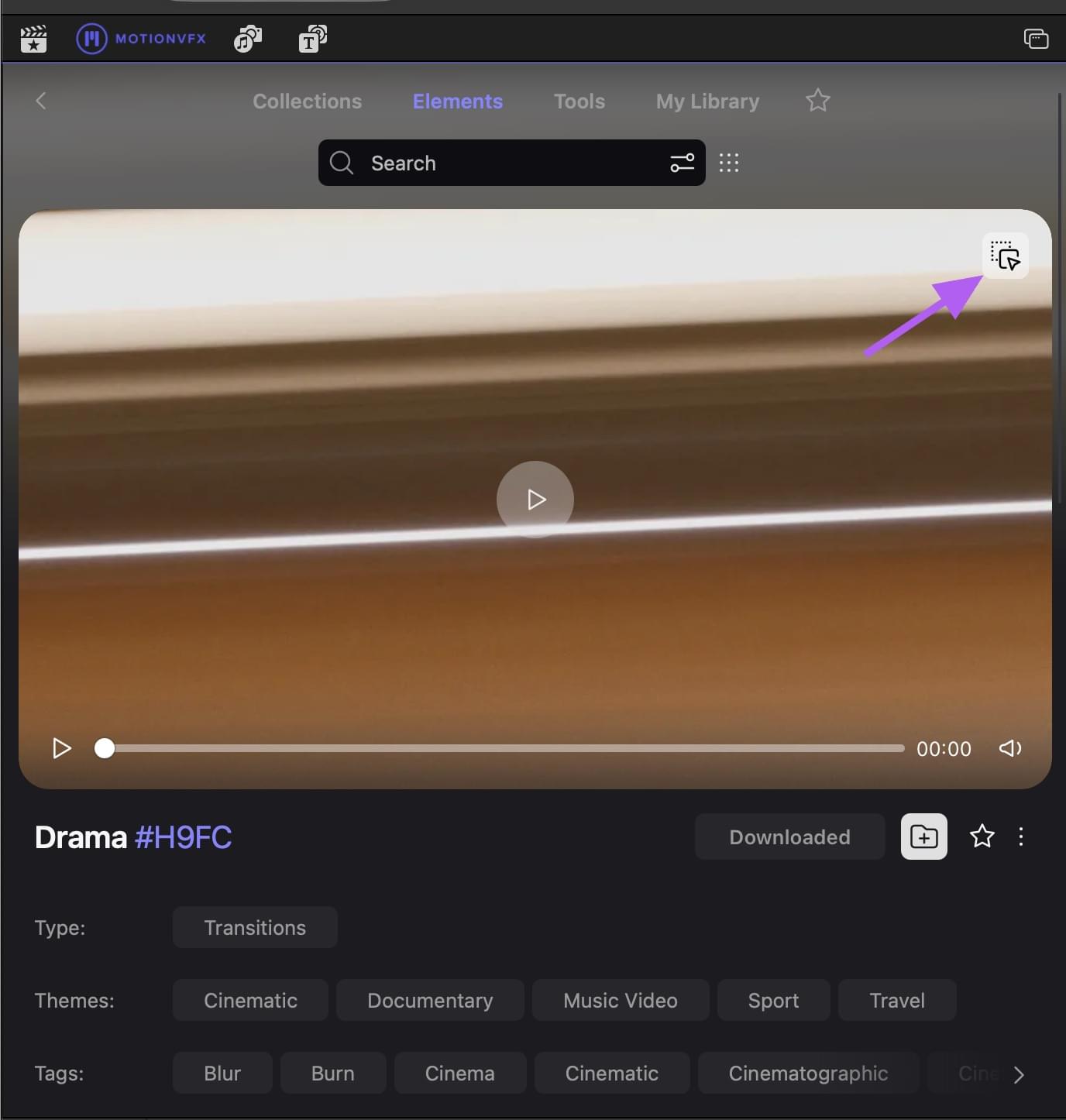
Data management has also been addressed to prevent bloat. Recognizing that the MotionVFX catalog contains thousands of high-resolution assets, Apple has implemented an on-demand download system. Users can preview elements—including video and audio clips—by simply hovering over thumbnails. Once an asset is utilized, it is marked as "Downloaded," and users can purge these files via a streamlined menu to manage storage space on their local machines. This modular approach ensures that the application remains lightweight while providing massive creative flexibility.
Apple Creator Studio: A New Paradigm for Creative Software
The release of Final Cut Pro 13 is inextricably linked to the launch of Apple Creator Studio. While long-time users of Final Cut Pro may express frustration that the MotionVFX integration is not included in the standalone version of the software, the pricing strategy suggests a transition toward a service-oriented model. At $129 per year, the subscription is positioned as a high-value alternative to the individual licensing costs that users previously paid for MotionVFX’s monthly or per-item catalog.
The implications for the creative industry are profound. By bundling these tools, Apple is attempting to solidify its position against competitors like Adobe Creative Cloud and Blackmagic Design’s DaVinci Resolve. The studio suite also includes substantial updates to Logic Pro, Pixelmator Pro, and the iWork suite, all of which now feature AI-driven enhancements designed to accelerate production workflows.
Logic Pro and AI-Assisted Music Production
Logic Pro for Mac and iPad has undergone a comprehensive visual redesign, adopting a "Liquid Glass" aesthetic that emphasizes high contrast and dark-mode optimization. Beyond the interface, the software now features a "Unified Browser" powered by on-device intelligence. This system classifies sounds automatically, allowing for natural language queries such as "atmospheric pad" or "lo-fi kick."
Perhaps most notable is the introduction of an Intelligent Assistant in beta. Developed in collaboration with OpenAI, this assistant acts as an on-demand consultant for music producers, capable of setting up vocal chains, initiating projects from creative prompts, or providing technical troubleshooting. Additionally, the "Stem Splitter" feature—which previously allowed for the isolation of vocals and bass—has been upgraded to decompose drum tracks into individual components like kicks, snares, and hi-hats, offering a level of surgical control that was once the domain of specialized audio engineering software.
Pixelmator Pro and the Expanding AI Toolkit
Pixelmator Pro has introduced "Generate Fill," an AI-driven image manipulation tool that matches lighting, texture, and perspective to the source image. This is particularly relevant for video editors, as it enables a round-trip workflow: an editor can move a frame from a Final Cut Pro timeline into Pixelmator Pro, perform complex generative edits, and return the asset to the timeline seamlessly. This level of interoperability is a significant competitive advantage, reducing the need for constant file exporting and re-importing.
Broader Implications for Hardware and Input
A recurring theme in the release of Final Cut Pro 13 is the adaptation to modern hardware, specifically the new MacBook Pro with the ProLED XDR display. While the current update ensures that all features are functional on touchscreen-enabled devices, the software is not yet fully optimized for touch-specific gestures.
While basic interactions like pinching the timeline for zooming are supported, the professional community remains waiting for a more granular, touch-optimized interface that would allow for precise color grading or audio waveform manipulation via direct interaction. Apple’s decision to prioritize mouse-and-keyboard reliability suggests a cautious approach to touch, focusing first on stability before expanding into gesture-based editing. However, the presence of these advanced tools on devices with touch capabilities points toward a future where the distinction between desktop and tablet editing may disappear entirely.
Market Response and Future Outlook
Industry analysts have noted that the integration of MotionVFX and the expansion of the Apple Creator Studio signal a pivot in Apple’s creative software strategy. By focusing on "Intelligence Usage Packs"—whereby advanced AI features are monitored and potentially metered—Apple is creating a scalable revenue model that can grow alongside the increasing computational demands of professional content creators.
The response from the editorial community has been largely positive regarding the efficiency gains, though some pushback is expected from long-time users who prefer the traditional, perpetual-license software model. The transition to a subscription-based studio model is a bold move, but one that provides Apple with the resources to continuously update the software with state-of-the-art tools.
As the industry continues to evolve, the success of Final Cut Pro 13 will likely be measured by how quickly editors adopt the new tools into their standard workflows. If the initial reception is any indication, the combination of high-end motion graphics, intelligent audio processing, and AI-driven image editing makes this one of the most comprehensive updates Apple has ever deployed. The company has essentially provided a professional-grade studio suite for the cost of a single high-end plugin library, a value proposition that is likely to reshape the market for professional creative software in the coming year.