The Evolution of Digital Production: AI Integration and the Rise of Vertical Micro-Drama


The landscape of film and television production is currently undergoing a structural transformation, characterized by the aggressive integration of generative artificial intelligence and the emergence of high-retention, mobile-first content formats. As production workflows migrate toward unified software environments—led by industry staples like DaVinci Resolve and Adobe Creative Cloud—the role of the creative professional is shifting from manual execution toward high-level curation and editorial oversight. Simultaneously, the success of vertical micro-dramas suggests a fundamental pivot in audience consumption patterns, signaling a move away from traditional broadcast models toward decentralized, direct-to-consumer digital ecosystems.
The Technological Convergence in Post-Production
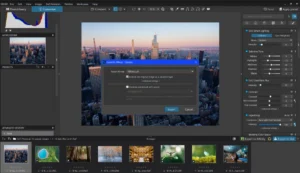
For decades, the post-production pipeline was defined by fragmented, proprietary silos. However, the last five years have seen an industry-wide consolidation toward unified platforms. AI is no longer a peripheral novelty but an integrated, intelligent assistant within the edit suite. These tools are increasingly capable of performing "grunt work"—automated color correction, noise reduction, rotoscoping, and natural language command execution—which significantly compresses the timeline between raw footage and final delivery.
According to recent industry benchmarks, the adoption of AI-driven automation in post-production can reduce the time required for technical tasks by approximately 30% to 40%. This efficiency gain is not merely about speed; it is about the redistribution of labor. By offloading mundane tasks to algorithmic processes, editors and VFX artists can focus on narrative pacing, performance selection, and creative decision-making.
Industry analysts observe that this technological maturity coincides with shifting distribution models. As streaming services and independent digital platforms prioritize high-volume, rapid-turnaround content, the ability to automate metadata tagging and transcribing through AI allows production companies to scale their output without necessarily increasing headcount. This synergy between AI-assisted tools and digital-first distribution platforms is enabling a new class of "micro-studio" that can compete with legacy players in terms of speed and volume.
The Rise of Vertical Micro-Drama: A New Frontier
While the industry monitors the evolution of AI, a parallel shift is occurring in the form of vertical micro-dramas—short-form, episodic content designed specifically for mobile screens. Unlike the failed 2020 experiment known as Quibi, which attempted to impose a high-budget Hollywood production structure onto a mobile format, the current generation of micro-dramas relies on a distinct, low-cost economic model.
These productions typically feature episodes ranging from one to three minutes in length, often utilizing a "soap opera" narrative structure that keeps retention high through constant cliffhangers. The demographic shift is noteworthy; while digital content is often associated with younger generations, vertical micro-dramas have found an unexpectedly loyal audience among older demographics, particularly women, who value the convenience of high-frequency, snackable content.
From a production standpoint, the barrier to entry has plummeted. The utilization of accessible camera technology, combined with streamlined editing workflows and AI-assisted visual effects, allows independent creators to function as producers who retain ownership of their intellectual property. This marks a departure from the traditional studio system, where creators were often separated from the long-term equity of their work. By owning the IP, these filmmakers are creating a sustainable economic model that relies on high-volume engagement rather than massive, singular theatrical returns.
Chronology of Industry Shifts
The transition to this current state of production can be traced through several key inflection points:
- 2018–2020: The Experimental Phase. Major studios and independent players experimented with mobile-first formats. The failure of high-capital platforms like Quibi taught the industry that content must be optimized for the specific "grammar" of vertical viewing rather than simply downsizing widescreen content.
- 2021–2023: The Integration of AI. The release of large-scale generative models changed the post-production workflow. Tools like Adobe’s Sensei and Blackmagic’s DaVinci Resolve Neural Engine began to standardize AI usage for masking, tracking, and audio restoration.
- 2024–Present: Decentralization. The convergence of affordable, high-quality production gear and the ability to distribute directly to global audiences via social media and specialized apps has shifted the balance of power. The focus is now on the democratization of production, where a small team can produce a series that reaches millions without a traditional distribution deal.
Supporting Data and Market Analysis
Market reports indicate that the short-form digital video market is expanding at a compound annual growth rate (CAGR) of approximately 15% through 2028. This growth is driven by the declining cost of high-quality digital cinema cameras and the proliferation of cloud-based editing environments.
One of the most significant implications of this shift is the decentralization of the "production hub." As demonstrated by the innovative workflows of modern editors—such as those performing complex VFX and online editing from unconventional locations like marine vessels—the physical location of the editor is becoming irrelevant. The "on-a-boat" workstation model, exemplified by professionals like Corinne Pickett, underscores a broader trend: the industry is no longer tethered to the physical infrastructure of Hollywood studio lots.
Official Perspectives and Industry Insights
Hosts Scott Simmons, Katie Hinsen, and Michael Kammes, alongside guest creators Kasey Esser and Vanessa von Schwarz, have highlighted that the current era is defined by the "intelligent assistant" nature of software. Their discussion emphasizes that the tools are not replacing the creative intent; rather, they are expanding the capabilities of the individual producer.
"The focus is on high-level craft," noted industry observers in recent technical discussions. "When the technical hurdle of rotoscoping or audio cleanup is removed by an AI agent, the professional is freed to focus on the human element of storytelling."
Furthermore, the conversation around the "Alan Smithee" workflows—a reference to the use of scripting and workflow extensions within Resolve—illustrates how technical mastery of the software itself is becoming a critical creative skill. By scripting repetitive tasks, editors are effectively building their own bespoke production software, further differentiating their workflow from competitors.
Broader Impact and Future Implications
The integration of AI and the rise of micro-drama are fundamentally altering the economic lifecycle of media assets. In the traditional system, a film was a singular, massive investment with a binary outcome: success or failure at the box office. In the new model, content is iterative. By analyzing real-time data from direct-to-consumer platforms, producers can adjust their storytelling, pacing, and character development in near real-time.
However, this shift brings significant challenges regarding industry standards. As more creators move toward independent, AI-assisted production, the definition of "professional" quality is becoming fluid. While this democratizes access, it also creates a saturated marketplace where the noise-to-signal ratio is exceptionally high. The long-term winners in this space will likely be those who can leverage AI to handle the technical heavy lifting while maintaining a distinct, human-centric narrative voice.
Additionally, the reliance on proprietary software platforms creates a new form of "vendor lock-in." As creators become more dependent on the AI tools integrated into their chosen software suites, their creative output becomes inextricably linked to the trajectory of those tech companies. This necessitates a new kind of technical literacy: editors must now understand not just the principles of film editing, but the mechanics of the AI models they are employing.
Ultimately, the confluence of these trends suggests a future where the distinction between "production" and "post-production" continues to blur. With AI handling much of the heavy lifting and distribution models favoring rapid, episodic release schedules, the industry is moving toward a continuous production loop. For the creative professional, this is an era of unprecedented autonomy, provided they can navigate the rapid technological obsolescence that defines the current digital frontier. As legacy institutions struggle to adapt to the speed of the creator economy, the new, agile generation of independent producers stands poised to define the next century of digital storytelling.