The Best of 2026: A Year Defined by Iteration and the Economic Reality of RAMageddon

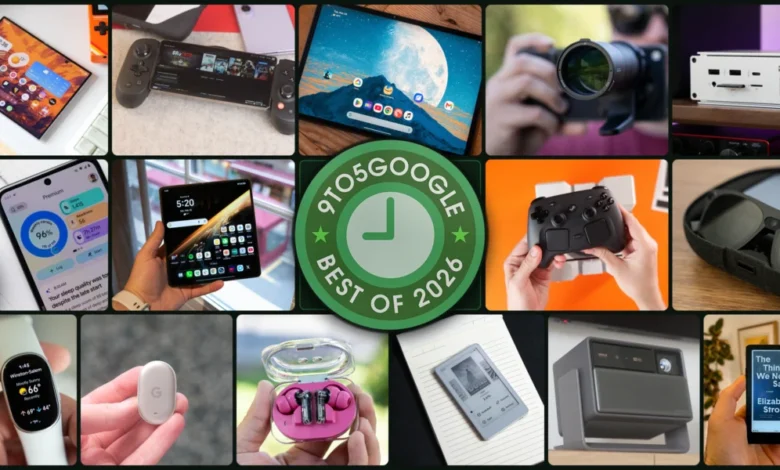
The technology landscape of 2026 has been defined by a singular, pervasive challenge: the global component shortage known as "RAMageddon." As memory prices spiked throughout the first two quarters of the year, manufacturers were forced to pivot from radical experimentation toward extreme efficiency. This shift resulted in a year where the most successful products were not necessarily those that reinvented the wheel, but those that perfected the user experience through iterative hardware design and optimized software integration. From the rise of ambient computing in wearables to the surprising resurgence of specialized hardware like e-readers, 2026 will be remembered as a year of maturation for the consumer electronics sector.

The Economic Context: Navigating RAMageddon
The first half of 2026 saw a significant contraction in consumer spending power as the cost of essential semiconductor components, particularly high-bandwidth memory (HBM) and DDR5 RAM, reached record highs. This supply chain crisis, colloquially dubbed "RAMageddon," forced a consolidation in the industry. Companies that previously focused on "feature creep"—the addition of unnecessary specifications—found themselves unable to compete. Instead, the market favored products that offered clear, distinct value propositions. By mid-year, the consumer electronics industry had largely stabilized, but the focus had shifted decisively toward durability, repairability, and energy efficiency, as consumers sought to extend the lifecycle of their devices amidst inflationary pressure.

Wearable Technology and the Minimalist Movement
The trend toward "quiet" technology, which minimizes screen time while maximizing utility, became a dominant force in 2026. The Google Fitbit Air, released in May 2026, became the benchmark for this philosophy. By eschewing a traditional display in favor of a low-profile, screenless design, the device addressed the growing consumer fatigue regarding digital notifications and constant connectivity.

The success of the Fitbit Air was followed in October by the Fitbit Edge, which catered to users who desired the same health-tracking features but required a visual interface for timekeeping. This bifurcated strategy allowed the company to capture two distinct segments of the market: the "minimalist" user seeking background data collection and the "power user" who prioritizes immediate visual feedback.

Advancements in Mobile Computing and Foldable Form Factors
The foldable smartphone segment, which has often been criticized for its fragility, saw significant engineering breakthroughs in 2026. The Samsung Galaxy Z Fold 8, released in August, established a new standard for the form factor. By refining the hinge mechanism and adopting a more ergonomic aspect ratio for the inner display, Samsung successfully transitioned the foldable from a niche luxury item to a viable daily driver for enterprise and power users.

Concurrently, international players pushed the boundaries of camera and battery technology. The Honor Magic V6, launched in March, served as a case study in durability, surviving rigorous stress tests that would have rendered previous iterations of foldable hardware unusable. Similarly, the Oppo Find X9 Ultra solidified its reputation as a premier photographic device, proving that high-end mobile optics could coexist with the complex internal architecture required by foldable devices. These advancements suggest that the industry has finally overcome the early technical hurdles that plagued the category between 2023 and 2025.

Home Entertainment: The Rise of Smart Projection
The home cinema market underwent a paradigm shift in late 2026 with the introduction of the XGIMI Horizon 30 Pro. While traditional television sets remain the standard for living rooms, the Horizon 30 Pro bridged the gap between a portable projector and a high-performance gaming display. The integration of Variable Refresh Rate (VRR) support and advanced keystone correction allowed users to convert any wall into a 200-inch display with minimal latency. This technology, combined with the convenience of the Google TV interface, offered a versatile alternative to expensive, large-format OLED panels, reflecting a broader consumer preference for flexible home environments.

The Return of Dedicated E-Reading Hardware
Perhaps the most surprising trend of 2026 was the resurgence of dedicated, low-distraction reading hardware. Devices like the Onyx Boox Picco and the XTEINK X4 Pro capitalized on a growing movement to decouple long-form reading from the multitasking environment of modern smartphones. These devices, which utilize e-paper technology, focus on a singular function: content consumption. By supporting open standards and custom firmware projects like the Crosspoint project, these manufacturers provided a bridge between traditional digital libraries and the physical pleasure of reading. The success of these products highlights a notable shift in consumer behavior, where users are increasingly willing to pay for "single-purpose" hardware that promotes mental focus and reduces digital eye strain.

Computing Accessories and the Productivity Ecosystem
As remote and hybrid work models continued to solidify, the demand for high-performance connectivity grew. The Keychron Thunderbolt 5 Dock, released in July, emerged as a critical piece of infrastructure for the professional workspace. With the capability to manage 14 different connections, including high-speed data and display output, it solved the perennial problem of device fragmentation for users juggling multiple operating systems.

In the realm of gaming, the Steam Controller (2026) signaled a return to form for PC gaming peripherals. By integrating the haptic and trackpad technology developed for the Steam Deck into a standalone controller, Valve provided a premium input solution that prioritized deep customization. This was complemented by the software-driven "DroidDeck" project, an open-source initiative that allowed Android devices to function as portable gaming machines by leveraging translation layers like Proton. These developments indicate that the line between mobile and PC gaming is becoming increasingly porous.

Implications for 2027 and Beyond
The developments of 2026 offer a clear preview of the industry’s trajectory for the coming year. First, the industry is moving toward a more sustainable model; the emphasis on seven-year update promises, as seen with the Honor Magic V6, is becoming a market requirement rather than a differentiator. Second, the success of the Amazon Alexa Tablet 12 Pro—which effectively "rebooted" the brand’s reputation by embracing a more standard Android experience—suggests that consumers are prioritizing software compatibility and user-friendly interfaces over proprietary ecosystems.

Finally, the "XREAL Aura" represents the first successful attempt at bringing XR (Extended Reality) into a usable, lightweight form factor. While the category remains in its infancy, the Aura’s ability to act as a "floating workspace" without the bulk of a traditional VR headset demonstrates that the path to widespread adoption lies in comfort and accessibility.

As the industry looks toward 2027, the focus will likely remain on optimization. The lessons learned during the supply chain constraints of 2026 have created a leaner, more focused electronics market. Manufacturers are no longer chasing speculative innovation at the expense of functionality; instead, they are investing in the iterative refinement of hardware that fits seamlessly into the lives of the end-user. Whether through the minimalist simplicity of a screenless tracker or the power of a desktop-class dock, the products that define this year are those that respect the user’s time, attention, and financial resources.