Statik PowerStand Review: A Minimalist Solution for Mobile Device Charging and Ergonomics

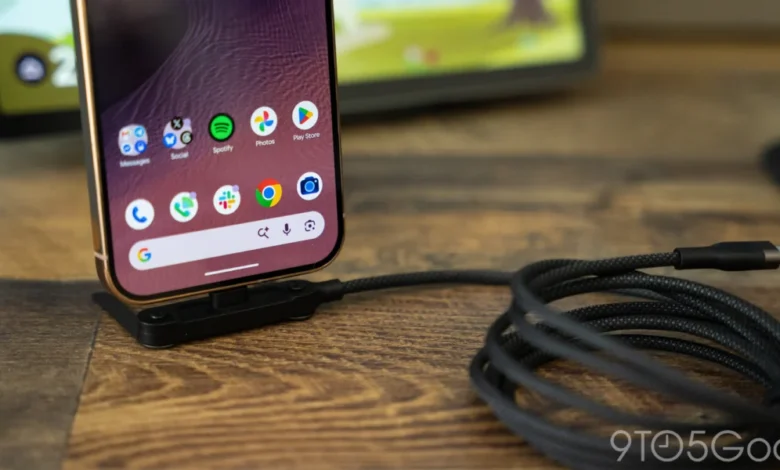
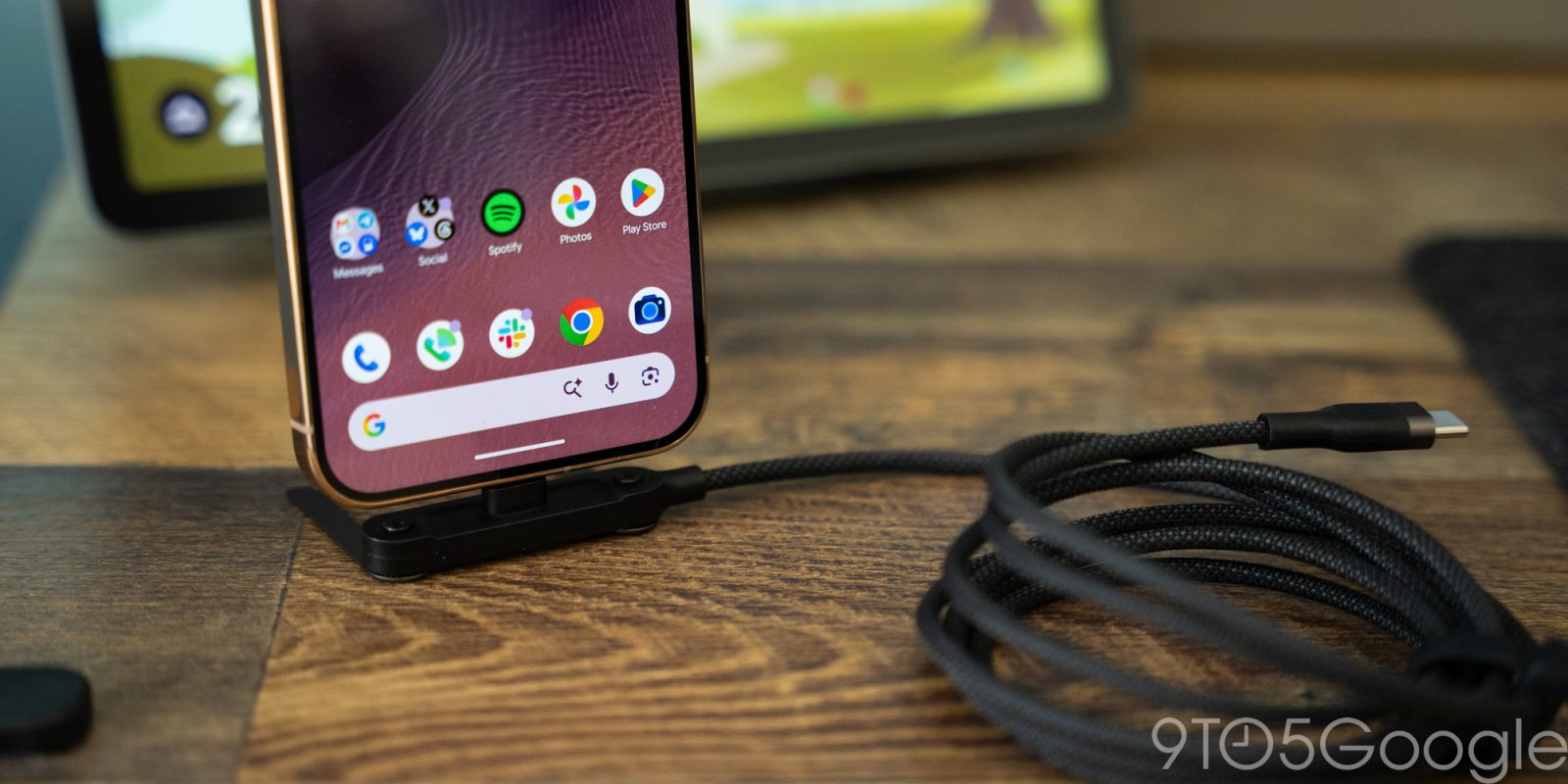
The evolution of smartphone peripherals has increasingly focused on the intersection of utility and portability, with the latest innovation from accessory manufacturer Statik representing a significant shift in cable design. The Statik PowerStand, a recently released USB-C cable that integrates a foldable kickstand directly into its connector housing, addresses the recurring challenge of maintaining device visibility while charging during travel. This peripheral serves as an alternative to bulky magnetic stands and proprietary charging docks, offering a lightweight, multi-functional tool for mobile users.
The Problem of Mobile Ergonomics and Charging
For the modern professional or frequent traveler, the logistical burden of carrying multiple charging accessories often compromises convenience. Standard magnetic wireless charging stands, while effective for nightstands and office desks, are inherently cumbersome to pack. They occupy significant volume in carry-on luggage and often require specific power bricks or alignment protocols that vary between brands.
Historically, users have relied on third-party stands or improvised solutions—such as leaning phones against travel mugs or wallets—to maintain a viewing angle while the device is tethered to a power source. The Statik PowerStand attempts to eliminate these workarounds by transforming the most fundamental piece of hardware, the charging cable, into a structural support mechanism.
Design and Engineering Specifications
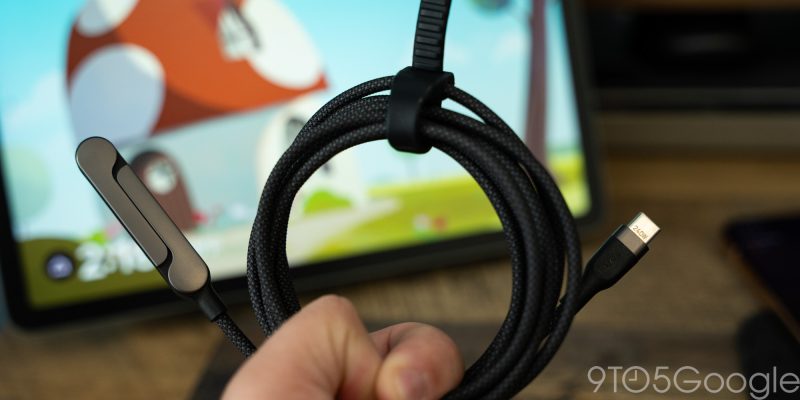
The PowerStand features a braided exterior, which contributes to its durability and resistance to fraying—a common failure point in standard PVC-coated cables. Measuring 6.6 feet in length, the cable provides sufficient slack for use in hotel rooms, airport terminals, or office environments where power outlets may be inconveniently located.
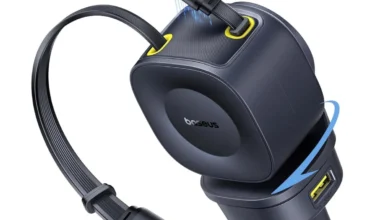
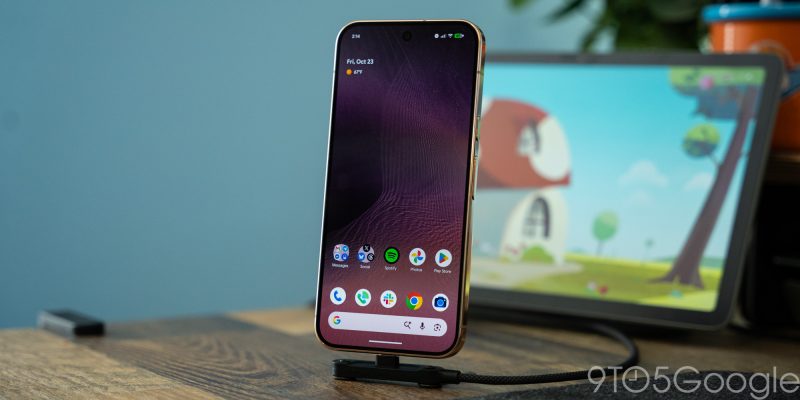
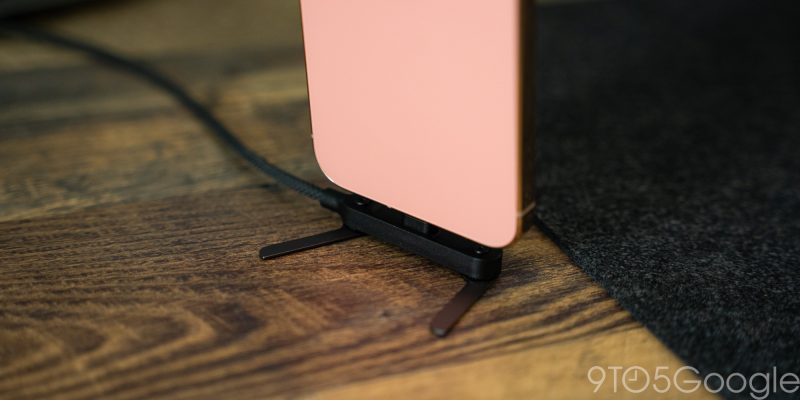
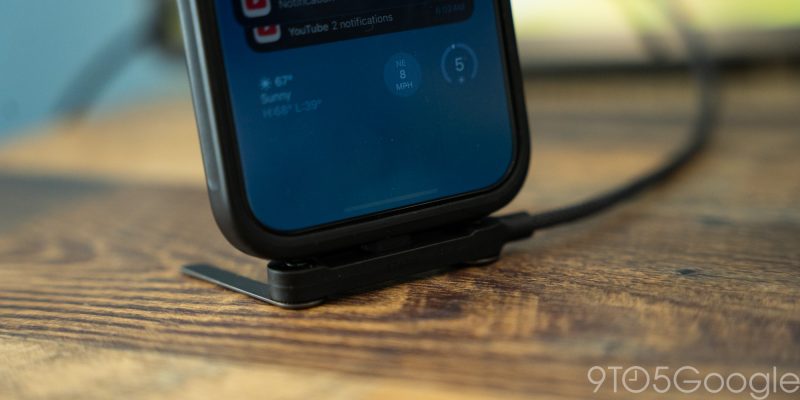
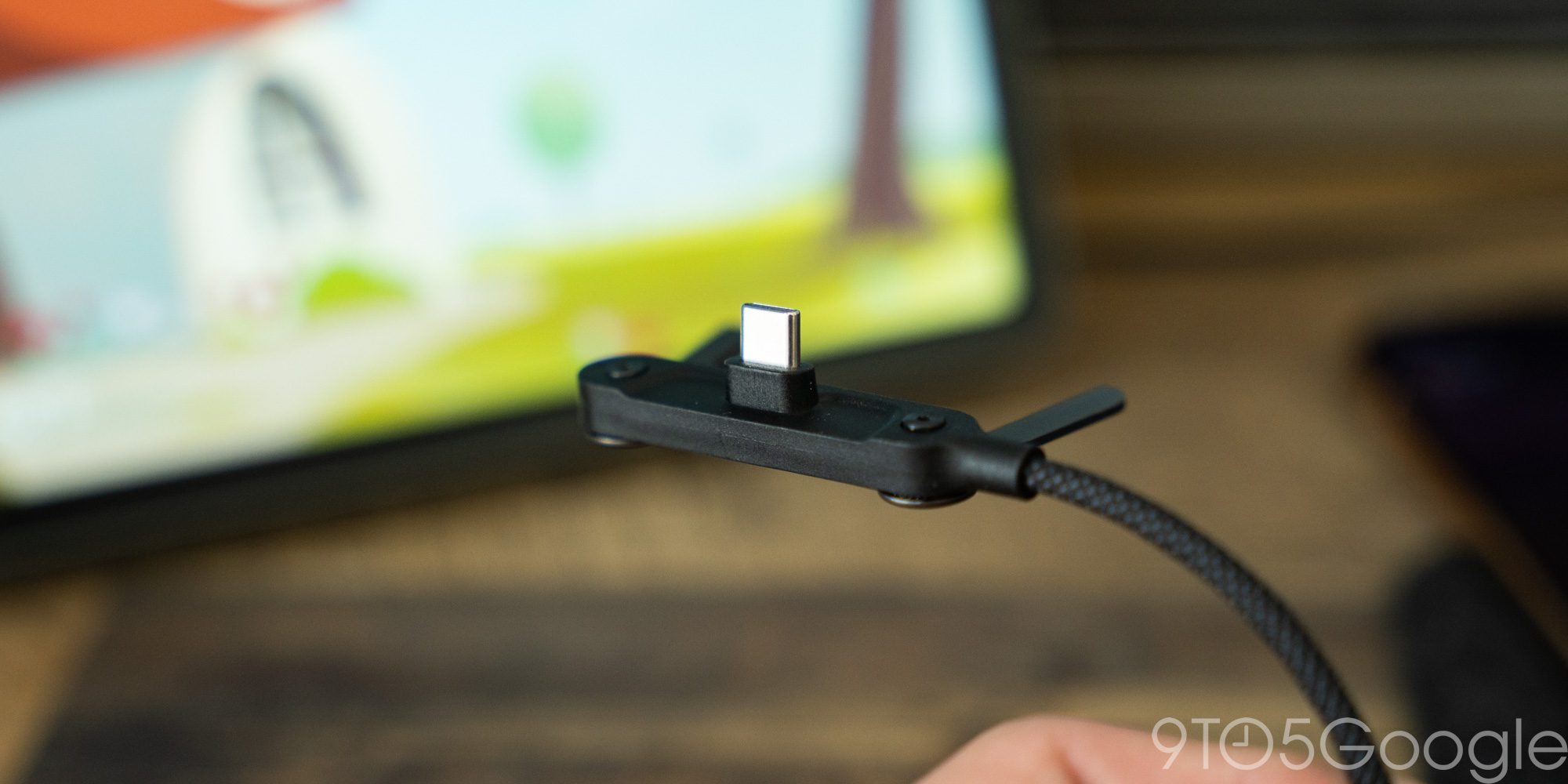
At the core of its design is the connector housing. The USB-C end is equipped with two swiveling, foldable feet. When deployed, these feet create a stable base, allowing the phone to rest in either a vertical (portrait) or horizontal (landscape) orientation. The connector itself is positioned at a right angle on a raised platform, a design choice intended to ensure compatibility with most protective cases. This configuration avoids the stress placed on the charging port that occurs with standard, straight-tip cables when the device is propped up.
Technically, the cable supports up to 240W of power delivery, making it compatible with high-speed charging protocols for laptops, tablets, and modern smartphones. While the cable is limited to USB 2.0 data transfer speeds, its primary value proposition is its role as a power-delivery and ergonomic tool rather than a high-speed data conduit.
Evolution of Statik’s Product Ecosystem
The introduction of the PowerStand follows a pattern of iterative design seen in Statik’s broader product portfolio. In late 2025, the company gained market attention with its line of magnetically organizing cables, which utilize integrated magnets to allow the cable to coil neatly, reducing clutter. This focus on "utility-first" design reflects a broader industry trend toward modular and space-saving accessories.
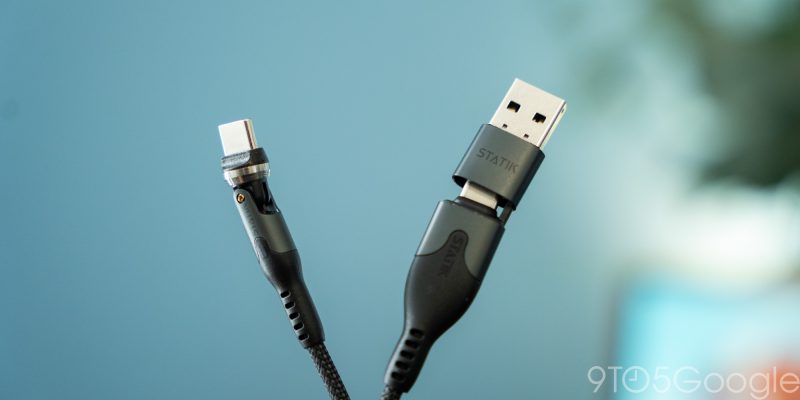
Statik has also released the PowerPivot Pro, a complementary product designed for high-stress environments like vehicle interiors. Unlike the PowerStand, the PowerPivot Pro features a rotating head and hybrid connector inputs (USB-C and USB-A on one end), specifically engineered for the tight clearances often found in car consoles. While the PowerStand is designed for stability and viewing, the PowerPivot Pro is designed for flexibility in confined spaces, demonstrating a clear strategic effort by the company to segment their accessory lineup based on specific use cases.
Industry Context and Market Implications
The current market for smartphone accessories is valued in the billions, driven by the increasing reliance on mobile devices for productivity and entertainment. As manufacturers like Apple, Google, and Samsung move toward more uniform USB-C standards, the demand for universal, high-quality cables has risen.
The PowerStand arrives at a time when consumers are becoming increasingly sensitive to the "weight" of their travel kits. The integration of a stand into a cable is a prime example of "feature consolidation"—a trend where a single peripheral is designed to perform the duties of two or more distinct items. From a sustainability and environmental perspective, this design philosophy is favorable, as it reduces the number of individual components a user needs to purchase and, eventually, discard.
Performance Analysis and User Experience
Field testing indicates that the device’s stability is contingent on the surface and the weight of the phone being used. While the kickstand is robust enough to support standard flagship models like the Google Pixel 10 Pro or various iPhone iterations even when housed in heavy-duty cases, it is not a replacement for a stationary, weighted desktop dock.
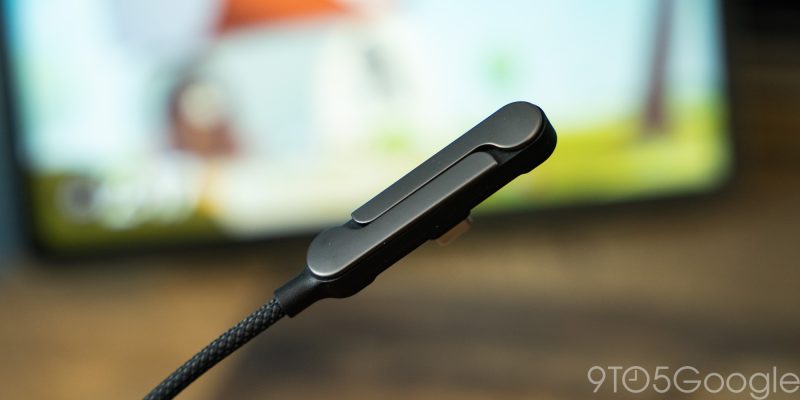
The mechanism that locks the "feet" into place is engineered to provide enough resistance to prevent accidental collapse, yet remains fluid enough to be adjusted with one hand. This balance is critical for the device’s longevity; if the hinge were too loose, the stand would be ineffective; if it were too rigid, the delicate plastic components could fatigue or break over time.
The inclusion of a right-angle connector is a subtle but vital design choice. Straight-tip cables often exert torque on the phone’s charging port when the device is standing upright, which can cause internal damage to the port pins over extended periods. By redirecting the cable path along the back of the phone, the PowerStand mitigates this mechanical stress.
Future Projections for Mobile Accessories
The success of the PowerStand and its peers highlights a shift in consumer expectations. Users are no longer satisfied with "disposable" charging cables. Instead, they are seeking products that offer structural utility, advanced material science (such as braided nylon), and high-wattage throughput.
Moving forward, it is likely that other manufacturers will attempt to replicate the foldable-stand form factor. However, the challenge for competitors will be maintaining the structural integrity of the swivel mechanism without significantly increasing the footprint of the connector housing. If the housing becomes too large, it may lose its utility, interfering with various case designs or blocking adjacent ports on laptops.
Conclusion: Evaluating the Value Proposition
At a retail price point of approximately $20, the Statik PowerStand positions itself as an accessible upgrade over stock charging cables. It offers a tangible quality-of-life improvement for users who consume media or manage tasks on their devices while traveling.
While it does not replace the need for high-end, dedicated wireless charging stations in a home or office setting, it excels as a secondary, high-utility tool. Its durability, combined with its ability to solve a specific ergonomic problem, suggests that it will likely remain a fixture in the accessory kits of mobile-first professionals. By merging the functions of a cable and a stand, Statik has managed to deliver a product that is not only a novelty but a practical tool for the modern digital ecosystem. As the industry continues to prioritize USB-C integration, the demand for such versatile, multi-purpose cables is expected to grow, setting a new benchmark for how manufacturers approach the design of basic charging equipment.