Halloween Costume Trends 2026: A Comprehensive Analysis of Cultural Influence and Creative Expression

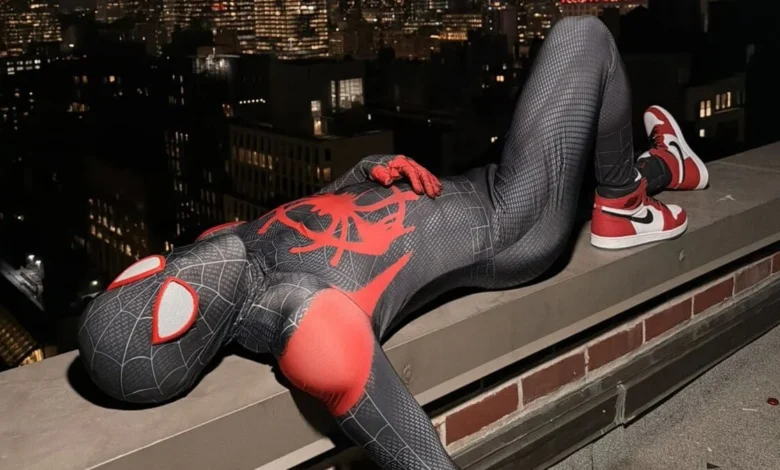
Halloween, once rooted in the ancient Celtic festival of Samhain, has evolved into a global economic and cultural juggernaut that transcends traditional trick-or-treating. In 2026, the holiday serves as a primary barometer for pop culture trends, digital community engagement, and the ongoing evolution of DIY fashion. While the holiday historically focused on warding off spirits through costumes, modern iterations reflect a complex interplay between nostalgia, internet subcultures, and high-production-value cosplay.
As of October 31, 2026, participation rates remain robust. According to data from the National Retail Federation (NRF), consumer spending on Halloween-related goods—ranging from costumes to confectionery—is projected to reach an all-time high this year. This surge is attributed not only to household spending on children’s festivities but also to a significant increase in adult participation in community-organized events and themed social gatherings.
The Evolution of the Halloween Industry
The costume industry has seen a structural shift over the past decade. Where pre-packaged, mass-market costumes once dominated, the current landscape is heavily influenced by "influencer culture" and the democratization of special effects makeup. Platforms such as X (formerly Twitter), TikTok, and Instagram have transformed Halloween into a stage for social capital, where the quality and creativity of a costume are measured by viral engagement.
Market analysts observe that consumers are increasingly favoring "hybrid costumes"—a mix of commercially purchased accessories and handmade, personalized elements. This trend aligns with broader shifts in retail, where sustainability and customization are becoming primary drivers of purchasing behavior. Retailers have adapted by stocking more versatile costume components rather than single-use, full-body suits.
A Chronology of Costume Popularity
The timeline of Halloween fashion is often a direct reflection of the year’s cultural milestones. In early 2026, the resurgence of mid-2000s children’s programming signaled a wave of "nostalgia-core" costumes. By mid-year, the dominance of streaming platform content—specifically high-budget fantasy and sci-fi series—set the baseline for expectations.
As the calendar approached October, the focus shifted toward "niche-viral" costumes. These are outfits based on memes or fleeting social media moments that require a deep understanding of internet subcultures to recognize. This phenomenon highlights a divide in the holiday’s current demographic: younger generations prioritize costumes that serve as "inside jokes" for their peer groups, while broader pop culture tributes remain the standard for family-oriented celebrations.
Data-Driven Insights on Consumer Behavior
Retail analytics indicate that 2026 is a record-breaking year for the DIY accessory market. While costume sales have remained steady, the sale of prosthetics, high-quality fabric dyes, and specialized craft adhesives has grown by 14% compared to 2025. This suggests that the "effort" behind the costume has become as important as the final aesthetic.
Furthermore, economic factors have influenced the "re-wearability" of costumes. With inflation affecting discretionary spending, consumers are opting for pieces that can be integrated into everyday wardrobes or repurposed for future events. The "Godfather of Soul" aesthetic, for example, is consistently popular because it utilizes classic tailoring that holds value beyond a single night. Similarly, minimalist tributes to iconic cinematic characters, such as those inspired by Willem Defoe’s filmography, allow for personal expression without the need for cumbersome, single-use props.
The Role of Digital Creators and Streamers
The influence of professional streamers and content creators on Halloween trends cannot be overstated. By showcasing high-production, cinematic-level costumes, these figures have set a new standard for what is possible in home-based costume design. When a high-profile streamer unveils an elaborate design—such as an intricate Silver Surfer recreation—it often triggers a surge in demand for metallic body paints and spandex materials across e-commerce platforms.
This creates a cycle of inspiration: creators provide the blueprint, their audience attempts to replicate or iterate on those designs, and the resulting content floods social media channels. This cycle fosters a sense of community, even among adults who no longer participate in traditional door-to-door candy collection. For many, the "trick-or-treat" has been replaced by the "scroll-and-like," turning Halloween into a global, digital masquerade.
Official Perspectives and Social Implications
Sociologists and cultural critics have noted that the 2026 Halloween season reflects a desire for communal play in an increasingly fragmented digital society. "Costuming provides a safe, structured space for identity experimentation," says Dr. Elena Vance, a sociologist specializing in modern holiday rituals. "In a year where global stressors are high, the ability to adopt a character—whether it is a nostalgic cartoon figure or a futuristic sci-fi icon—provides a necessary psychological release."
Retail associations have also weighed in, noting that the logistical challenges of the supply chain have forced local businesses to pivot toward more agile, localized costume curation. "We are seeing a move away from global mass-production toward community-based costume kits," notes a representative from the National Costume & Party Association. This shift, they argue, benefits local economies and encourages the development of artisanal costume design skills within local neighborhoods.
The Impact of Nostalgia and Cinematic Homage
The fascination with "throwback" costumes—specifically those referencing early 2000s children’s television—is a significant trend this year. This is attributed to the "generational cycle of influence," where the children of the early 2000s have now reached adulthood and are using their current purchasing power to pay homage to the media that defined their childhoods.
These costumes serve as a cultural shorthand. Wearing a costume from a specific, obscure animated show acts as a social signal, identifying the wearer to other members of the same cohort. It is a form of non-verbal communication that has become a staple of modern Halloween social interaction.
Broader Implications for Future Celebrations
As Halloween continues to expand, the implications for the retail, fashion, and digital media industries are profound. The holiday is no longer just a single night; it is an "October-long season." Businesses are beginning to recognize that consumers are willing to engage in Halloween-themed activities for weeks leading up to the 31st, allowing for a more sustained period of marketing and revenue generation.
Moreover, the technical requirements for costumes are advancing. With the increased accessibility of 3D printing and advanced fabric manipulation, the gap between professional film costumes and amateur home-made ones is narrowing. We are entering an era of "prosumer" costuming, where the average individual has access to the same tools once reserved for Hollywood prop departments.
Conclusion
Halloween in 2026 is a complex synthesis of technology, nostalgia, and individual creativity. While the core tenets of the holiday remain unchanged, the methods by which people express themselves have evolved into a sophisticated blend of digital influence and tangible craft. Whether through the elaborate recreation of comic book icons or the subtle, clever nod to a long-forgotten cartoon, the modern costume is a testament to the enduring human desire to participate in a shared, playful reality.
As the night progresses and the photos continue to populate social media feeds, the trend is clear: Halloween has successfully cemented its place as the premier event for creative expression in the modern calendar. It remains a night where the boundaries of identity are blurred, the past is reclaimed through nostalgia, and the future is imagined through the lens of pop culture. For those who choose to participate, the holiday offers a rare opportunity to step out of the mundane and into the magical, even if only for a few hours.