The digital marketing landscape continues to evolve at a breakneck speed, driven heavily by shifting consumer habits and the relentless monetization of online platforms. As brands compete for consumer attention in an increasingly crowded digital ecosystem, paid social media promotion has transitioned from a supplementary tactic into a foundational pillar of modern marketing strategy. With US social network ad spending projected to eclipse $121 billion, understanding the mechanics, classifications, and compliance requirements of sponsored posts is no longer optional for businesses—it is a critical competency for survival.

Defining the Modern Sponsored Post Ecosystem
At its core, a sponsored post refers to any piece of social media content that a brand, creator, or publisher has paid to distribute to a broader audience. Serving as an umbrella term for a multitude of paid digital strategies, sponsored content generally falls into three distinct categories: promoted or boosted posts, influencer partnerships, and publisher-funded branded content.

Despite their different execution strategies, all sponsored content shares a singular objective: injecting capital into distribution channels to ensure a message reaches demographics that would otherwise remain untouched by organic algorithms.
Platforms across the digital spectrum—including Meta’s Facebook and Instagram, TikTok, and LinkedIn—have implemented rigorous labeling architectures to maintain transparency. Users are now accustomed to seeing standardized disclosures such as "Sponsored," "Promoted," or "Paid partnership with [brand]." These platform-level markers intersect directly with regulatory mandates, such as the Federal Trade Commission’s (FTC) strict guidelines requiring clear disclosures of any material connection between a commercial entity and a content creator.

The Evolution and Classification of Paid Social Content
To navigate the intricacies of social media advertising effectively, marketers must parse the differences between the primary formats of paid social media placements. Each format serves distinct strategic purposes and dictates specific interactions between brands, creators, and audiences.

Promoted and boosted posts represent the most traditional form of paid native advertising. Advertisers allocate funds directly to social platforms to amplify a specific post, leveraging sophisticated user data—including geographic location, age bracket, behavioral patterns, and personal interests—to target hyper-specific audiences. These posts are easily identified by platform-generated labels and frequently incorporate direct call-to-action buttons such as "Shop Now" or "Learn More."
Influencer partnerships introduce a human element to the advertising equation. Brands compensate creators to integrate products or services into their native content streams. Because influencers hold considerable sway over their dedicated follower bases, these endorsements function as modern iterations of traditional word-of-mouth marketing, generating invaluable social proof. While influencer posts often blend seamlessly into regular feeds, platform algorithms and legal frameworks demand transparent labeling to preserve consumer trust.

Branded or sponsored content involves editorial-style material funded by a commercial entity but hosted on a publisher’s or creator’s channels rather than a corporate page. This strategy allows brands to borrow the authoritative voice and established credibility of trusted media outlets or prominent public figures, heavily influencing long-term brand recall and consumer consideration.
Comparative Analysis of Paid Social Strategies

| Type | Who Creates It | Where It Appears | How It Is Labeled | Best Suited For |
|---|---|---|---|---|
| Promoted/Boosted Post | The Brand | In-feed, Stories, Reels, Shorts | "Sponsored" or "Promoted" | Direct reach, traffic, conversions, creative testing |
| Influencer Partnership | The Creator | Creator’s feed, optional amplification | "Paid partnership with [brand]" / #ad | Social proof, product demos, niche audience entry |
| Branded Content | Publisher/Creator | Publisher/Creator channels | "Sponsored by" / Branded content tag | Brand awareness, credibility, long-form storytelling |
Economic Drivers and Market Growth
The financial commitment behind social media advertising underscores the high stakes involved in modern digital campaigns. Global market research indicates that influencer marketing alone expanded into a staggering $32.55 billion industry by 2025, effectively doubling its valuation from just a few years prior. This exponential growth aligns seamlessly with broader enterprise strategies favoring creator-led authenticity over polished corporate advertising.

Brands continue to funnel immense budgets into sponsored posts due to their unmatched capacity for precision targeting, scalability, and immediate conversion tracking. However, as capital allocation increases, so does the scrutiny from regulatory bodies determined to protect consumers from deceptive marketing practices.
Regulatory Compliance and the FTC Mandate

The legal framework governing sponsored content has tightened significantly. In the United States, the FTC Endorsement Guides mandate that any promotion tied to financial compensation, free merchandise, or other incentives must feature clear and conspicuous disclosures. These disclosures must be readily noticeable and comprehensible to the average consumer before they interact with the core content.
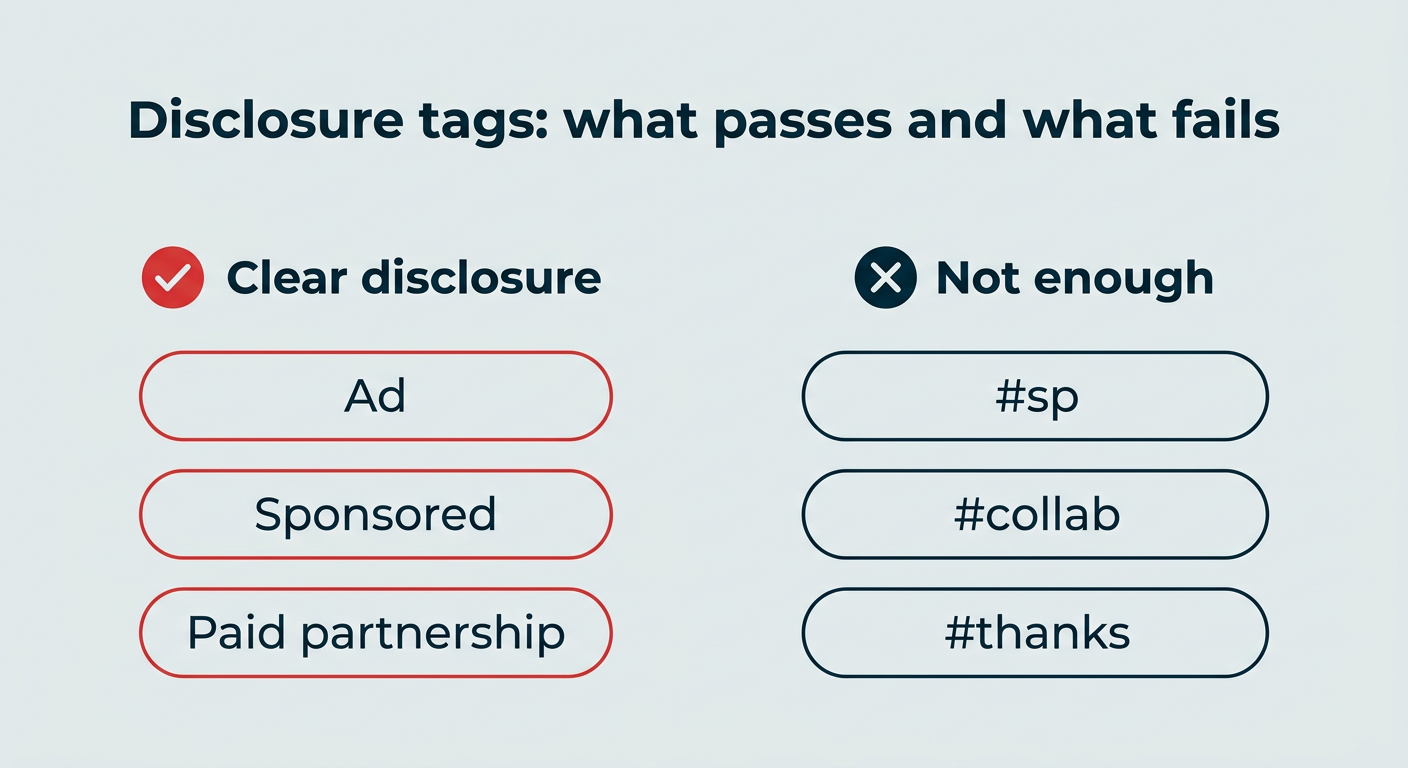
Regulatory bodies have demonstrated zero tolerance for obfuscated disclosures. Vague abbreviations such as #sp, #collab, or burying disclosures beneath a wall of hashtags fail to meet legal thresholds. Standardized terms like "Ad," "Sponsored," or platform-native partnership tags are legally required.

The enforcement landscape reflects this strict stance. The FTC has actively targeted marketing agencies and corporations for unsupported claims and deceptive practices, issuing sweeping warnings and imposing civil penalties for non-compliance. Furthermore, regulations targeting fake reviews and deceptive endorsements underscore the necessity for absolute transparency across all digital touchpoints.
Advanced Measurement and ROI Tracking
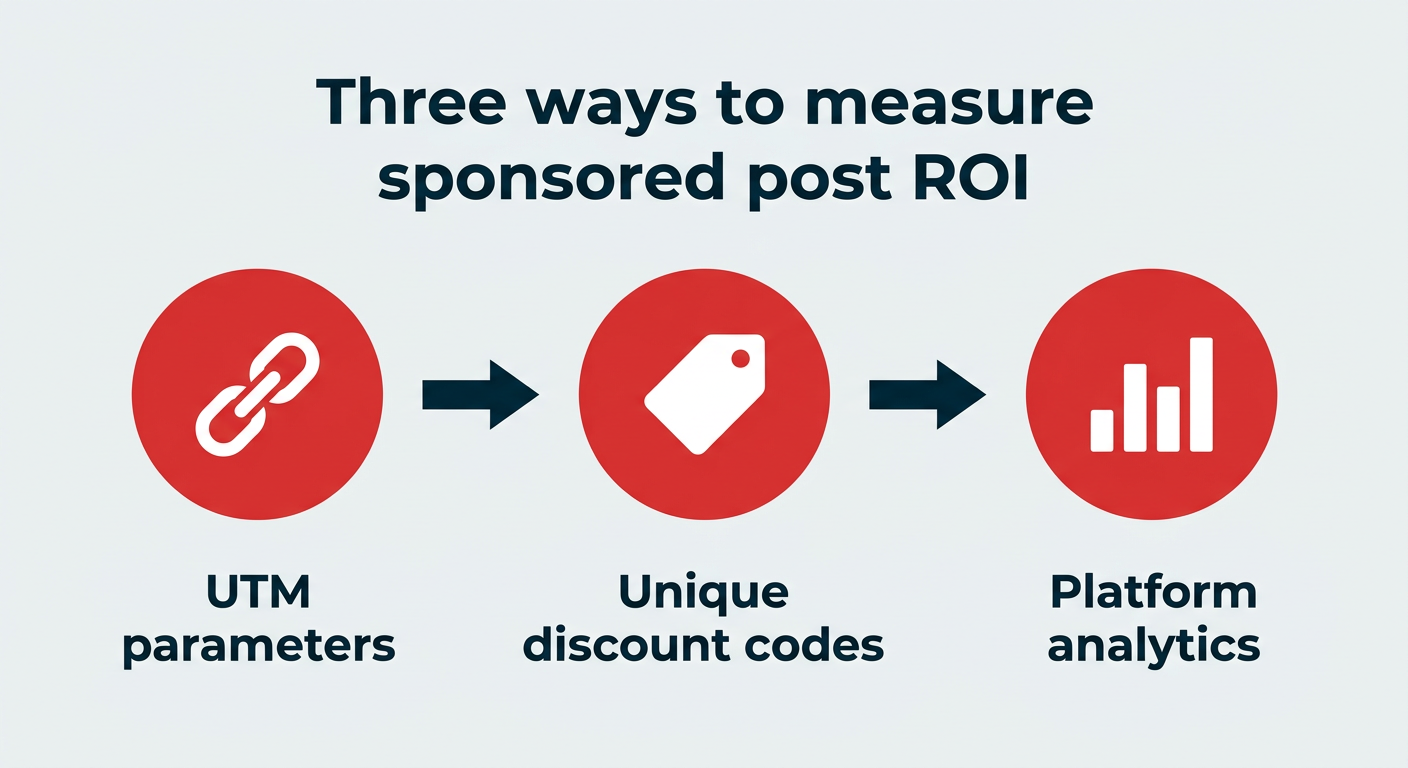
A common pitfall in digital marketing is an over-reliance on vanity metrics—such as likes, comments, and general impressions—which fail to paint an accurate picture of financial return on investment (ROI). Sophisticated marketing teams deploy robust tracking mechanisms to tie social buzz directly to revenue generation.
The utilization of UTM parameters remains an industry standard. By appending short tracking codes to outbound links, marketers can meticulously isolate traffic sources, evaluate individual creator performances, and monitor conversion metrics in real time. Similarly, issuing unique promotional discount codes for specific influencer partnerships allows brands to directly audit sales reports, identifying precisely which campaigns drove consumer purchases.
Centralizing analytics through comprehensive management software enables marketing professionals to aggregate data across multiple social networks, compiling holistic reports that track reach, engagement, and conversion rates within a single dashboard.
Strategic Implications for the Future
As digital platforms continue to refine their advertising algorithms and regulatory bodies tighten compliance enforcement, the efficacy of sponsored posts will rely entirely on authenticity, strategic alignment, and rigorous data analysis. Brands that approach sponsored content as a transparent value exchange rather than a deceptive shortcut will capture consumer loyalty and drive sustainable revenue growth in an increasingly competitive digital economy.