Major Retailers Slash Prices on 4K and OLED Televisions in Early Holiday Sales Event

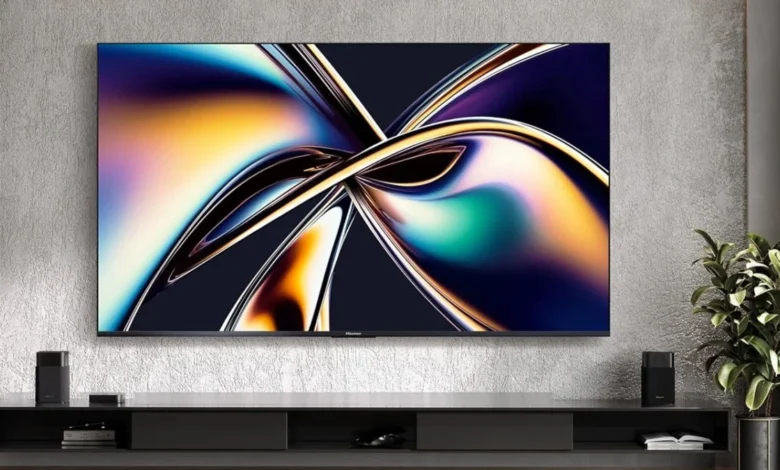
Consumers and creative professionals searching for a display upgrade are currently finding significant price reductions across major online marketplaces, with discounts on select television models approaching 50 percent. As global retailers roll out early promotional events leading into the peak holiday shopping season, the market for home entertainment and studio-grade monitors has experienced a notable wave of aggressive pricing. The reductions span a wide spectrum of visual technology, ranging from entry-level 4K LED sets designed for secondary living spaces to high-end OLED and Mini-LED displays engineered for rigorous colour-accurate work environments.
Market Context and Timing of the Price Reductions
The timing of these deep discounts aligns with a broader retail trend where promotional periods begin weeks ahead of traditional shopping holidays such as Black Friday and Cyber Monday. Industry analysts note that consumer electronics manufacturers often use these early window periods to clear warehouse inventory of older generations while introducing newly refreshed panels to the market.
For many buyers, particularly those working within visual arts, graphic design, and video production, display technology is more than a casual consumer good; it is a critical tool. Professionals who spend their working hours scrutinizing digital assets for colour fidelity, dynamic range, and pixel-level imperfections require hardware that can faithfully reproduce source material. Consequently, standard consumer displays often fall short of these professional demands, driving high interest toward mid-tier and premium tiers when prices dip to more accessible levels.
Choosing the Right Panel Technology: OLED vs. Mini-LED vs. Budget 4K
Navigating the current landscape of discounted televisions requires an understanding of the underlying display technologies and how they perform in varying environments. Industry experts generally categorize consumer displays into three primary segments based on price-to-performance ratios:
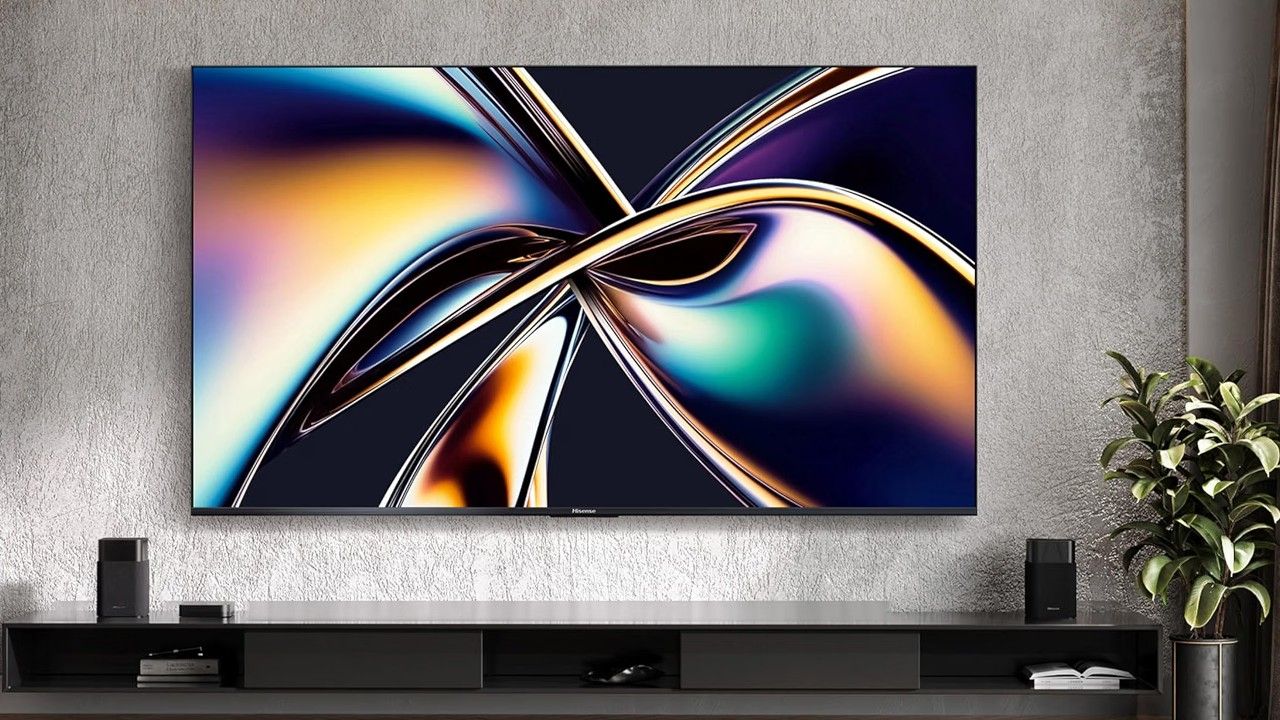
- OLED (Organic Light-Emitting Diode): Widely regarded as the gold standard for dark-room viewing and critical colour evaluation. Because every individual pixel generates its own light, OLED panels can switch off completely to produce absolute blacks. This results in infinite contrast ratios and eliminates the halo or blooming effects common in backlit displays. High-end OLED models are frequently favoured by photographers and colourists working in controlled lighting conditions.
- Mini-LED: A significant evolution of standard LED-backlit LCD panels, Mini-LED technology utilizes thousands of microscopic LEDs grouped into local dimming zones. While they cannot match the absolute black levels of OLED, Mini-LED sets achieve exceptionally high peak brightness levels. This makes them ideal for brightly lit living rooms, open-plan spaces, and HDR (High Dynamic Range) content consumption where luminance matters more than absolute darkness.
- Budget 4K Displays: Targeted primarily at secondary rooms, bedrooms, or casual viewing environments, entry-level 4K televisions offer adequate resolution and smart platform integration at a fraction of the cost of flagship models. While they typically lack advanced local dimming or wide colour gamut coverage, modern budget sets provide sufficient fidelity for everyday media consumption.
Key Factors for Buyers: Size, Gaming Features, and Calibration
Beyond panel technology, several technical specifications heavily influence the long-term satisfaction of a television purchase. Market research consistently shows that consumers frequently underestimate the importance of physical dimensions relative to their viewing distance. Furthermore, the pricing increments between screen sizes—such as moving from a 55-inch model to a 65-inch variant—are often surprisingly narrow during promotional events, making larger formats a more cost-effective investment per square inch.
For gamers and multimedia creators alike, refresh rates and variable refresh rate (VRR) support have become non-negotiable features. Modern consoles and high-end personal computers output high-frame-rate content that requires fast-responding panels to prevent motion blur and screen tearing.
Professionals utilizing televisions as reference monitors or client review screens must also pay attention to software calibration options. Features such as Filmmaker Mode, which disables aggressive motion smoothing, edge enhancement, and artificial sharpening algorithms, allow users to view content precisely as the director or creator intended. Ensuring that a prospective television includes robust manual calibration controls or accurate out-of-the-box color presets remains essential for creative workflows.
Industry Implications and Consumer Advice
The aggressive discounting observed across major retail platforms highlights the intense competition within the consumer electronics sector. As supply chains stabilize and manufacturing efficiencies improve, technologies that were previously locked behind premium price tags—such as high-refresh-rate panels and advanced local dimming algorithms—are increasingly filtering down to mid-range products.
Retail experts advise prospective buyers to approach the current sales event with a clear understanding of their specific needs rather than simply chasing the highest discount percentage. Consumers should measure their available physical space, evaluate the ambient lighting conditions of the intended room, and cross-reference model numbers with independent technical reviews before finalizing a purchase. By balancing technical specifications against current promotional pricing, buyers can secure high-performance display hardware that will remain relevant and reliable for years to come.