Unveiling the Visual Evolution of the Warrior Cats Animated Series: Inside Original Force Studio’s Artistic Approach

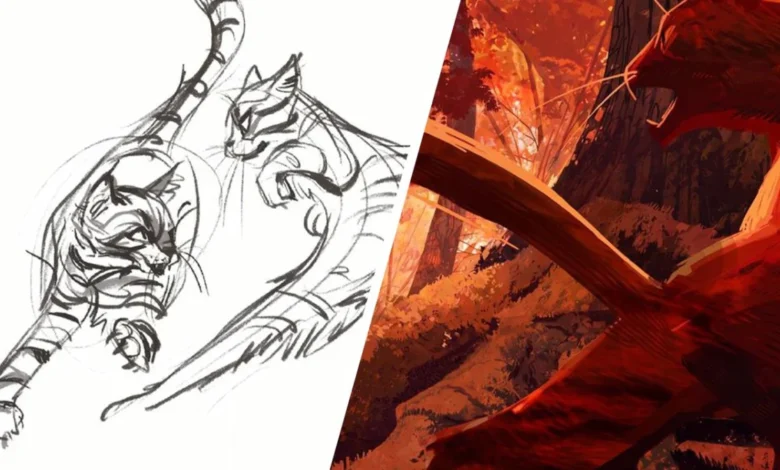
The upcoming screen adaptation of the immensely popular Warrior Cats book series has reached a significant milestone as production studio Original Force, alongside series director Rodrigo Blaas, releases an extensive first look at its work-in-progress conceptual materials, character designs, storyboards, and animation tests. Longtime fans and industry analysts alike have eagerly awaited visual previews of the project, which translates Erin Hunter’s sprawling literary universe into a major computer-generated (CG) feature. Rather than opting for hyper-realistic, glossy animal renderings popularized by contemporary mainstream studio releases, the creative team has deliberately forged an alternative stylistic path. By exaggerating feline anatomy, silhouette design, and expressive movement, the production aims to capture the distinct warrior culture and complex character dynamics that defined the multi-million-copy bestselling book franchise.
Background Context and Literary Origins
To understand the magnitude of the Warrior Cats adaptation, one must look back at the publishing phenomenon that began in January 2003 with the release of Into the Wild, the first novel penned by Erin Hunter—a collective pseudonym for authors Kate Cary, Cherith Baldry, Tui T. Sutherland, and Victoria Holmes. Published by HarperCollins, the series has since expanded into multiple sub-series, novellas, and graphic novels, selling over 50 million copies worldwide and translating into dozens of languages.
The narrative centers on wild clans of feral cats—ThunderClan, ShadowClan, WindClan, RiverClan, and later SkyClan—living in harmony with nature while navigating complex geopolitical rivalries, spiritual beliefs rooted in StarClan, and inter-clan warfare. The core appeal of the franchise has always rested on its human-like societal structures imposed upon realistic biological entities. Adapting such a deeply ingrained literary property into a visual medium presents unique challenges. The core readership, which spans over two decades of fandom growth, holds stringent expectations regarding how beloved characters like Rusty (later Firepaw and Firestar), Graypaw, and Sandpaw should look, move, and behave on screen.
The Animation Philosophy: Balancing Realism and Expressive License
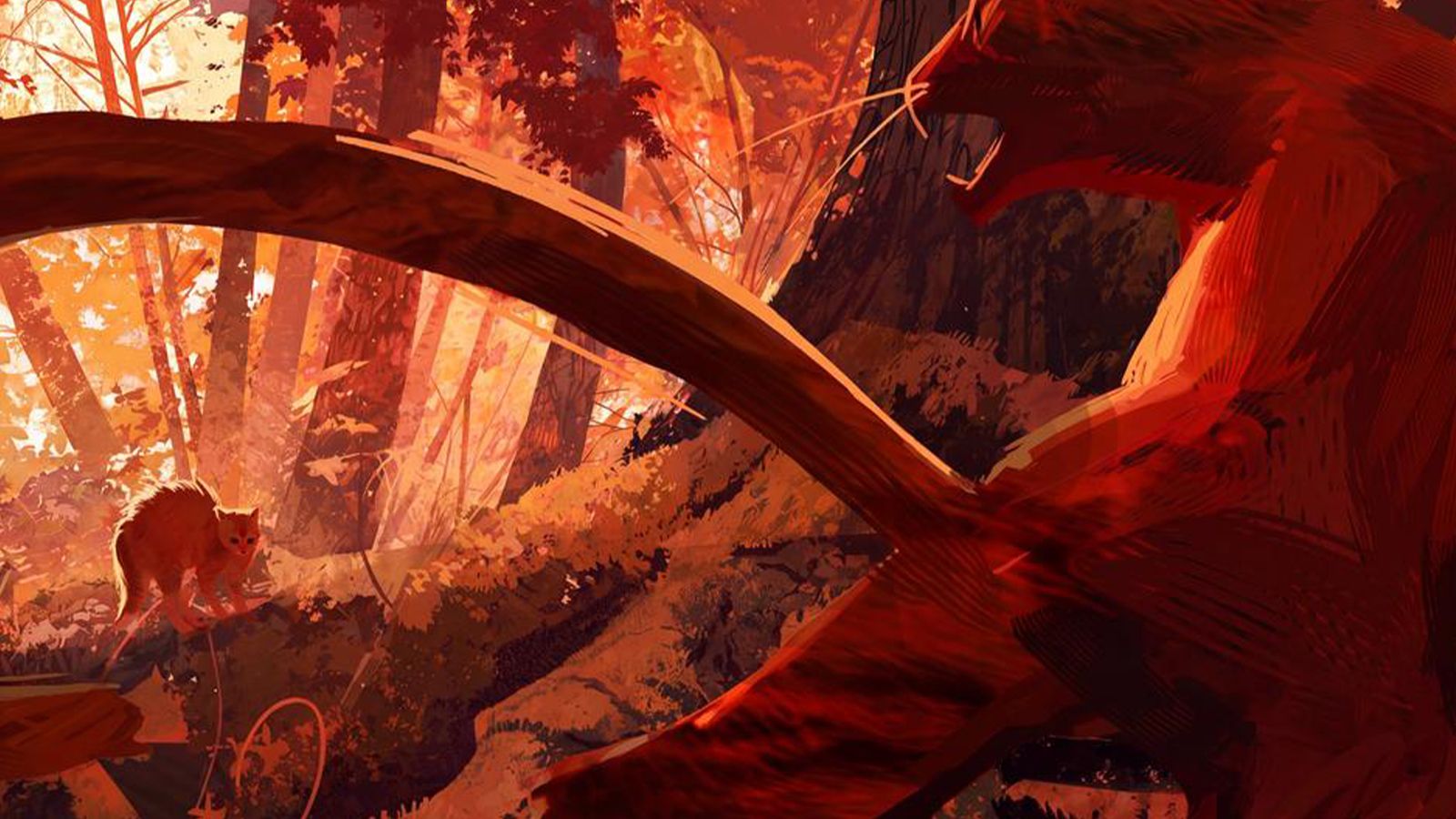
Original Force and director Rodrigo Blaas have elected to break away from the hyper-detailed fur-rendering and rigid biological accuracy seen in standard Hollywood animal features. Instead, early production assets reveal an animation philosophy deeply indebted to traditional 2D principles applied within a 3D space.
According to the studio’s technical and artistic documentation, the visual development phase centered on establishing rigorous design rules. Artists investigated skeletal structures, fur layering, movement cycles, and camera languages to ensure the animation remained readable during intense, fast-paced action sequences involving multiple feline combatants.
The character design process for foundational figures such as Sandpaw, Rusty, and Graypaw highlights this delicate balancing act. While all three characters share a baseline feline anatomical structure, concept artists systematically exaggerated proportions, facial structures, distinctive markings, and overall silhouettes. This ensures immediate visual differentiation for the audience. The eyes have been granted heightened expressiveness, while the physical builds possess an elongated, spring-loaded quality—evoking a sense of coiled kinetic energy rather than static realism.
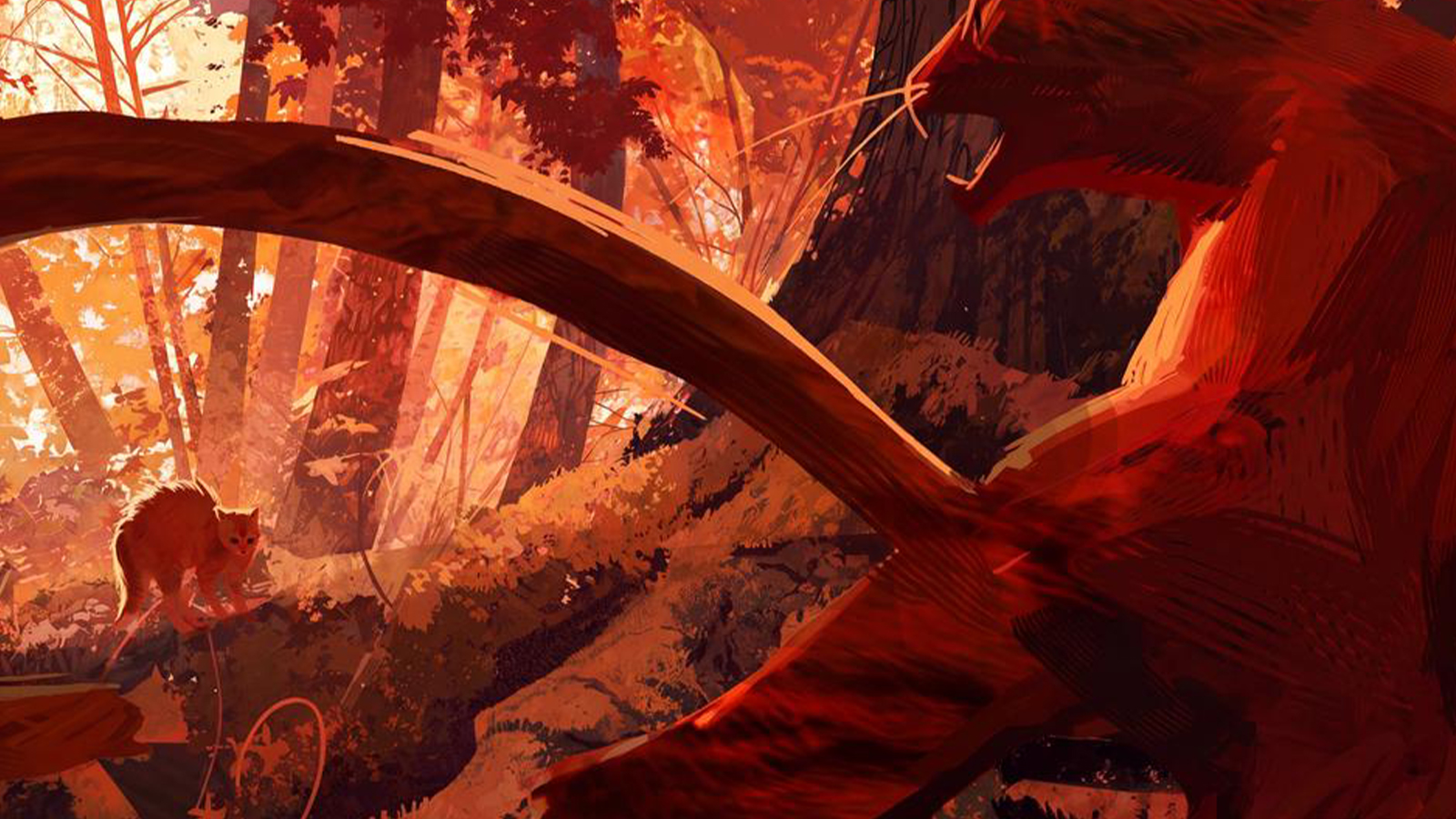
Storyboard releases further emphasize this stylistic freedom. Preliminary frames showcase characters thrown into dynamic, exaggerated poses with limbs extended, tails sweeping fluidly through space, and spinal twists that defy strict biological limits. Industry veterans note that such artistic license is essential for successful action choreography; without physical exaggeration, animated fight sequences risk appearing stiff or weightless.
Production Timeline and Collaborative Scale
The journey toward a visual adaptation has been protracted, reflecting the complexities of bringing a massive literary world to the screen. Initial plans for a feature film adaptation shifted over the years through various development deals before solidifying into the current animated series format under Original Force.
Original Force, an animation and digital production studio with major operational hubs in North America and Asia, has managed thousands of individual production shots involving hundreds of digital artists, animators, and technical directors. The release of the early preview materials marks a pivotal transition from conceptual experimentation to standardized production pipelines.
During the formative stages of visual development, the primary objective was establishing a cohesive visual language that could be scaled across an expansive crew. Concept art and sketchbook ideas had to be systematically translated into rigid technical parameters—determining, for instance, the exact threshold of how far a cat’s spine could arc before losing its feline identity, or how much facial anthropomorphism could be introduced before alienating purist fans of the books.
Industry Implications and Aesthetic Trends
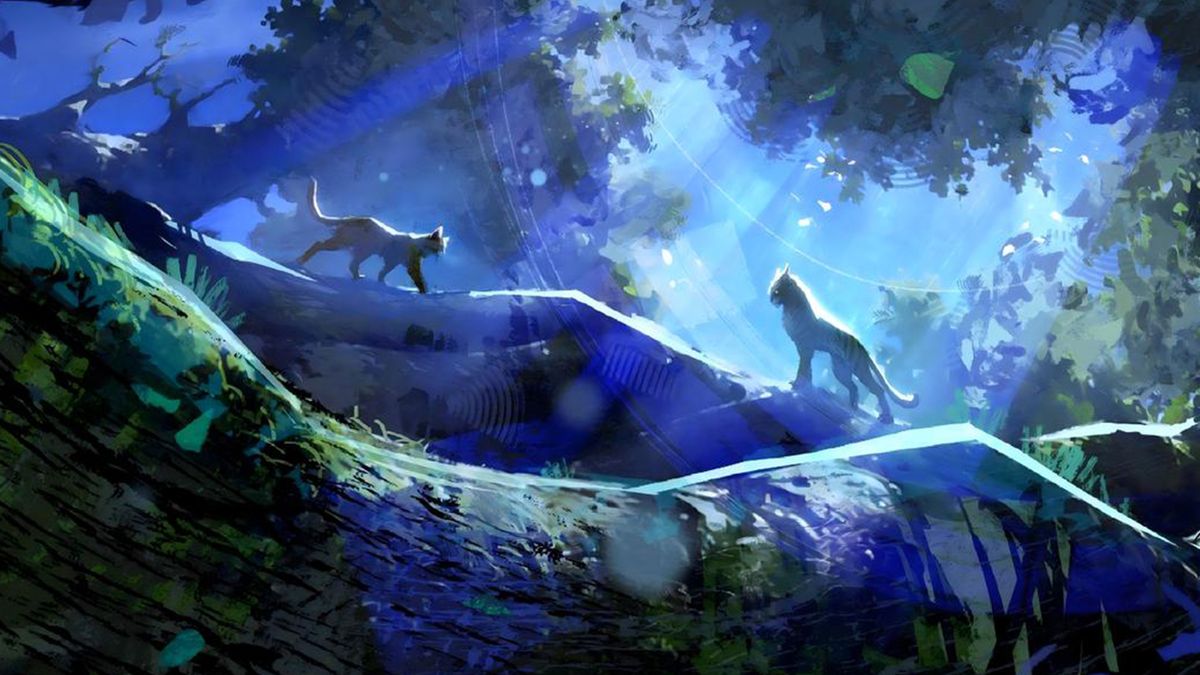
The artistic direction chosen for Warrior Cats reflects a broader, emerging shift within the global animation industry. In recent years, studios have increasingly experimented with stylized rendering techniques that move away from the homogeneous, photorealistic aesthetic that dominated the 2010s. Projects like Pixar’s upcoming Gatto and independent stylized features demonstrate a growing industry appetite for illustrative textures and expressive, non-naturalistic character motion.
For Original Force, the stakes are exceptionally high. Adapting a property with an intensely loyal, digitally active fan base carries significant commercial and creative risks. If the final production successfully preserves the kinetic energy and emotional weight present in the early storyboards and concept art, Warrior Cats could establish a new benchmark for how complex fantasy literature featuring non-human protagonists is adapted to the screen.
Conversely, maintaining visual clarity amidst chaotic clan battles while honoring the distinct personalities of dozens of named characters remains a formidable technical hurdle. As production continues, the studio faces the ongoing challenge of scaling its stylized artistic vision across the entirety of the series without diluting the raw, expressive qualities that initially captured the attention of both the production team and the global fandom.